Archive | Food RSS feed for this section

Buona Festa di San Giuseppe! Happy St. Joseph’s Day!

19 Mar

Today is the feast of St. Joseph, patron saint of the family, and it is a feast day celebrated by Italians everywhere.  It is also Father’s Day in Italy.

Most of the rest of this post comes from a previous one, but the thoughts and sentiments are the same.

Growing up in a neighborhood filled with many Irish and Italian families, I was always happy that the Italians also had their day in March to celebrate.

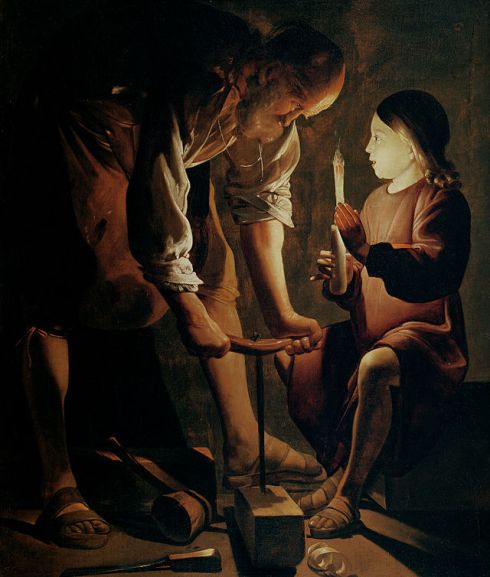
Joseph the Carpenter, 1642, Louvre, by Georges de La Tour

Joseph the Carpenter, 1642, Louvre, by Georges de La Tour

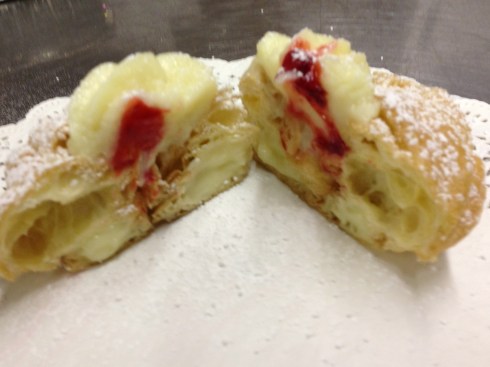
Of course, not quite as loud or rowdy as St. Patrick’s Day, we nonetheless celebrated the feast of St. Joseph with a food fest. And while the Irish had their green beer and accessories, the Italians, often sporting something red, had their zeppole, a cream filled fried pastry that originated in Napoli.

©Blogginginitaly.com

©Blogginginitaly.com

According to my fellow blogger, MariaGiovanna, (Sharing My Italy) the “Zeppole di SanGiuseppe” originated in Naples, Italy, “where the first recipe was put on paper, in 1837, by the famous Neapolitan gastronome Ippolito Cavalcanti, Duke of Buonvicino.”

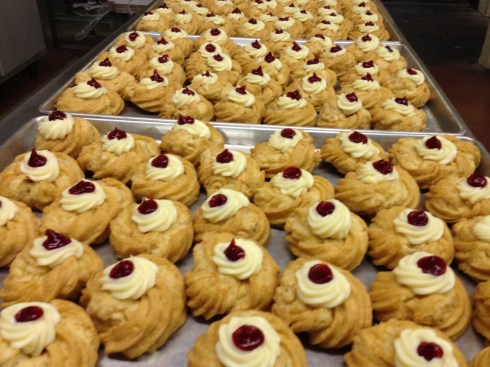
Fortunately, you don’t have to be in Italy to enjoy a zeppole. In Chicago, they can be found in authentic Italian bakeries such as Ferrara Bakery on Taylor Street. Light, airy and filled with cream, it is fun to see the smiles they generate on those wiping the cream from their lips.

©Blogginginitaly.com

©Blogginginitaly.com

At this time of year, Ferrara’s and Italian bakeries everywhere are busy filling and selling hundreds of dozens of the cream filled gems.

©Blogginginitaly.com

©Blogginginitaly.com

So, to those looking to get beyond the grey days of winter, here’s an idea – participate in a St. Joseph’s Day custom by sharing some food with the needy and with some friends, and, of course, be sure to bring some zeppole!

And a very Happy Father’s Day to our Italian friends.

Ciao,
Judy

La Cannuccia, C. del Lago

10 Oct

Winter arrived today, so say the Italians, as the winds were strong and the dark clouds made the temperatures drop. Suddenly, fashion consisted of turtlenecks, an abundance of scarves, and “puffy” (down) coats and jackets. Luckily for us, we were prepared.

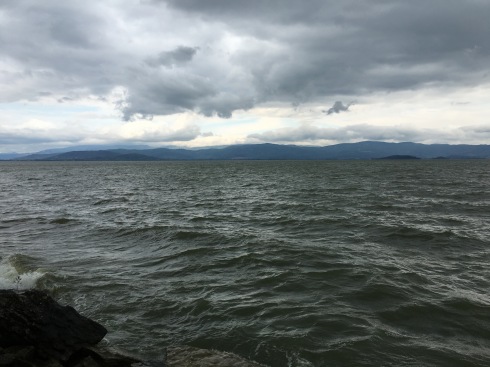
With a sprinkle in the air in Cortona, we got in our Fiat 500, destination unknown, and soon found ourselves in Castiglione del Lago. Stronger winds and bigger clouds greeted us,
©Blogginginitaly.com

©Blogginginitaly.com

but without rain, and a goal of fresh air and exercise, we were happy to walk as we had the lake and view to ourselves.
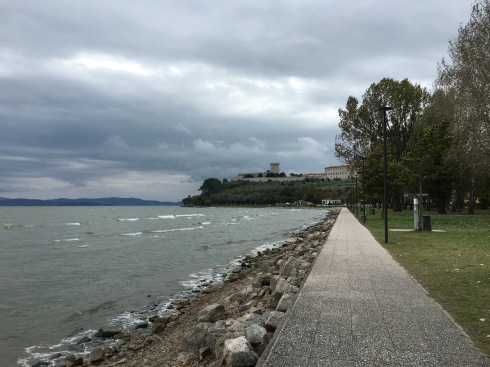
©Blogginginitaly.com

©Blogginginitaly.com

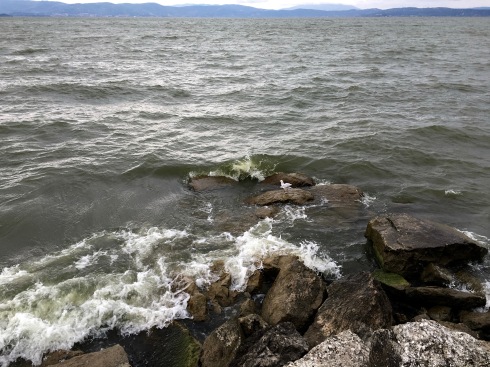
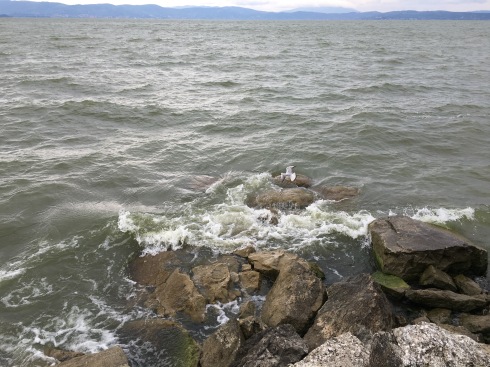
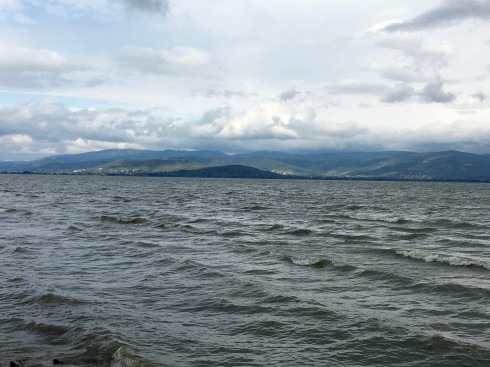
Water is mesmerizing, and as we walked, we watched the waves crash upon the rocks. The seagulls were playing what looked like Marco Polo, that “catch me if you can” game we played as kids and they played with the waves.
©Blogginginitaly.com
©Blogginginitaly.com

©Blogginginitaly.com

©Blogginginitaly.com

After awhile, the clouds broke across the lake and the sun shone like a spotlight on several of the hill towns.
©Blogginginitaly.com

©Blogginginitaly.com

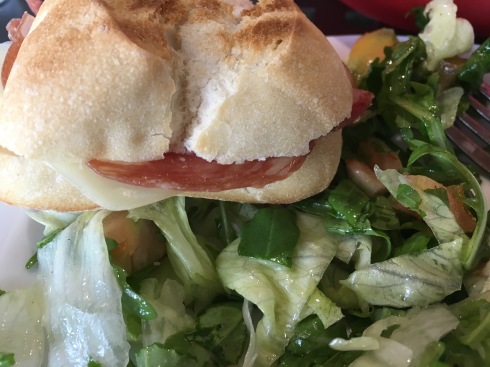
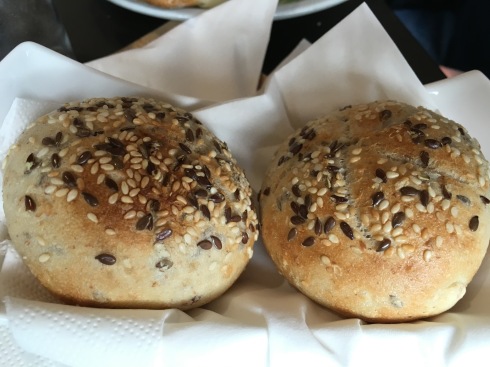
Eventually, we stopped for lunch at La Cannuccia, our lakeside go-to cafe. We ordered our usual split lunch, a grilled panino and mixed salad, which is served with delicious warm rolls.
©Blogginginitaly.com
©Blogginginitaly.com

©Blogginginitaly.com

©Blogginginitaly.com

After lunch, Riccardo asked if we were football fans.

“I’m a big baseball fan at the moment,” I replied, “as I’m from Chicago and …”

“Chicago Cubs!” he said and smiled.

“We live about two miles from…”

“Wrigley Field!” he exclaimed.

“You must like baseball,” I said.

“Not so much. It can be boring, especially when there is a pitching battle,” he replied.

“Like the first game the other night…” 

“When the Cubs won 1-0 against the San Francisco Giants,” he quickly replied.

“We haven’t won in over a century, and…” 

“The goat,” he said, and raised his hands like Italians do. “I don’t believe.”

By now, Len was intrigued. Since our dear friends, Carrol and Larry, had left weeks ago, Len had not found anyone to have a good baseball conversation with. And here was Riccardo, born and raised locally, owner of a bar in Castiglione del Lago in the center of Italy, speaking English, he – a fountain of knowledge about American baseball, a sport that wasn’t even his favorite.

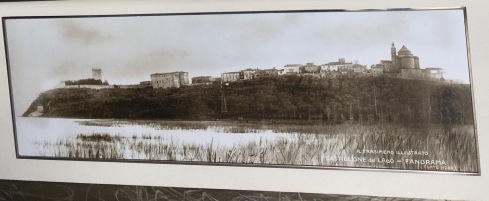
After they talked baseball for a bit, I asked what Il Cannuccia means. “It’s the tall grass that grows in a swamp,” he said, as he pointed to the bottom right of a giant photo on the face of the bar.  100 years ago, much of the lake was a swamp.
©Blogginginitaly.com

©Blogginginitaly.com

The present bar was built in the 50’s. It has been in Riccardo’s family since the mid 70’s and is now operated by Riccardo and his brother Simone.
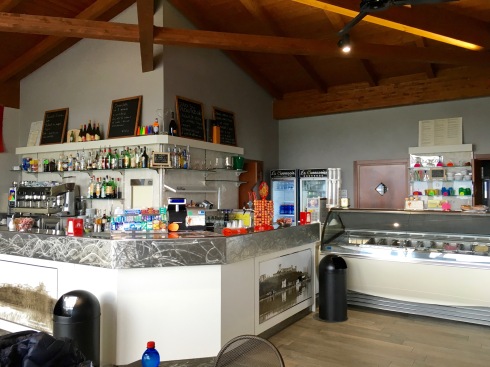
La Cannuccia Bar©Blogginginitaly.com

La Cannuccia Bar©Blogginginitaly.com

I asked if I could take a few pictures.  “Sure, but the best view is looking out.”
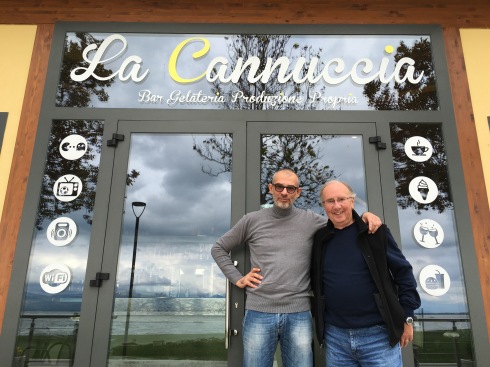
La Cannuccia Bar©Blogginginitaly.com

La Cannuccia Bar©Blogginginitaly.com

Easy to see why he thinks that and one of the reasons we keep returning.
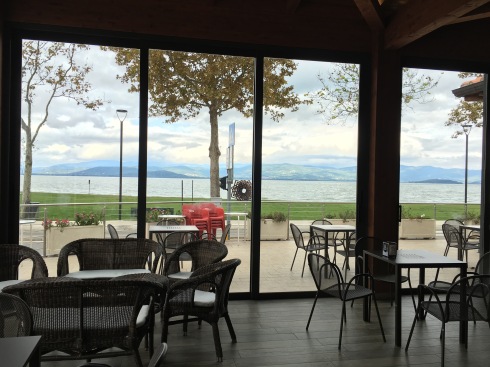
©Blogginginitaly.com

©Blogginginitaly.com

After lunch, I considered having gelato, as theirs is very good. Then, with a twinkle in his eye, Ricardo asked if we like cream. “Sure, why not,” I answered, and he set off to make something special for us.

He arrived with this.
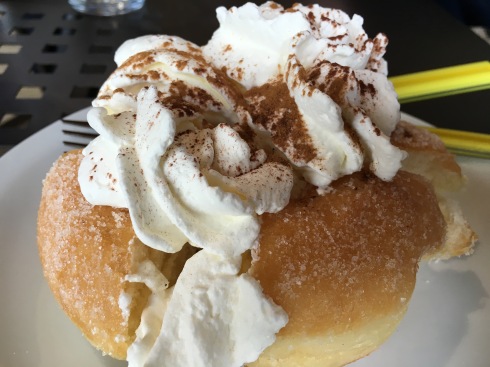
©Blogginginitaly.com

©Blogginginitaly.com

This incredibly light “sugar donut” is called a ciambella. He quartered it, and topped it with  panna fresca, (fresh cream,) and cacao candela, (cinnamon). My sister Florence and her husband Vince would have ordered this and skipped the salad and panino. Benita too.

Castiglione del Lago in Umbria is about 30 minutes from Cortona on the SW corner of Lago Trasimeno. Although Cortona is a city where you don’t need a car, if you have one, it is such fun exploring all the neighboring towns, taking in the sights, and making interesting new friends like Riccardo. Who knew???

Ciao,
Judy


Sunflowers, Take Your Bow

8 Sep

If you close your eyes and imagine a Tuscan landscape, it’s hard not to picture a field of sunflowers or girasole. 

©Blogginginitaly.com

©Blogginginitaly.com

They are as much a part of the vistas as olive groves and vineyards. These magnificent yellow flowers are planted each spring and perform their role admirably throughout the summer, standing tall and delighting all who seek them out. They generously pose for hours on end for cameras, never complaining or shying away from the sun. And they are a beautiful addition to any table setting.

©Blogginginitaly.com

©Blogginginitaly.com

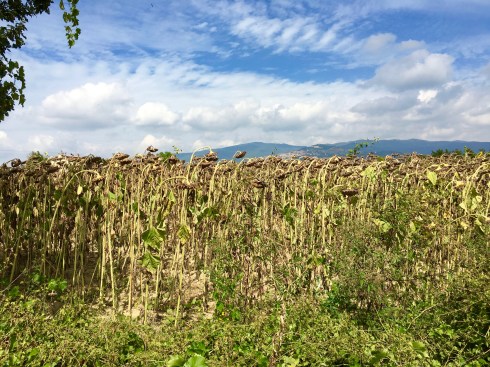
Then in the fall, after months of performing, they stand together and begin their final bow.

©Blogginginitaly.com

©Blogginginitaly.com

Even after they have lost their bright yellow color, sunflowers still have much to offer in harvest. As mentioned before in a previous post, …

  1. Sunflower seeds are edible, whether eaten raw, cooked, roasted or dried. They are a nutritious snack containing protein, vitamins A, B, and E, calcium, nitrogen and iron.
  2. Some people ground the seeds to make flour for cakes and breads.
  3. The seed heads are a source of food for birds and animals. Sunflower seeds are a major ingredient in commercial birdseed.
  4. Sunflower oil is a popular vegetable oil known for its light colour, mild flavour, low levels of saturated fats and ability to withstand high cooking temperatures.
  5. The oil can also be added to soap, lubricants and candles.
  6. Sunflower oil can help relieve skin conditions, hemorrhoids and ulcers.
  7. Sunflower roots can remove radiation from soils and water. They were used to clean up the Chernobyl disaster.
  8. The root of the plant is also used in traditional herbal medicine to treat snake bites and spider bites.
  9. The flowers can be used to make an all natural dye.
  10. The stalks are used to make paper and clothes.

So, as the sunflowers take a well deserved bow, it’s nice to know we benefit from them in so many other ways.

Ovation, please!

©Blogginginitaly.com

©Blogginginitaly.com

Ciao,
Judy

Award Winning Tomato!

6 Sep

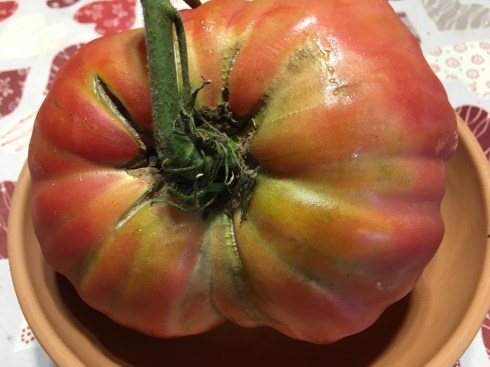
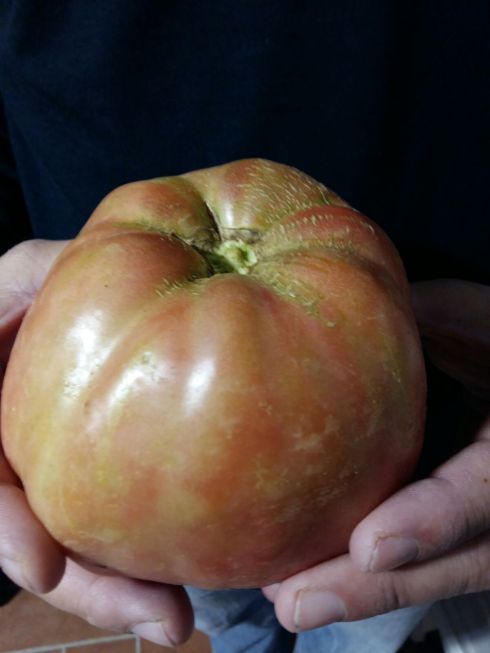
Planting an orto or garden in Italy last spring was delightful; sampling the results was delicious; but having an award-winning tomato was divine. In fact, the neighboring farmers were scratching their heads.

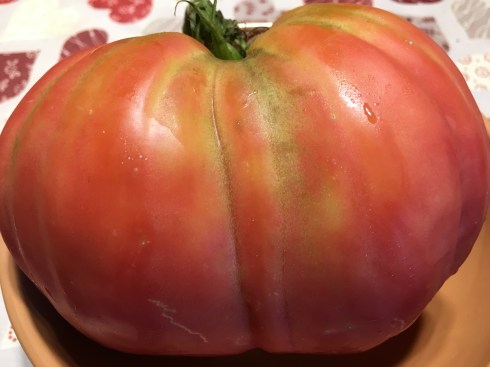
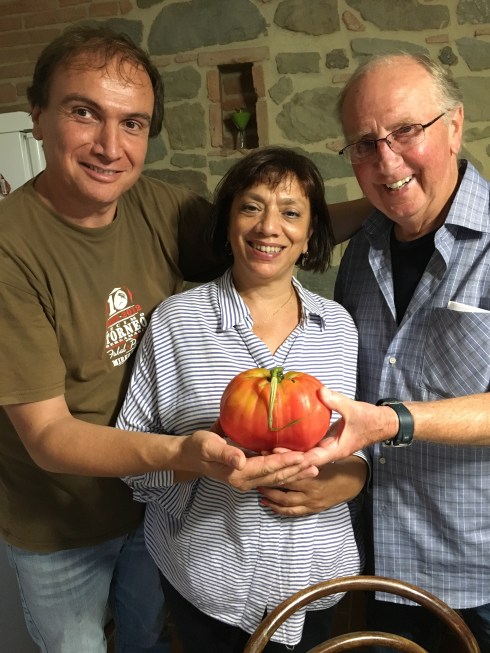
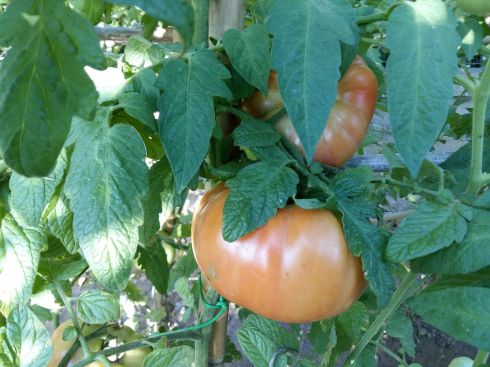
Our prize tomato, a Cuor di Bue, weighed in at nearly 2.2 pounds or about 1 kilogram!

©Blogginginitaly.com

©Blogginginitaly.com

It was so heavy it actually broke the branch during a storm, but fortunately, it had a soft landing and remained unbruised.

©Blogginginitaly.com Cuor di Bue

©Blogginginitaly.com Cuor di Bue

We let it ripen another two days out of the sun.

©Blogginginitaly.com

©Blogginginitaly.com

©Blogginginitaly.com

©Blogginginitaly.com

You might recognize this tomato as a Beefsteak variety. Its name, Cuor di Bue, literally means heart of an ox because of its distinctive shape. It matures late and when ripe, has an orangey-red color.

Now for the tasting. The team consisted of Fernanda, who selected the plant from the nursery last April, Len and Carlo, who planted it, and yours truly, documenting everything.

©Blogginginitaly.com

©Blogginginitaly.com

Since the normal weight for this tomato is about 7-8 ounces, and ours weighed 2.2 POUNDS, I was a bit concerned that such a large tomato might not taste great, but then this is Italy, the land that loves its tomatoes.

©Blogginginitaly.com

©Blogginginitaly.com

And the result?…Perfect!

©Blogginginitaly.com

©Blogginginitaly.com

It even had few seeds, which I have since learned can make a tomato more acidic.

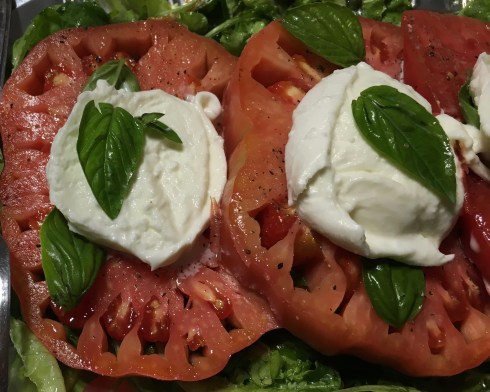
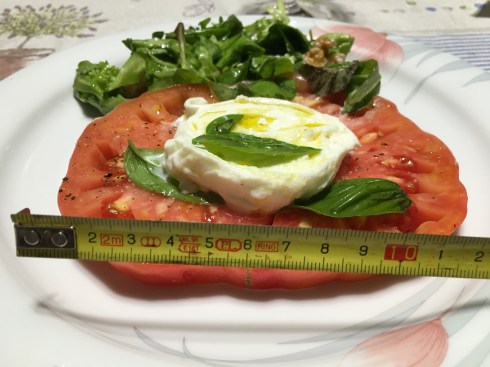
Cuor di Bue are ideal for eating with fresh mozzarella and basil, as we did. Our tomato produced four extra-large steaks.

©Blogginginitaly.com

©Blogginginitaly.com

©Blogginginitaly.com

©Blogginginitaly.com

Drizzle with a bit of olive oil, add a dash of salt and pepper, and enjoy!

©Blogginginitaly.com

©Blogginginitaly.com

Divine!

Ciao,
Judy


A Familiar Italian Gathering

31 Aug

Can we have too much of a good thing? Need you ask?

Last night, we held a long-planned “reunion” with the group who built the wood sheds last spring.

©Blogginginitaly.com

©Blogginginitaly.com (May ’16)

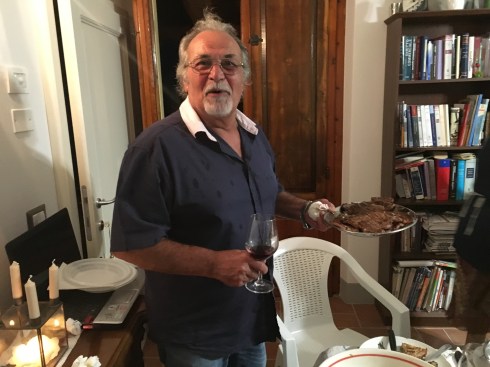
Loreno, a master griller, wanted to cook for us again and we were more than happy to accept.

Stormy weather couldn’t dampen our enthusiasm; we just made a slight adjustment and moved the tables inside at Fernanda’s house.

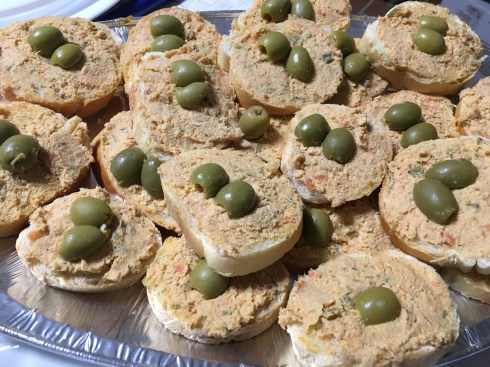
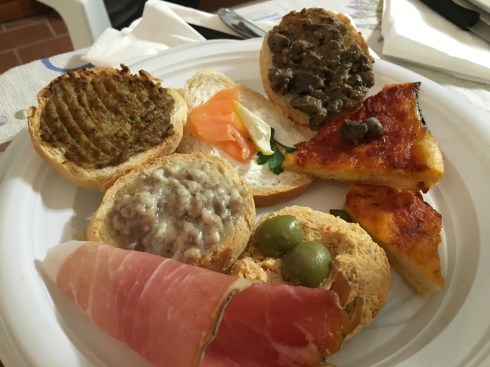
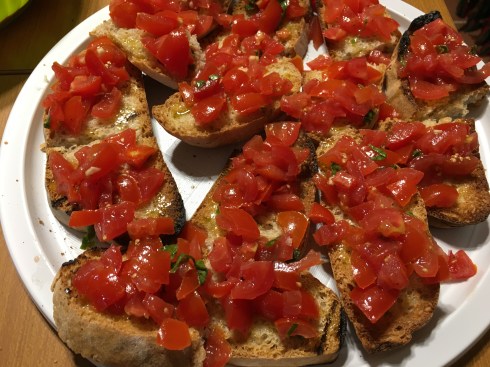
The apperitivi, created by Fernanda and Bruna, were delicious: an assortment of crostini including tuna, smoked salmon, sausage, mushroom, and chicken liver; prosciutto and melon; homemade pizza.

©Blogginginitaly.com

©Blogginginitaly.com

©Blogginginitaly.com

©Blogginginitaly.com

©Blogginginitaly.com

©Blogginginitaly.com

In the meantime, while we were enjoying aperitivo, Loreno was working his magic outside. Fortunately, he had the grill undercover as the rain was relentless at times.

©Blogginginitaly.com

©Blogginginitaly.com

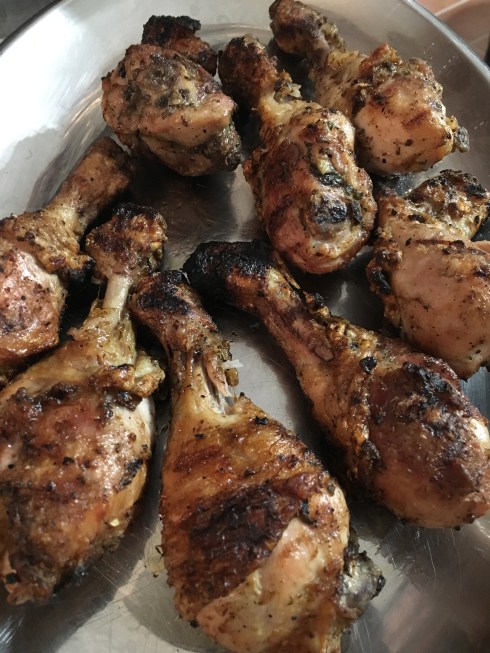
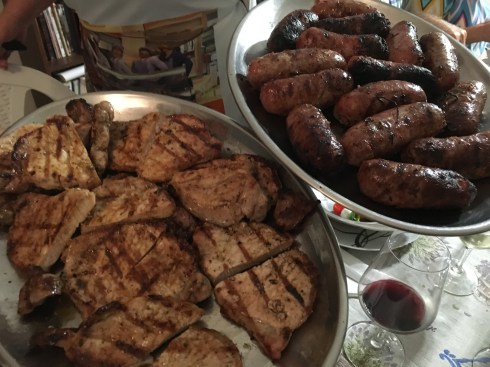
As each plate was brought inside, a wonderful aroma filled the room. While I can give you the basic marinade for all of the meats: olive oil, lemon, rosemary, and salt, I can’t pass on Loreno’s patience and passion for grilling. After all, he built his own grill from steel.

First the chicken:

©Blogginginitaly.com

©Blogginginitaly.com

Followed by boneless pork chops and sausages:

©Blogginginitaly.com

©Blogginginitaly.com

Followed by steak:

©Blogginginitaly.com

©Blogginginitaly.com

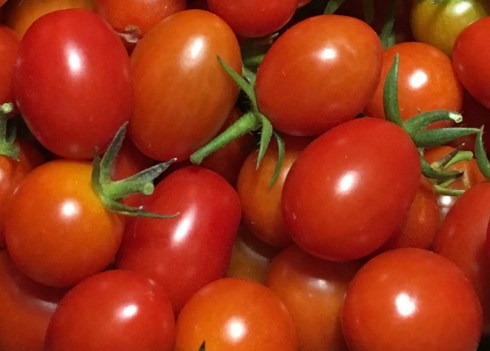
Then the salad and tomatoes picked from the garden.

©Blogginginitaly.com

©Blogginginitaly.com

©Blogginginitaly.com

©Blogginginitaly.com

When Loreno finally joined us, he entered the room to a well-deserved standing ovation.

©Blogginginitaly.com

©Blogginginitaly.com

When I asked if he had had anything to eat, he assured me that he is the primary tester/taster of all things on the grill. So I just filled his glass.

©Blogginginitaly.com

©Blogginginitaly.com

Loreno sat next to Len and me, and we chatted non-stop for over an hour. He speaks not a word of English, yet we talked about life, the challenges and joys it can bring, and so much more. His family, many of whom were at the table, and Fernanda’s, are not actually related through blood, but there are no stronger ties. And now they too have wrapped their arms around us.

©Blogginginitaly.com Carlo and Cousin Giuliano

©Blogginginitaly.com Carlo and Cousin Giuliano

When I think about these gatherings, I am always reminded of how happy I am that my grandparents came from Italy. The love and friendship that I experience here is amazing, yet not surprising. Len and I are both fortunate to have grown up with similar Italian traditions: big family gatherings, always too much food, lots of stories and laughter, everyone talking and listening at the same time, and always room for guests, who just like here, often became extended family members. And fortunately, we continue to experience and pass on these wonderful traditions, both sides of the ocean.

After dinner, we enjoyed just picked fresh figs from the garden, another thing that my grandmother loved…

©Blogginginitaly.com

©Blogginginitaly.com

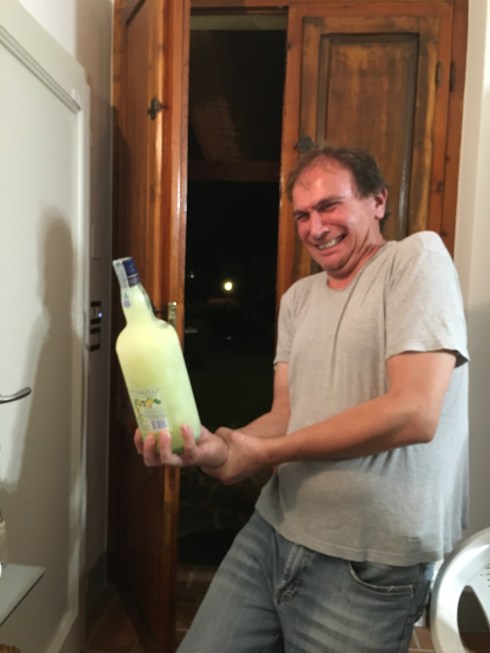
Along with limoncello, although we had to wait for it to thaw a bit!

©Blogginginitaly.com

©Blogginginitaly.com

Thanks to our hosts for an incredible dinner and evening, and most of all, for their friendship and love.

©Blogginginitaly.com

©Blogginginitaly.com

Ciao,
Judy


Amatrice

25 Aug

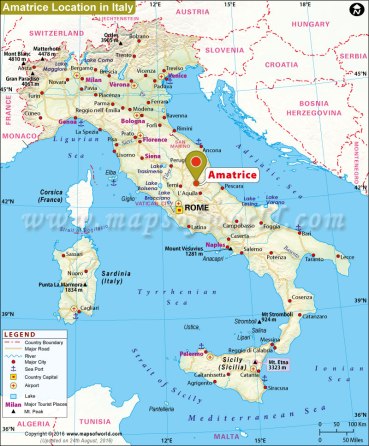
Amatrice is a remote town along a mountainous stretch in northern Lazio, Italy. If you look at a map, it seems to sit right in the middle of the country.

mapsoftheworld.com

mapsoftheworld.com

Their website carries this banner:

City of Amatrice, one of the most beautiful villages in Italy

boghi_piu_belli_amatrice

As we all know now, yesterday, at about 3:30 am, a 6.2 magnitude earthquake shook the region. “The town is no more,” Amatrice Mayor Sergio Pirozzi told CNN affiliate Rai of the village, which has a population of around 2,000 people. (CNN)

Before social media and news channels carried the devastating photos, you may have thought you had never heard of Amatrice. Include me in that list, even though we had travelled near that region last year. And then, after reading about the town, I quickly realized that it is home to a favorite pasta dish, Amatriciana, (or pasta alla matriciana), a traditional pasta sauce based on guanciale (cured pork cheek), pecorino cheese, and tomatoes. The recipe dates back to the 1700’s.
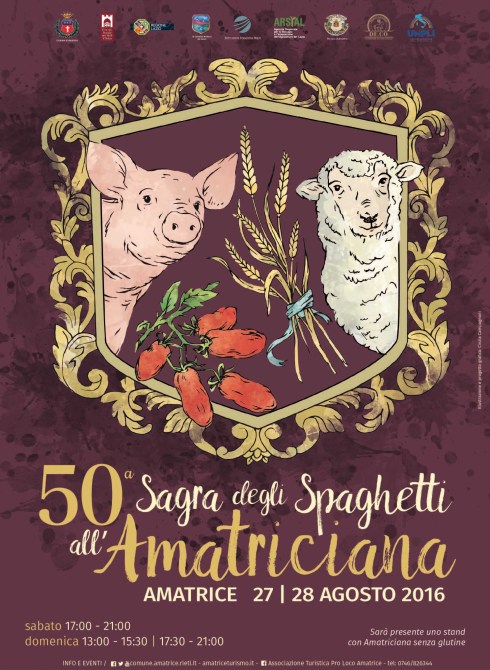
This weekend was to be the 50th annual celebration of the town’s Spaghetti all’ Amatriciana Festival.

Stampa

Instead, hundreds have lost their lives and most that survived cannot return home.

In honor and memory of the town and its people, I plan to make Amatriciana in the next few days. As with all recipes, there are slight variations, so I’ll ask local friends, who are all great cooks, what recipe has been handed down to them over the years.

As we prepare and enjoy this dish, we will toast to the memory of what was and keep the survivors and responders in our thoughts and prayers.
And someday, hopefully, with the strength and fortitude of the locals, there will be another celebration of the town’s Spaghetti Amatriciana Festival.
logo_amatrice
Ciao,
Judy


Just Picked

18 Aug

The time has finally come for our tasting – will the vegetables we planted in the spring taste as good as they look? Let’s start with the tomatoes.

And the verdict is?

©Blogginginitaly.com

©Blogginginitaly.com

Pop in my mouth delicious!

And the zucchini?

©Blogginginitaly.com

©Blogginginitaly.com

Affirmative again!

Our onions did well, and not so much the peppers, but those tomatoes – they just keep giving and giving! This was our pick for the day, not including those we ate as we picked.

©Blogginginitaly.com

©Blogginginitaly.com

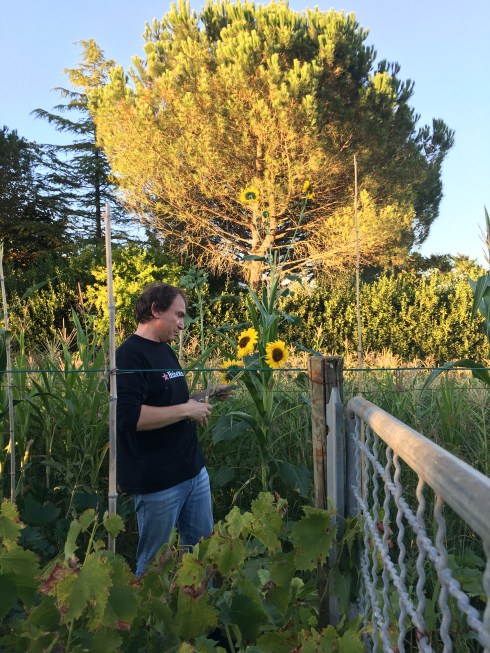
Getting ready for dinner, Carlo cut some sunflowers for our table,

©Blogginginitaly.com

©Blogginginitaly.com

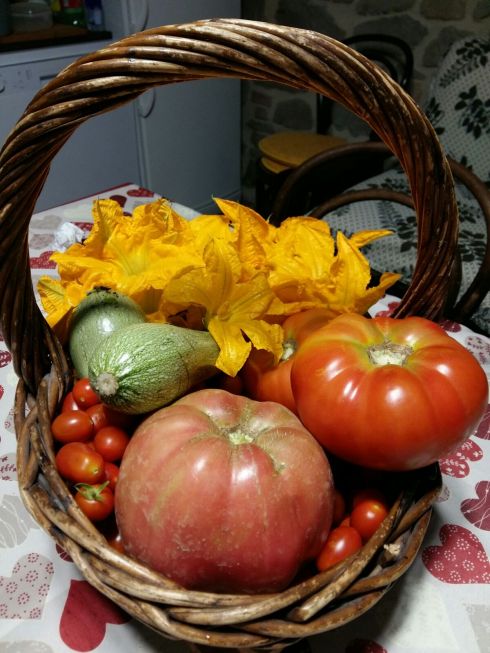
while Fernanda worked her magic in the kitchen. Appertivo included hot from the frying pan amazing zucchini flowers:

©Blogginginitaly.com

©Blogginginitaly.com

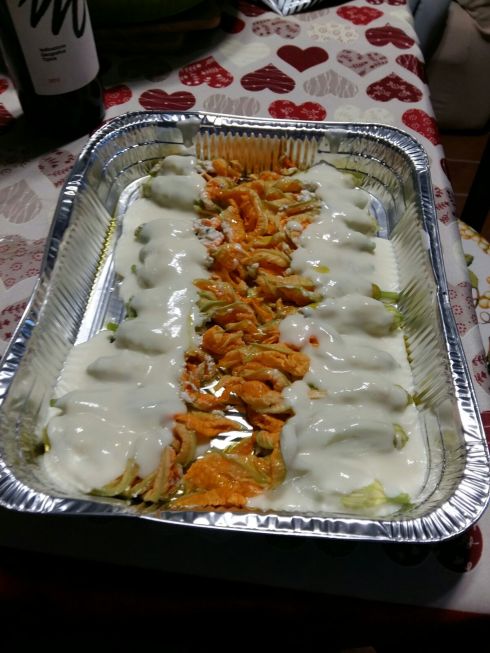
and stuffed zucchini flowers, before going in the oven.

©Blogginginitaly.com

©Blogginginitaly.com

©Blogginginitaly.com

©Blogginginitaly.com

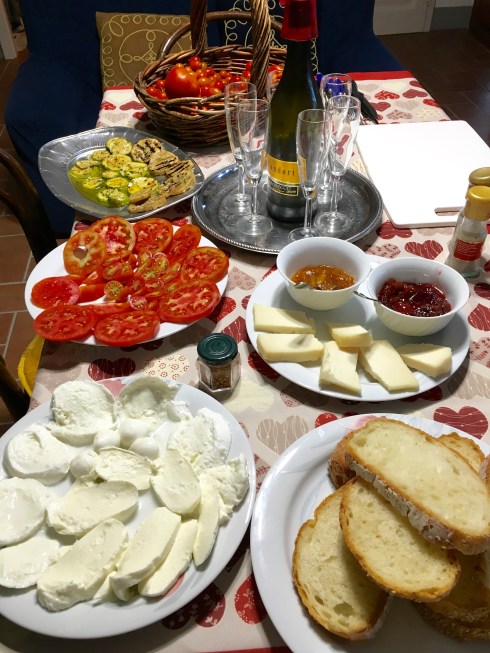
We built our own caprese and enjoyed grilled zucchini, fresh pecorino with homemade plum and orange marmellata, and of course, prosecco.

©Blogginginitaly.com

©Blogginginitaly.com

Pasta was served with a light sugo (sauce) made from our fresh tomatoes and onions. The breeze was light, the temperature comfortable, and the proud smiles abundant.

©Blogginginitaly.com

©Blogginginitaly.com

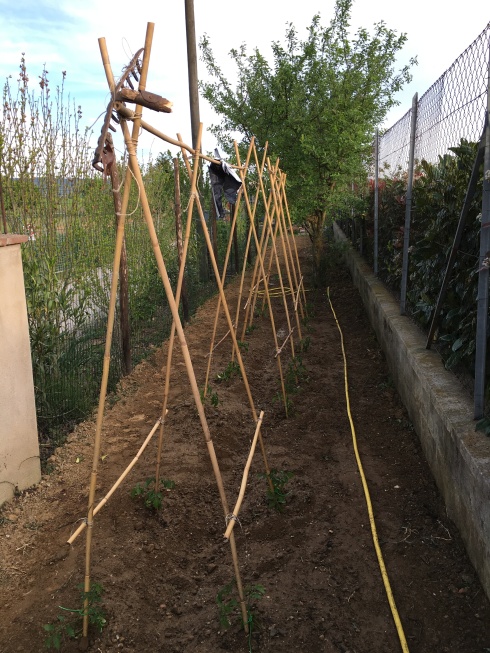
Thinking back to last April, I can’t remember that we had grand expectations for our garden when it looked like this:

©Blogginginitaly.com

©Blogginginitaly.com

In fact, we felt we planted a bit too early as the garden had to endure several hail storms and lots of heavy rain. But neighboring farmers have commented that their tomatoes aren’t nearly as tall or productive as ours, and that we did well to get the plants in the ground when we did. As it turns out, some of them had to plant a bit later than planned due to the soaked soil.

And while planting a garden is certainly not an Olympic event, in keeping with the times, here’s to our gold medal zucchini and tomatoes,

©Blogginginitaly.com

©Blogginginitaly.com

And the sense of accomplishment it bought to a bunch of Italian and American city folks working together. Auguri!

©Blogginginitaly.com

©Blogginginitaly.com

©Blogginginitaly.com

©Blogginginitaly.com

Ciao,
Judy


Ferragosto

15 Aug

Ferragosto is an Italian holiday celebrated on August 15 and coincides with the major Catholic feast of the Assumption of Mary. For many Italians, it is their summer vacation period and a time when many places of business also close their doors for vacation.

The Feriae Augusti, from which Ferragosto takes its name, comes from the “Festivals or Holiday of the Emperor Augustus” which was introduced in 18 BC.  The Feriae Augusti linked the various August festivals to provide a longer period of rest, called Augustali, which was felt necessary after the hard labour of the previous summer weeks.

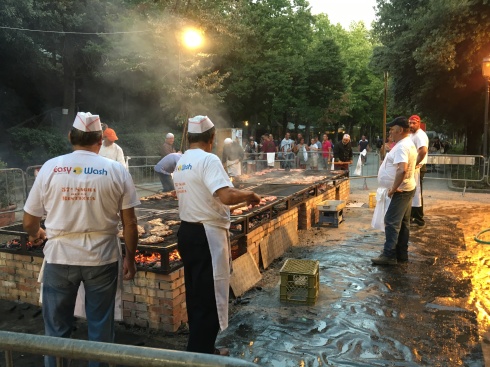
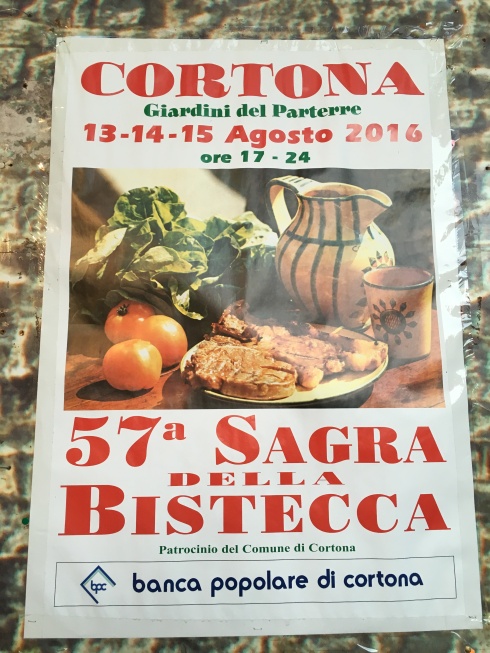
Crowds flock to Cortona for this holiday, as they can enjoy live bands in the piazzas, various exhibits, and most of all, the Sagra della Bistecca held in the public gardens. This year numbers 57.

©Blogginginitaly.com

©Blogginginitaly.com

Large open grills, built for the occasion, become the center of attraction in the public gardens. Those tending to the grills are seasoned veterans, and know just when to turn the bistecca. Seared on the outside, very rare in the middle.

©Blogginginitaly.com

©Blogginginitaly.com

©Blogginginitaly.com

©Blogginginitaly.com

For 28 euro, you get a bistecca, potatoes, choice of beans or tomatoes, a peach, and some vino.

©Blogginginitaly.com

©Blogginginitaly.com

Family and friends come together at long canopied tables to celebrate the holiday and share stories and laughter.

©Blogginginitaly.com

©Blogginginitaly.com

Like every festival, there is music, even if just one man and his many accouterments.

©Blogginginitaly.com

©Blogginginitaly.com

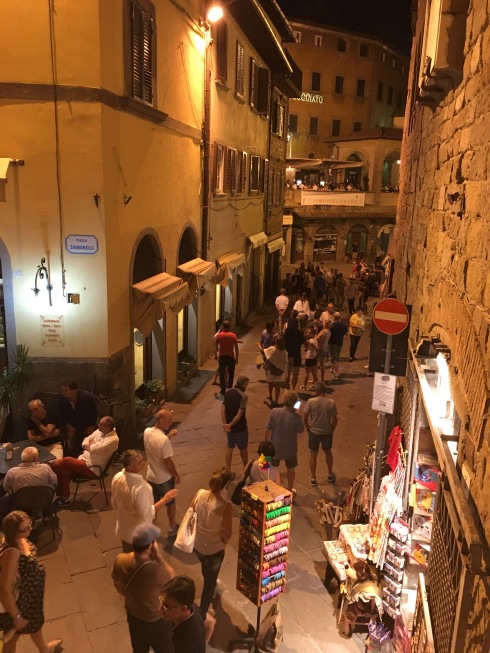
After dinner, many walk through town to marvel at the ancient city’s beauty.

©Blogginginitaly.com

©Blogginginitaly.com

©Blogginginitaly.com

©Blogginginitaly.com

And if your family is like mine, and a peach doesn’t quite qualify as dessert, it’s time for gelato.

©Blogginginitaly.com

©Blogginginitaly.com

Even the weather contributed to the weekend’s success  – bright blue skies, hot sun, and low humidity.

If you are thinking of Italy next summer, remember Cortona and Ferragosto.

©Blogginginitaly.com

©Blogginginitaly.com

And if rare bistecca isn’t your thing, coming next weekend: the porcini festival!

Ciao,
Judy


Bragging Rights

4 Aug

Let’s begin with this amazing photo:

©Blogginginitaly.com

©Blogginginitaly.com

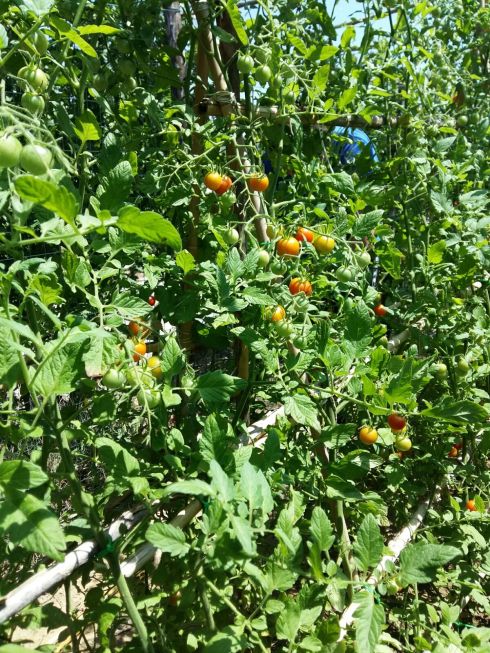
This is one tomato from our orto, one of hundreds I might add, in a garden that might be about 12 feet wide and 60-70 feet long. I’ll measure next time as I am curious myself!

As you might recall, we built cane trellises for the much-anticipated tomato plant growth, but who would ever have guessed that Carlo would eventually have to add an overhead cane trellis?

©Blogginginitaly.com

©Blogginginitaly.com

The garden has done incredibly well under the watchful eyes of Carlo and Fernanda, but in truth, the true bragging rights belong to the Italian soil!

©Blogginginitaly.com

©Blogginginitaly.com

©Blogginginitaly.com

©Blogginginitaly.com

There is much advice available on how to plant a garden in Italy, including testing the soil and adding nutrients, but we did none of these other than till the land well. Luckily for us, our soil type and pH must be near perfect, but then this is Tuscany.

Len recalls that we bought 12 tomato plants total, of 3-4 different types. After we left a local family nursery, however, we realized that we didn’t have any idea which was which, as they don’t put those nice little white tags on each plant. So watching our garden grow had extra elements of daily surprise. And grow it did – more so than we had ever imagined.
IMG_3800

©Blogginginitaly.com

©Blogginginitaly.com

Now grant you, size and quantity alone do not spell success. And thus far, I’ve had to rely on the smiles and photos from our friends who have eaten from our (ok, their) garden. But I suspect, from our conversations and the photos, that the taste will actually surpass my expectations.

©Blogginginitaly.com

©Blogginginitaly.com

©Blogginginitaly.com

©Blogginginitaly.com

©Blogginginitaly.com

©Blogginginitaly.com

©Blogginginitaly.com

©Blogginginitaly.com

Other than the soil composition, the only added products have been patience, sunshine, water and love. Talk about organic!

©Blogginginitaly.com

©Blogginginitaly.com

Stay tuned for my upcoming taste test results. And Memo to Me: wear a dark shirt as I already visualize a delicious burst of tomato seeds when I bite my first pomodoro ciliegino (cherry tomato!).

Ciao,
Judy


Orto Update

24 Jul

Just over three months ago, we planted an orto, or vegetable garden, in our friend’s yard in Tuscany. https://blogginginitaly.com/2016/04/22/planting-an-orto/

We decided on zucchini, peppers, onions, and of course, tomatoes. And just to be sure our tomatoes would grow, we built cane trellises for them. No slouches here. Last April 22, the orto looked like this:

©Blogginginitaly.com

©Blogginginitaly.com

Despite several spring hail storms, and thanks to the watchful coaxing of Fernanda and Carlo, the plants flourished in the fertile Tuscan soil. Each week, we anxiously awaited our photo progress reports.

Tomatoes and onions

©Blogginginitaly.com

©Blogginginitaly.com

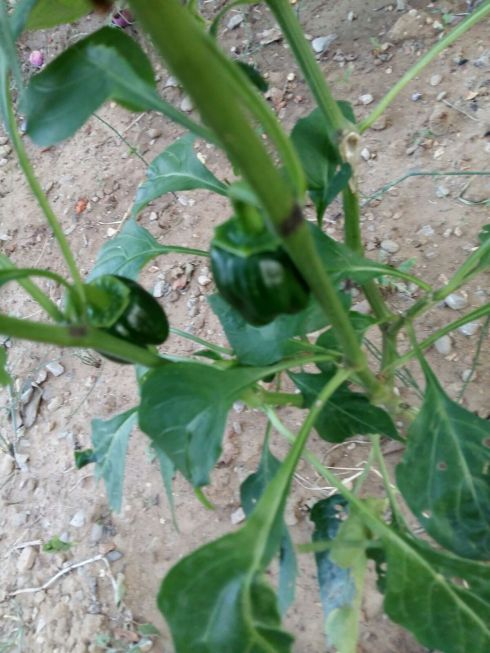
Peppers

©Blogginginitaly.com

©Blogginginitaly.com

Carlo adding another row of cane

©Blogginginitaly.com

©Blogginginitaly.com

And just three months later, here are some of the amazing fruits of our labor.

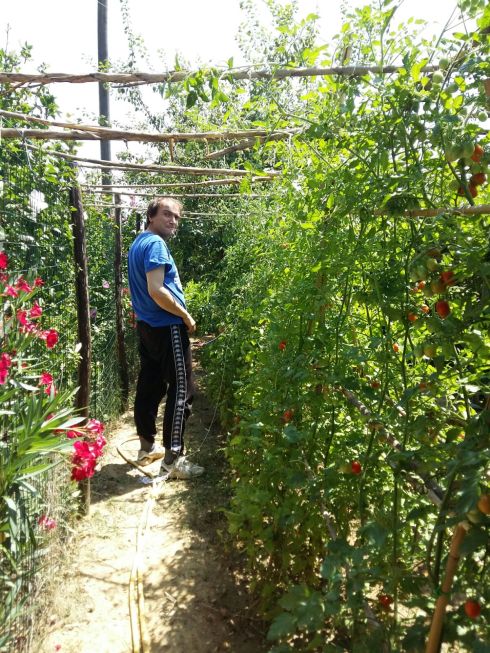
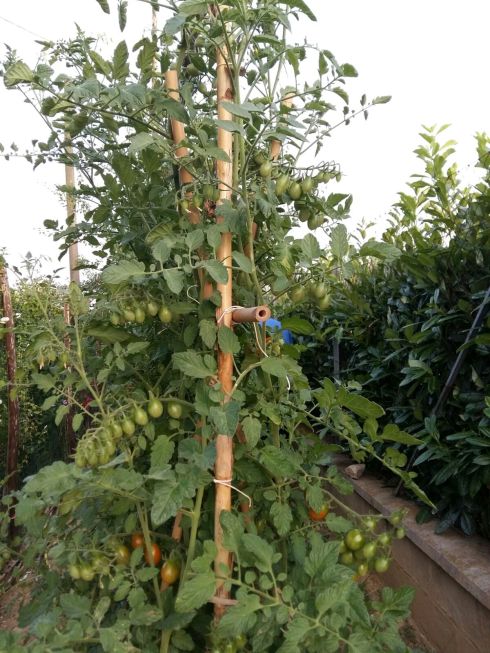
Large and small tomatoes over six feet tall!

©Blogginginitaly.com

©Blogginginitaly.com

©Blogginginitaly.com

©Blogginginitaly.com

©Blogginginitaly.com

©Blogginginitaly.com

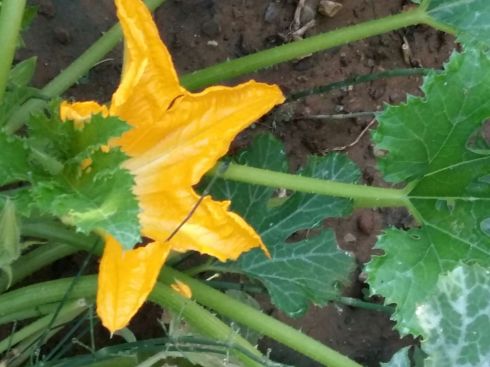
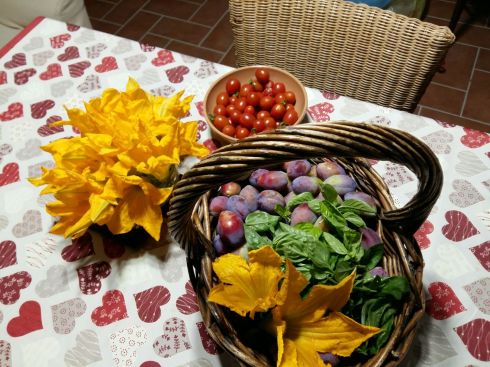
And bright zucchini blossoms loving the sunshine.

©Blogginginitaly.com

©Blogginginitaly.com

©Blogginginitaly.com

©Blogginginitaly.com

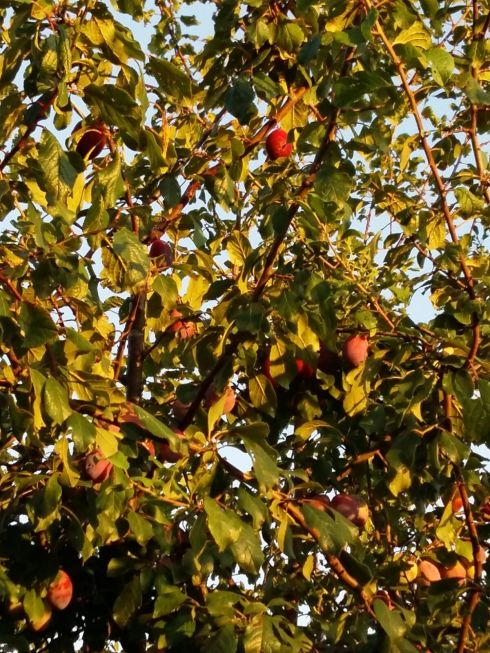
The beautiful yard is also full of fruit trees, especially susine or plum trees, perfect for making marmellata di susine or plum jam.

©Blogginginitaly.com

©Blogginginitaly.com

Needless to say, lots of serious picking going on these days…

©Blogginginitaly.com

©Blogginginitaly.com

©Blogginginitaly.com

©Blogginginitaly.com

and of course, lots of delicious eating…

©Blogginginitaly.com

©Blogginginitaly.com

©Blogginginitaly.com

©Blogginginitaly.com

and an assurance from our friends that there will still be much to pick and eat when we return.

Ciao,
Judy