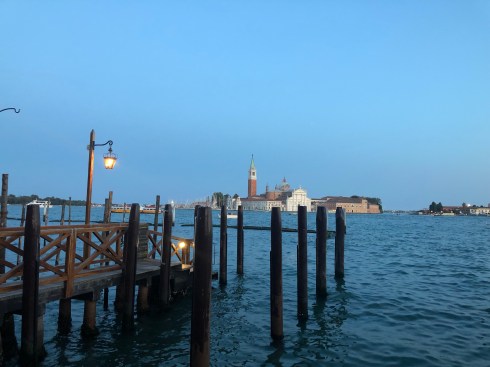
My first visit to Venice was as a study abroad student. Although it was many years ago, I can still see it vividly in my mind’s eye. It was winter and a heavy fog had rolled in as I walked along the canal. I could hear the lapping of the water against the gondolas and the hum of the water taxis ferrying passengers to and fro. There were lights in the distance, but the fog clouded the identity of any of the buildings. It was cold, but it didn’t matter. It was simply magical, and for me, it will always be that way.
As soon as I exit Santa Lucia train station and see this view,
my heart starts to flutter. How grand, how impossible, how so many things!
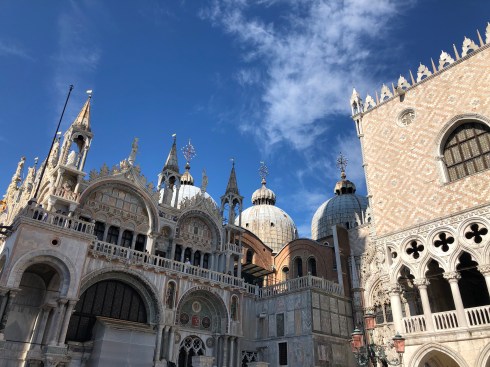
I know today there can be huge crowds, ridiculous cruise ships, and flooding, but we experienced none of them. And perhaps because it is now illegal to feed the pigeons, even Piazza San Marco wasn’t very crowded.
Afterward, we caught a vaporetto, or public water taxi, to another part of town, appreciating the efficiency with which they maneuver the canal traffic, dock at various stops, and manage the passengers disembarking and embarking.
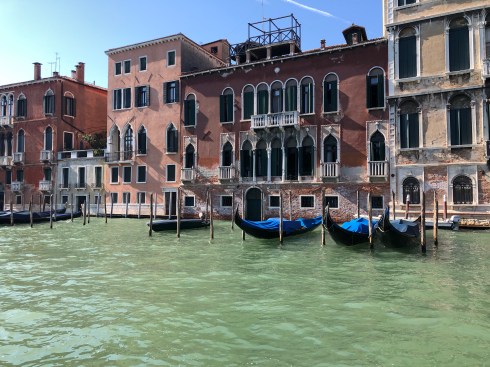
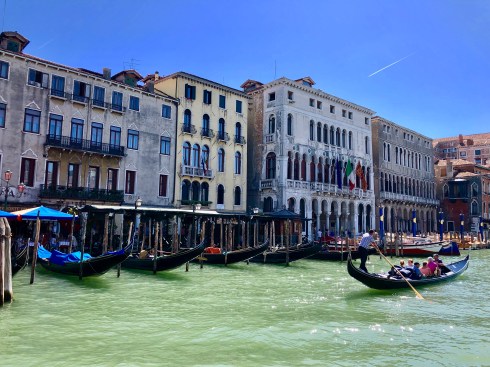
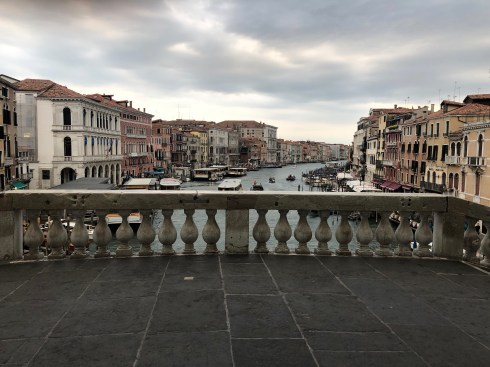
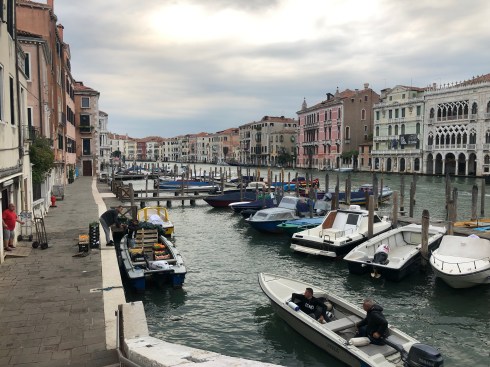
And then there are the views – the incredible Renaissance and Gothic palaces, the gondolas, and the Grand Canal.
The next morning, I awoke at dawn, so I decided to check out early morning Venice. First on my agenda was to find breakfast, and indeed I did… a delicious cappuccino and a just out of the oven freshly baked cornetto (croissant).
Then I was ready to explore. This is the famously crowded Rialto Bridge, completed in 1591, covered with rows of shops, and one of the top tourist attractions in Venice.
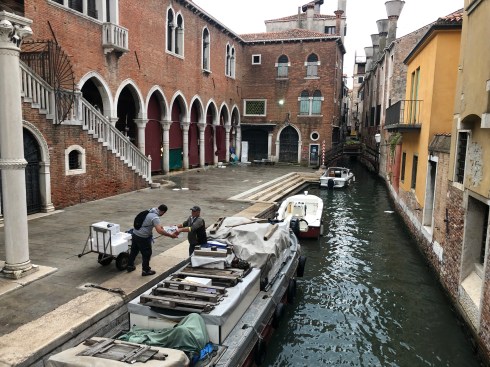
After a delightful early morning stroll, I walked back to the hotel through tiny vicoli filled with shops preparing for the day, and lovely old buildings that retain their charm.
And so, Venice, although I leave you once again, not knowing when I’ll return, rest assured that for me, your mystery, beauty and magic will never fade.
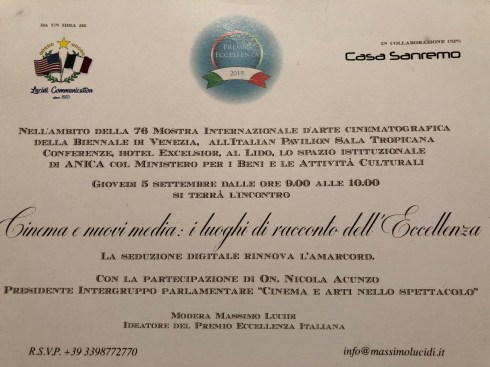
Due settimane fa, e inaspettatamente, abbiamo ricevuto un invito a partecipare alla 76a Mostra Internazionale del Cinema di Venezia, ospiti del Prof. Dr. Massimo Lucidi, giornalista economico, autore e fondatore di numerosi eventi internazionali come il Premio Eccellenza o il Premio Italiano Eccellenza .
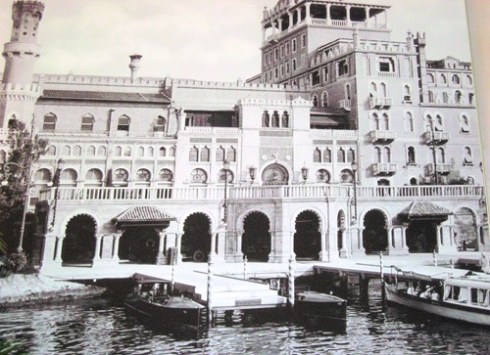
Il festival si tiene al Lido di Venezia e il nostro incontro è stato all’Hotel Excelsior. Per il loro sito web: “Questa straordinaria creazione ha riscosso un grande successo il 21 luglio 1908, con una sontuosa festa in riva al mare per oltre 3.000 ospiti. È diventata rapidamente un paradiso per l’elite, le star del cinema e la regalità”.
Nel 1932, l’Hotel Excelsior Venice Lido Resort ha dato il benvenuto al primo Festival del cinema di Venezia ed è ora la sede ufficiale di questo evento di fama mondiale.
L’incontro a cui abbiamo partecipato è stato intitolato “Cinema e Web”. Si è concentrato sul rapporto tra emozione e seduzione del cinema e le opportunità digitali di oggi per preservare e condividere storia e cultura.
Ma perché noi? Un po ‘di storia richiesta qui …
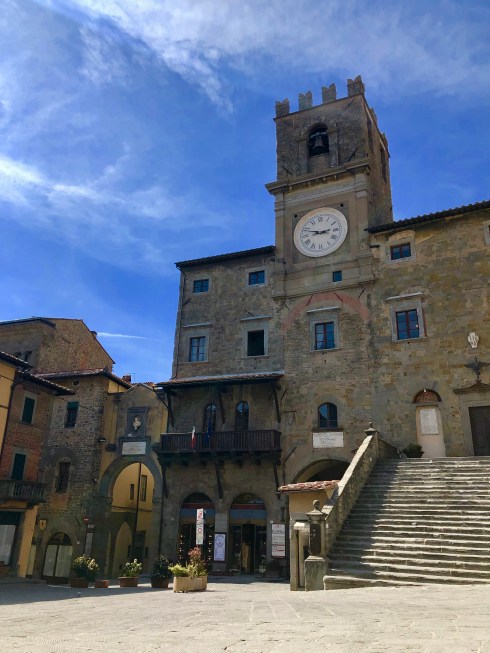
Io e Len, entrambi di origini italiane, abbiamo sempre avuto il sogno e l’obiettivo di trascorrere un periodo significativo in Italia. Dal 2001, con il nostro viaggio in Calabria per trovare i documenti dei nonni di Len, abbiamo continuato la ricerca delle nostre case ancestrali e visitato la maggior parte. Una volta in pensione, e desiderosi di vivere davvero il paese dei nostri antenati, abbiamo scelto l’antica e bellissima città di Cortona in Toscana.
Per noi, era la dimensione e l’ambiente perfetti per darci una base centrale da cui partire, per interagire veramente con la gente del posto e per assorbire la cultura dei nostri antenati mentre ci immergevamo nella vita quotidiana italiana. Non avremmo potuto immaginare le grandi amicizie che avremmo fatto.
Crescendo, io e Len siamo stati entrambi fortunati ad essere circondati da grandi famiglie italiane estese. Ognuna delle nostre vite era piena di divertenti tradizioni italiane, grandi riunioni di famiglia e amore.
Nella mia famiglia c’erano 10 nipoti per parte. E mentre sapevamo dei risultati dei nostri nonni, non era come se parlassero di se stessi. Per noi, erano nonni tipici e divertenti che lavoravano duramente e amavano i loro nipoti a caro prezzo.
Di conseguenza, il mio fascino ancestrale iniziò davvero molti anni dopo, quando iniziai a ricercare mio nonno paterno, Alex Capraro.
Lasciò Pietrabbondante in Abruzzo all’età di quattro anni ed emigrò con i suoi giovani genitori in America dove alla fine divenne il primo architetto italo-americano autorizzato in Illinois. Agli inizi degli anni ’30, fu nominato capo architetto dal governo italiano per il padiglione italiano alla Century of Progress Fair del 1933 a Chicago. Anche se è morto quando avevo cinque anni, mia nonna conservava molte delle sue lettere e dei suoi documenti. Alla fine, questi mi sono stati trasmessi. A tempo debito, sono stato in grado di mettere insieme così tanto di ciò che era e ciò che aveva realizzato nella sua vita, come documentato nella mia serie di blog: Attraverso le sue parole: riflessioni da e su mio nonno.
La storia di Alex ha suscitato interesse, non solo con i miei familiari, ma anche con molti amici italiani.
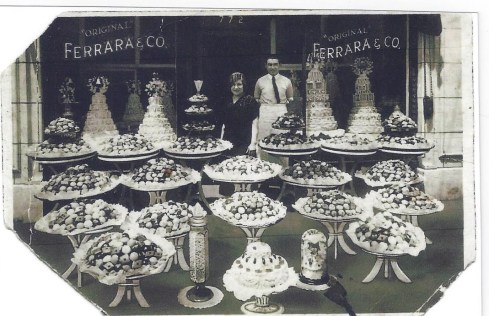
Questo mi ha portato a ricercare e condividere qualcosa in più su mio nonno materno, Salvatore Ferrara, che ha aperto una pasticceria al dettaglio nella sezione Little Italy di Chicago nei primi anni del 1900.
Salvatore Ferrara (r) C.1908
La pasticceria produceva dolci italiani, grandi torte nuziali e mandorle ricoperte di zucchero, o coriandoli, che Salvatore aveva imparato a fare in Italia. Quando le vendite di caramelle hanno superato i pasticcini, ha lasciato la moglie per dirigere il forno e alla fine ha lanciato la Ferrara Pan Candy Company. Nel 2017 il Gruppo Ferrero, produttore di Nutella e il secondo produttore di cioccolato e azienda dolciaria al mondo, ha acquistato la Ferrara Candy Company.
Per non essere superata dagli uomini, mia nonna materna, Serafina Ferrara, divenne una dinamica personalità imprenditoriale e filantropo.
Serafina Ferrara and brother
A differenza di miei nonni, ho avuto la fortuna di conoscerla tra i 20 anni. Oltre a gestire la panetteria, ha aperto due delle prime sale per banchetti di Chicago, il Chateau Royale e il maniero di Ferrara. Ha anche dedicato un tempo significativo a cause caritatevoli e civili. Era conosciuta come “L’angelo di Halsted Street” per la sua infinita generosità verso i meno fortunati. Nel 1956, fu nominata nonna nazionale dell’anno insieme a Ed Sullivan come nonno dell’anno. Lo stesso anno, fu decorata dal Governo italiano per aver contribuito a cementare le relazioni italo-americane: i suoi numerosi successi nella vita sono stati inseriti nel record congressuale della Camera dei Rappresentanti degli Stati Uniti dall’onorevole Frank Annunzio nel 1972.
Nel corso del tempo, ho potuto vedere gli ingranaggi girare nella testa del nostro buon amico Carlo. Era incuriosito, non solo per la storia di questi immigrati italiani che hanno realizzato così tanto in America, ma che le due famiglie erano unite dal matrimonio di mia madre, Benita Ferrara, e di mio padre, Bill Capraro. Carlo è stato anche colpito dalla decisione di Len e dalla mia decisione di immergerci completamente nella storia e nella cultura dei nostri antenati, nonché di ricercare e condividere le nostre storie. Sapevo che aveva iniziato a parlare con gli altri, ma mai fino a che punto.
Avanti veloce alla scorsa settimana e l’invito.
A cena mercoledì sera, abbiamo incontrato Massimo Lucidi (di fronte a me) per la prima volta, sebbene fosse stato ben informato. Prima che la serata fosse finita, mi aveva invitato a partecipare a un panel la mattina successiva.
All’improvviso, sono stato sul palco con un membro del parlamento, un colonnello dei carabinieri, il Presidente di Rai Cinema e Massimo Lucidi, tutti che recitano ruoli significativi e vari nella promozione del cinema e delle arti legate alla storia e alla cultura dell’Italia in un palcoscenico internazionale.
Il mio ruolo è stato quello di condividere una breve storia (in italiano, ovviamente!) Dei miei nonni, tutti immigrati italiani e dei contributi che hanno fatto in America. E perché così tanto interesse? Come è stato sottolineato durante il panel, ci sono così tante storie meravigliose di immigrati italiani che non vengono mai ascoltate e mai raccontate, ed è la sfida di coloro che sono coinvolti in tutti i tipi di media a cercare tali storie.
Nella sala c’erano produttori, registi, attori, scrittori e giornalisti, e molti furono riconosciuti per il loro lavoro.
E poi, alla conclusione del panel, è arrivata la nostra incredibile sorpresa e il nostro straordinario onore – Len ed io siamo stati riconosciuti dal Comitato Esecutivo del Premio Eccellenza come segue:
Per la storia di straordinario impegno, passione e stile, siamo lieti di premiare Judy e Leonard Gingerella Ambasciatori della storia italiana dell’emigrazione
La cerimonia di premiazione effettiva si terrà a Washington DC in ottobre, ma poiché non saremo disponibili, ci è stato assegnato il nostro premio in anticipo. Ed è per questo che siamo stati invitati a Venezia.
Dopo l’evento, Massimo ha condotto un’intervista con me e Carlo, disponibile su YouTube. https://youtu.be/Ikif5iup2mY
E il colonnello Anania ha presentato un libro all’onorevole Nicola Acunzo di Francesco Attesti, Consigliere culturale di Cortona.
Len ed io saremo per sempre grati a Massimo, Orazio, Carlo ea tutti coloro che vedono valore nel condividere il passato e sono impegnati a mantenere vive le storie. Grazie mille, grazie! Il nostro tempo trascorso insieme al 76 ° Festival Internazionale del Cinema di Venezia sarà qualcosa che apprezzeremo per sempre.
Soprattutto, la mia sincera gratitudine verso i miei nonni e bisnonni per avere il coraggio di lasciarsi alle spalle il noto, cercare opportunità in America e creare eredità straordinarie. Sarò sempre sbalordito e anche ispirato dai loro successi. Come loro nipote, sono così orgoglioso di poter condividere le loro storie.
Su una nota profetica … a fine luglio, la nostra famiglia allargata si è riunita a Chicago per una settimana. Una notte attorno a una grande tavola rotonda, ci hanno chiesto ciascuno di completare la seguente frase:
“Sono un 10 a _________.”
Ho riflettuto, non sono sicuro della mia risposta, e poi a mia volta, la parola è semplicemente saltata fuori: RICERCA.
Non avrei mai immaginato che la mia ricerca mi avrebbe portato in questo incredibile viaggio.
Resta sintonizzato: potrebbe esserci ancora qualcosa in arrivo.
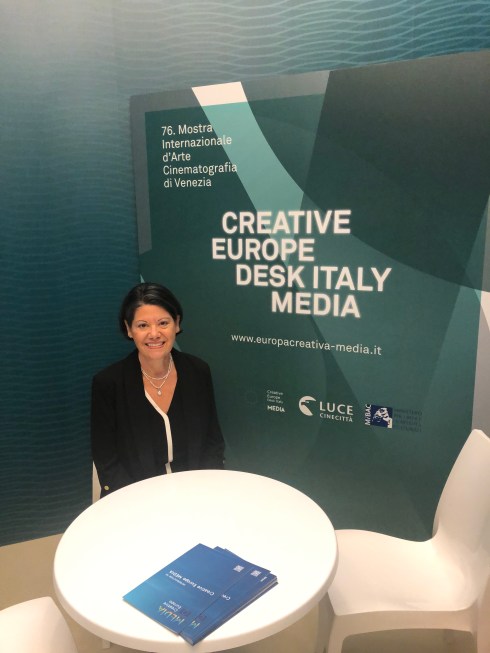
Two weeks ago, and most unexpectedly, we received an invitation to attend the 76th Venice International Film Festival, guests of Prof. Dr. Massimo Lucidi, economic journalist, author, and founder of numerous international events such as the Premio Eccellenza or Italian Excellence Award.
The festival is held on Venice Lido and our meeting was at the Hotel Excelsior. Per their website: “This extraordinary creation opened to great acclaim on 21st July 1908, with a lavish ocean-front party for over 3,000 guests. It rapidly became a haven for the elite, film stars and royalty.”
In 1932, Hotel Excelsior Venice Lido Resort welcomed the first ever Venice Film Festival and is now the official venue of this world-famous event.
The meeting we participated in was titled “Cinema and Web.” It focused on the relationship between the emotion and seduction of cinema and today’s digital opportunities to preserve and share history and culture.
But why us? A bit of history required here…
Len and I, both with Italian origins, always had a dream and goal to spend significant time in Italy. Since 2001, with our trip to Calabria to find Len’s grandparents’ records, we’ve continued the research of our ancestral homes and visited most. Once we retired, and wanting to truly experience the country of our ancestors, we chose the ancient and beautiful town of Cortona in Tuscany.
For us, it was the perfect size and setting to give us a central base from which to travel, to truly interact with locals, and to absorb the culture of our ancestors as we became immersed in daily Italian living. Little could we have imagined the great friendships we would make.
Growing up, Len and I were both very fortunate to be surrounded by large extended Italian families. Each of our lives was filled with fun Italian traditions, large family gatherings and love.
In my family, there were 10 grandchildren on each side. And while we knew of our grandparents’ accomplishments, it wasn’t as if they talked about themselves. For us, they were typical and fun grandparents who worked hard and loved their grandchildren dearly.
As a result, my ancestral fascination truly began many years later when I started researching my paternal grandfather, Alex Capraro.
He left Pietrabbondante in Abruzzo at age four and emigrated with his young parents to America where he eventually became the first licensed Italian-American architect in Illinois. In the early 1930’s, he was appointed chief architect by the Italian Government for the Italian Pavilion at the 1933 Century of Progress Fair in Chicago. Although he passed away when I was five, my grandmother kept many of his letters and documents. Eventually, these were passed on to me. In due time, I was able to piece together so much of who he was and what he had accomplished in his life, as documented in my blog series: Through His Words: Reflections From and About My Grandfather.
Alex’s story generated interest, not only with my family members, but also with many Italian friends.
This led me to research and share more about my maternal grandfather, Salvatore Ferrara, who opened a retail pastry and candy shop in the Little Italy section of Chicago in the early 1900s.
Salvatore Ferrara (r) C.1908
The bakery produced Italian pastries, large wedding cakes, and the sugarcoated almonds, or confetti, that Salvatore had learned to make in Italy. When candy sales surpassed pastries, he left his wife to run the bakery and eventually launched the Ferrara Pan Candy Company. In 2017, the Ferrero Group, maker of Nutella and the second largest chocolate producer and confectionery company in the world, purchased the Ferrara Candy Company.
Not to be outdone by the men, my maternal grandmother, Serafina Ferrara, became a dynamic business personality and philanthropist.
Serafina Ferrara and brother
Unlike my grandfathers, I had the good fortune to know her into my 20s. In addition to running the bakery, she opened two of Chicago’s first banquet halls, the Chateau Royale and Ferrara Manor. She also devoted significant time to charitable and civic causes. She was known as “The Angel of Halsted Street” for her unending generosity to those less fortunate. In 1956, she was named national grandmother of the year along with Ed Sullivan as grandfather of the year. The same year, she was decorated by the Italian government for helping to cement Italo-American relations. Her many life accomplishments were entered into the U.S. House of Representatives Congressional record by the Honorable Frank Annunzio in 1972.
Over time, I could see the gears turning in our good friend Carlo’s head. He was intrigued, not only about the story of these Italian immigrants who accomplished so much in America, but that the two families were united though the marriage of my mother, Benita Ferrara, and my dad, Bill Capraro. Carlo was also struck by Len’s and my decision to fully immerse ourselves in the history and culture of our ancestors, as well as research and share our stories. I knew he had begun talking to others, but never quite to what extent.
Fast forward to last week, and the invitation.
At dinner Wednesday night, we met Massimo Lucidi (across from me) for the first time, although he had been well briefed. Before the evening was over, he had invited me to join a panel the next morning.
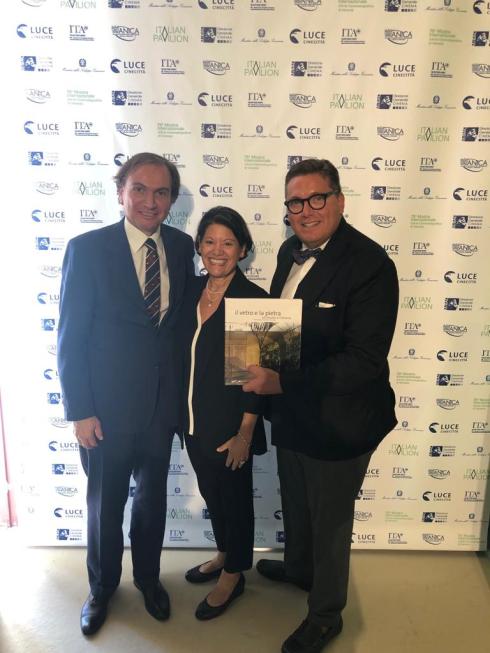
Suddenly, I was on stage with a parliamentary member, a carabinieri colonel, the president of Rai Cinema, and Massimo Lucidi, all who play significant and varied roles in the promotion of film and the arts related to the history and culture of Italy on an international stage.
My role was to share a brief history (in Italian, of course!) of my grandparents, all Italian immigrants, and the contributions they made in America. And why so much interest? As was pointed out during the panel, there are so many wonderful stories of Italian immigrants that are never heard, and never told, and it is the challenge of those involved in all types of media to seek out such stories.
In the room were producers, directors, actors, writers and journalists, and several were recognized for their work.
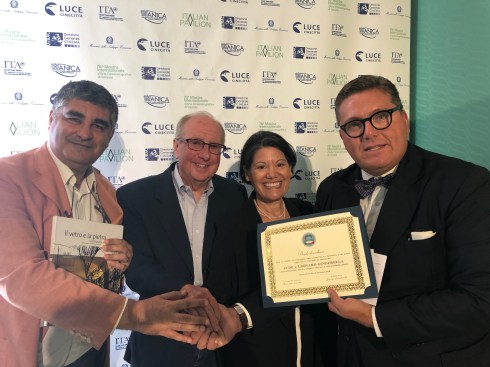
And then, at the conclusion of the panel, came our incredible surprise and amazing honor – Len and I were recognized by the Executive Committee of Premio Eccellenza as follows:
For the history of extraordinary commitment, passion and style, we are pleased to award Judy and Leonard Gingerella Ambassadors of the Italian History of Emigration
The actual award ceremony will be held in Washington DC in October, but since we won’t be available, we were given our award in advance. And that is why we were invited to Venice.
After the event, Massimo conducted an interview with Carlo and me which is available on YouTube. https://youtu.be/Ikif5iup2mY
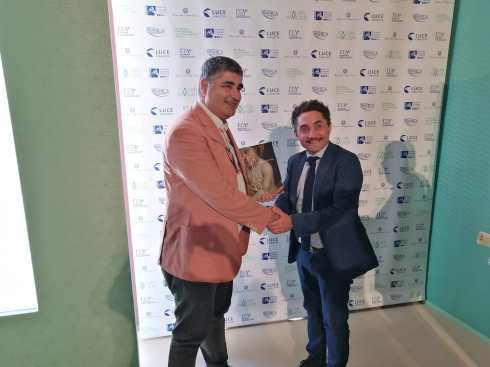
And Colonel Anania presented a book to Honorable Nicola Acunzo from Francesco Attesti, the Cortona Cultural Councilor.
Len and I will be forever grateful to Massimo, Orazio, Carlo and all those who see value in sharing the past and are committed to keeping the stories alive. Grazie mille, thank you! Our time spent together at the 76th Venice International Film Festival will be something we’ll cherish forever.
Most of all, my heartfelt gratitude to my grandparents and great grandparents for having the courage to leave the known behind, seek opportunity in America, and create extraordinary legacies. I will always be in awe and also inspired by their accomplishments. As their granddaughter, I am so proud to be able to share their stories.
On a prophetic footnote… in late July, our extended family gathered in Chicago for a week. One night around a large round table, we were each asked to complete the following sentence:
“I am a 10 at _________.”
I pondered, not sure of my response, and then at my turn, the word just popped out – RESEARCHING.
Little could I have ever imagined that my research would take me on this incredible journey.
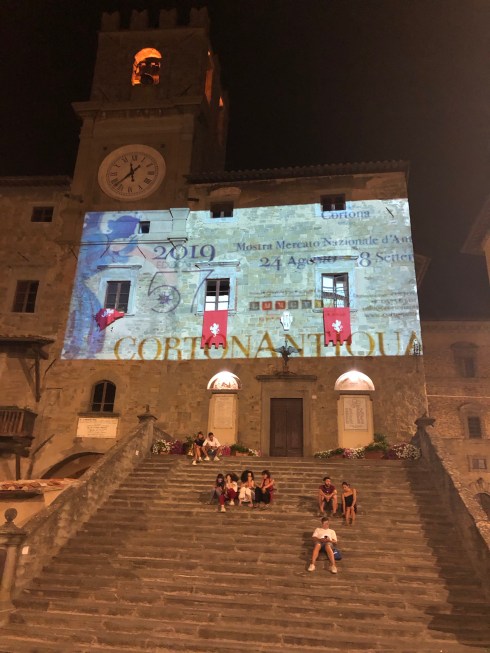
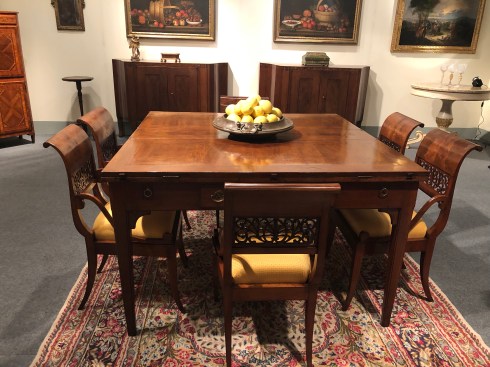
Since 1963, Cortona has been the host city of the national antique market knows as Cortonantiquaria, held in the rooms and hallways of the beautiful 18th century Palazzo Vagnotti.
For two weeks beginning August 24, exhibitors throughout Italy display a variety of certified antiques including paintings, china, jewelry, statuary and furniture.
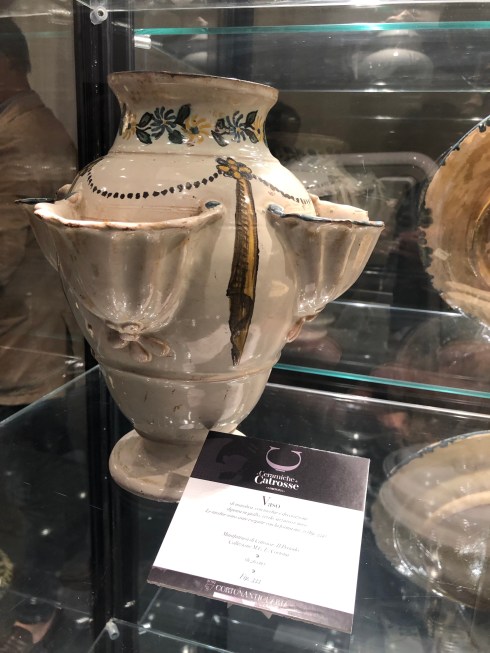
A very special exhibit this year is Catrosse Ceramiche. I had no idea that from 1796-1910, the noble Venuti family was responsible for bringing techniques learned in other parts of Italy to a new porcelain production facility near Cortona.
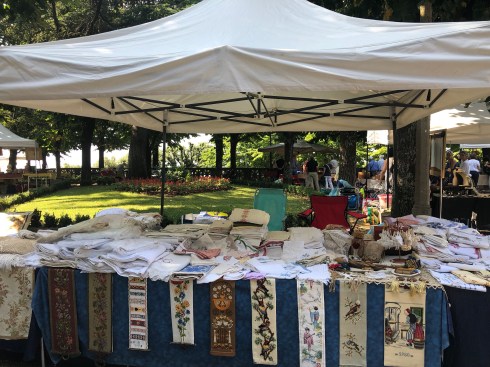
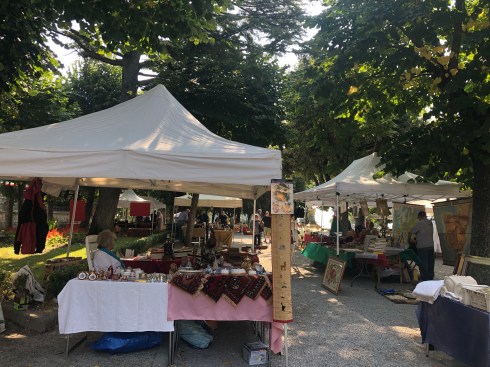
The last Sunday of each month brings the traveling antique market to Cortona. Unlike the one in the Palazzo, this one is held in the piazzas or parterre (park) and is filled with a lot of old (lovely and not), interesting and/or odd things. As I wander the stalls, I am reminded of the saying: One man’s trash is another man’s treasure, or so the vendors hope. But it’s always fun to wander.
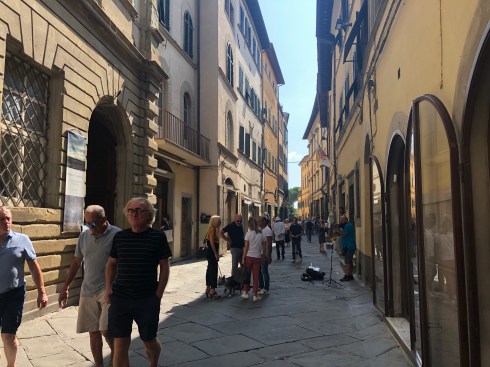
Sunday is also a great day for strolling, as everyone seems to be smiling and saying Buona Domenica, or Good Sunday, as you pass. And it’s easy to feel good when listening to a talented violinist,
In Italy, August 15 is both a national holiday, Ferragosto, as well as a religious one, Feast of the Assumption. For many Italians, it is also the unofficial beginning of the summer holiday season. Parts of Italy effectively shut down until September, as people head to the lakes, countryside or a coast, or to towns like Cortona which are filled with events.
Since I can’t say this very often, I need to share that our trip over was incredibly smooth. Flying time was only 8.11 hours and touch down to gate took less than five minutes.
Although May was cold and rainy, warm sun and sufficient rain since then have made for vibrant green colors, strong vegetables and very huge and happy sunflowers.
The next night, Fernanda had us over for dinner. We tried hard to convince her we should go out, but she insisted and treated us to a delicious aperitivo spread including her homemade liver pate. This was followed by roasted pepper risotto, and then stuffed zucchini from the garden and meatballs. Dessert was gelato topped with her homemade cherry sauce. We ate al fresco and my phone was inside, so no photos except one group selfie.
When we got back to town, a big band was still playing in the piazza.
The next day, Len and I had a Tuscher Sunday, although it was only Saturday. After a long walk, we stopped by for a mid day vino. A bit later, a first old friend stopped by, then another, and so on, until eventually a few of us went to dinner.
And that’s how it goes in Cortona… Food, Friends and Fun. Repeat.
Should you miss one sagra, there’s another right behind. Out with the bistecca on Friday and in with the Porcini on Saturday, although we opted out. Enough sagras for one weekend.
Accolades and condolences are abundant in Italy as the famed Commissario Montalbano author, Andrea Calogero Camilleri, director and author, passed away today at age 93.
Wikipedia, Andrea Camilleri c 2010
You may recall that last year in Sicily, Len and I spent a 10-hour day touring many famous Montalbano filming sites throughout Sicily. We have read many of the books and seen all of the movies, in Italian with English subtitles. Until today, I had always wondered why it was fairly easy for me to understand them, given what I’ve always heard about the Sicilian dialect. But now I know. According to John Hooper’s Obituary in The Guardian, “they are written in a language of the author’s creation: a blend of standard Italian with Sicilian dialect.”https://www.theguardian.com/books/2019/jul/17/andrea-camilleri-obituary-inspector-montalbano?CMP=share_btn_link
And although he had been a successful theatre director, TV producer, playwright and novelist, Camilleri didn’t start publishing his detective series until nearly 70 years of age. Amazingly, he sold more than 10 million books which were translated into 30+ languages, with the adapted tv series running in over 20 countries.
According to Mark Lawson of The Guardian: “[Camilleri] considered it his duty to speak out against the dark politics by which his country was often seduced, regularly appearing as a pundit on Italian TV shows where he was torrentially opinionated, intelligent and witty.”
Also, according to Lawson, (a spoiler alert): “There will be at least one more novel. In our interview, he told me that – as Agatha Christie did with Hercule Poirot in Curtain – he had deposited with his publisher Riccardino, a final novel in which Montalbano is “finished off” that was to only be published posthumously. It should be a fitting epitaph to one of the latest, but greatest, careers in crime writing.” https://www.theguardian.com/books/booksblog/2019/jul/17/andrea-camilleri-late-but-great-career-in-writing-inspector-montalbano
Finally, some thoughts from Luca Zingaretti, the actor who brought Commissario Montalbano to the screen, on his working with Andrea Camilleri:
“I learned that the value of people has nothing to do with what they earn, with the positions they hold, with titles that adorn their surname: they are evaluated for what they are.”
“Now you leave and leave me with an unbridgeable sense of emptiness, but I know that every time I say, even alone, in my head, “Montalbano I am!”, wherever you have gone you smile slyly, perhaps smoking your cigarette and winking at me as a sign of understanding, like the last time we met in Syracuse.Goodbye master and friend, let the earth be light to you!
Your Luca
And so Camilleri leaves us, but not without a legacy that will last long beyond his years.
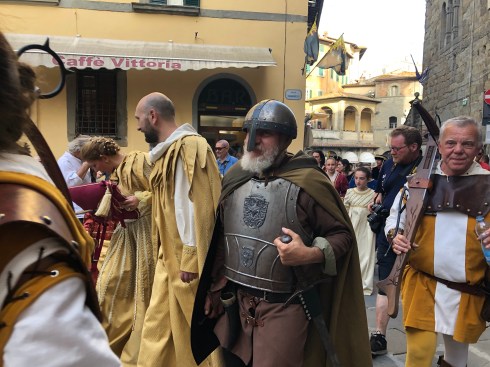
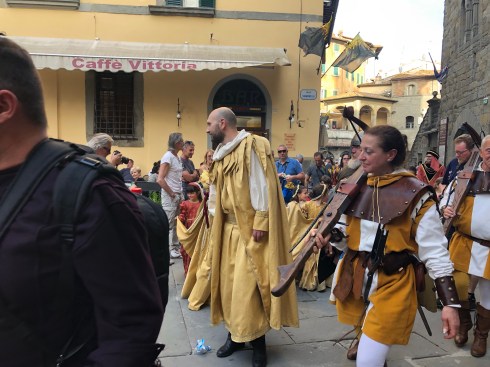
Our last weekend in Cortona was filled with traditional Medieval customs, celebrated annually by the locals.
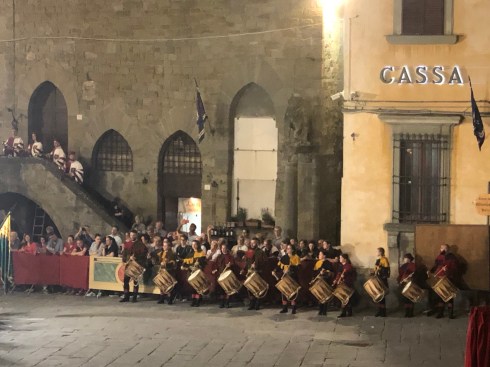
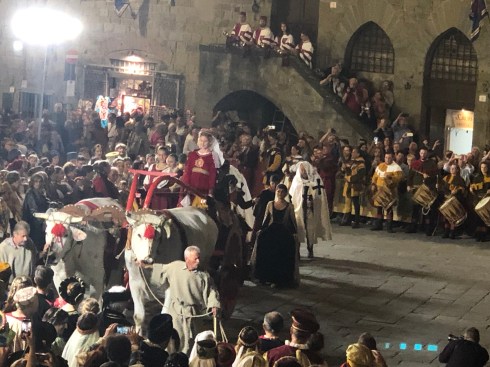
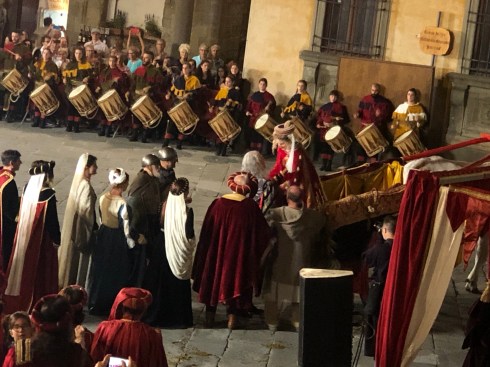
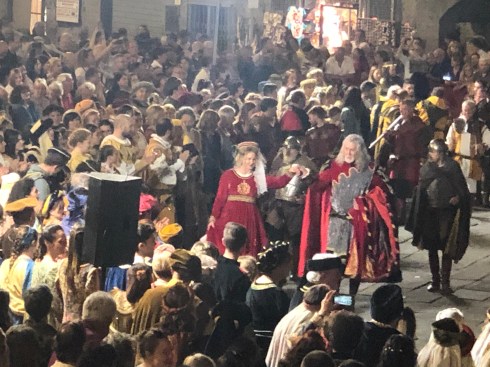
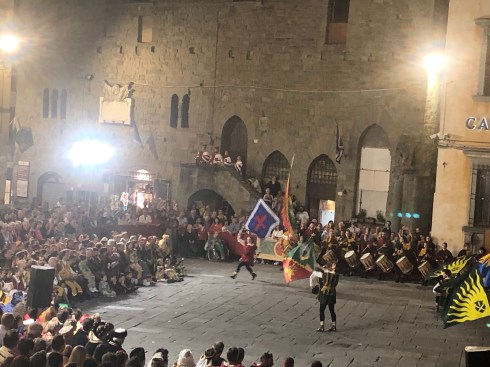
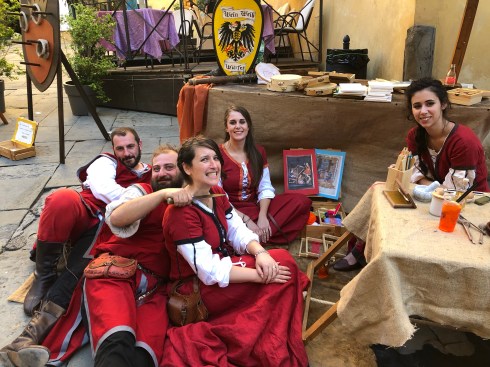
Saturday evening, the town reenacted the 1397 marriage of Francesco Casali, Lord of Cortona, to Antonia Salimbeni, a noble woman of Siena, complete with flag-throwers, musicians, and a drawing for the shooting order for Sunday’s crossbow competition.
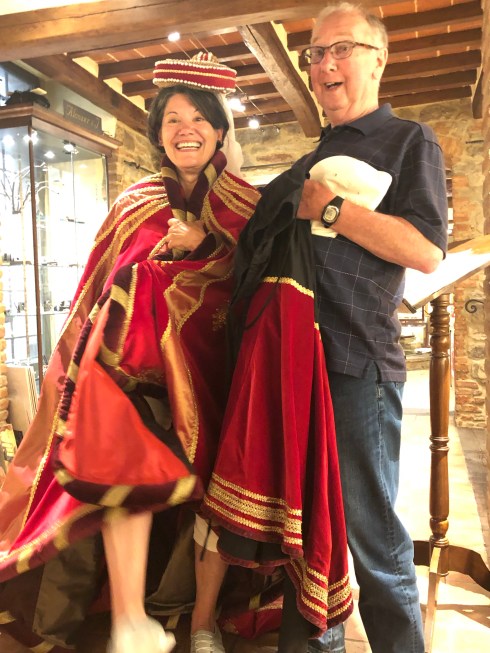
But let’s step back for a moment. Our great friend, Ivan, (Il Pozzo Galleria) has acted in the role of Francesco for as long as anyone can remember, along with his daughter, Marta, who annually serves as the lovely Antonia. We stopped in to see Ivan midday and were fortunate enough to experience not only the intricate detail of their costumes but also the weight.
It’s hard to describe the beautiful detail, complexity and weight of these costumes, and true to form, the evening would be the hottest of the year! I was sweating just thinking about it. But on to the evening…
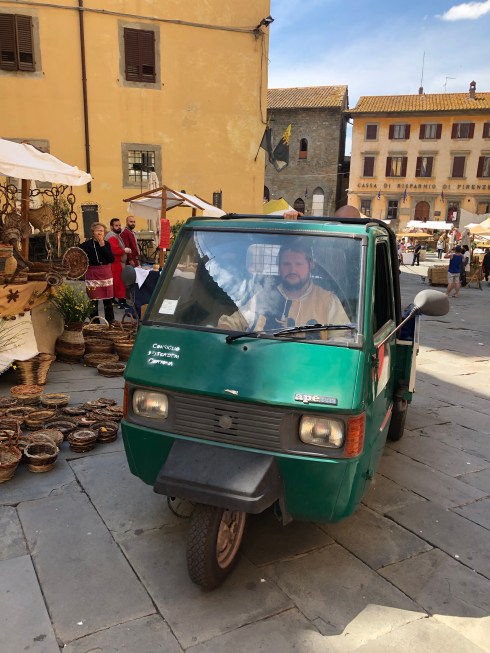
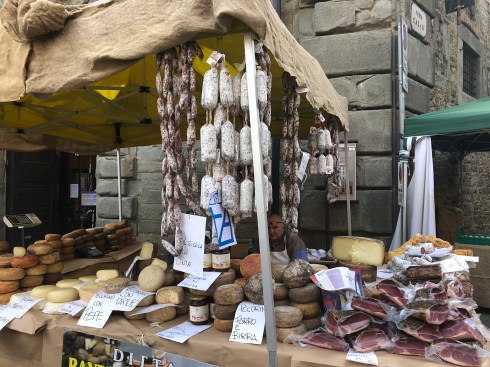
June arrived in Cortona and brought along not only warm sunny weather but also the first of several annual summer festivals. Last weekend was the Medieval Market filled with games, costumes, food, shops and entertainment. Here’a a sampling…
For the last four days, Len and I have been housebound. Seems as though we succumbed to the Italian “colpo d’aria” or a “hit of air” to our eyes, nose, or ears. In simple terms, we each got a very bad combination of cold, bronchitis, and cough. The other culprit, as the Italians would say, is the weather, and I’d agree. Hard to believe it is May and on some days, we are still wearing down jackets or vests and heavy scarves. But enough already as there is always a bright side.
Each of the last four days, we have received calls and messages from friends checking in to see how we are doing, offering to shop or cook for us, or dropping things at our front door. Seriously, the kindness is almost overwhelming. And today, since the sun was finally shining brightly, Fernanda insisted we go to her house in the country so she could cook for us as we sat in the sun. How could we resist?
The sun was shining brightly, lunch was delicious, and the vistas were spectacular,
The Italians have a phrase for all of this as well…
L’aria di campagna, la salute ci guadagna… country air equals health benefits.
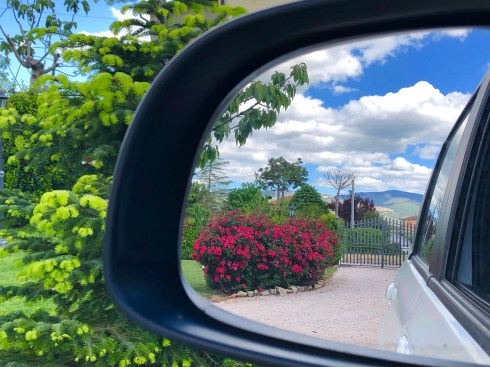
The day was just what a doctor might have ordered. Even as we were leaving, I couldn’t believe the view in my rear view mirror. And yes, tonight we are definitely feeling better.
In Italy, there is a sight commonly found in smaller towns – men sitting on benches, or standing in small groups, discussing everything from local politics to international sports events. Meanwhile, their wives are shopping, visiting, cooking, cleaning, etc. What they all have in common is the phrase: Siamo in pensione, or, we are retired.
We, too, take this retirement thing seriously. Take productive relaxation for example, not an oxymoron but instead an art.
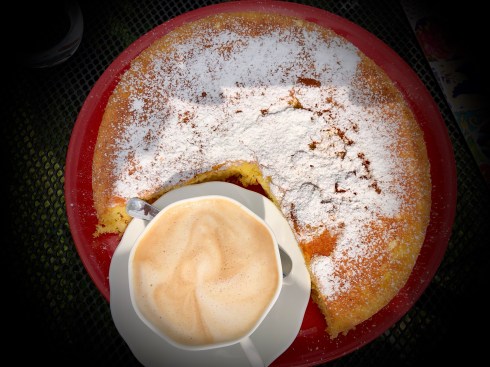
Fernanda had today off, so our day began in her garden where she prepared breakfast – her delicious yogurt cake and cappuccino.
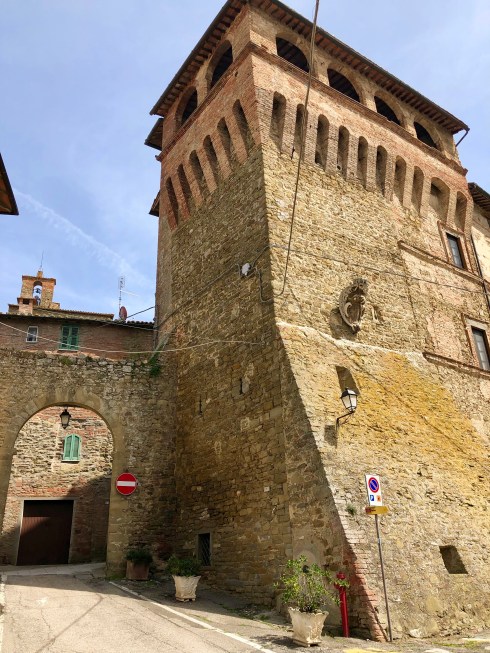
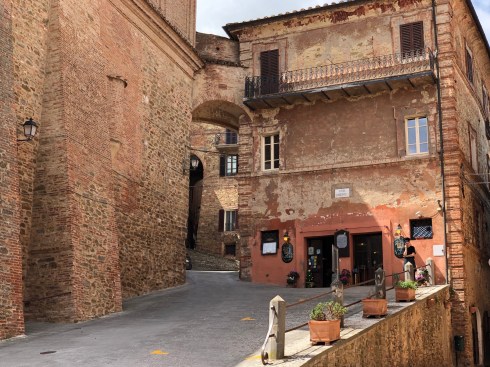
After enjoying the sunshine and planning for our vegetable garden, we drove to Panicale, one of our favorite little borgos about 45 minutes from Cortona, and a first visit for Fernanda.
In 2018, Panicale, in Umbria, was listed as one of Italy’s most beautiful villages.
Why nine zucchini, you might ask? Well, last year, we had an ever-lasting supply of zucchini flowers, (actually too much of a good thing!) and very few zucchini, so Len did some research. Apparently, zucchini should be planted in “hills” of three plants, close together. This is because when the plants flower, they produce both masculine and feminine flowers, and apparently, they need to do their thing “nature-ly” (cross-pollinate) to produce zucchini! Who knew???
























































 Blogging In Italy