Archive | Italian Hospitality RSS feed for this section

Pizza Competition

8 Nov

For weeks, Fernanda and Len have been discussing and debating their pizza recipes.

  • Flour: O or OO
  • Yeast: Dry or Fresh
  • Essential toppings
  • Number of kneading times
  • Mozzarella: wet or dry
  • Thickness of dough
  • And so on.

How to resolve? A friendly pizza competition would be held and Carlo and I would be the judges. I know, I know, two judges does not make for a legitimate panel, but we weren’t complaining.

Fernanda and Len each shopped and then made their dough (pasta in Italian) separately, then came together for the preparation.

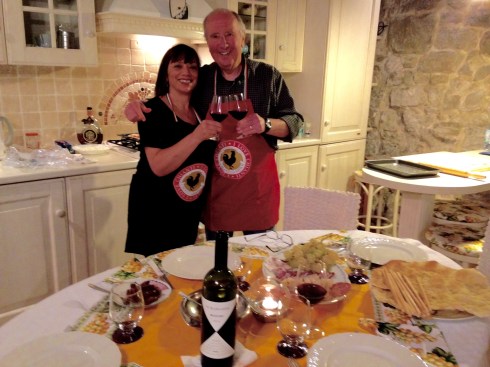
To add to the fun, I purchased an apron for each of them.

Who won?

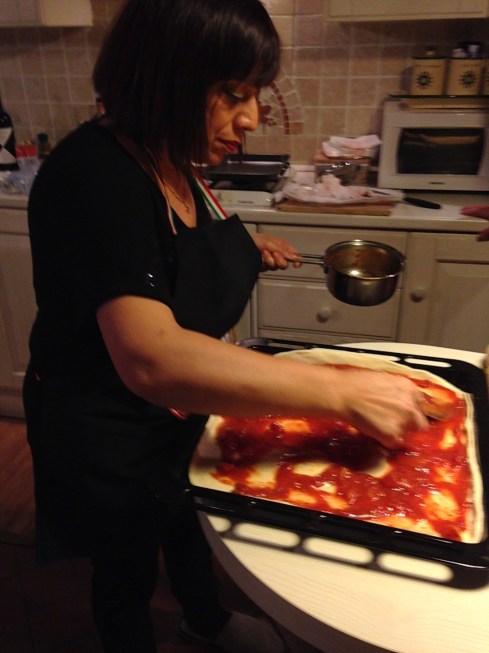
Len preparing his toppings:

©Blogginginitaly.com

©Blogginginitaly.com

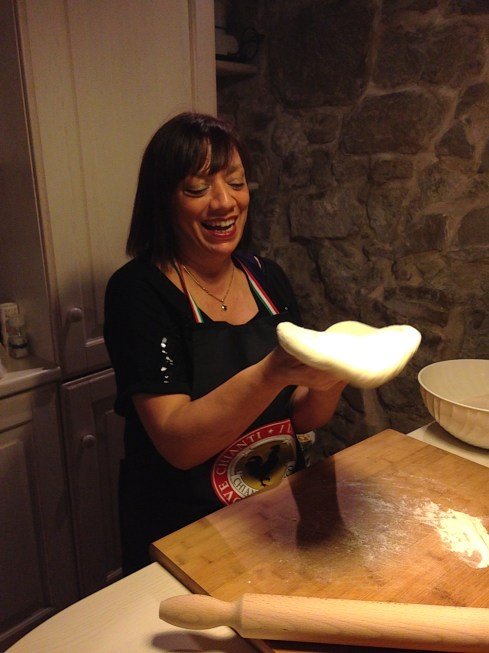
Fernanda working her dough:

©Blogginginitaly.com

©Blogginginitaly.com

And after several long hours of anticipation, they were ready.

©Blogginginitaly.com

©Blogginginitaly.com

Time for rolling:

©Blogginginitaly.com

©Blogginginitaly.com

©Blogginginitaly.com

©Blogginginitaly.com

Then adding the toppings:

©Blogginginitaly.com

©Blogginginitaly.com

©Blogginginitaly.com

©Blogginginitaly.com

Fernanda’s delicious pizza, out of the oven:

©Blogginginitaly.com

©Blogginginitaly.com

Len’s delicious pizza, out of the oven:

©Blogginginitaly.com

©Blogginginitaly.com

Carlo and I, being fairly smart people, deemed it a tie! And actually, Carlo and I were the winners because they cooked and we ate.

©Blogginginitaly.com

©Blogginginitaly.com

Antipasto, vino rosso, and homemade pizza – what a great way to spend an evening with friends. And yes, they are already planning for next year’s competition.

Ciao,
Judy

From Olives to Oil: the Frantoio

21 Oct

When I left off last, things looked like this.

©Blogginginitaly.com

©Blogginginitaly.com

Olive picking was complete and it was time to take the olives to the frantoio, or oil mill.

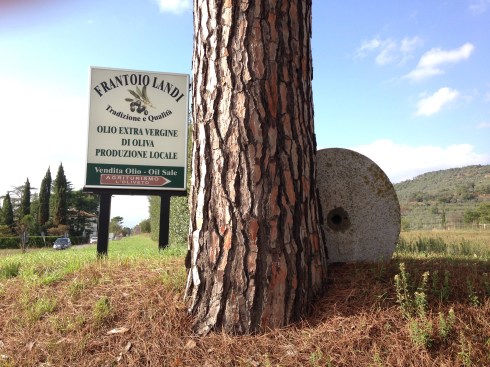
Niccolo and Edoardo loaded their family’s olives into their car and we drove a short distance to the beautiful Frantoio Landi,

©Blogginginitaly.com

©Blogginginitaly.com

a frantoio that has been in the family for years.

IMG_8927

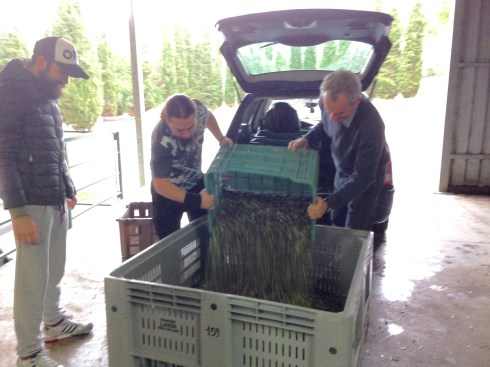
Here we were met by Massimo, the owner, who helped “pour” the olives into one of the mill’s standard sized containers.

©Blogginginitaly.com

©Blogginginitaly.com

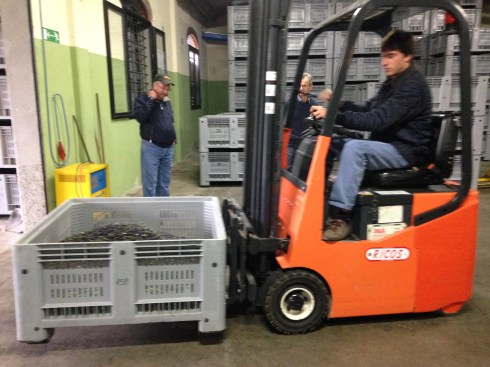
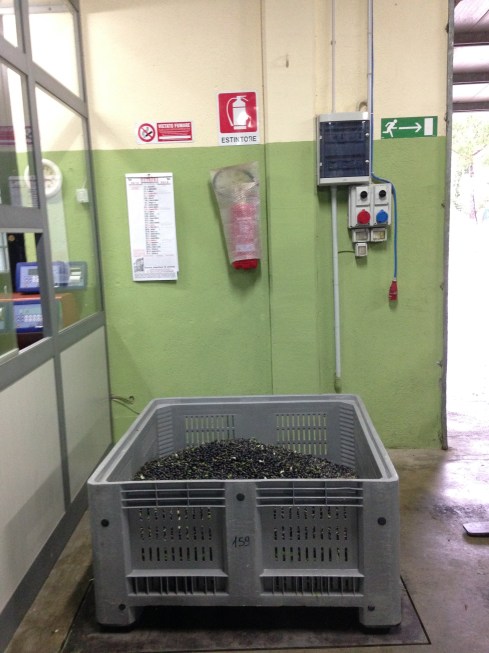
Next, the olives were moved to a large scale to be weighed.

©Blogginginitaly.com

©Blogginginitaly.com

©Blogginginitaly.com

©Blogginginitaly.com

Grand total we picked: 148.5 kg.

©Blogginginitaly.com

©Blogginginitaly.com

The minimum weight needed to process is 300 kg, so the Olivieri olives would be combined with those of two friends. In the meantime, Lorenzo, one of the sons, patiently gave us a tour and explanation of the harvesting process before it would begin the next day.

©Blogginginitaly.com

©Blogginginitaly.com

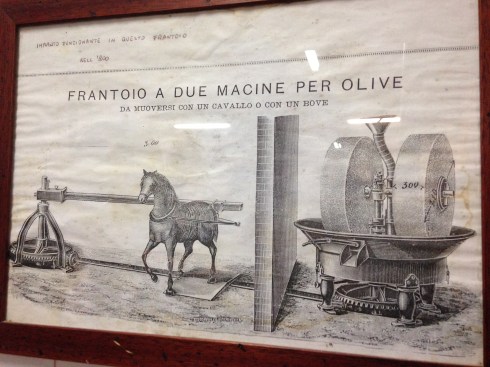
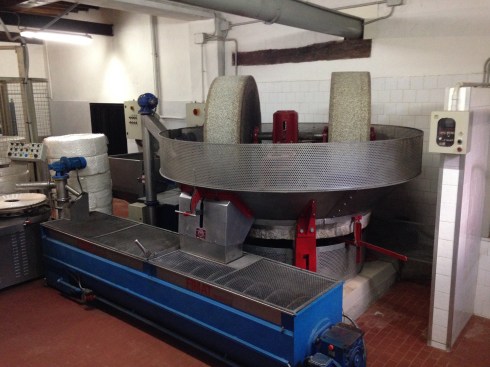
Years ago, horses or oxen were used to turn the grinding wheels.

©Blogginginitaly.com

©Blogginginitaly.com

The old grinding wheels are still available at the frantoio and are sometimes used based on demand. Olives in Tuscany are usually harvested during October and November, depending on weather, so there can be a huge demand during a very short period of the year.

©Blogginginitaly.com

©Blogginginitaly.com

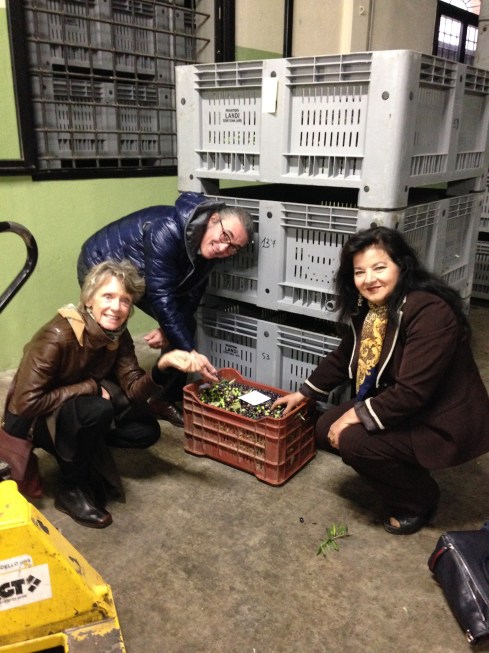
Time to begin the process. The olives we picked are combined with two others to achieve the minimum weight. When you look at the faces of the growers, you can see the pride they have in their olives and sense their anticipation.

©Blogginginitaly.com

©Blogginginitaly.com

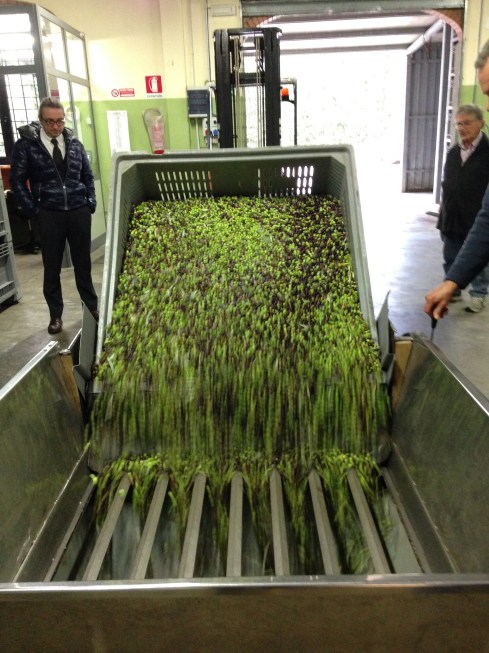
The combined olives are dropped into a large hopper

©Blogginginitaly.com

©Blogginginitaly.com

where the olives are carried on a ladder conveyor to the washer.

©Blogginginitaly.com

©Blogginginitaly.com

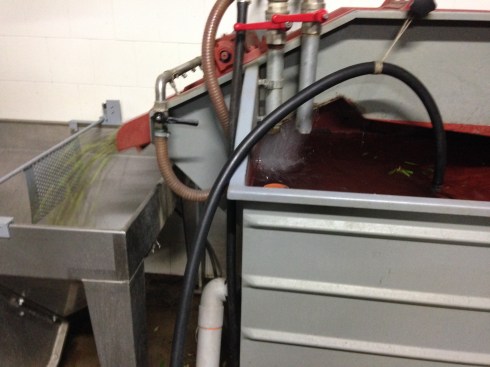
During the washing process, leaves and stems are removed, and are sent via a pipe to an outside holding  container. Nothing goes to waste in the process.

©Blogginginitaly.com

©Blogginginitaly.com

The washed olives are moved to another hopper

©Blogginginitaly.com

©Blogginginitaly.com

©Blogginginitaly.com

©Blogginginitaly.com

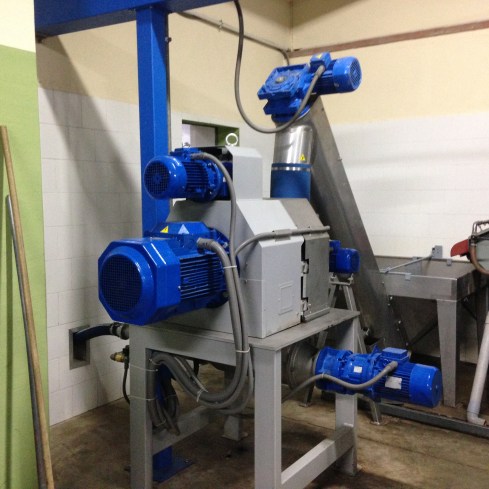
and then into a grinding/crushing machine, or martellatura.

©Blogginginitaly.com

©Blogginginitaly.com

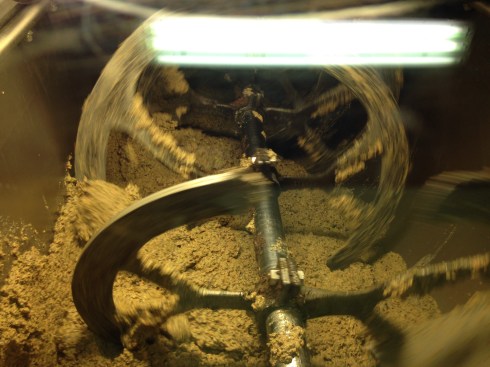
Here the olives and pits are crushed into an olive paste, which is pumped into a mixing machine.

©Blogginginitaly.com

©Blogginginitaly.com

The olive paste is mixed slowly for 45 minutes. This is the first instance we could smell the wonderful olive oil fragrance.

©Blogginginitaly.com

©Blogginginitaly.com

The next step is the pressing, where a centrifuge spins the mixture at high speeds and separates the mixture into three parts: oil, water and pomace and the pomace is removed.

©Blogginginitaly.com

©Blogginginitaly.com

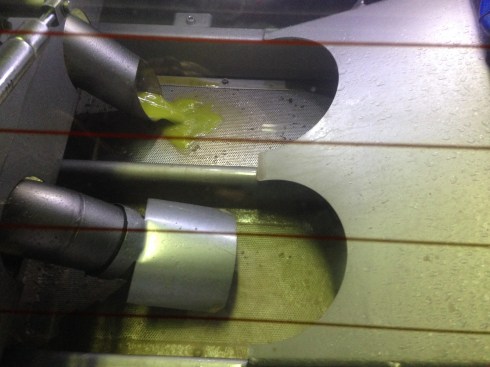
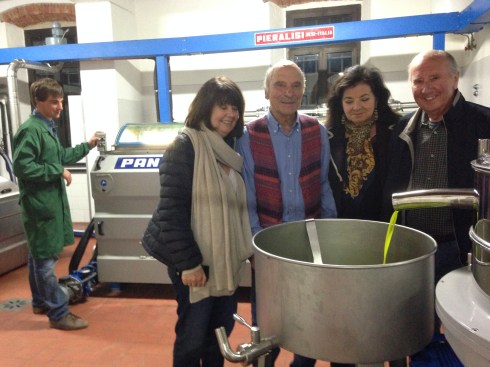
The heavier water is then removed in a second centrifuge. And then, the unfiltered extra-virgin olive oil moves through a tube and suddenly begins to pour out into a stainless steel container.

©Blogginginitaly.com

©Blogginginitaly.com

It is quite an amazing sight!

©Blogginginitaly.com

©Blogginginitaly.com

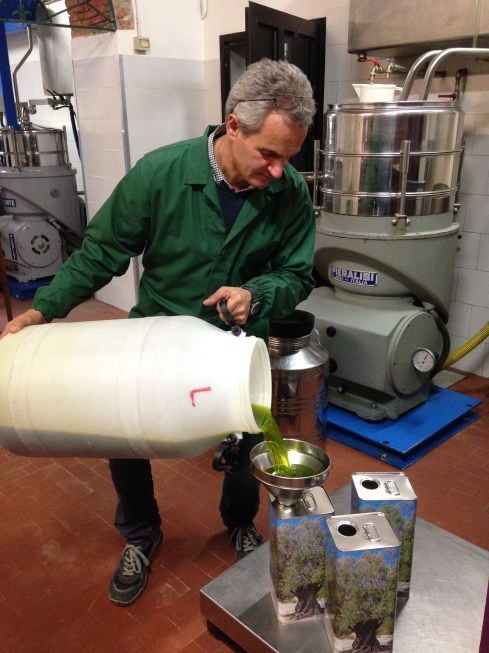
When the oil has stopped flowing, it is carefully measured and divided into containers for the growers.

©Blogginginitaly.com

©Blogginginitaly.com

©Blogginginitaly.com

©Blogginginitaly.com

Smiles abound and all are eager to sample the results.

©Blogginginitaly.com

©Blogginginitaly.com

©Blogginginitaly.com

©Blogginginitaly.com

©Blogginginitaly.com

©Blogginginitaly.com

Being in Italy in the fall has given us some incredible new experiences, and participating in an olive harvest has been one of our very best. Hopefully my description of the process, with a great deal of help from Len, is pretty accurate. What we know for certain is that picking the olives was wonderful, and being able to watch them move through the process to the final product was sensational.  And of course, as you might guess, there is nothing quite like the taste and flavor of olio nuovo – the new oil. From olives to oil – nature at its very best.

Ciao,

Judy


Olive Harvest in Cortona

14 Oct

Olive harvesting for many in Italy is a family affair. Italian families love their gardens and harvest their olives, like their fruits and vegetables, for their own consumption. Their olives are usually harvested by hand, producing a better quality oil.

Ancient olive trees are among the heartiest of trees – they grow well in most soils and some have born fruit for centuries. The trees even retain their green leaves year round.

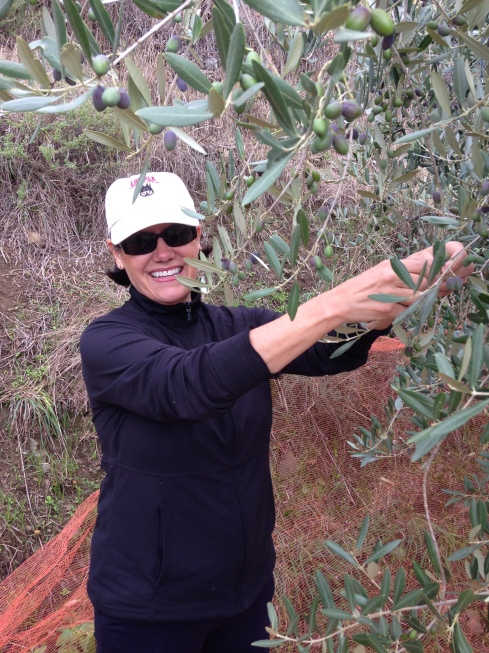
Although I have walked by them for years, yesterday I finally came face to face with the first trees I would pick.
©Blogginginitaly.com

©Blogginginitaly.com

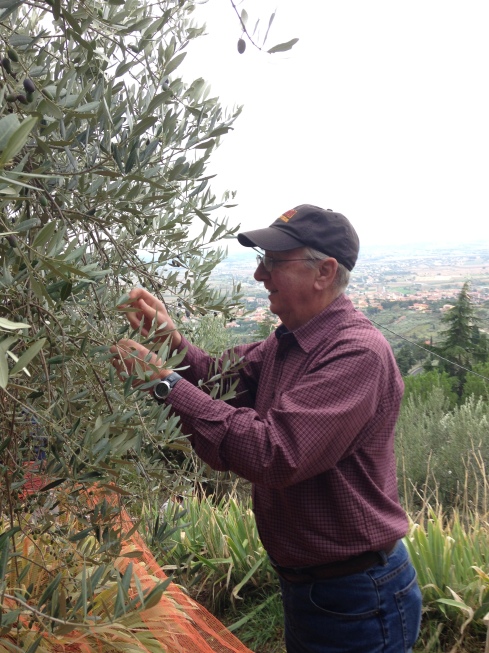
Our friends Massimo and Daniela, and their sons Niccolo and Edoardo, have about 14 trees that were ready for harvesting. With only a handful of pickers, this was a two-day project. Len picked both days,
©Blogginginitaly.com

©Blogginginitaly.com

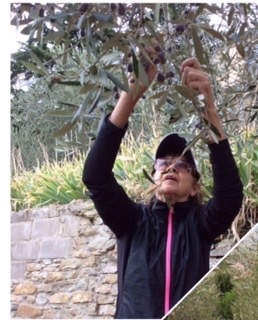
As did new friends Sandy and Rudy.
©Blogginginitaly.com

©Blogginginitaly.com

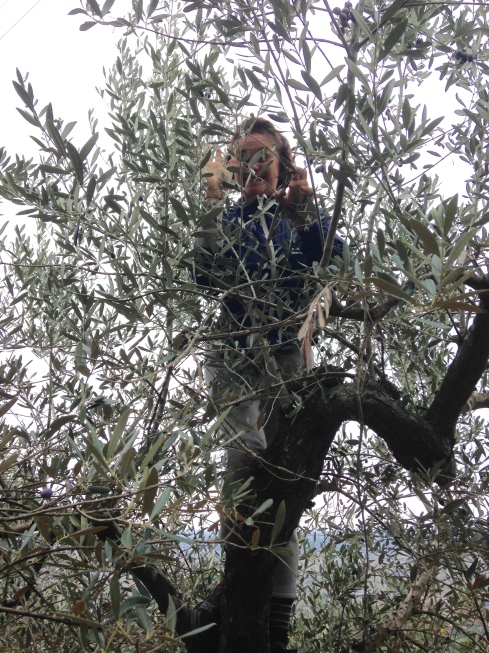
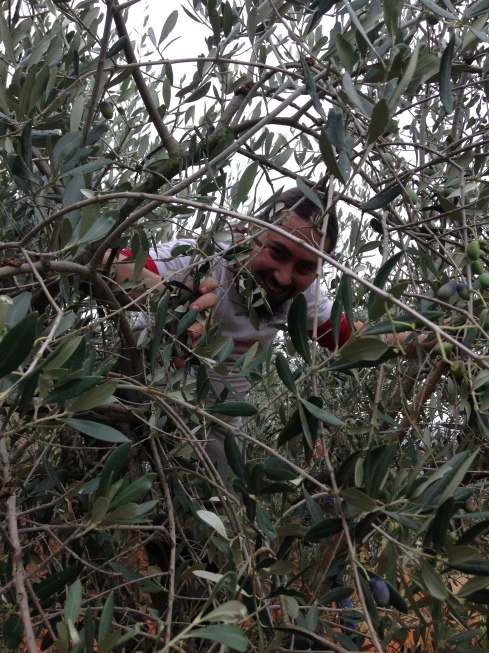
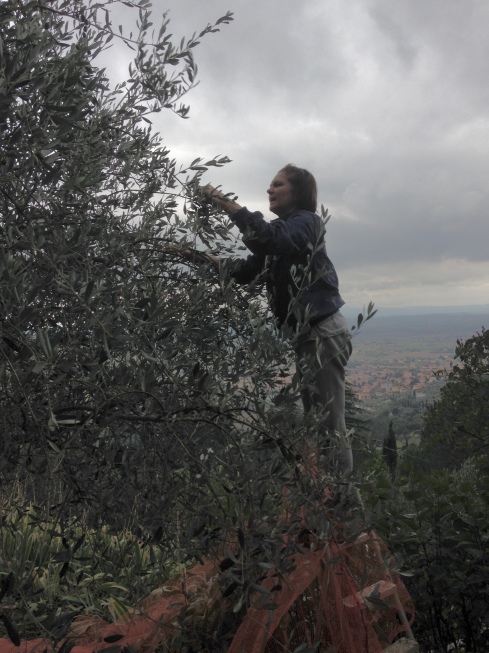
Picking olives is not difficult but it is time-consuming and at times back aching. Sometimes pickers are on ladders or up in the trees, carefully stripping the olives from upper branches,
©Blogginginitaly.com
©Blogginginitaly.com

©Blogginginitaly.com

©Blogginginitaly.com

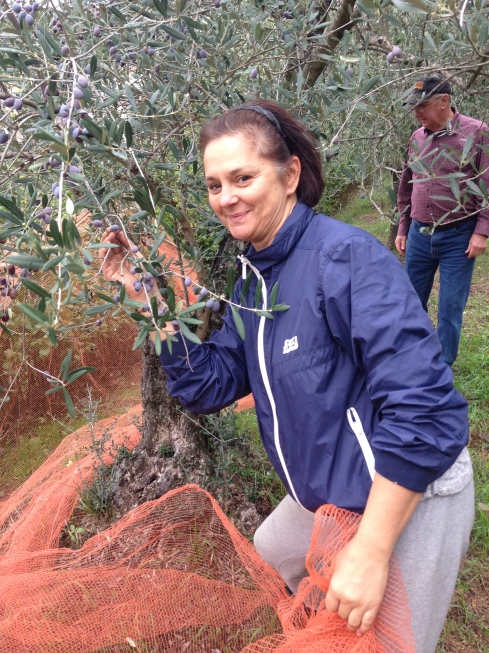
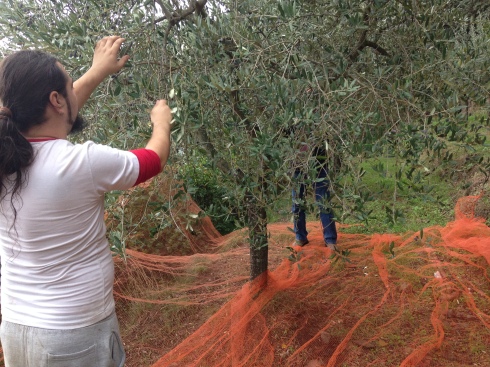
while other times they stand below, working branches at arms reach.
©Blogginginitaly.com
©Blogginginitaly.com

©Blogginginitaly.com

©Blogginginitaly.com

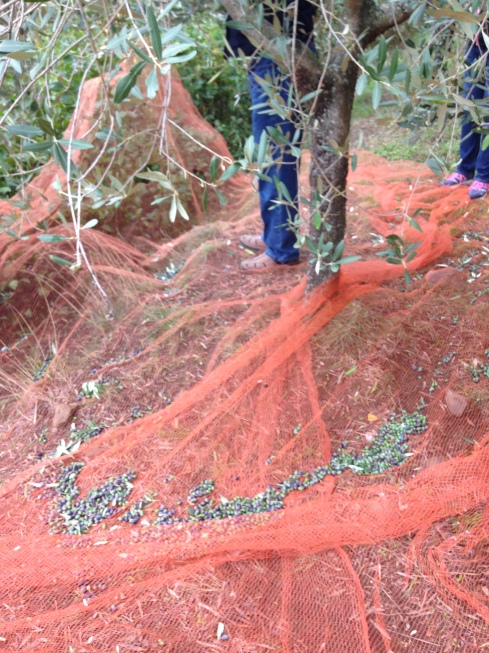
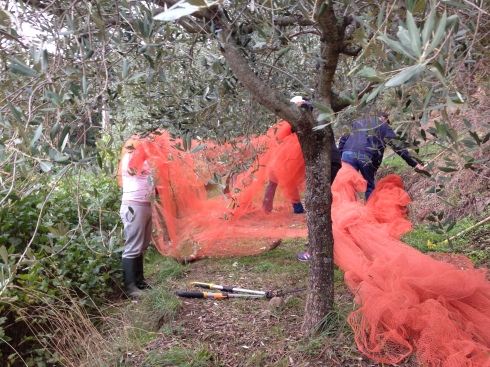
We placed long orange nets around each tree to collect the falling olives, being very careful not to step on them.
©Blogginginitaly.com

©Blogginginitaly.com

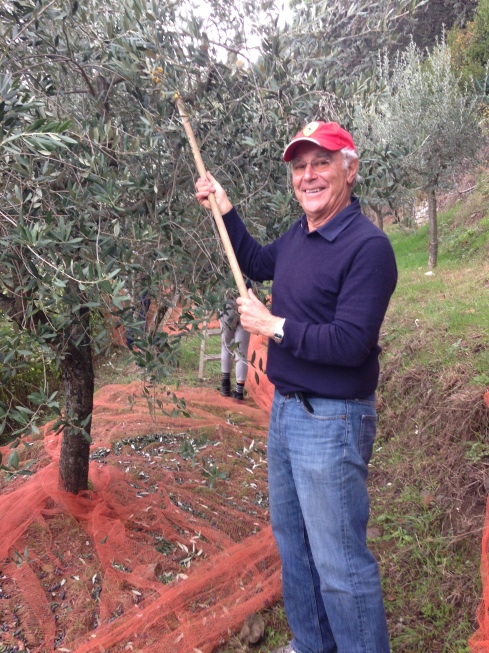
Sometimes, it seemed as though it was raining olives. A long plastic rake, called a pettina or manina, is used to reach tall parts or dense areas in the center of the tree. The tools are used to gently rake the olives off each branch, and as they fall to the net below, there is the sensation of raining olives. Here Rudy is demonstrating the technique.
©Blogginginitaly.com

©Blogginginitaly.com

A few olives have a less direct path and may tap you on the head or shoulder on their way down, or even land in your shirt or pocket. I found a few after we got home.

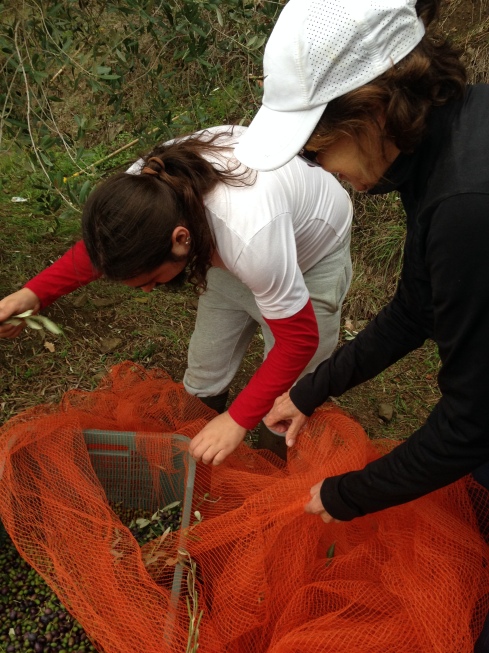
When a tree was empty, the olives would be gently rolled up in the net and then placed in a bin.
©Blogginginitaly.com

©Blogginginitaly.com

And off we’d go, moving the nets to the next tree. Usually 2-3 would work a tree together.
©Blogginginitaly.com

©Blogginginitaly.com

Weather is important because if it rains, the olives can rot before they are pressed. We were fortunate. Although the skies threatened, the rain held off and gave us the time we needed to finish picking.
©Blogginginitaly.com

©Blogginginitaly.com

Although some leaves naturally fall with the olives, seasoned olive pickers can pick olives with fewer leaves. We were all pretty careful, and tried to clean as we went along. I’m told a few leaves are fine as they impart a good taste.
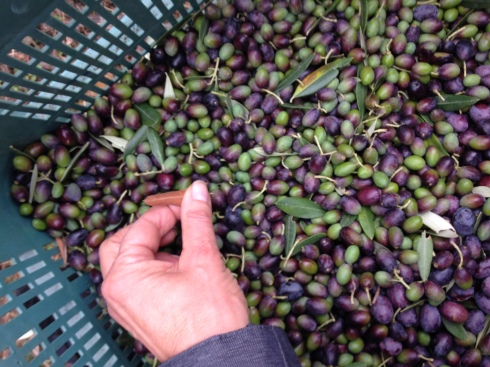
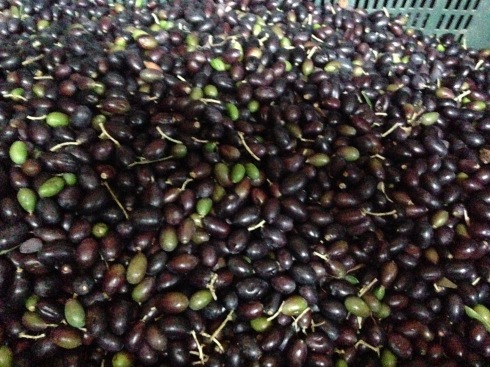
Although some leaves naturally fall with the olives, seasoned olive pickers can pick olives with fewer leaves. We were all pretty careful, and cleaned as we went along. I'm told a few leaves are fine as they impart a good taste. Here I am removing any stray leaves, and here is a penny tiny snail that was clinging to one of the leaves. Picked olives range in size and color; they can be green, purple, yellow or black, and they differ from tree to tree.
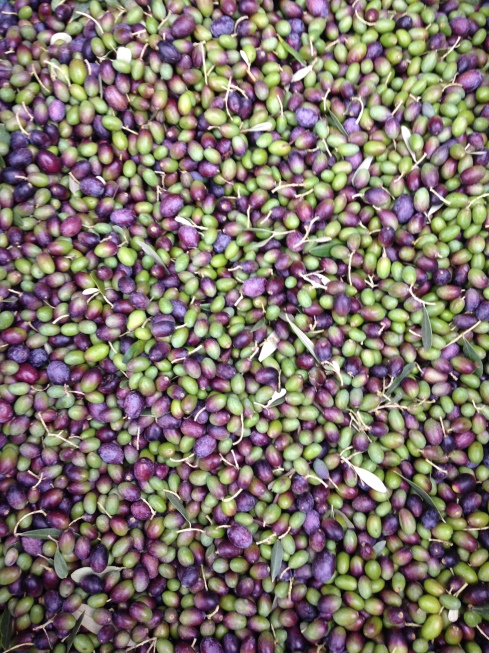
Picked olives range in size and color; they can be green, purple, yellow or black, and they differ from tree to tree.

©Blogginginitaly.com

©Blogginginitaly.com

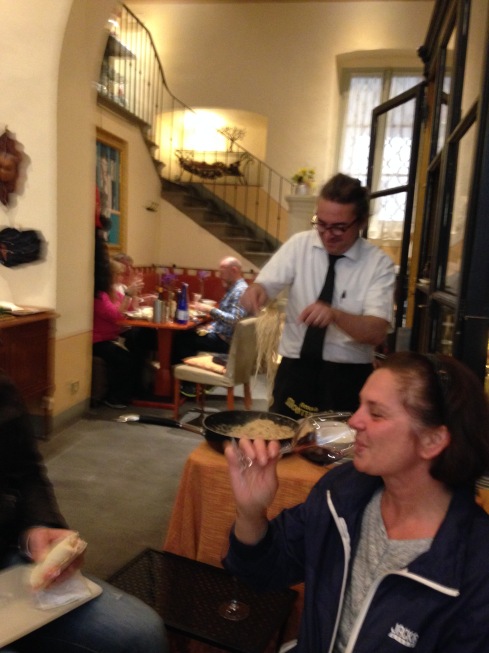
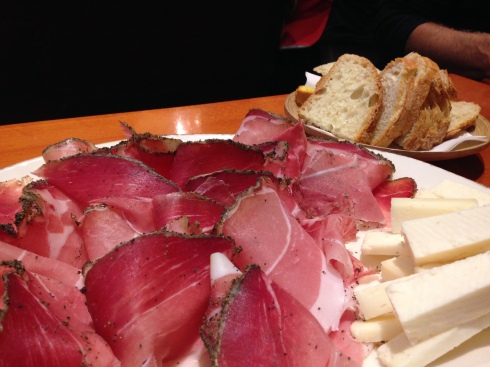
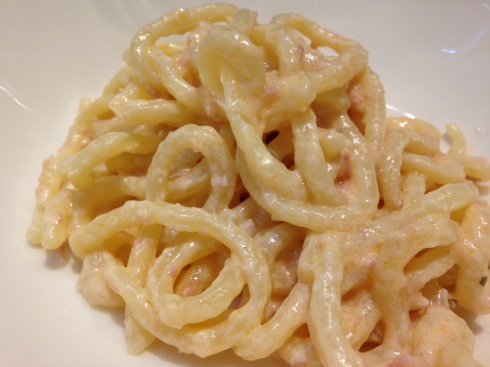
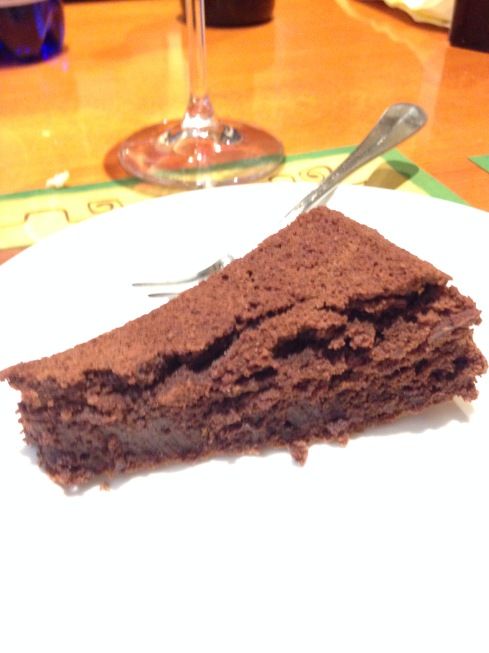
Naturally, no matter what they are doing, Italians always take time for pranzo, or lunch. I missed the incredible lunch served in the garden on Monday, but yesterday, Massimo served us a delicious lunch at Tuscher Caffe.
©Blogginginitaly.com
©Blogginginitaly.com
©Blogginginitaly.com

©Blogginginitaly.com

Pici al Fumo ©Blogginginitaly.com
Pici al Fumo ©Blogginginitaly.com

©Blogginginitaly.com

©Blogginginitaly.com

And here are some of the workers enjoying lunch:
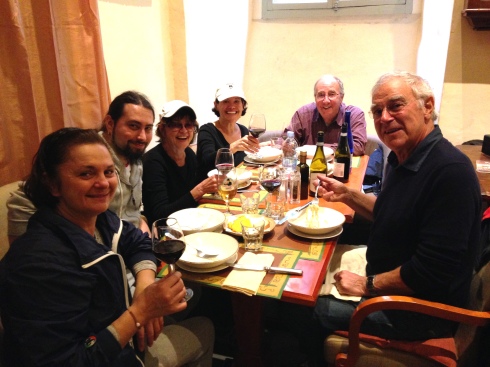
©Blogginginitaly.com
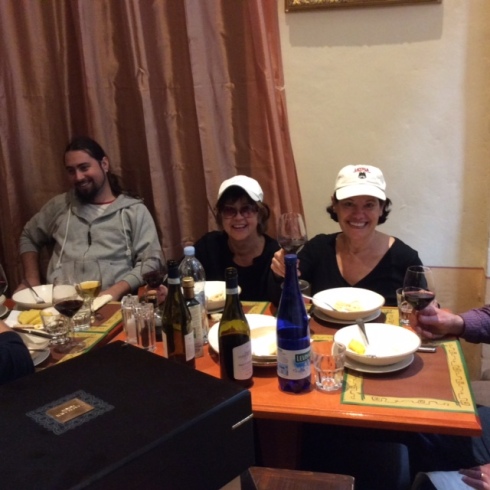
©Blogginginitaly.com

©Blogginginitaly.com

©Blogginginitaly.com

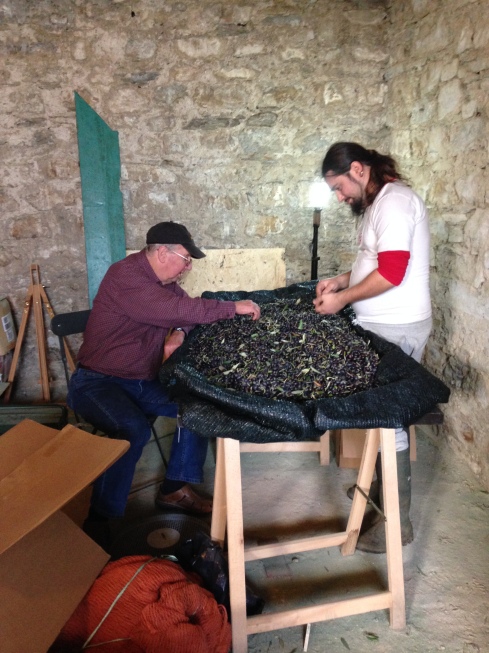
After lunch, Len and I returned with Daniela and Nicco for what we thought was one small last tree. However, there was still work to be done, as all the olives needed to be ready the next morning to take to the frantoia for pressing.

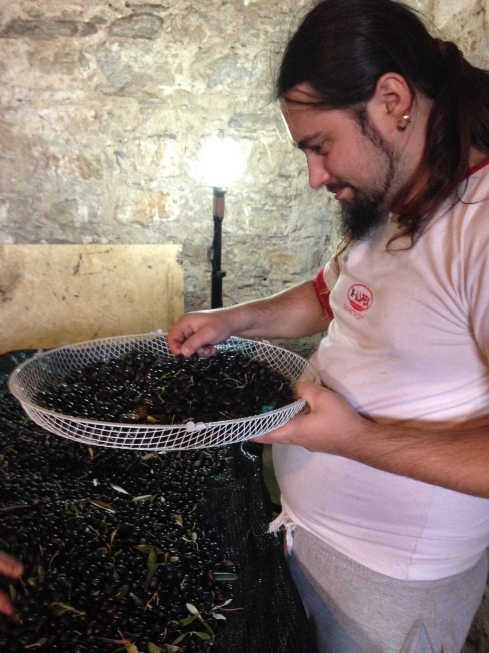
Working in the garage, we sorted and sorted and filled four large containers.
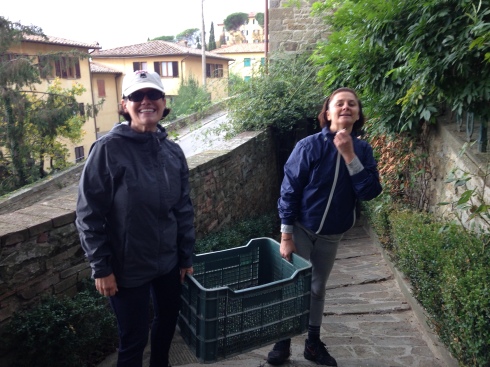
©Blogginginitaly.com
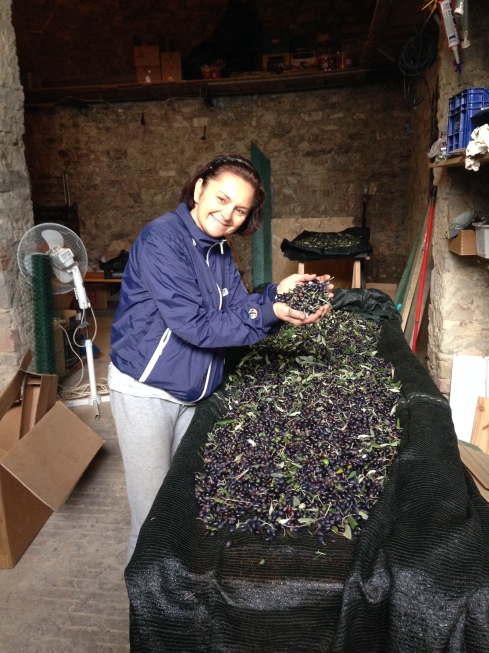
©Blogginginitaly.com
©Blogginginitaly.com
©Blogginginitaly.com

©Blogginginitaly.com

©Blogginginitaly.com

©Blogginginitaly.com

©Blogginginitaly.com

Until all the leaves were gone…
©Blogginginitaly.com

©Blogginginitaly.com

So this is what I’ve learned:

Harvesting is more than picking olives. It is a gathering of family and friends, new and old, working together, surrounded by nature’s beauty. It is a time filled with friendship, smiles, stories, and the joy of being in touch with nature. It is a tradition, passed on from generations, and thriving for future ones. And lucky for me, unlike grapes, bees don’t hang out around olives.

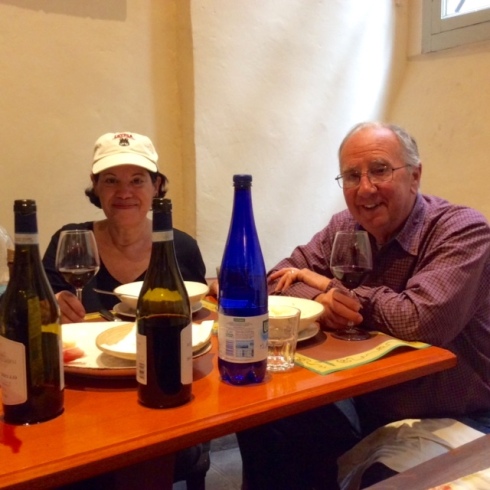
During lunch, and after the day was done, looking around at our tired and achy group, I noticed one more thing – we shared the kind of glow that comes from pitching in together for a job well done.

Tomorrow we go to the frantoio to watch our picked and sorted olives become olive oil. And then we get to taste it. Stay tuned for Part 2!
©Blogginginitaly.com

©Blogginginitaly.com

And many thanks to Daniela and Massimo for giving us this opportunity – such a great pleasure and learning experience. Count us in for next year!

Ciao,

Judy


Cantina de’ Corvi, Spoleto

9 Oct

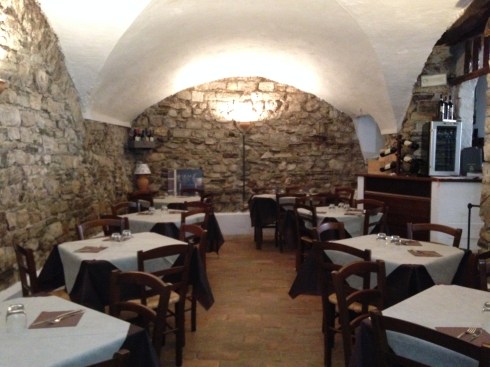
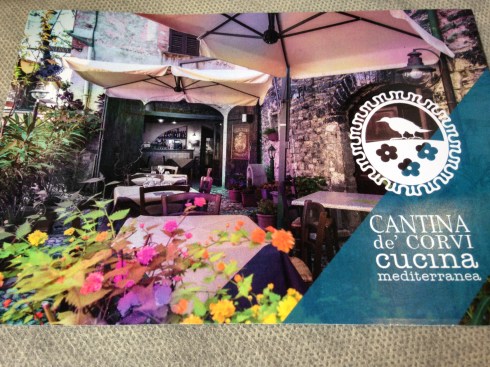
During our visit to Spoleto, our hotel clerk recommended the Cantina de’ Corvi, a wonderful place to eat.

©Blogginginitaly.com

©Blogginginitaly.com

We went for lunch and liked it so much, we returned for dinner. Can’t have too much of a good thing!

©Blogginginitaly.com

©Blogginginitaly.com

©Blogginginitaly.com

©Blogginginitaly.com

Meet Ciro and Marianna – the owners of this new restaurant.

©Blogginginitaly.com

©Blogginginitaly.com

Marianna is the chef, and quite a skilled one at that. Turns out they are from Naples, the native home of most of my ancestors. Marianna’s love of cooking recipes passed down from her grandmother, as well as Ciro’s appreciation of her home cooking, led them to open the restaurant in early 2015.
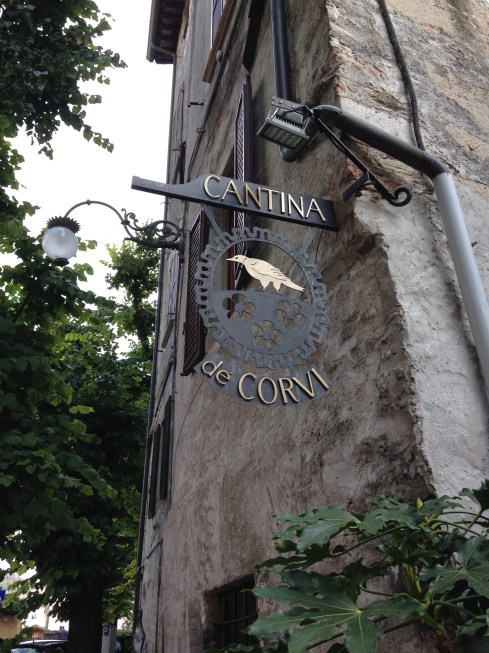
For lunch, we started with stuffed peppers and eggplant. Delicious.

©Blogginginitaly.com

©Blogginginitaly.com

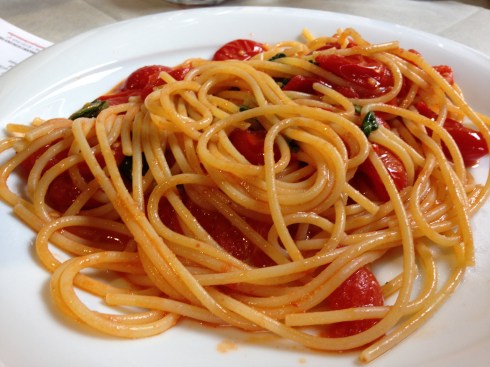
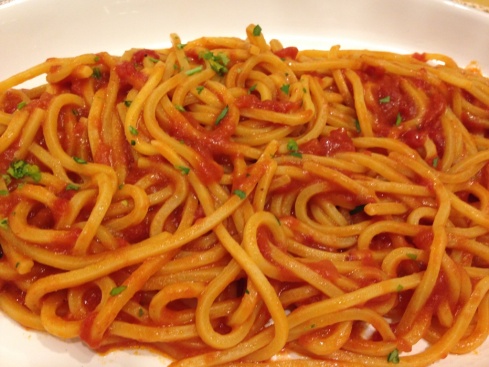
Then we each had pasta pomodoro. Why is it that fresh tomatoes at home never quite taste like these in Italy?

©Blogginginitaly.com

©Blogginginitaly.com

We kidded a lot with Ciro, he asking us to correct his English and we asking the same of him of our Italian. Ciro, ricordi: “Is there something else you would like?”

Their menu boasts of food from the land and sea, so in addition to pasta, they have quite a selection of beef and seafood.

Our conversation turned to baccala, that awful looking salted fish I see at the market.

Baccalà_delle_Isole_Faroe

Wiki

I made a face and Len told Ciro that as kids, they would all feign illness when his grandmother announced baccala was for dinner.

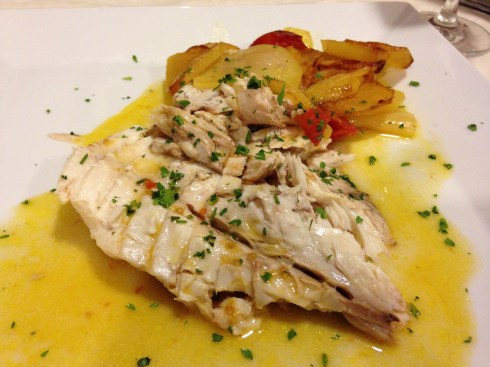
Ciro said he had felt the same, and for years, his wife asked him to try her baccala. When he finally did, they put it on the menu. Ciro convinced Len to try it for dinner – no obligation if he didn’t like it. I was still skeptical.

©Blogginginitaly.com

©Blogginginitaly.com

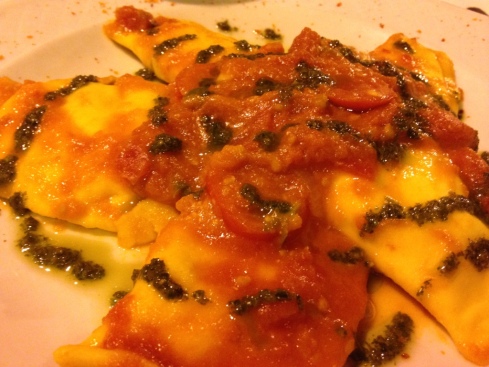
Well, as you might guess, it was delicious. Even I tasted it and agreed.

©Blogginginitaly.com

©Blogginginitaly.com

My dinner was spaghetti con vongole, one of my favorite dishes in Italy.

©Blogginginitaly.com

©Blogginginitaly.com

Both dishes, as is the case with great recipes from Napoli, include those incredible tomatoes.

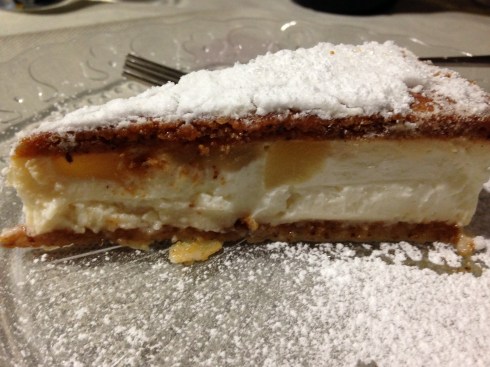
For dessert, we shared a slice of ricotta and pear cake – light and not too sweet.

©Blogginginitaly.com

©Blogginginitaly.com

We’ll definitely return to Spoleto, not only for its history and beauty, but also to spend more time with our new friends, Ciro and Marianna. If you go, please tell them Giuditta sent you. And by the way, I gave Don Matteo their card, so you might just bump into him as well!
IMG_8575

Ciao,

Judy


ChocoCortona

20 Sep

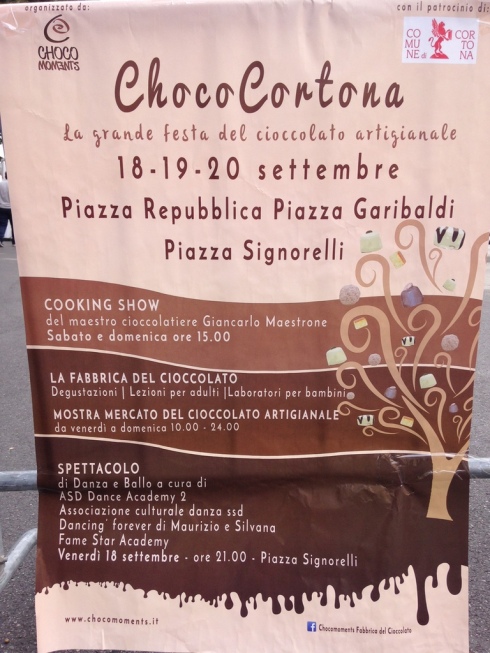
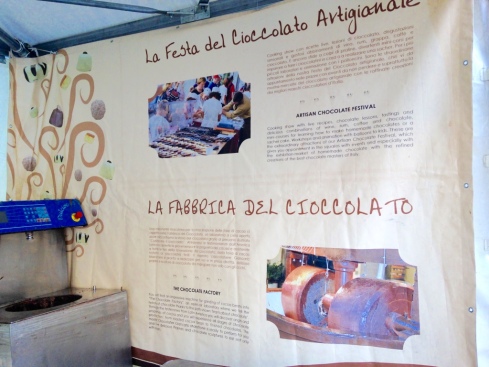
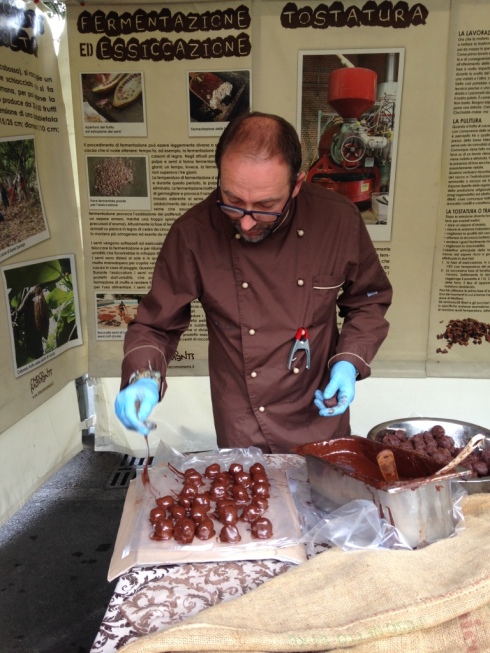
This weekend, Cortona is hosting ChocoCortona, La Grande Festa del Cioccolato Artiginale, or festival of handcrafted chocolates.

©Blogginginitaly.com

©Blogginginitaly.com

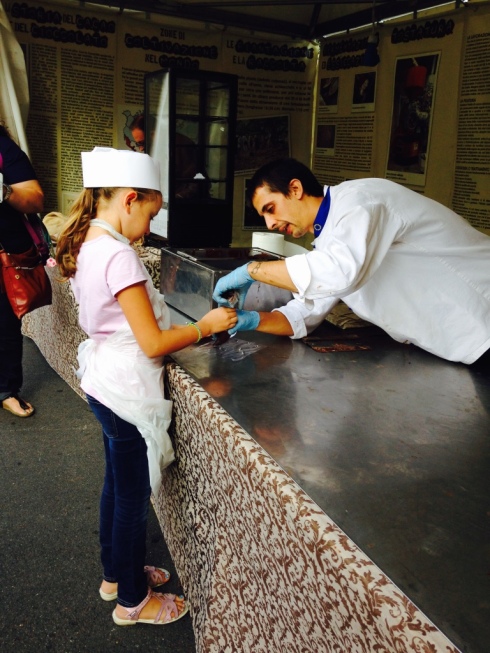
And what a selection there is. You can sign up for chocolate making lessons,

©Blogginginitaly.com

©Blogginginitaly.com

observe various chocolate cooking shows,

©Blogginginitaly.com

©Blogginginitaly.com

©Blogginginitaly.com

©Blogginginitaly.com

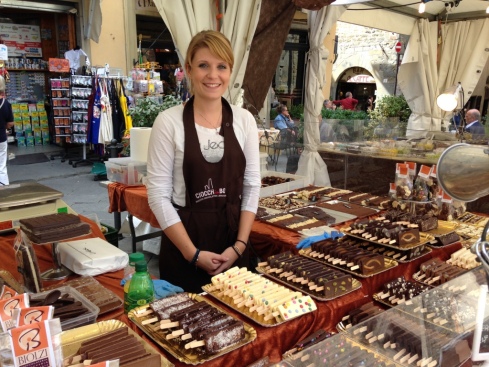
or simply wander the tents filled with chocolate delicacies.

©Blogginginitaly.com

©Blogginginitaly.com

©Blogginginitaly.com

©Blogginginitaly.com

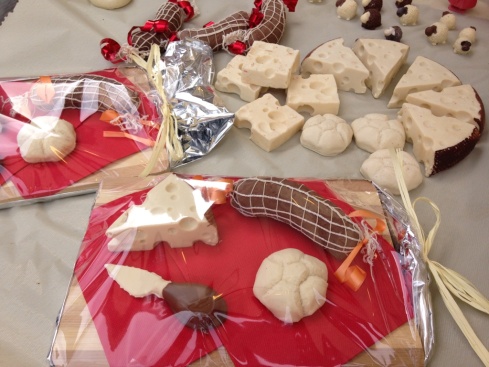
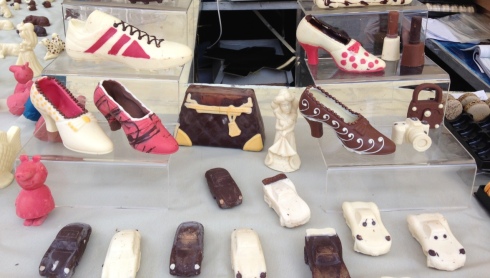
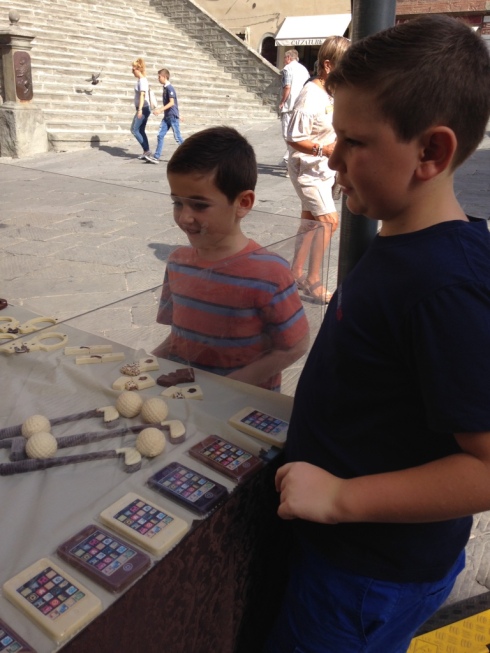
Some of the chocolates are especially creative:

Various cheeses or a antipasto platter ©Blogginginitaly.com

Various cheeses or an antipasto platter ©Blogginginitaly.com

Cars, purses or shoes? ©Blogginginitaly.com

Cars, purses or shoes? ©Blogginginitaly.com

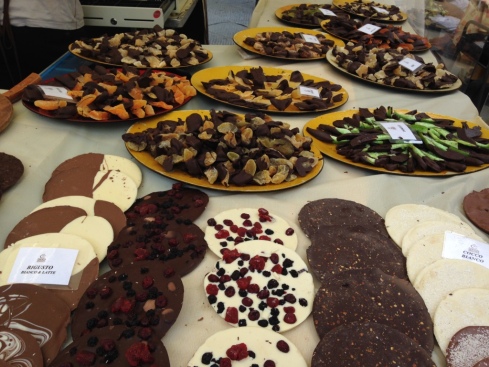
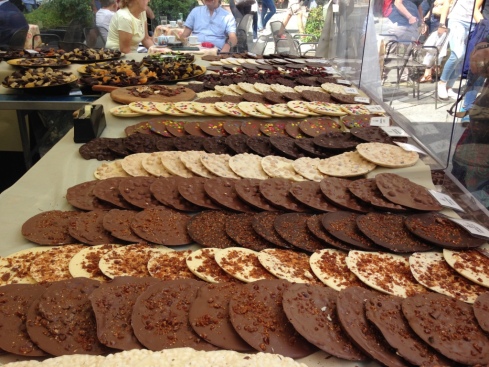
While others are just plain tempting…

©Blogginginitaly.com

White, milk and dark chocolate discs ©Blogginginitaly.com

©Blogginginitaly.com

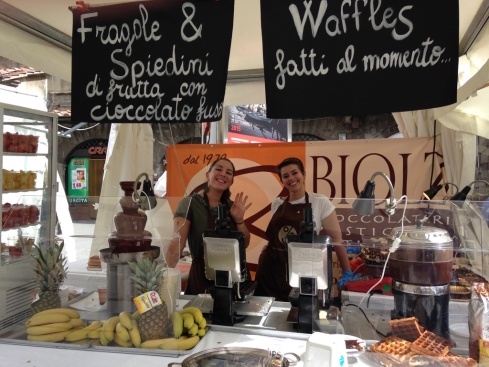
Fresh waffles or hot fudge covered fruit skewers ©Blogginginitaly.com

©Blogginginitaly.com

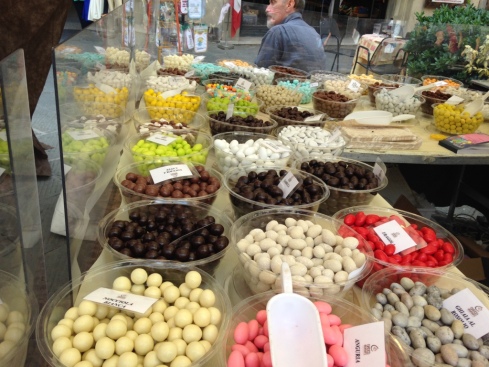
Covered nuts and fruits ©Blogginginitaly.com

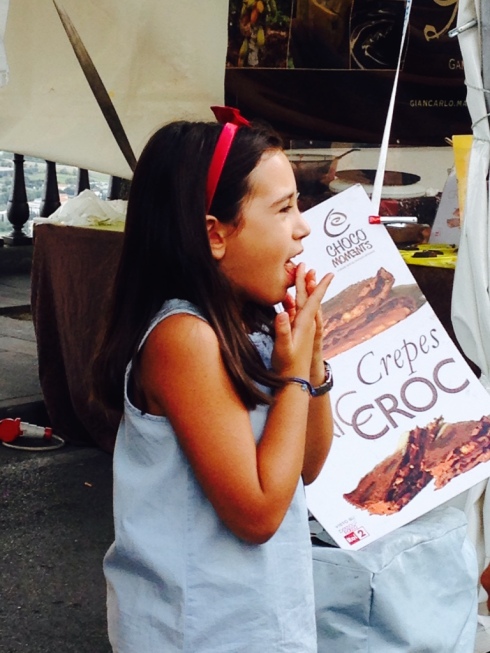
Look no further for that kid in a candy shop…

©Blogginginitaly.com

©Blogginginitaly.com

Or a happy messy one…

©Blogginginitaly.com

©Blogginginitaly.com

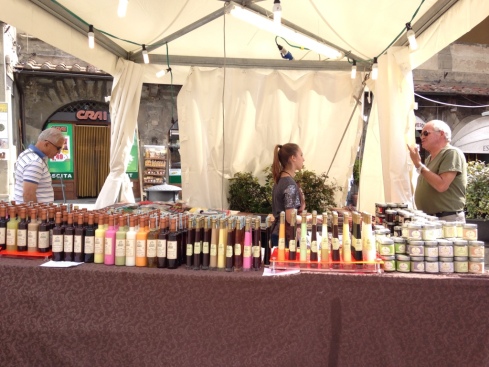
Thinking of an after dinner liquor? So many flavors to choose from.

©Blogginginitaly.com

©Blogginginitaly.com

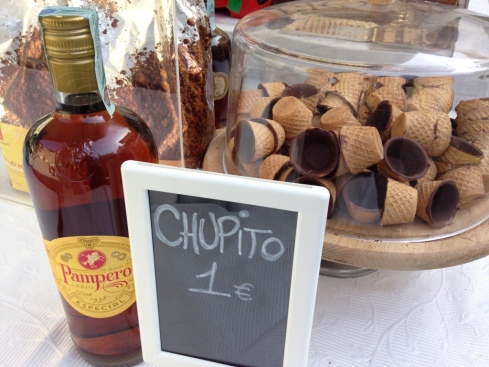
But then why wait till after dinner when you can have a shot in a chocolate filled cup!

©Blogginginitaly.com

©Blogginginitaly.com

However you like your chocolate, you’re sure to find it at ChocoCortona.

Ciao,

Judy

Italy: It’s So About the Food

17 Sep

A sampling of what we’ve eaten in the past few weeks, some out and some at home:

©Blogginginitaly.com

©Blogginginitaly.com

©Blogginginitaly.com

©Blogginginitaly.com

©Blogginginitaly.com

©Blogginginitaly.com

©Blogginginitaly.com

©Blogginginitaly.com

©Blogginginitaly.com

©Blogginginitaly.com

©Blogginginitaly.com

©Blogginginitaly.com

©Blogginginitaly.com

©Blogginginitaly.com

©Blogginginitaly.com

©Blogginginitaly.com

And let’s not forget the sun-dried fichi (figs)!

©Blogginginitaly.com

©Blogginginitaly.com

Wish you could taste them all.

Ciao,

Judy

From Vine to Wine

14 Sep

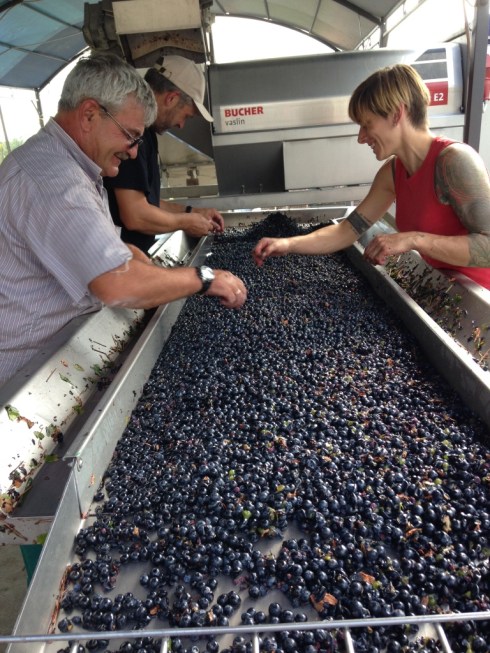
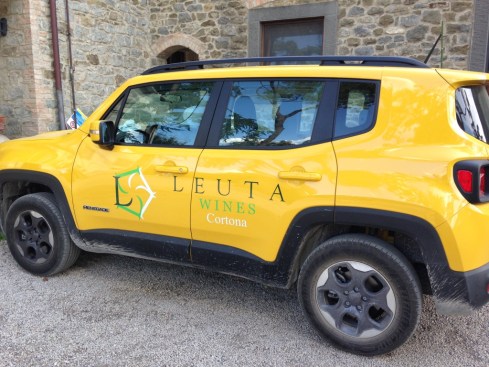
When in Italy, it’s hard not to get caught up in the production of wine. Grapes seem to grow everywhere with diverse types of soil, climate and winemaker contributions. Saturday afternoon, we headed to Leuta in Cortona, not only to sample wine but also to visit nature at its best.

Our friend Carlo was our guide as we headed to the beautiful Leuta vineyards. I’ll let the photos tell the story of the beautiful day we had.

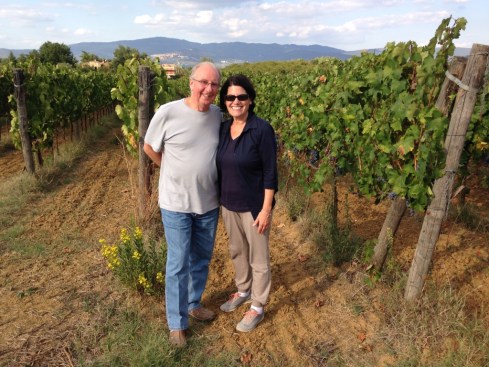
Leuta vineyard with Cortona in background:

©Blogginginitaly.com

©Blogginginitaly.comLeuta vines up close:

Leuta vines up close:

©Blogginginitaly.com

©Blogginginitaly.com

Carlo and Len:

©Blogginginitaly.com

©Blogginginitaly.com

©Blogginginitaly.com

©Blogginginitaly.com

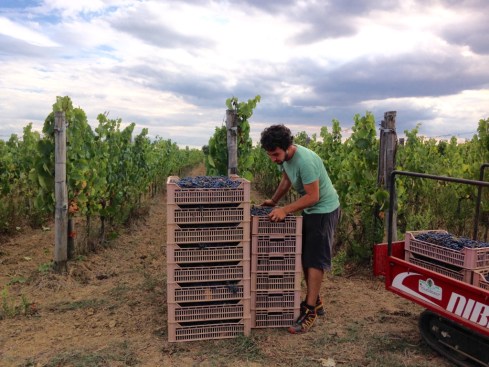
Leuta worker:

©Blogginginitaly.com

©Blogginginitaly.com

Next career?

©Blogginginitaly.com

Len’s new job! ©Blogginginitaly.com

Yours truly ready with Epi pen and Benadryl, but the bees were much more interested in the grapes…

©Blogginginitaly.com

©Blogginginitaly.com

Other beautiful sights:

©Blogginginitaly.com

©Blogginginitaly.com

A close up of same building with a fig tree growing within…

A fig tree growing within©Blogginginitaly.com

©Blogginginitaly.com

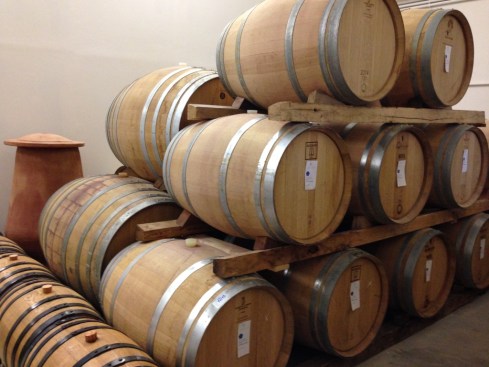
Afterward, we caught up with Denis, the passionate owner of Leuta, as he was giving a tour of the wine making process…

©Blogginginitaly.com

©Blogginginitaly.com

©Blogginginitaly.com

©Blogginginitaly.com

©Blogginginitaly.com

©Blogginginitaly.com

©Blogginginitaly.com

©Blogginginitaly.com

©Blogginginitaly.com

©Blogginginitaly.com

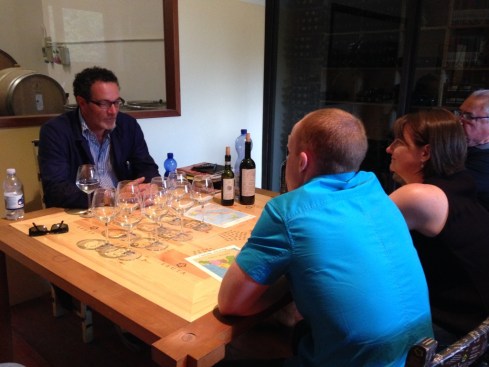
We were fortunate enough to sample several of Leuta’s excellent wines and once again hear  the story of Denis’ love of winemaking, a passion that grew from working with his grandfather.

©Blogginginitaly.com

©Blogginginitaly.com

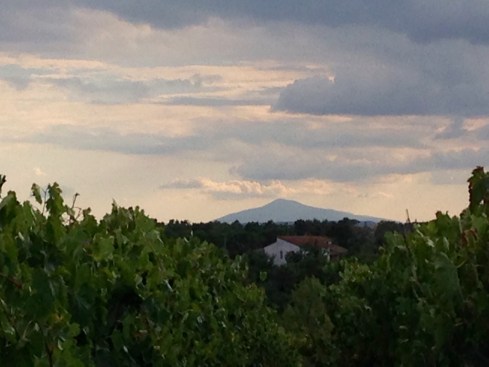
On the way home, we saw this, the inactive Amiata Volcano .

Amiata Volcano (dormant) ©Blogginginitaly.com

Amiata Volcano  ©Blogginginitaly.com

Thanks, Carlo, and Denis, for a wonderful day!

thumb_IMG_7865_1024

For more on Leuta, visit Leuta.

Ciao,

Judy


Cantanapoli

11 Sep

The town of Cortona sits in the center of the country, and the speciality, besides pici pasta, is chianina beef.

Cortona.10

When you look at a map, it is easy to understand why seafood is not a mainstay of many of the restaurants.  But there are a few exceptions, several with connections to Napoli.

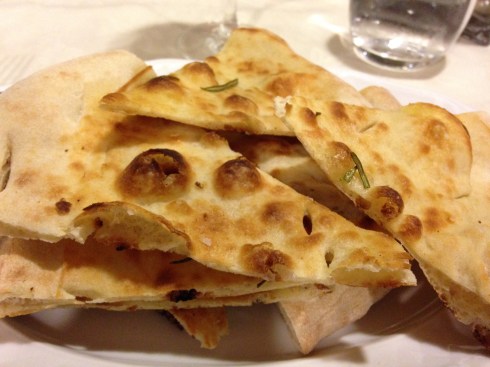
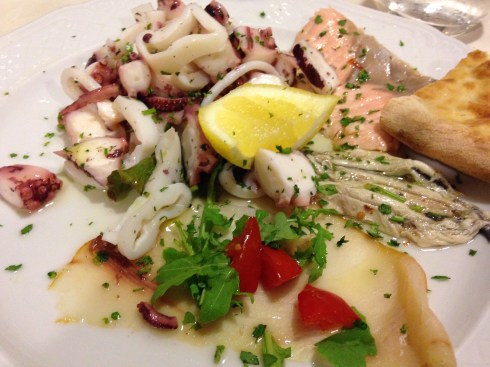
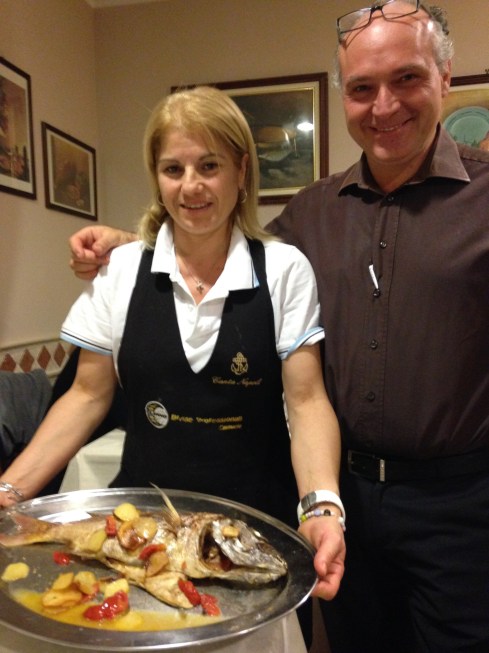
Last night we had dinner at Cantanapoli with dear friends Fernanda and Carlo. This restaurant is located in Camucia at the base of Cortona. Although there are many pasta dishes on the menu, Carlo asked Mario, the owner, to create our menu – one of only seafood.

Not only was it delicious, it was so fresh you could almost taste the sea. I love this from their website:  the dishes on the menu may vary based on what the sea gives every day.

Our Primo:

©Blogginginitaly.com

©Blogginginitaly.com

©Blogginginitaly.com

©Blogginginitaly.com

©Blogginginitaly.com

©Blogginginitaly.com

©Blogginginitaly.com

©Blogginginitaly.com

Our Secondo:

©Blogginginitaly.com

©Blogginginitaly.com

©Blogginginitaly.com

©Blogginginitaly.com

In addition, they serve Neapolitan pizzas which are baked in a wood oven, using DOP buffalo mozzarella and cherry tomatoes from Vesuvius.

The company was great, the food delicious, and the evening a perfect way to celebrate Fernanda’s upcoming birthday. Buon Compleanno, Ferdanda!

Secondi:

Ciao,

Judy

Sara Lovari at Il Pozzo

10 Sep

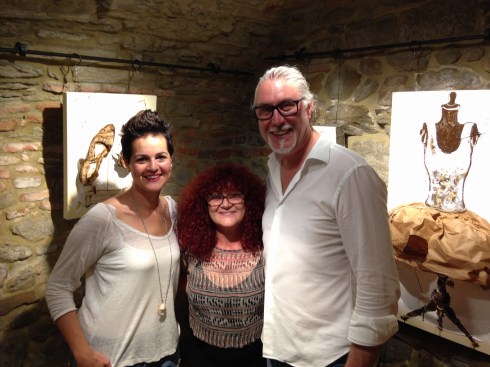
A few days ago, we attended the Sara Lovari exhibit hosted by the owners of Il Pozzo Galleria.

Sarah, Loriana and Ivan ©Blogginginitaly.com

Sarah, Loriana and Ivan
©Blogginginitaly.com

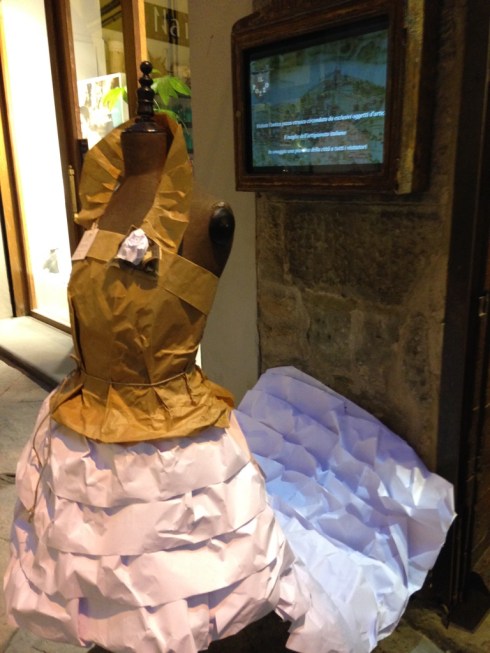
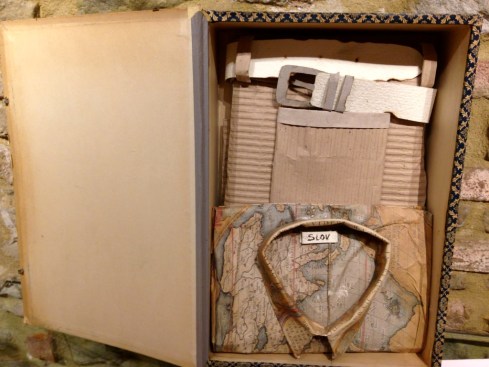
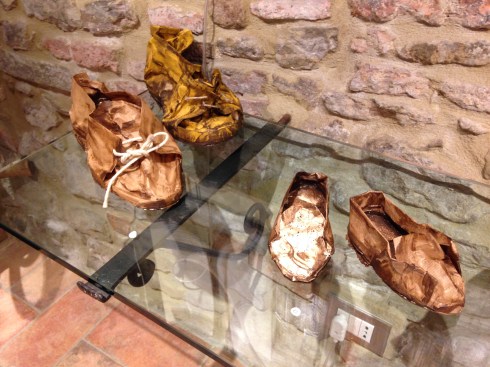
Sara is a local artist who exhibits her most interesting work in Italy and abroad. She uses acrylic paint and multi-material applications on various backgrounds. Using a selection of objects from everyday life, she creates three-dimensional art with recycled materials such as vintage magazines and newspapers, discarded boxes, string, etc.

Here’s a sampling of Sara’s work. Please note that all works are ©Saralovari.it

©Blogginginitaly.com

©Blogginginitaly.com

Purse and compact ©Blogginginitaly.com

Purse and compact ©Blogginginitaly.com

Luggage©Blogginginitaly.com

Luggage©Blogginginitaly.com

Lamp (which lights) ©Blogginginitaly.com

Lamp (which lights) ©Blogginginitaly.com

Clothesline ©Blogginginitaly.com

Clothesline ©Blogginginitaly.com

Bookshelf and lamp ©Blogginginitaly.com

Bookshelf and lamp ©Blogginginitaly.com

Shoes ©Blogginginitaly.com

Shoes ©Blogginginitaly.com

Espresso Anyone? ©Blogginginitaly.com

Espresso Anyone? ©Blogginginitaly.com

Sarah and her ©Blogginginitaly.com

Sarah and her art ©Blogginginitaly.com

http://www.saralovari.it/en/ ©Blogginginitaly.com

©Blogginginitaly.com

You can find more at Sara Lovari.

Ciao,
Judy

Sitting in our Painting

7 Sep

Two years ago, we bought a wonderful Allesandro Bulli watercolor from Ivan at Il Pozzo Galleria. We chose it because it depicts a view we see here daily – the view from Piazza Signorelli into Piazza Republicca. At home, it hangs over our breakfast room table and brings a smile to my face daily.

Allesandro Bulli

Allesandro Bulli

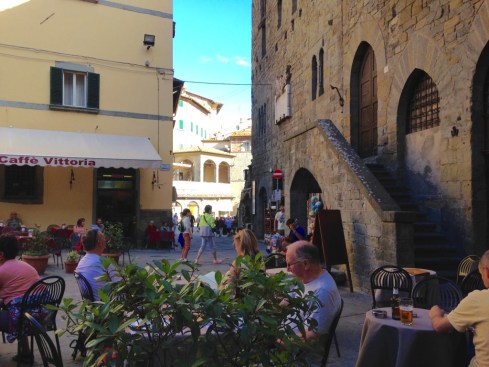
Late this afternoon, after a pretty steep 4.5 mile walk, we headed to Cacio Brillo for a glass of wine and some bruschette. As we sat, I felt as if I was sitting in our painting enjoying the same view, so I took a photo of it.

©Blogginginitaly.com

©Blogginginitaly.com

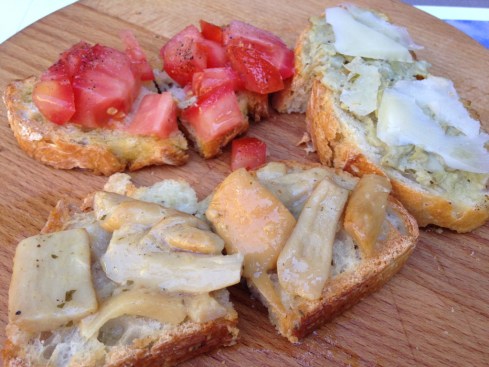
At Cacio Brillo, we chose four bruschette: artichokes/pecorino, fresh tomatoes, fresh porcini mushrooms, and one liver pate for Len (not depicted!).

©Blogginginitaly.com

©Blogginginitaly.com

Eating the bruschette and sipping some red wine, Len’s was Chianti and mine from Bolgheri, (western part of Tuscany), we took in the scenery as we enjoyed music from a flamenco guitarist in the piazza.

©Blogginginitaly.com

©Blogginginitaly.com

Piazza life – such a civilized way to spend a sunny afternoon.

Ciao,

Judy