RAMPICHIANA 2016: Mountain Bike Race

4 Apr

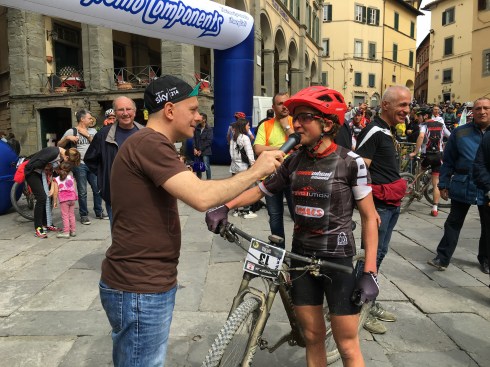
In keeping with my theme that one never knows what to expect in Cortona, yesterday we were entertained by RAMPICHIANA, a large mountain bike race which was held in Cortona.

©Blogginginitaly.com

©Blogginginitaly.com

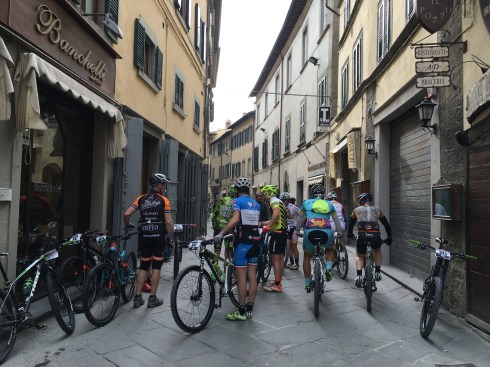
Not sure of the number, but it seemed like a few thousand cyclists, in colorful gear and sponsorship, descended upon Cortona. As we got our morning coffee, many were walking, strategizing and warming up on Via Nazionale.
©Blogginginitaly.com

©Blogginginitaly.com

There were three categories in this 12th edition of the race:

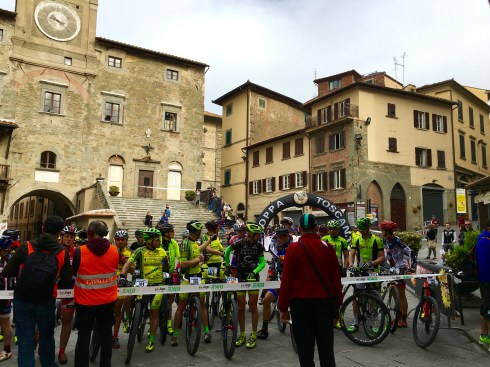
The LONG race was 45 km, or about 28 miles, through the streets and hills around Cortona, with 1600 meters (about one mile high) of altitude. The race started at 10 am

©Blogginginitaly.com

©Blogginginitaly.com

with the elite cyclists getting ready to begin.
©Blogginginitaly.com

©Blogginginitaly.com

They were followed by the second group

©Blogginginitaly.com

©Blogginginitaly.com

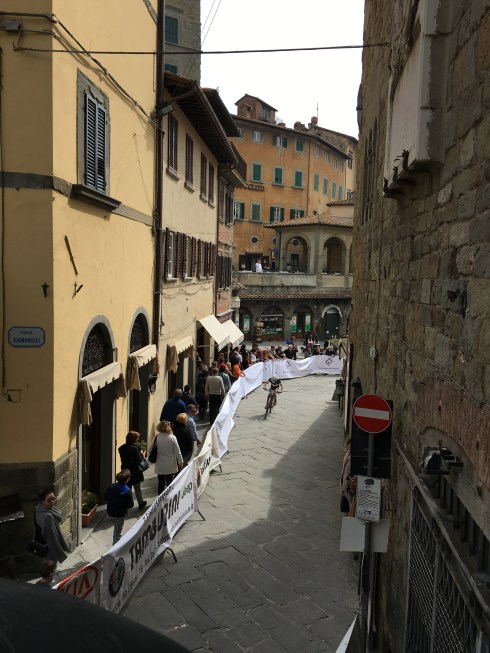
and all headed down Via Nazionale toward Piazza Garibaldi, where they seemed to explode into a mass of colorful streamers.

©Blogginginitaly.com

©Blogginginitaly.com

The MIDDLE race was 30 km with 1100 meters in altitude. The SHORT race, for non-competitive cyclists and minors, took 45 minutes with less altitude and challenging curves. It was as close as I have ever been to a cyclist race, and everyone was caught up in the buzz as they flew by.

©Blogginginitaly.com

©Blogginginitaly.com

Good weather brought out the cheering spectators.

©Blogginginitaly.com

©Blogginginitaly.com

As we walked around town, we caught a glimpse of riders at various parts of the race. For those who know the town well, imagine riding UP Via Guelfa on a mountain bike when we are challenged walking up Via Guelfa on foot! And this is after riding over 20+ miles in the hills.

©Blogginginitaly.com

©Blogginginitaly.com

We met a lovely couple from Pennsylvania who asked, “Do these things just sort of happen here?” “Yes,” I said and smiled. “It’s part of what keeps us coming back.”

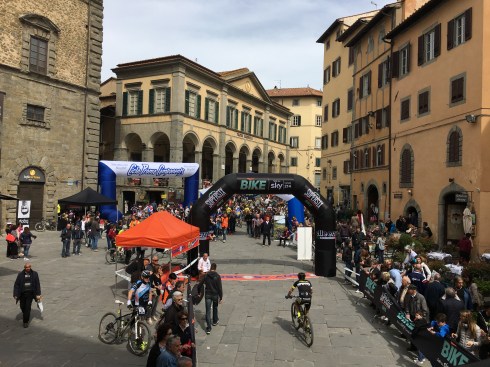
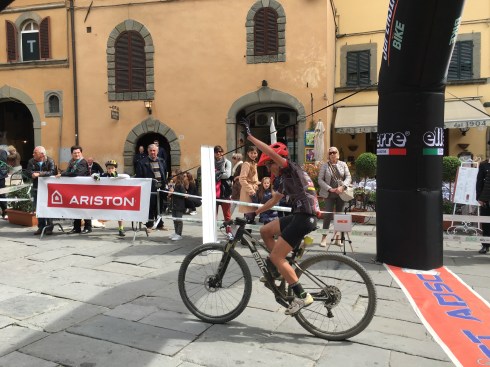
The race ended in Piazza Signorelli, with the final curve leading from Piazza Repubblica.
©Blogginginitaly.com
©Blogginginitaly.com

©Blogginginitaly.com

©Blogginginitaly.com

We were right there when the first woman crossed the finish line.
©Blogginginitaly.com

©Blogginginitaly.com

Complimenti!

©Blogginginitaly.com

©Blogginginitaly.com

A good day for both riders and spectators…

©Blogginginitaly.com

©Blogginginitaly.com

and a well-deserved rest for a job well done!

©Blogginginitaly.com

©Blogginginitaly.com

Ciao,
Judy
 

Cortona Participates in Light it Up Blue for Autism Speaks

2 Apr

April 2, 2016:

Cortona joins cities throughout the world in the Light It Up Blue campaign, a campaign designed to shine a spotlight on autism.

In Piazza Republic, the historic town hall is lit in blue as a gesture to support individuals and families living with autism, as a “way to ignite hope.”

©Blogginginitaly.com

©Blogginginitaly.com

Ciao,
Judy


Trapani, Sicilia

30 Mar

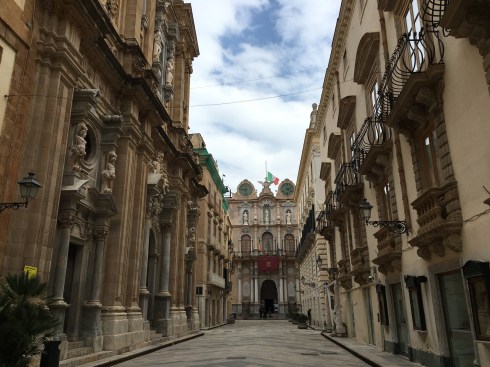
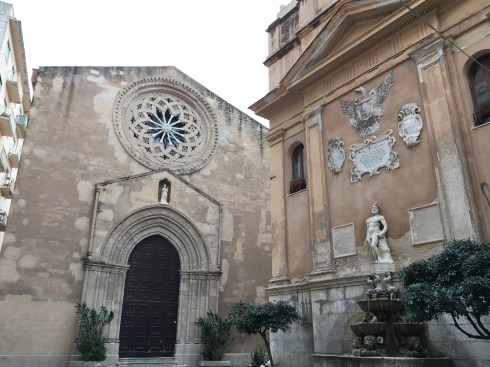
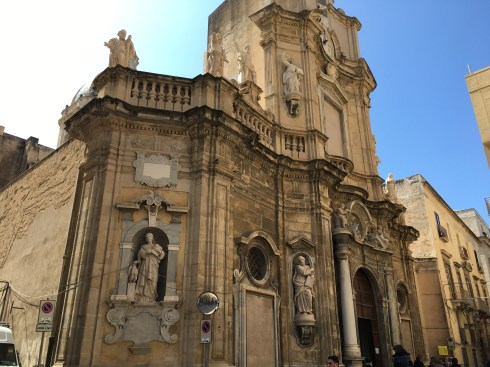
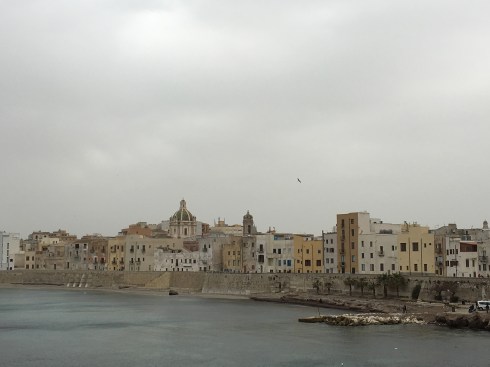
For me, Trapani is a tale of two cities. The centro storico, or historic center, is lovely, filled with beautiful buildings, interesting architecture, and wide, clean marble/granite streets.

©Blogginginitaly.com

©Blogginginitaly.com

©Blogginginitaly.com

©Blogginginitaly.com

©Blogginginitaly.com

©Blogginginitaly.com

At this time of year, it resembles more of a movie set than a city, as it is often quite empty,

©Blogginginitaly.com

©Blogginginitaly.com

and appears to be bustling with people only when the directors are ready to shoot, (in reality, when the locals are taking their evening walk).

©Blogginginitaly.com

©Blogginginitaly.com

Tourism is a big part of the economy, especially in the summer and early fall. The historic center is filled with many bars, restaurants, designer shops and lovely window displays.

©Blogginginitaly.com

©Blogginginitaly.com

It is also a cruise ship destination. Really???

©Blogginginitaly.com

©Blogginginitaly.com

Because of its location, Trapani is an important ferry port to the Egadi Islands, so the port is large and active.

©Blogginginitaly.com

©Blogginginitaly.com

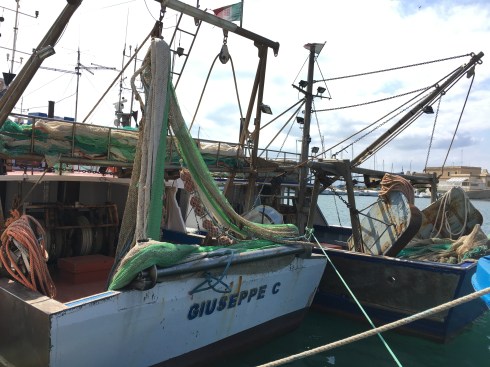
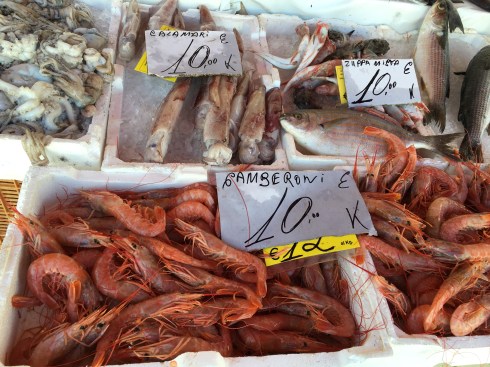
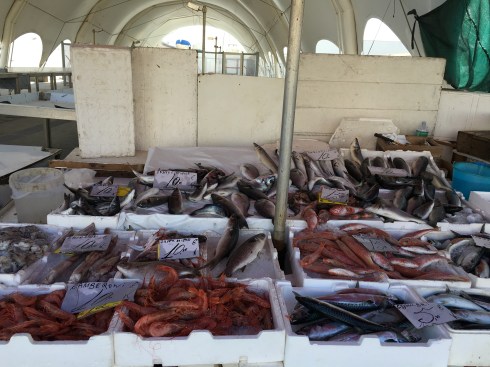
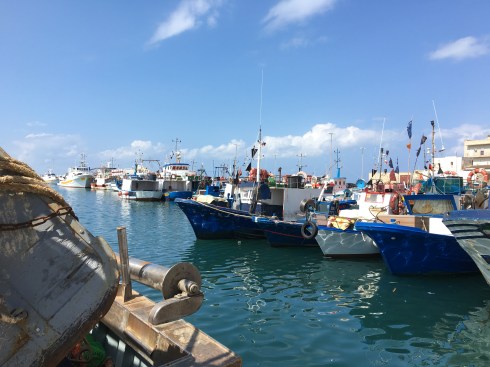
The “other” Trapani in my tale of two cities, however, is a fishing city, as much of Trapani’s economy still depends on the sea. For me, this was actually the lovelier part – seeing man depend on nature, as he has done for generations.

©Blogginginitaly.com

©Blogginginitaly.com

©Blogginginitaly.com

©Blogginginitaly.com

There are the sole proprietor old pescatore as well as large commercial vessels, and I loved watching them all go about their daily work. Out at 4am, if the seas are calm (ok, I took their world for this part), and back between 7-8 am to unload.

©Blogginginitaly.com

©Blogginginitaly.com

©Blogginginitaly.com

©Blogginginitaly.com

©Blogginginitaly.com

©Blogginginitaly.com

While fishing and canning are the main local industries, salt is also an important export, along with marble and Marsala wine. They also produce several delicious types of green olives.

©Blogginginitaly.com

©Blogginginitaly.com

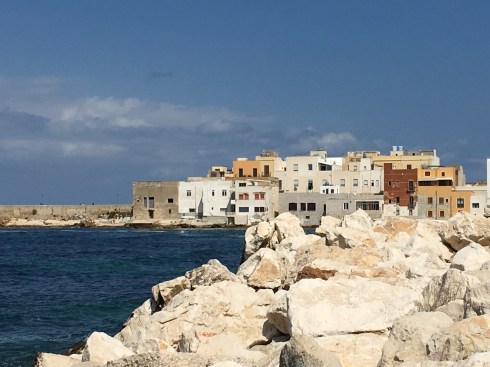
Because of the crescent-shaped coastline, one is never far from one of Trapani’s colorful water views, nice in any weather,

©Blogginginitaly.com

©Blogginginitaly.com

but especially nice in the sunshine.

©Blogginginitaly.com

©Blogginginitaly.com

©Blogginginitaly.com

©Blogginginitaly.com

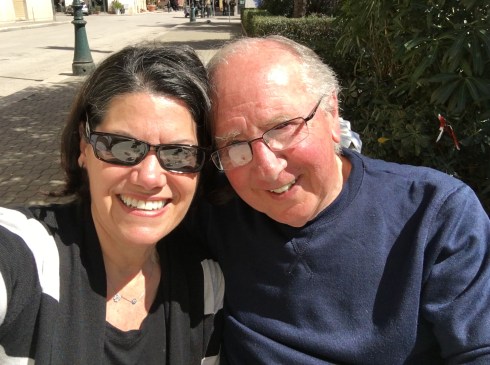
From Trapani, enjoying a bit of water view, vino, and sunshine ourselves.

©Blogginginitaly.com

©Blogginginitaly.com

Ciao,
Judy

Misteri Trapani

27 Mar

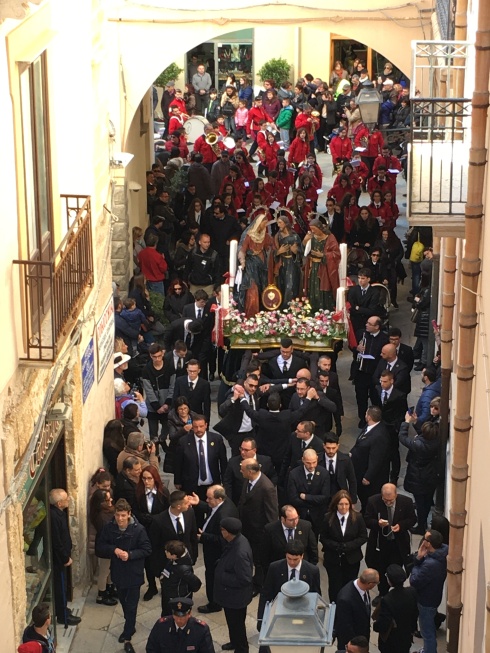
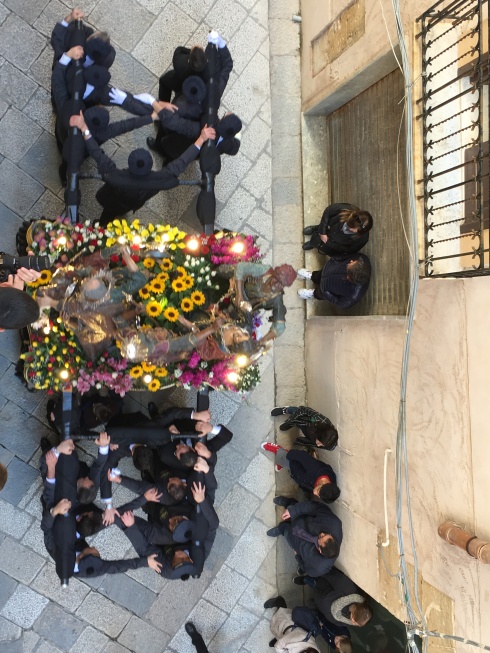
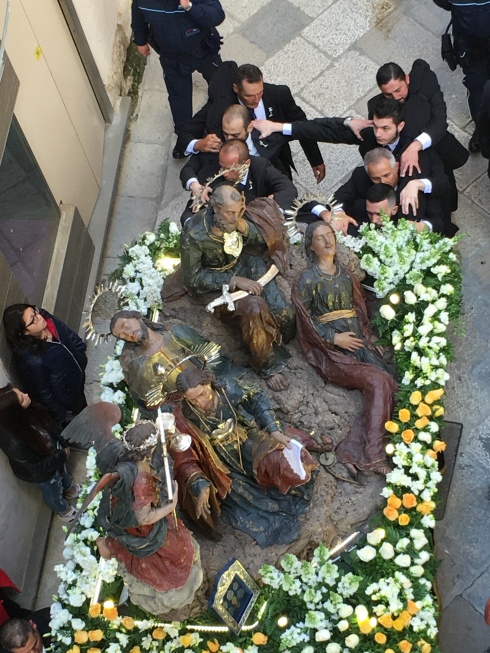
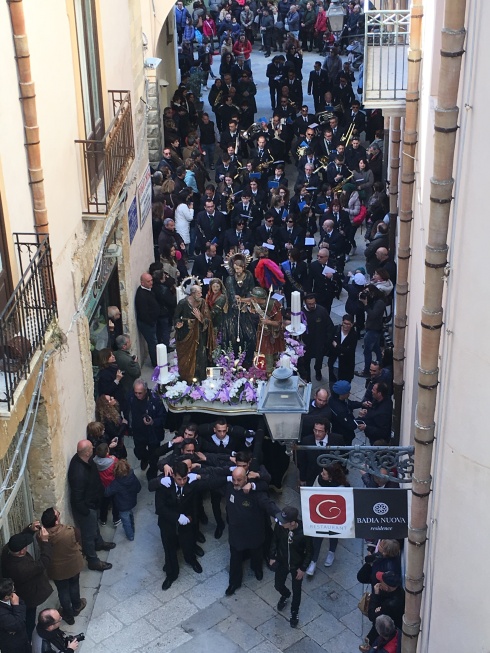
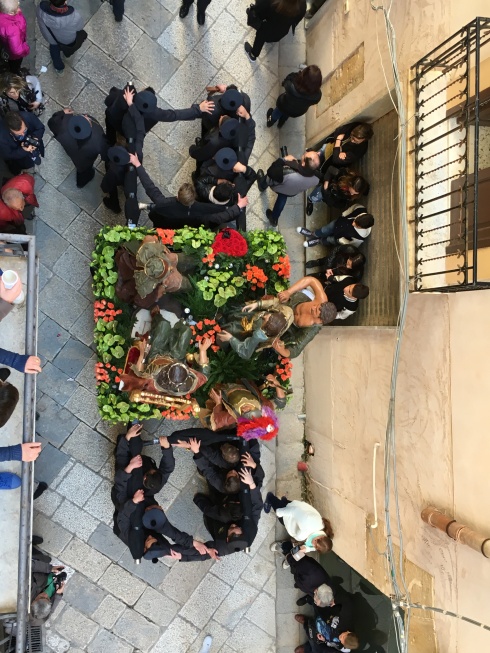
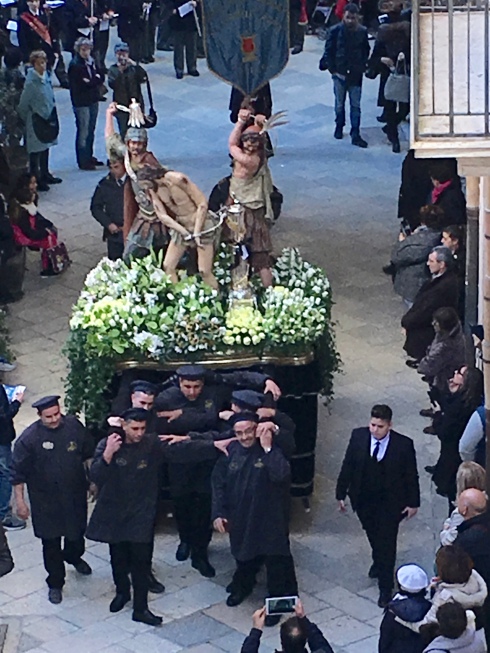
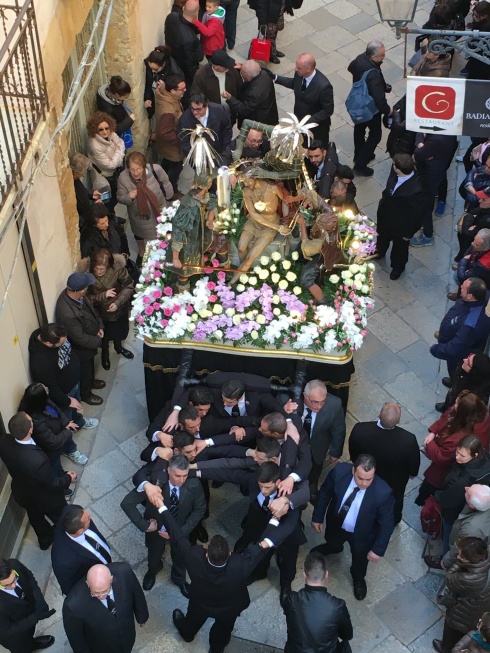
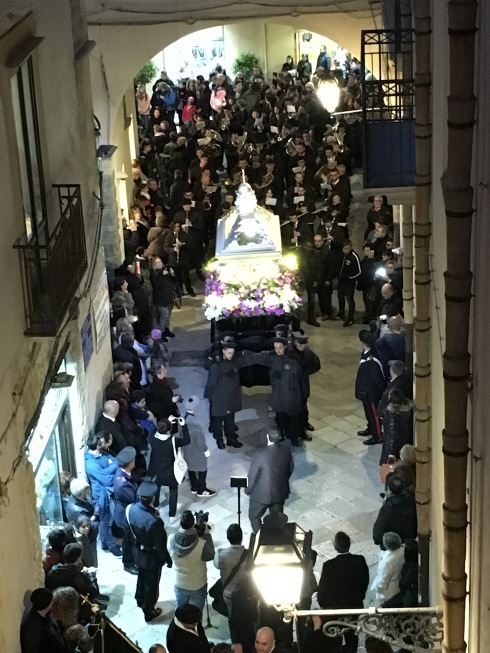
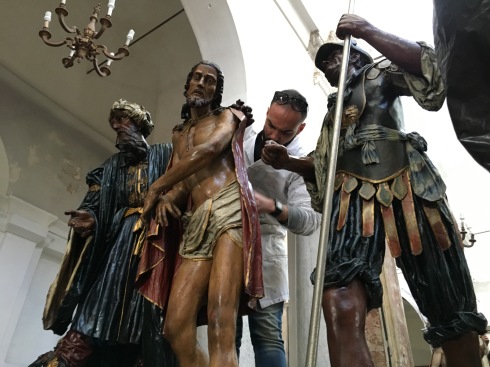
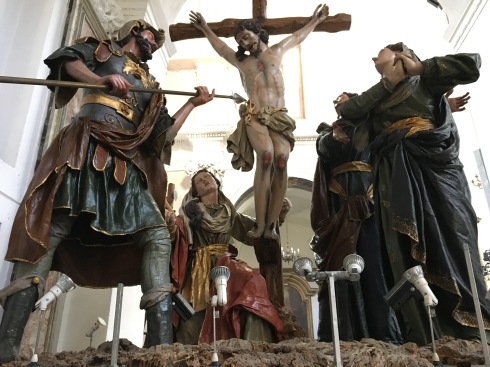
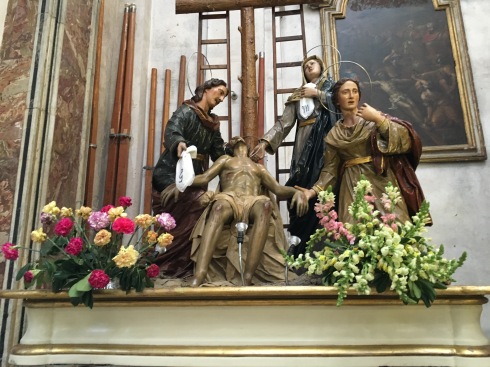
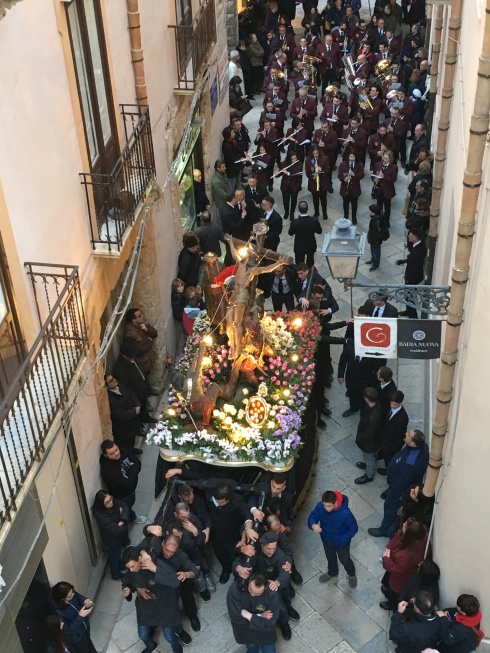
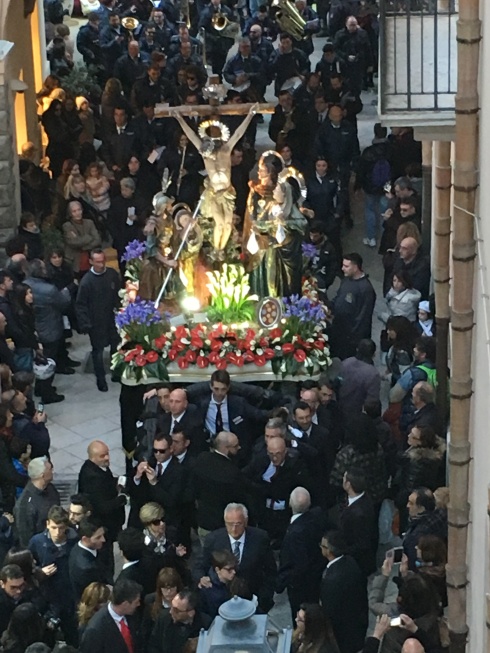
The Processione dei Misteri di Trapani is a day-long passion procession featuring twenty platforms of lifelike wood, canvas and glue sculptures of individual scenes of the events of the Passion of Christ. The Misteri are amongst the oldest continuously running religious events in Europe, having been performed every Good Friday since before the Easter of 1612, and running for at least 16 continuous hours. In Trapani, the procession runs 24 hours.

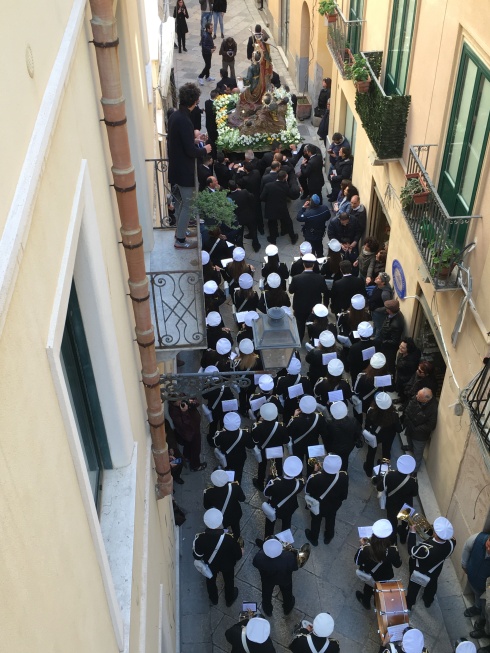
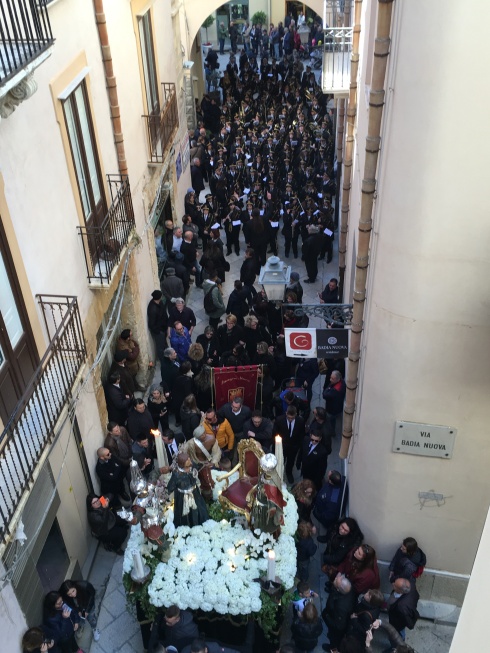
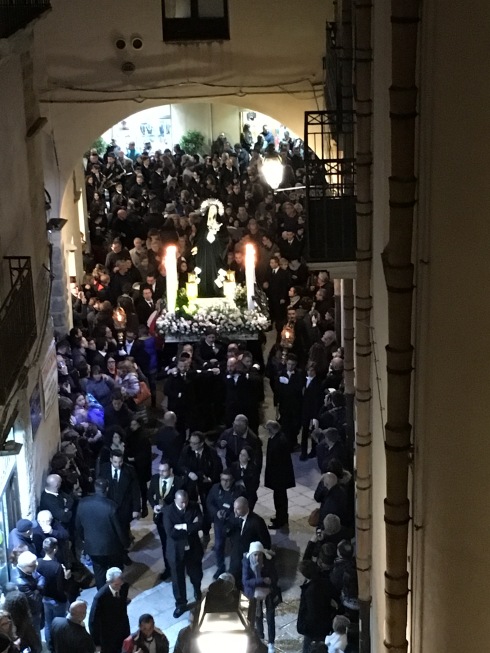
We were fortunate to view the procession from our balcony.

Every group in the procession is represented by a local tradesmen/craftsmen, e.g., fishermen, tailors, carpenters. Each carries a scene with statues and is usually accompanied by a marching band as well was flag bearers, candle holders, etc.

©Blogginginitaly.com

©Blogginginitaly.com

There can be as many as 12 men in front and another 12 in back, and they link arms with each other to maintain balance.

©Blogginginitaly.com

©Blogginginitaly.com

©Blogginginitaly.com

©Blogginginitaly.com

©Blogginginitaly.com

©Blogginginitaly.com

Our position was about one hour into the procession, with 23 more hours to go.

©Blogginginitaly.com

©Blogginginitaly.com

Truly, there was a cast of thousands involved.

©Blogginginitaly.com

©Blogginginitaly.com

The movement of the statues requires incredible coordination and stamina, and it was evident it was quite an honor among the carriers.

©Blogginginitaly.com

©Blogginginitaly.com

Each team is responsible for its own decorations and costumes and raises funds well in advance.

©Blogginginitaly.com

©Blogginginitaly.com

©Blogginginitaly.com

©Blogginginitaly.com

The bands come from the various provinces around Trapani.

©Blogginginitaly.com

©Blogginginitaly.com

©Blogginginitaly.com

©Blogginginitaly.com

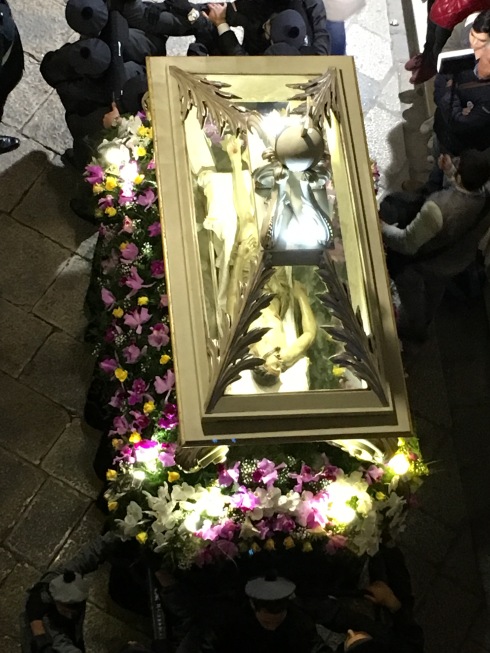
As the lit urn passed, the mood was quite solemn.

©Blogginginitaly.com

©Blogginginitaly.com

If you look carefully, you can see the body of Christ in the urn.

©Blogginginitaly.com

©Blogginginitaly.com

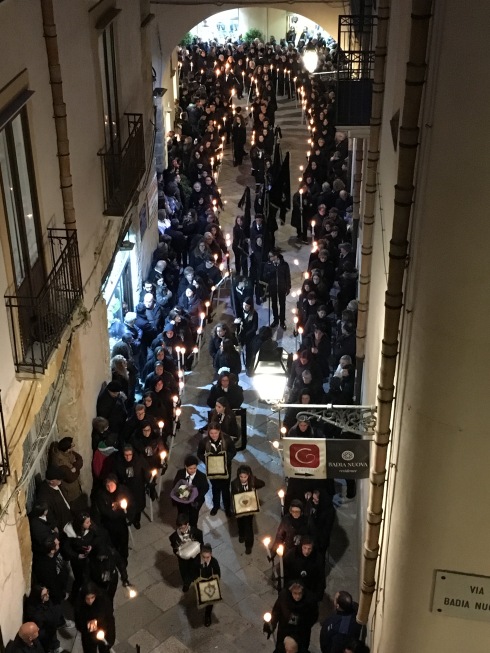
A candle lit procession preceded Our Lady of Sorrows.

©Blogginginitaly.com

©Blogginginitaly.com

©Blogginginitaly.com

©Blogginginitaly.com

Here are two short videos I took with music that really represents the tone and mood of the procession. The swaying is part of the pageantry, and the clapper you hear is what is used to stop and start the movement of the platforms, which happens about every 30 to 50 feet.

The day before the procession, we were able to see all of the life-size statues as the final preparations were made at the Church of the Purgatorio.

©Blogginginitaly.com

©Blogginginitaly.com

©Blogginginitaly.com

©Blogginginitaly.com

©Blogginginitaly.com

©Blogginginitaly.com

As you can imagine, it was quite a spectacle to behold.

Best wishes and Happy Easter. Auguri e Buona Pasqua!

Judy

Seeing a Man’s Soul

23 Mar

No matter what saying speaks to you,

  • A picture is worth a thousand words
  • Dress for Success
  • Picture Perfect
  • A man’s work defines him

this picture seems to say it all.

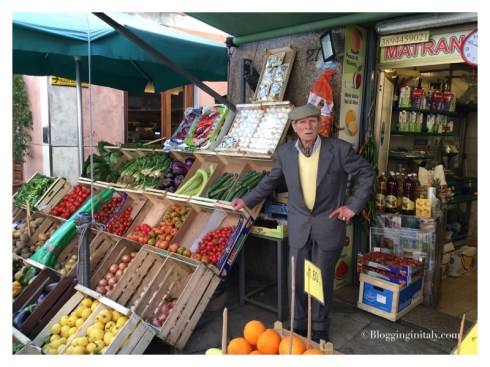
Meet Signore Matranga. He has been the proud proprietor of this Monreale fruit and vegetable market for 51 years. We bought delicious fresh strawberries from him.

blogginginitaly.com

blogginginitaly.com

But later I wondered, what was it about him that drew me in so?

According to Ted Grant, father of Canadian Photojournalism:

“When you photograph people in color, you photograph their clothes. But when you photograph people in black and white, you photograph their souls!”

Thank you, Mr. Grant, I’m quite sure that is what I saw when I met Signore Matranga and what I want to long remember about our brief encounter.

blogginginitaly.com

blogginginitaly.com

Click on the picture to enlarge.

Ciao,
Judy

Ciambra Ristorante Monreale

21 Mar

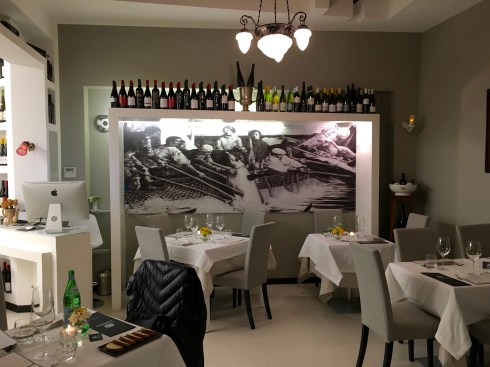
Meet Michela and Marco, owners, and Gino, master chef of Ciambra, a two-month old seafood restaurant in the oldest part of Monreale.

©Blogginginitaly.com

©Blogginginitaly.com

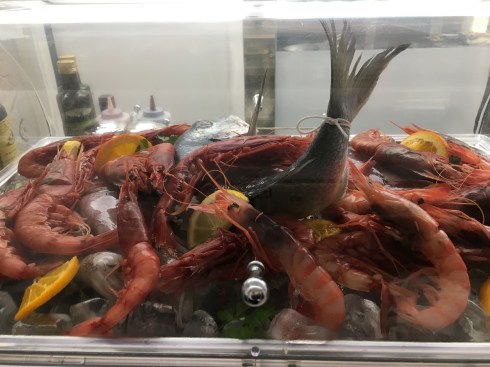
Coming to Sicily, we had expected that finding fresh seafood would be easy. But not so true for Monreale, which is on a hill overlooking Palermo and not adjacent to the sea. And then as luck would have it, we learned of a recently opened restaurant and met its owners. We had two nights left and ate at Ciambra both nights. Besides, for seafood lovers, their sign says it all.

©Blogginginitaly.com

©Blogginginitaly.com

The decor of the restaurant is lovely with great attention to detail including the flowers, table settings, artwork, etc.

©Blogginginitaly.com

©Blogginginitaly.com

But it’s the food that brings one back to Ciambra, and for good reason. Len said this might be some of the best seafood we have ever eaten. I agree.

©Blogginginitaly.com

©Blogginginitaly.com

After we were seated, we were presented with fresh sardines, mixed with scallions and red peppercorns, on grilled toast. At home, I won’t touch a sardine, but I happily ate these.

©Blogginginitaly.com

©Blogginginitaly.com

We asked Marco to select a bottle of wine for us from their large selection.

©Blogginginitaly.com

©Blogginginitaly.com

For our appetizer, we ordered the seafood caponata consisting of fresh swordfish, eggplant, celery, tomatoes, onions and olives. Wonderfully seasoned.

©Blogginginitaly.com

©Blogginginitaly.com

Then for Primo, we had linguine con vongole, one of the best we have ever eaten!

©Blogginginitaly.com

©Blogginginitaly.com

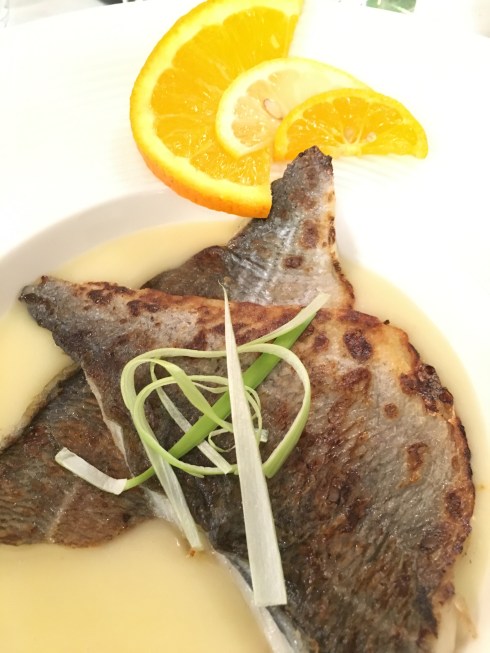
For secondo, we chose sea bass on a bed of pureed potatoes and a vegetable torte. Delectable.

blogginginitaly.com

blogginginitaly.com

blogginginitaly.com

blogginginitaly.com

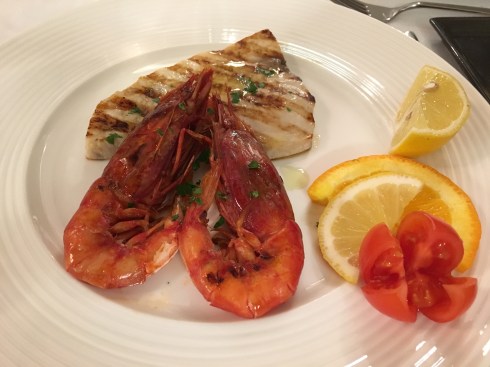
Too full for dessert, we made a reservation for the following evening, when we repeated the linguine con vongole and then chose grilled swordfish and red gamberetti for dinner. Perfect.

blogginginitaly.com

blogginginitaly.com

Although they were not on the menu, we asked for roasted potatoes.  If only my Dad could have tasted these! Amazing, and I have a feeling Chef Gino made them up just for us.

blogginginitaly.com

blogginginitaly.com

Since it was our last night, we also shared a tiramisu for dessert. Luscious.

blogginginitaly.com

blogginginitaly.com

What an unexpected find in a small town overlooking Palermo, but we are so very happy we did.

Our compliments to Chef Gino, and our very best wishes to Michela and Marco for a hundred years of success in both your restaurant and your soon to be married life together!

I nostri complimenti allo Chef Gino, ed i nostri migliori auguri a Michela e Marco per un centinaio di anni di successo sia il vostro ristorante e la vostra vita presto per sposarsi insieme!

And finally, given that we ate the linguine con vongole twice, I think I’ll leave you with another picture…if only I could share the taste and aroma! Heavenly.

blogginginitaly.com

blogginginitaly.com

Ciao,
Judy and Len

Monreale Cathedral

20 Mar

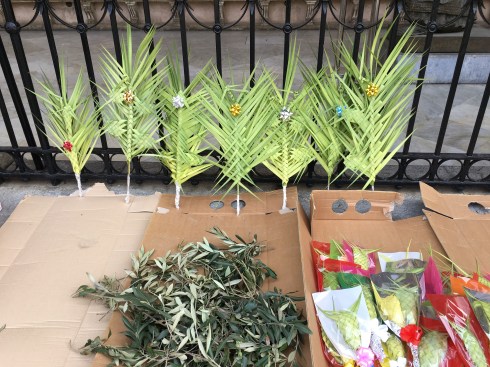
Today is Palm Sunday, a Christian feast that falls on the Sunday before Easter and commemorates Jesus’ entry into Jerusalem. Worship services on Palm Sunday include a procession of the faithful carrying palms, representing the palm branches the crowds scattered in front of Jesus as he rode into Jerusalem.  The difficulty of procuring palms in some climates led to their substitution with branches of native trees, including olive, as they also carried here in Monreale at the great Cathedral.

©Blogginginitaly.com

©Blogginginitaly.com

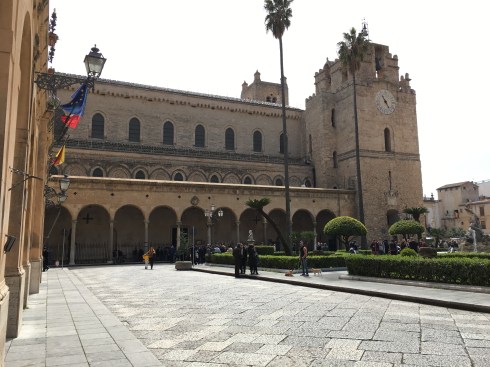
The Monreale Cathedral is one of the greatest examples of Norman architecture in the world, although, among other cathedrals, not hugely impressive on the outside.

©Blogginginitaly.com

©Blogginginitaly.com

It was begun in 1174 by William II and in 1182, it was elevated to a metropolitan cathedral. The Cathedral is a national monument of Italy and one of the most important attractions of Sicily.

©Blogginginitaly.com

©Blogginginitaly.com

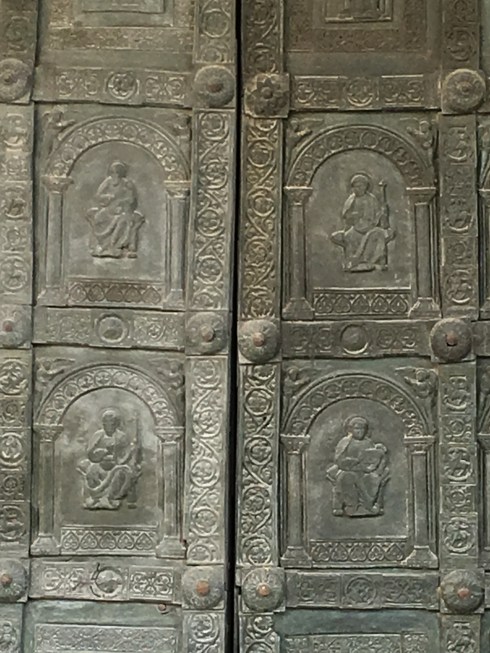
The Cathedral has two sets of Romanesque bronze doors, sculpted in 1185, of which there are only a handful remaining in Europe. They depict 42 reliefs of biblical scenes set within frames.

©Blogginginitaly.com

©Blogginginitaly.com

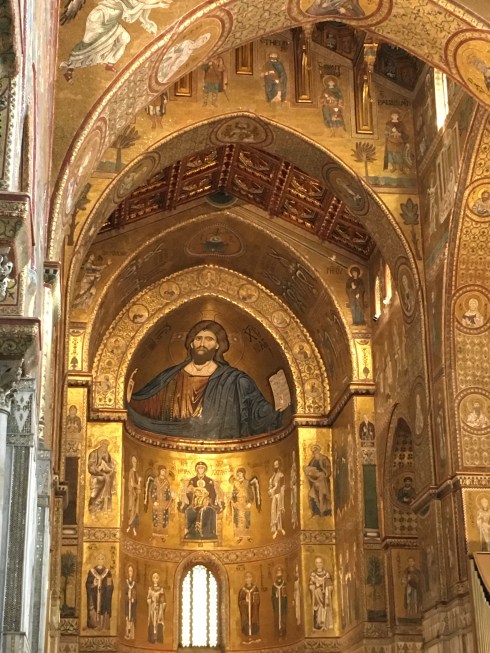
The true highlight of the Monreale Cathedral, however, is its mosaiced interior.

©Blogginginitaly.com

©Blogginginitaly.com

Dating from the 12th and 13th centuries, the golden mosaics almost completely cover the walls, aisles, transept and apse – amounting to over 68,000 square feet of coverage.

©Blogginginitaly.com

©Blogginginitaly.com

Today’s Palm Sunday mass ran for nearly two hours, and began with a blessing of the palms and a large procession including girl and boy scouts and various religious dignitaries.

©Blogginginitaly.com

©Blogginginitaly.com

Even though the service was long, I thoroughly enjoyed hearing familiar verses in Italian as well as recognizable responses. Most of all, however, I enjoyed the opportunity to gaze in awe at the mosaics and the stories they tell.

©Blogginginitaly.com

©Blogginginitaly.com

In the apse, there is a magnificent portrait of Christ Pantocrator (“Ruler of All”) gesturing in a blessing. Saints and apostles, as well old testament stories, fill the rest of the apse.

©Blogginginitaly.com

©Blogginginitaly.com

©Blogginginitaly.com

©Blogginginitaly.com

The aisles and transept depict scenes from the life of Christ, and cover practically all the surfaces of the cathedral’s walls above ground level.

©Blogginginitaly.com

©Blogginginitaly.com

The original roof was severely damaged by fire in 1811. The current roof, made of wood, is a faithfully restored reproduction, carved and painted in great detail very similar to the original roof.

©Blogginginitaly.com

©Blogginginitaly.com

All of the cathedral’s mosaic figures are set with a background of gold mosaic “tesserae” or tiles. There are 130 individual scenes depicting biblical and other religious events and many of the mosaics even include inscriptions in Latin or Greek.

©Blogginginitaly.com

©Blogginginitaly.com

I have been fortunate to visit many churches, basilicas, cathedrals, etc., in Italy, but I must say, this one is simply astonishing.

©Blogginginitaly.com

©Blogginginitaly.com

©Blogginginitaly.com

©Blogginginitaly.com

Ciao,
Judy
Palermo

19 Mar

A few nights ago, we boarded the overnight ferry from Napoli to Palermo. We had good expectations as Benita had done the same two years ago, and it did not disappoint. We enjoyed a lovely candlelit dinner in the dining room; our cabin was clean with comfortable beds; and with clear skies and calm waters, we actually slept very well.

We are staying in Monreale, just outside of Palermo, and yesterday took the local bus to see some of Palermo’s sights. It is not unlike Napoli, with huge buildings, monuments, etc, and an amazing and complex history.

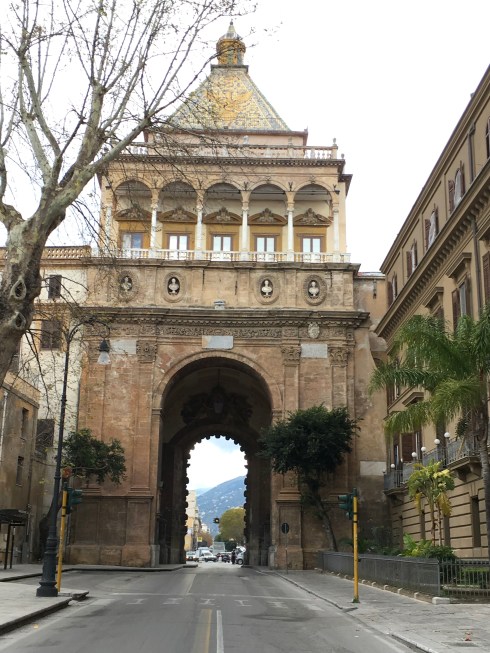
Only in a city as ancient as Palermo could a structure known as the “New Gate” date from 1583. Porta Nuova is still the main entrance to the city center from the west.

©Blogginginitaly.com

©Blogginginitaly.com

Once we walked through it, as you can see here, we immediately felt a sense of pedestrian calmness, unlike other parts of this city.

©Blogginginitaly.com

©Blogginginitaly.com

There is a pyramid-shaped roof, supported by four Moorish statues which represent the Moors defeated by Charles V in his war on the Ottoman Empire.

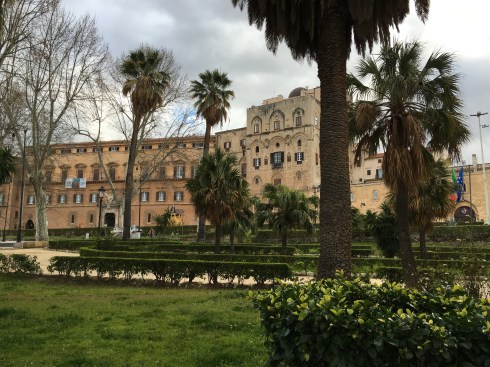
Adjacent to Porta Nuova is Palazzo Reale or the Norman Palace, which is the oldest royal residence in Europe. Today it is the seat of the Sicilian Regional Assembly. It was built by Arab Emirs around the 10th century and became the seat of sovereigns in the Kingdom of Sicily.

©Blogginginitaly.com

©Blogginginitaly.com

The Palace is surrounded by incredible gardens filled with walkways, flowers, palm trees and monuments. Is this really Palermo?

©Blogginginitaly.com

©Blogginginitaly.com

©Blogginginitaly.com

©Blogginginitaly.com

Walking along Corso Vittorio Emanuele, the imposing Palermo Cathedral comes into view.

©Blogginginitaly.com

©Blogginginitaly.com

©Blogginginitaly.com

©Blogginginitaly.com

As an architectural complex, the Cathedral, which was begun in 1170, is characterized by the presence of different styles, including baroque and neoclassical, due to a long history of additions, alterations and restorations, the last of which occurred in the 18th century. The crypt houses tombs and sarcophagi of Roman, Byzantine and Norman ages.

©Blogginginitaly.com

©Blogginginitaly.com

©Blogginginitaly.com

©Blogginginitaly.com

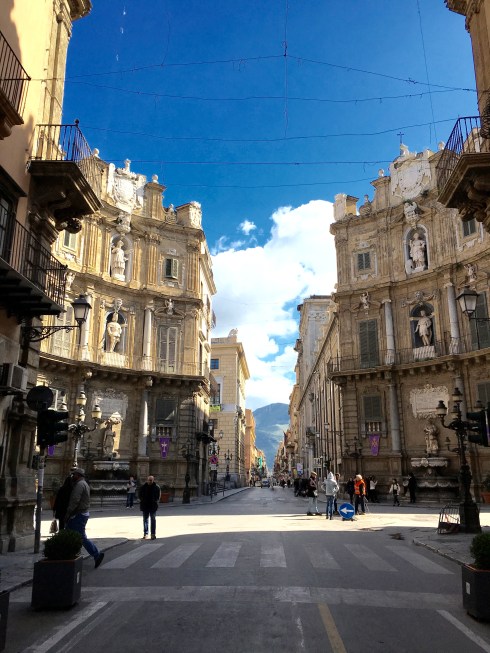
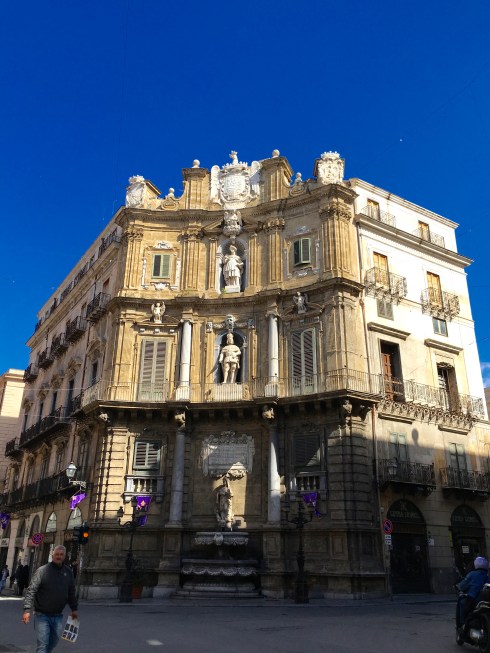
Our walk led us to the Four Corners, or Quattro Canti, officially known as Piazza Vigliena.

©Blogginginitaly.com

©Blogginginitaly.com

It was laid out between 1608-1620 at the crossing of the two principal streets in Palermo, the Via Maqueda and the Corso Vittorio Emanuele. The piazza is octagonal, four sides being the streets; the remaining four sides are buildings.

©Blogginginitaly.com

©Blogginginitaly.com

At the time the piazza was built, it was one of the first major examples of town planning in Europe.

Just a few examples of sights to see in Palermo, each of which contribute to the art, history and culture of this capital of the Italian island of Sicily.

Ciao,
Judy


Museo Cappella Sansevero’s Veiled Christ

15 Mar

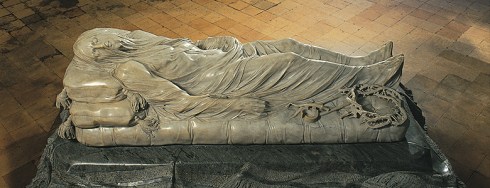
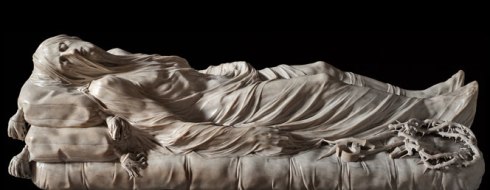
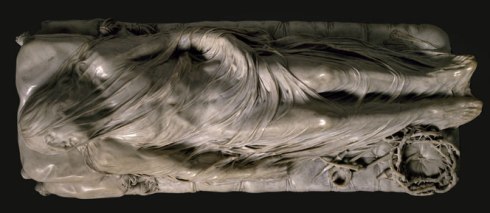
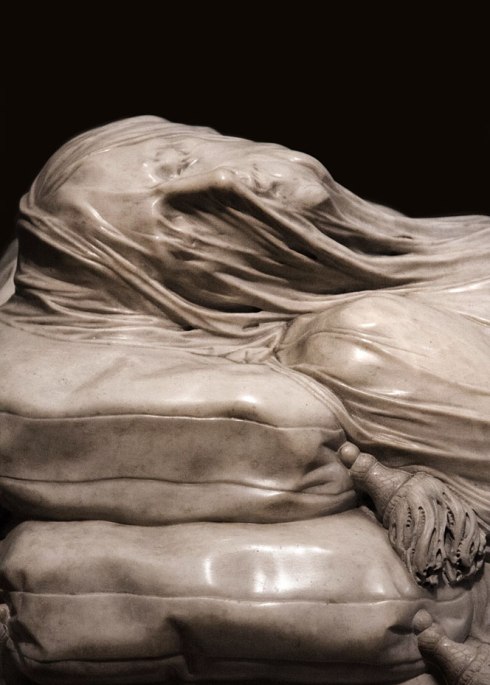
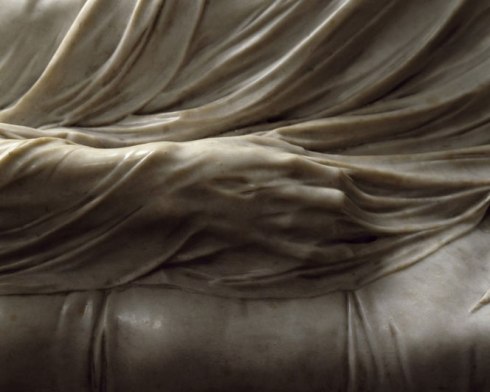
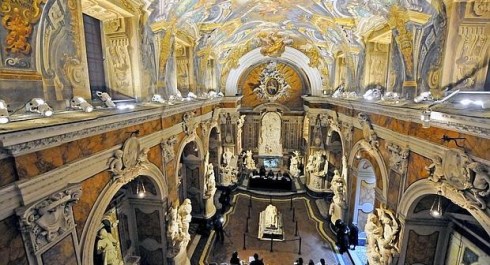
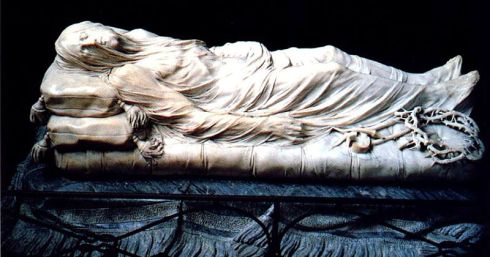
Some art is amazing, and then some is simply extraordinary. Such is the case with the  Veiled Christ sculpture in the Museo Cappella Sansevero in Napoli.

Between 1740-1770, the 7th prince of Sansevero, Raymond di Sagro, created the historic chapel that exists today.  He called on renowned artists around the world to build his family’s mausoleum, and at the same time, reflect his personality as a patron of the arts, inventor, publisher, man of letters, alchemist, and Grand Master of the Freemasons in the Kingdom of Naples.

The following description is taken from literature about Museo Cappella Sansevero:

Veiled Christ’s production was originally assigned to sculptor Antonio Coradini, however,  he died a short time later. The assignment thus passed to Giuseppe Sanmartino, who was charged with producing “a marble statue sculpted with the greatest realism, representing Our Lord Jesus Christ in death, covered by a transparent shroud carved from the same block of stone as the statue.” 

Sanmartino produced a work with the dead Christ laid on a couch, covered by a veil which adheres perfectly to his form. The mastery of the Neapolitan sculptor lies in his successful depiction of the suffering that Christ had undergone during the crucifixion through the veil, under which signs of his pain can be seen on his face and body.

At the sculpture’s feet, the artist also carved the instruments of his torture: the crown of thorns, pliers, and some shackles. 

Years ago as a student in Italy, I was able to get close to Michelangelo’s Pietà and David, and even photograph them. Such is not the case today in both Rome and Firenze. Yet in this “small” and private chapel, although photos are not permitted, one can get very close to the sculpture and marvel at its intricacies.

There are other incredible sculptures and paintings in the chapel, but mostly I found it hard to move from the Veiled Christ, a sculpture I had not even known existed. How did he do this? I kept wondering. How?

For me, this sculpture ranks right up there with both the Pietà and David. Exquisite, incredible, straordinaria!

Creative Commons

Creative Commons

Click on any of the photos to enlarge for more detail. Also, for additional information on this museum and treasures, click museosansevero.it

Ciao,
Judy
 

Make No Small Things

14 Mar

Being from Chicago, I am very familiar with the words of Daniel Burnham:

Make no little plans; they have no magic
to stir men’s blood and probably themselves will not be realized.

As I wander around Napoli, I wonder who said,

Make no small things, and make them colorful.
They will need to stir men’s sense of wonder and last forever.

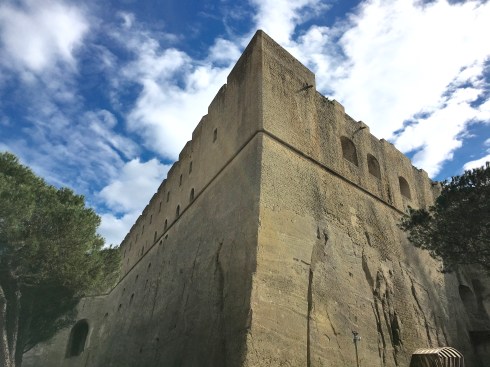
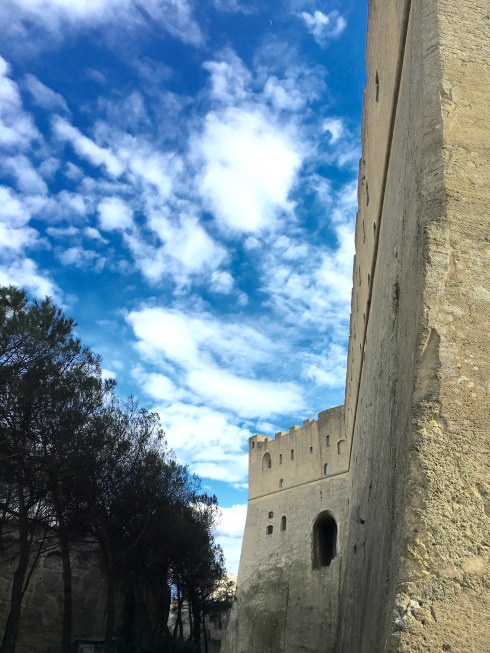
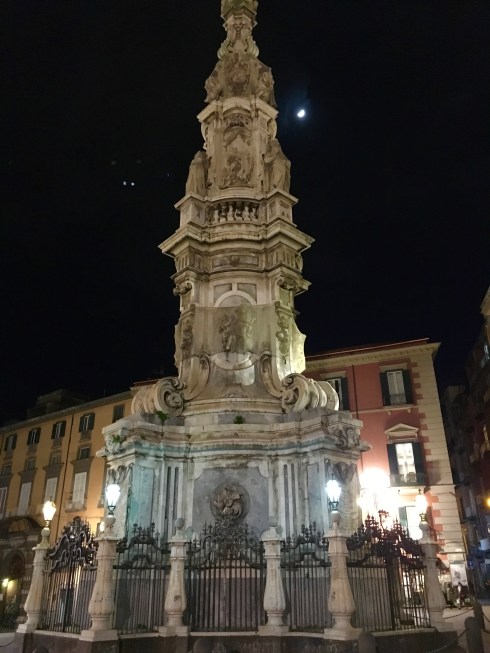
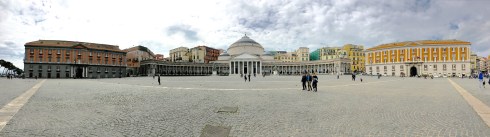
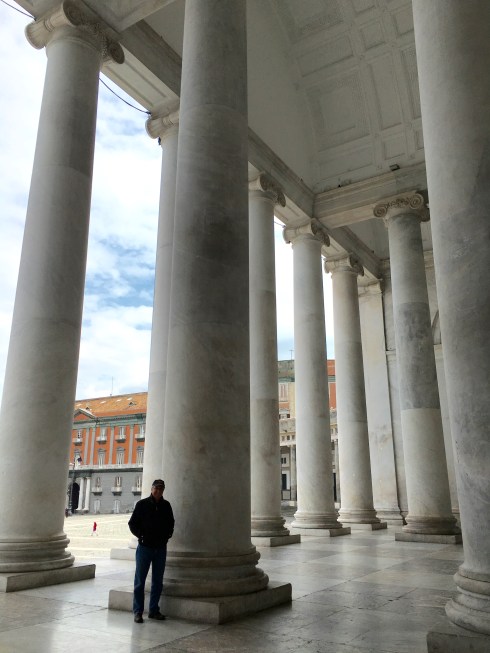
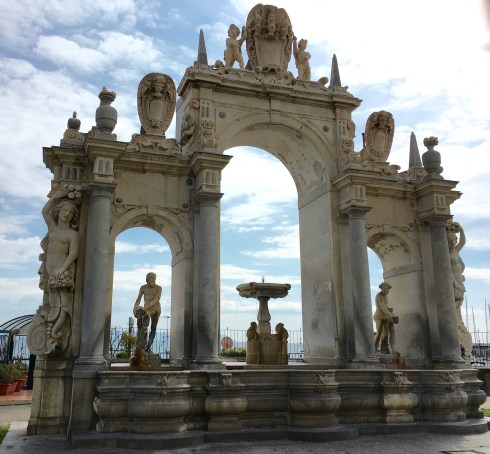
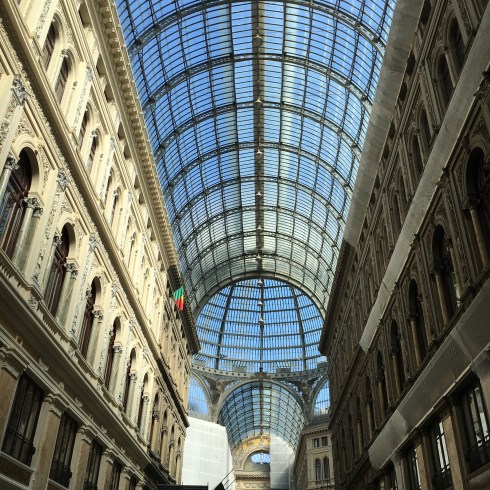
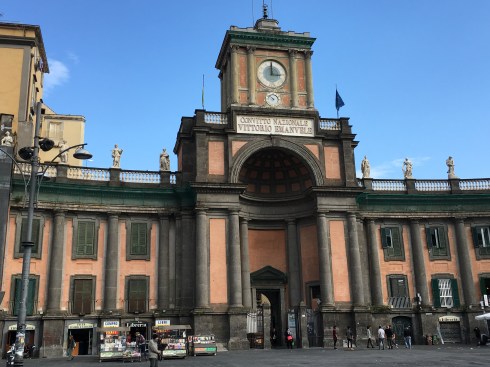
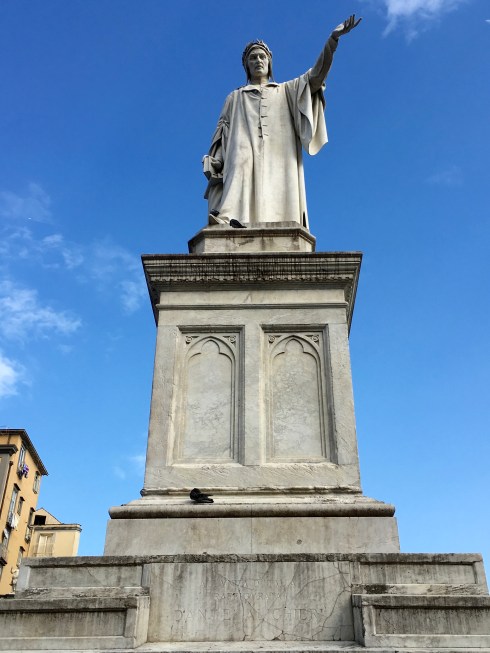
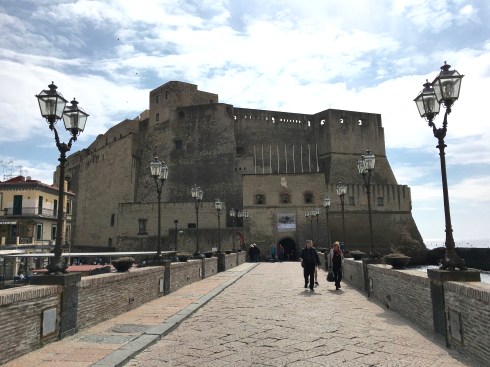
Whether referring to churches, piazzas, statues, buildings, harbors, fortresses, castles, etc., there is nothing small about Napoli. Here are just a few examples.

©Blogginginitaly.com

©Blogginginitaly.com

©Blogginginitaly.com

©Blogginginitaly.com

©Blogginginitaly.com

©Blogginginitaly.com

©Blogginginitaly.com

©Blogginginitaly.com

©Blogginginitaly.com

©Blogginginitaly.com

©Blogginginitaly.com

©Blogginginitaly.com

©Blogginginitaly.com

©Blogginginitaly.com

©Blogginginitaly.com

©Blogginginitaly.com

©Blogginginitaly.com

©Blogginginitaly.com

©Blogginginitaly.com

©Blogginginitaly.com

©Blogginginitaly.com

©Blogginginitaly.com

©Blogginginitaly.com

©Blogginginitaly.com

©Blogginginitaly.com

©Blogginginitaly.com

©Blogginginitaly.com

©Blogginginitaly.com

©Blogginginitaly.com

©Blogginginitaly.com

©Blogginginitaly.com

©Blogginginitaly.com

©Blogginginitaly.com

©Blogginginitaly.com

Ciao,
Judy