Passignano

14 May

After three house-bound days with the flu and tethered to my bathroom, the sun came out and so did I. Clean hair and lipstick do a girl wonders.

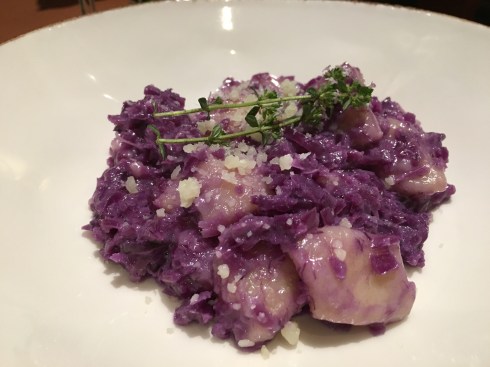
We headed to Tuscher for lunch. While the others had delicious gnocchi with red cabbage,
©Blogginginitaly.com

©Blogginginitaly.com

I was happy with plain eggs and toast. It was so good to be eating again.

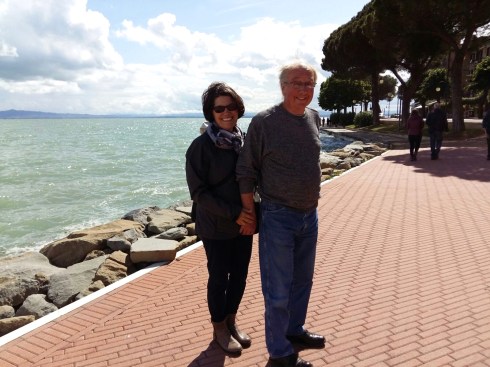
After lunch, we took a drive to Passignano sul Trasimeno in Umbria, one of about eight towns that surround the lake, and about 13 miles from Cortona.

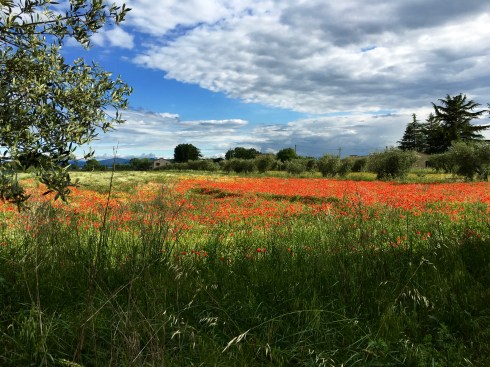
We avoid highways whenever possible and are always rewarded with incredible scenery. At this time of year, wild poppies, or papaveri, are abundant .
©Blogginginitaly.com

©Blogginginitaly.com

Being a lake town, there are many restaurants, cafes, and shops
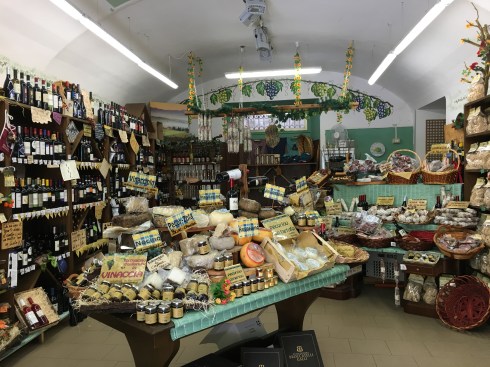
©Blogginginitaly.com

©Blogginginitaly.com

and today also a market.
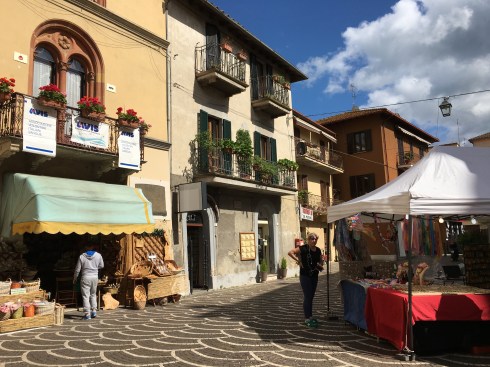
©Blogginginitaly.com

©Blogginginitaly.com

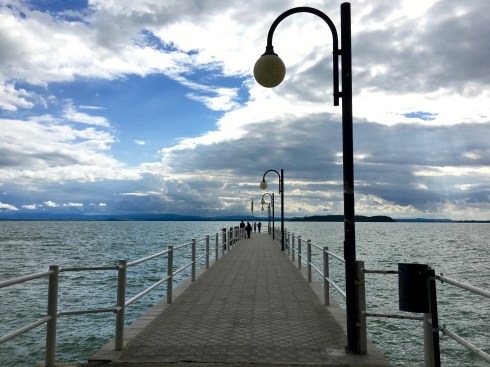
The lake has three main islands, Polvese, Maggiore, and Minore, and Passignano is one of the towns with ferry service.
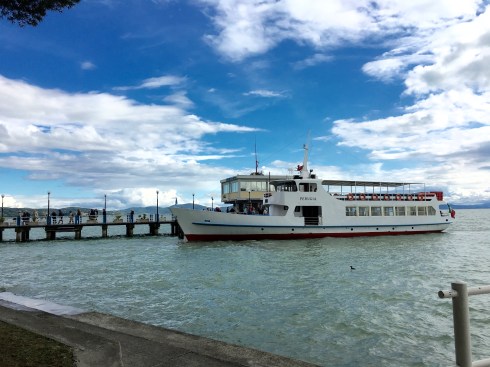
©Blogginginitaly.com

©Blogginginitaly.com

The second largest island, Maggiore, is the only inhabited one. A small fishing village, which reached its height in the 14th century, today has only around thirty residents. Most of the buildings, including the ruins of a Franciscan monastery, date from the 14th century. It is on this island where St. Francis is said to have spent time. We didn’t visit the islands today, but there is a beautiful statue of  St. Francis along the lakefront.
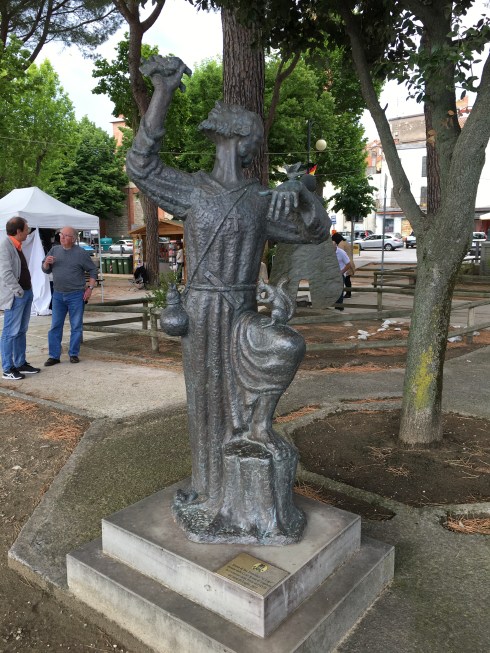
©Blogginginitaly.com

©Blogginginitaly.com

While Passignano has a hilly historic center, we opted for the flat walk along the lake today, and it was perfect.
©Blogginginitaly.com
©Blogginginitaly.com

©Blogginginitaly.com

©Blogginginitaly.com

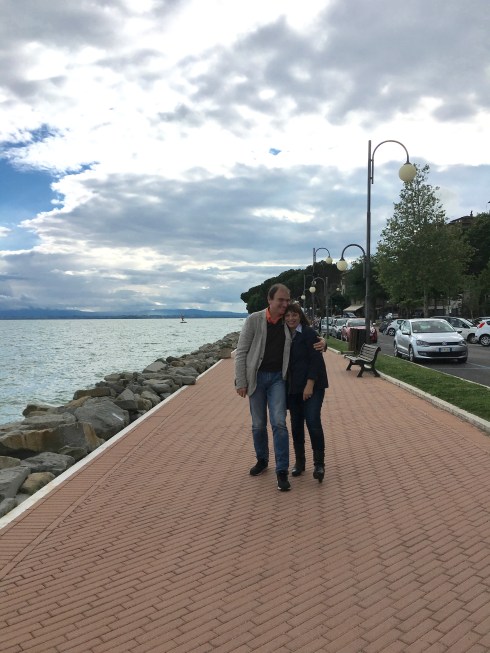
And then we bumped into this cute couple…oh wait, we came with them.
©Blogginginitaly.com

©Blogginginitaly.com

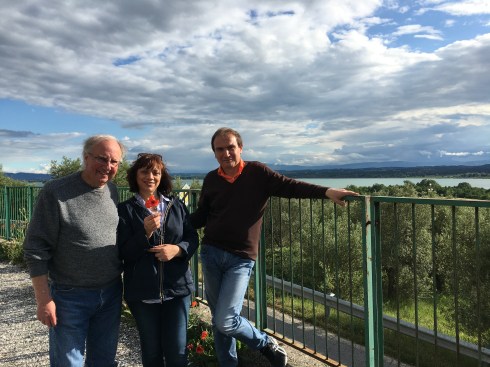
After two relaxing hours, we started for home, but stopped for a glimpse of Castiglione del Lago, the only peninsula town along the lake.

©Blogginginitaly.com
©Blogginginitaly.com

©Blogginginitaly.com

©Blogginginitaly.com

As we neared Cortona, we were once again rewarded with nature at its best as the sun set over the Tuscan olive groves.

©Blogginginitaly.com

©Blogginginitaly.com

A perfectly lovely day. Just what the patient needed!

Ciao,
Judy


Celebrating the Dottoressa

10 May

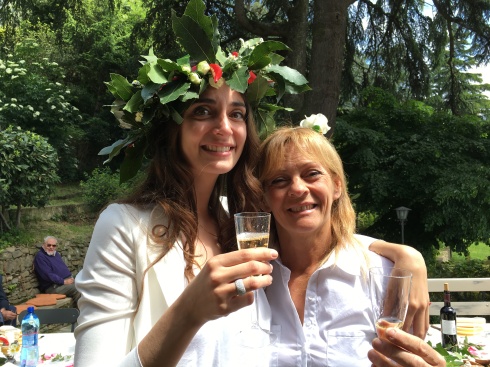
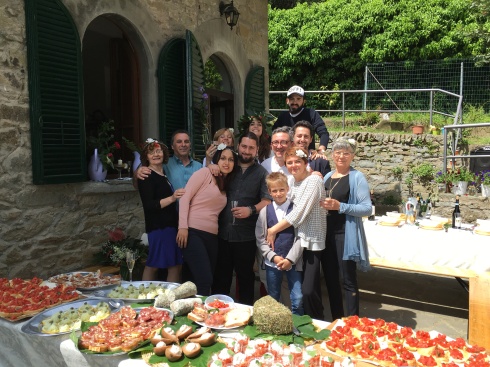
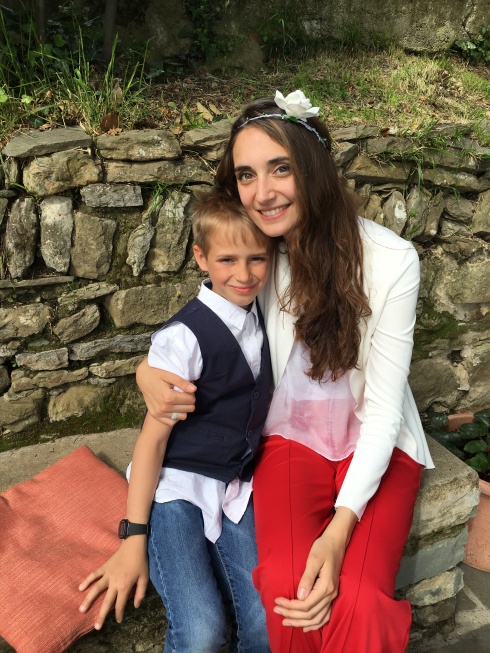
Micol, niece of Dani and Massimo, earned her Masters degree yesterday in Firenze. She thought the family was going to celebrate in a restaurant in Cortona, but a beautiful surprise luncheon awaited her, hosted by her aunt and uncle, in their garden – a perfect Tuscan setting.

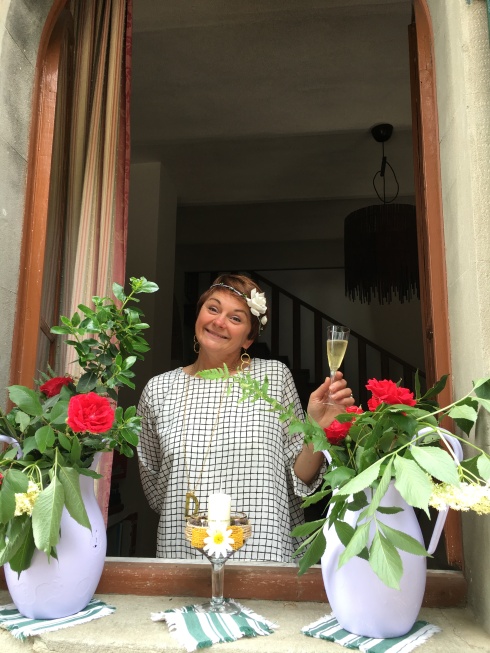
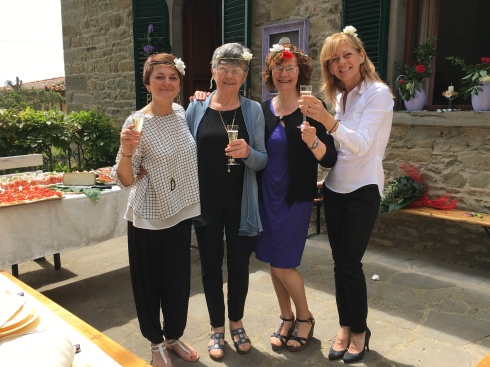
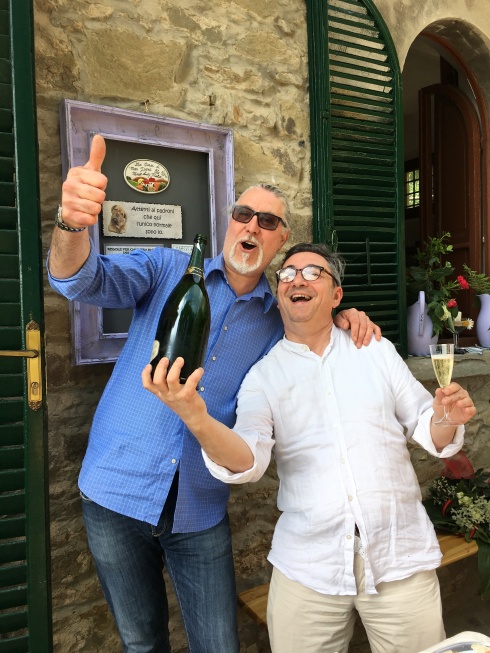
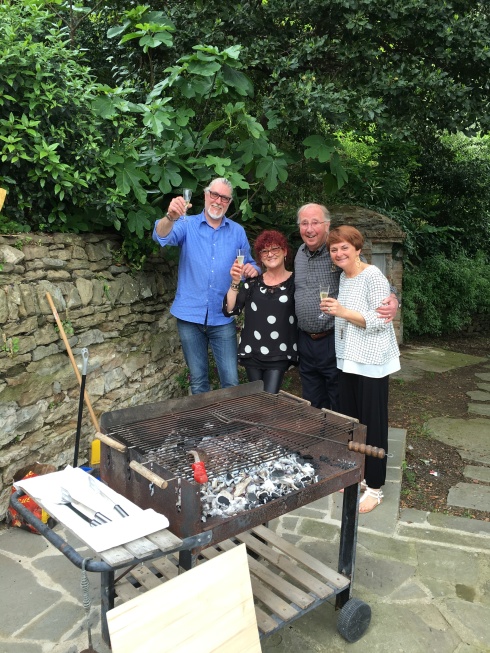
Massimo and sons left about 7 am for Firenze to be at the graduation ceremony. In the meantime, the “work crew” arrived early to assist Dani, who had been working tirelessly for about 10 days for her niece’s party.  These photos, with prosecco, were taken AFTER our work was complete!

Massimo, Len and Francesco (no photo) took care of the outside work,

©Blogginginitaly.com

©Blogginginitaly.com

while Lori and I assisted Dani in the kitchen.  She even made garlands for the women to wear.

©Blogginginitaly.com

©Blogginginitaly.com

Lucky was assigned look-out duty, and would alert us to their arrival.

©Blogginginitaly.com

©Blogginginitaly.com

Daniela wanted everything to be perfect, and perfect it was.

©Blogginginitaly.com

©Blogginginitaly.com

©Blogginginitaly.com

©Blogginginitaly.com

©Blogginginitaly.com

©Blogginginitaly.com

Even the sun cooperated.

©Blogginginitaly.com

©Blogginginitaly.com

The hostess was ready for her guests

©Blogginginitaly.com

©Blogginginitaly.com

who arrived around 1:30.

©Blogginginitaly.com

©Blogginginitaly.com

©Blogginginitaly.com

©Blogginginitaly.com


©Blogginginitaly.com

©Blogginginitaly.com

Time for champagne and family photos…

©Blogginginitaly.com

Dani and sisters©Blogginginitaly.com

©Blogginginitaly.com

Micol and Mom©Blogginginitaly.com

©Blogginginitaly.com

Mom and daughters©Blogginginitaly.com

©Blogginginitaly.com

©Blogginginitaly.com

©Blogginginitaly.com

©Blogginginitaly.com

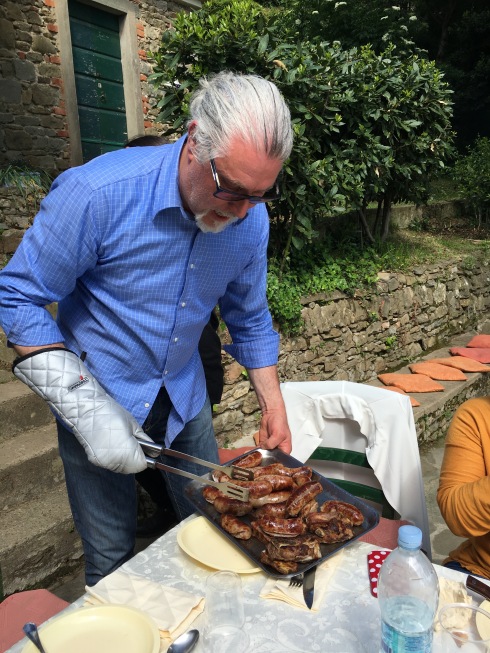
And finally time for lunch, which included lasagna, eggplant, stuffed tomatoes, grilled sausages and beef ribs.

©Blogginginitaly.com

©Blogginginitaly.com

©Blogginginitaly.com

©Blogginginitaly.com

After we couldn’t eat another thing, Niccolo treated us to some music.

©Blogginginitaly.com

©Blogginginitaly.com

Some joined in,

©Blogginginitaly.com

©Blogginginitaly.com

others relaxed,

©Blogginginitaly.com

©Blogginginitaly.com

©Blogginginitaly.com

©Blogginginitaly.com

and some of us kicked up our heels.

©Blogginginitaly.com

©Blogginginitaly.com

©Blogginginitaly.com

©Blogginginitaly.com

My favorite photo of Dani and Massimo!

©Blogginginitaly.com

©Blogginginitaly.com

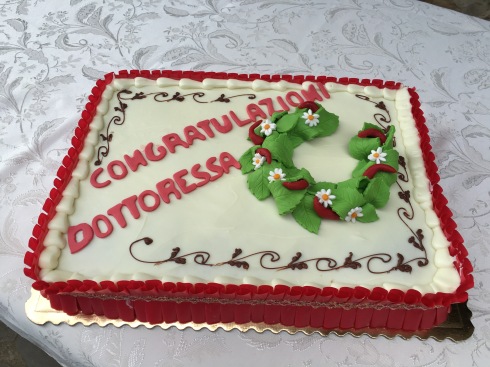
After cutting the cake,

©Blogginginitaly.com

©Blogginginitaly.com

Micol took to the mic to thank her relatives not only for the day, but for a lifetime of support.

©Blogginginitaly.com

©Blogginginitaly.com

Dani, I think all agree your party was a gift Micol will always remember.

©Blogginginitaly.com

©Blogginginitaly.com

©Blogginginitaly.com

©Blogginginitaly.com

Congratulazioni Dottoressa,

Dottoressa

©Blogginginitaly.com

And salute to three beautiful generations of your family!

©Blogginginitaly.com

©Blogginginitaly.com

Ciao,
Judy


Celebrating Women

8 May

Mother’s Day always reminds me of how fortunate I am to be part of a long line
of strong, intelligent and loving Italian women who will always be a part of me –

Maude©Blogginginitaly.com

Maude©Blogginginitaly.com

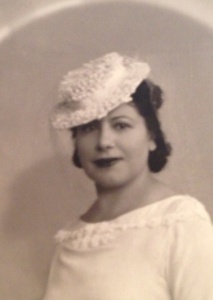
Serafina©Blogginginitaly.com

Serafina©Blogginginitaly.com


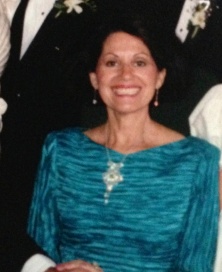
Benita©Blogginginitaly.com

Benita©Blogginginitaly.com

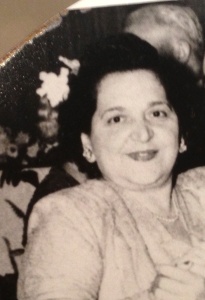
©Blogginginitaly.com

Aunt Marilyn, Mom, Aunt Kiki©Blogginginitaly.com

and one who still is!

©Blogginginitaly.com

Aunt Marion©Blogginginitaly.com

It is also a time to celebrate subsequent generations –
my incredible sisters, nieces and cousins, who are not only amazing Mothers,
but determined women who incorporate
the traditions we learned from our ancestors as they create new ones.

  And though not related, I want to acknowledge the
dear friends/wonderful Mothers
I have met throughout my life’s journeys. You know who you are!

To all, I wish you a very
Happy Mother’s Day – Buona Festa della Mamma!

©Blogginginitaly.com

©Blogginginitaly.com

Ciao,
Judy

A Life Well Lived

1 May

As the sun sets over the valley,

©Blogginginitaly.com

©Blogginginitaly.com

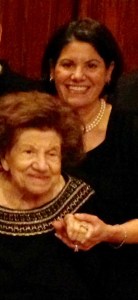
so too does the smile and love of a most kind and remarkable woman, Aunt Kiki,

©Blogginginitaly.com

©Blogginginitaly.com

who graced us for nearly 94 wonderful years.

©Blogginginitaly.com

©Blogginginitaly.com

Sending my love, thoughts and prayers from afar, yet so very close in my heart.

With love,
Judy

Festa della Liberazione

25 Apr

In Italy, April 25th is a national holiday celebrating the country’s liberation from Nazi occupation in 1945.

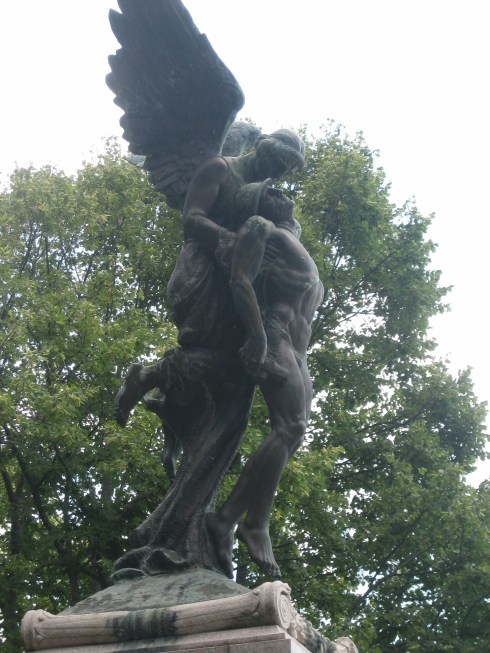
Although it is quite chilly in Cortona, the band marched through the streets and placed a wreath  at the statue dedicated to those who fought and died for freedom.

©Blogginginitaly.com

©Blogginginitaly.com

An important day to remember, especially for those of us who love being in Italy.

Ciao,
Judy

Happy Birthday Vespa

24 Apr

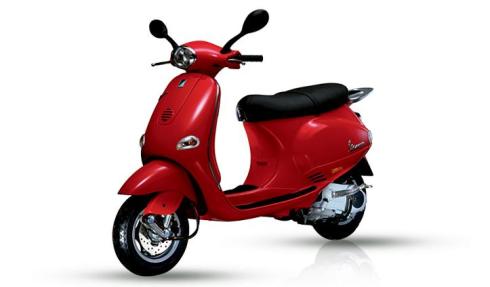
70 years ago, on 23 April 1946, Piaggio e C. S.p.A. filed for a patent for a “motorcycle of a rational complexity of organs and elements combined with a frame with mudguards and a casing covering the whole mechanical part.” Hence, the Vespa was born.

In Italian, the word Vespa means wasp. Many think the name refers to the sound it makes, but actually the scooter’s name is derived from the vehicle’s body shape: the thicker rear part connected to the front part by a narrow waist.

The Vespa was born of need. After the WWII, Italy’s economy was crippled and the state of the roads was disastrous. Enrico Piaggio, the son of Piaggio’s founder, decided that since the company was no longer building aircraft, he would  leave the aeronautical field and address Italy’s urgent need for a modern and affordable mode of transportation for the masses.

From their inception, Vespa scooters have been known for their painted, pressed steel unibody which combines a complete cowling for the engine (enclosing the engine mechanism and concealing dirt or grease), a flat floorboard (providing foot protection), and a prominent front fairing (providing wind protection) into a structural unit.

Perhaps the most known Vespa ride was that taken by Gregory Peck and Audrey Hepburn around Rome in the 1952 film Roman Holiday.

A Paramount Picture, William Wyler's Production

A Paramount Picture, William Wyler’s Production

There have been many different versions of the Vespa and today, several series are in production.

According to Vespa.com,

The first sales of Vespa were managed through a small dealer network and the price of the standard model was 55,000 lire, [a bit over $200] while the deluxe version was sold for 66,000 lire. 

Here’s a brief walk through some of Vespa’s history. Photos from Vespa.com.


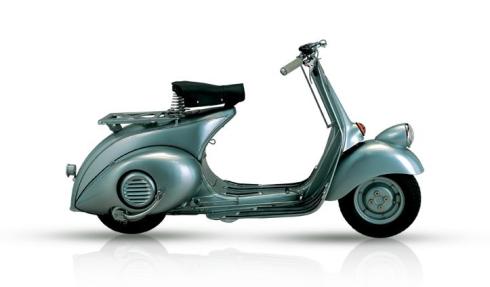
Vespa.com 1946 Original Vespa

Vespa.com Original Vespa 98 1946

Vespa.vom VESPA 98 CORSA CIRCUITO 1947

Vespa.vom VESPA 98 CORSA CIRCUITO 1947

Vespa.com Vespa 98 II Seire-1947-1948

Vespa.com Vespa 98 II Seire-1947-1948

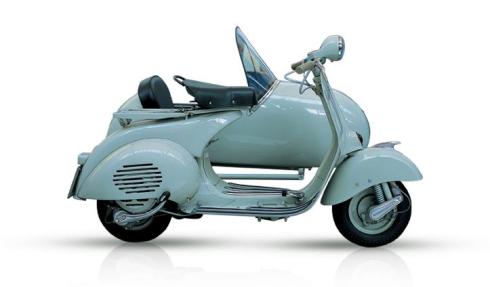
Vespa.com Vespa 150 Side-Car-1955

Vespa.com Vespa 150 Side-Car-1955

Vespa.com Vespa 125 (VNA)- 1958

Vespa.com Vespa 125 (VNA)- 1958

Vespa.com vespa rally 200- 1976

Vespa.com vespa rally 200- 1976

Vespa.com Vespa 50 S- 1985

Vespa.com Vespa 50 S- 1985

Vespa.com VespaET2ET41996

Vespa.com VespaET2/ET4 1996

Vespa.com 2005_lx

Vespa.com 2005_lx

And today’s anniversary models…

Vespa.com

Vespa.com

If it weren’t quite so hilly in Cortona, we’d have bought one already. So tempting.  Which is your favorite???

Ciao,
Judy


Planting an Orto

22 Apr

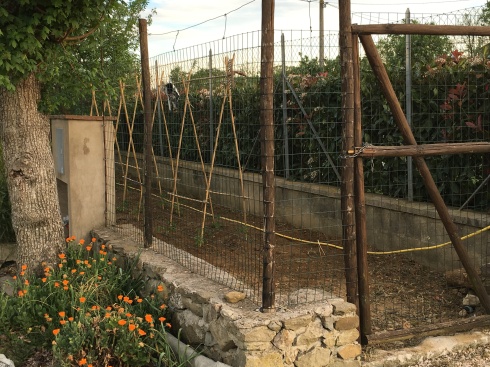
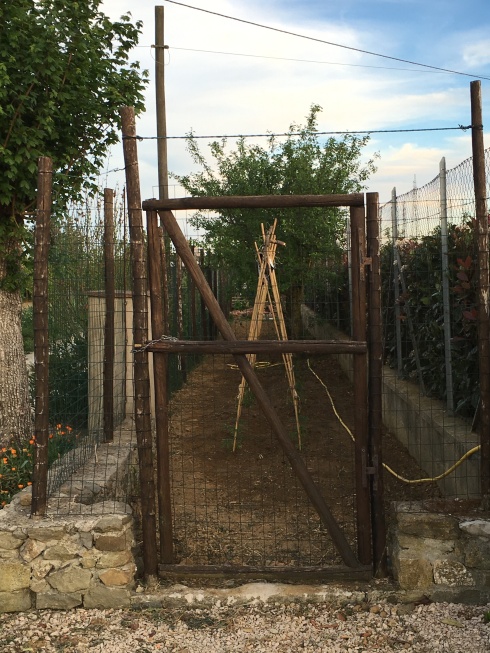
Recently, we visited a friend’s house in the country, a short 15 minute drive from Cortona. Although there were pretty flowers in pots and along the walkways, Len inquired about the vegetable garden. Doesn’t every home in the country have one?  “I’ve never had the time,” replied our friend, somewhat sadly, as she showed us the area where one would be planted. We also got a short Italian lesson..  a flower garden is giardino; a vegetable garden is orto.

Len and I looked at each other, smiled, and quickly asked if we could plant one together. Her eyes and smile said certo!

This week, the weather was nice enough to begin the work.

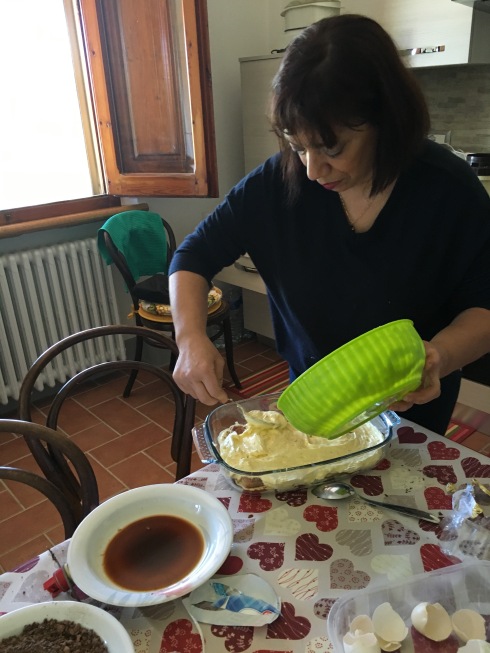
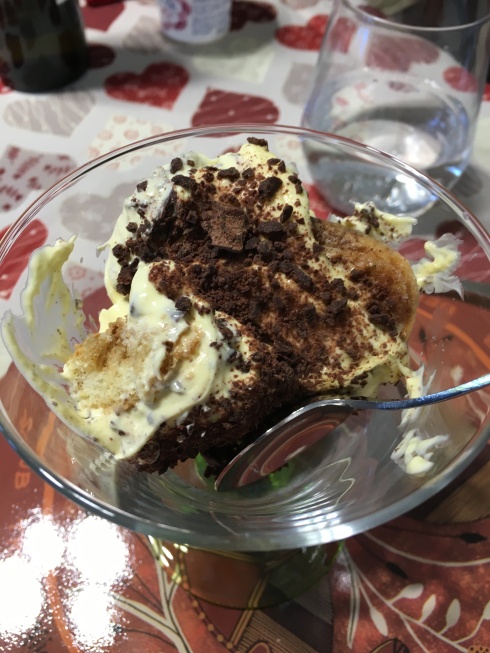
When we arrived, Fernanda was busy in the kitchen preparing lunch. Whether olive picking or planting an orto, a proper Italian lunch is always part of the day. She was making tiramisu from fresh eggs from her mother’s chickens.

©Blogginginitaly.com

©Blogginginitaly.com

And this was our day:

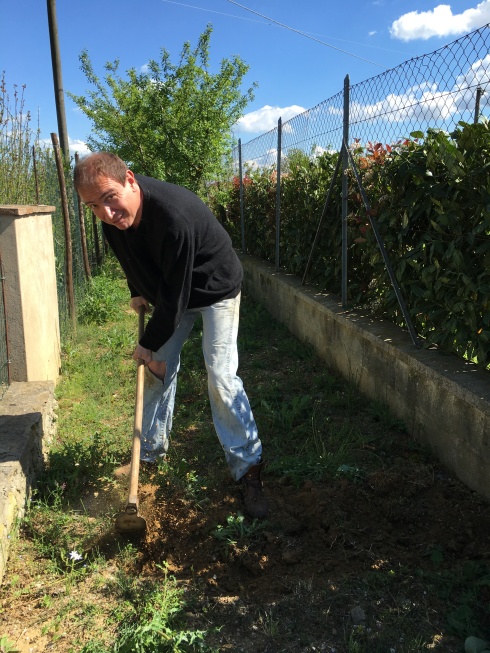
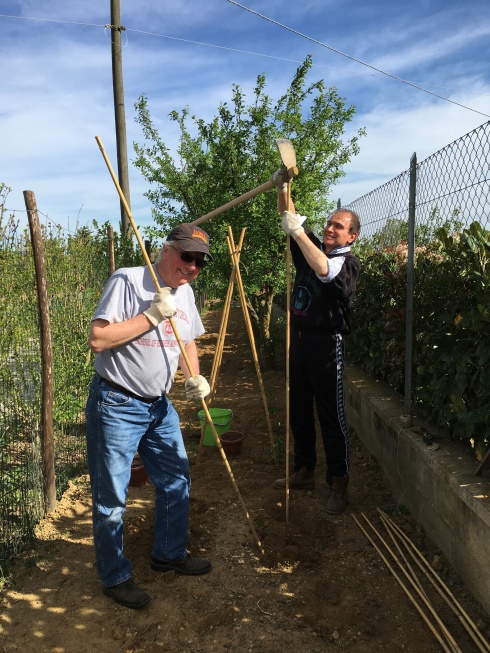
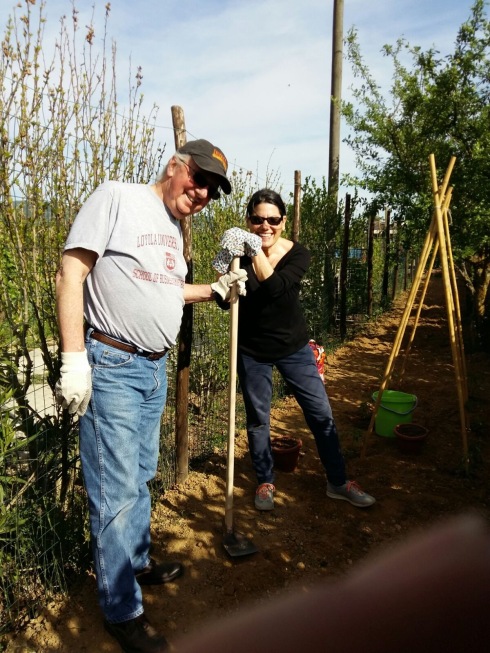
Outside, the area was being prepared by Carlo with help from Len.

©Blogginginitaly.com

©Blogginginitaly.com

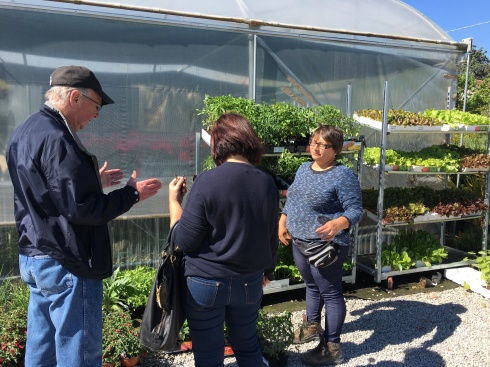
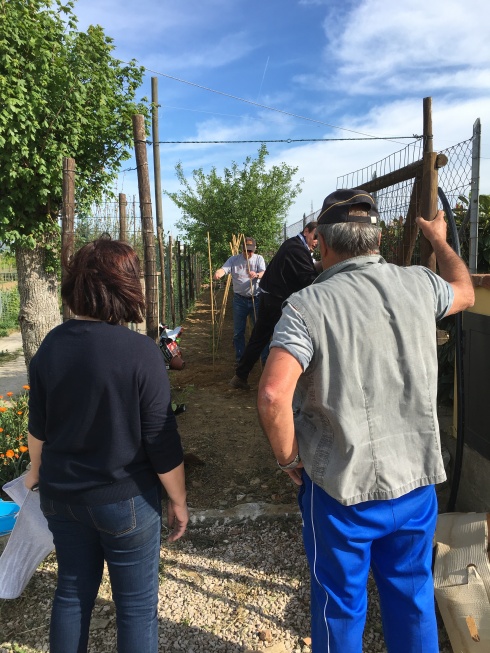
Then a trip to the nursery to pick the vegetables. The master planners were at work, selecting  the tomatoes, zucchini, onions and peppers, as well as dirt, tools, supports, etc.

©Blogginginitaly.com

©Blogginginitaly.com

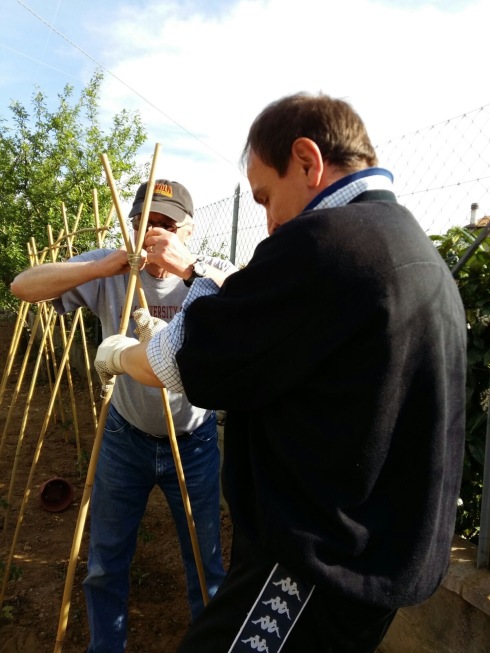
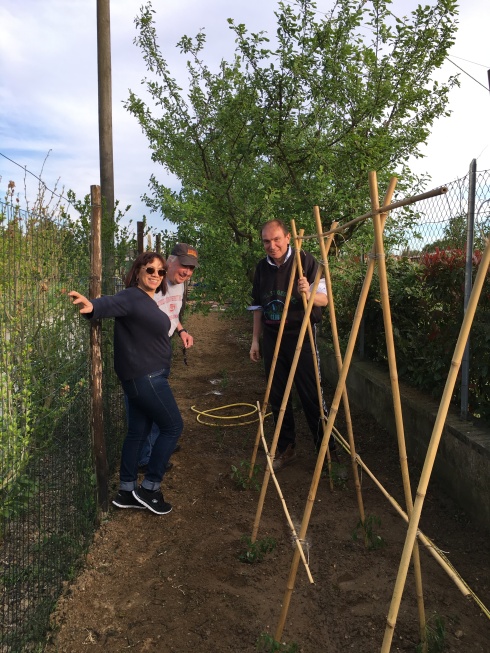
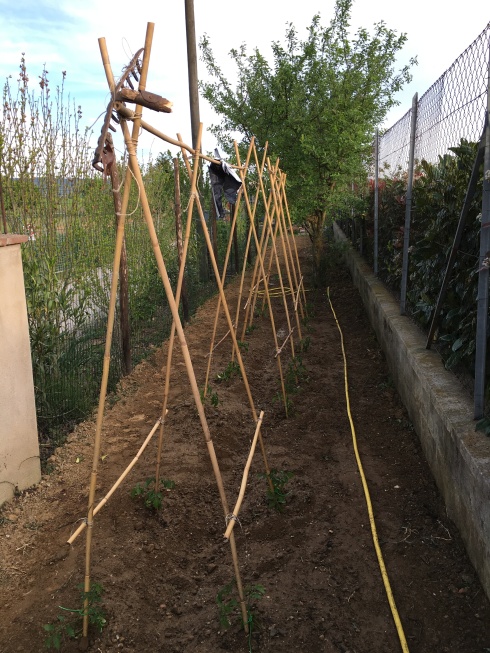
Next it was time to build the cross trellises for the tomatoes, a rather elaborate and tedious process.

©Blogginginitaly.com

©Blogginginitaly.com

©Blogginginitaly.com

©Blogginginitaly.com

After many hours, time for a well-deserved break and lunch.

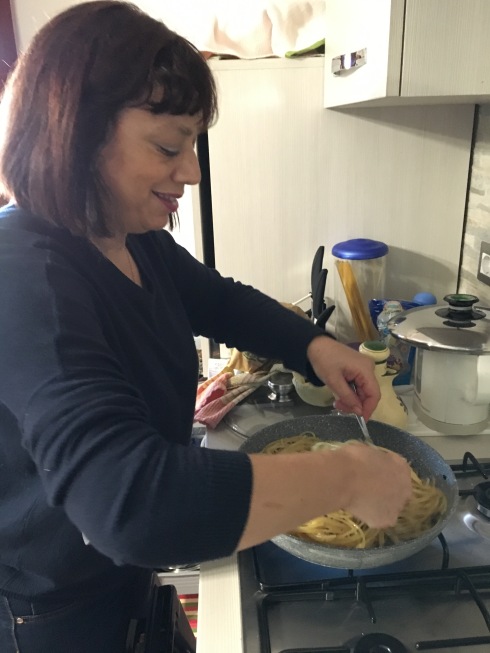
Alio e olio con peperoncino

olio e alio con peperoncino ©Blogginginitaly.com

©Blogginginitaly.com

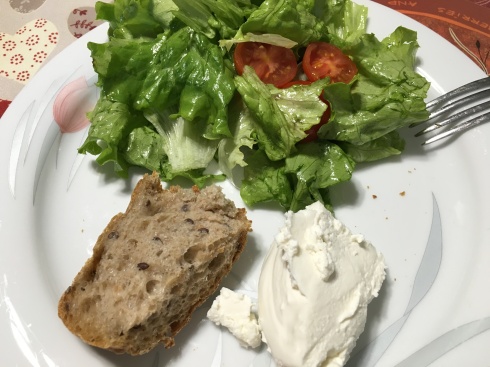
Salad, fresh ricotta and dark bread

©Blogginginitaly.com

©Blogginginitaly.com

Tiramisu

©Blogginginitaly.com

©Blogginginitaly.com

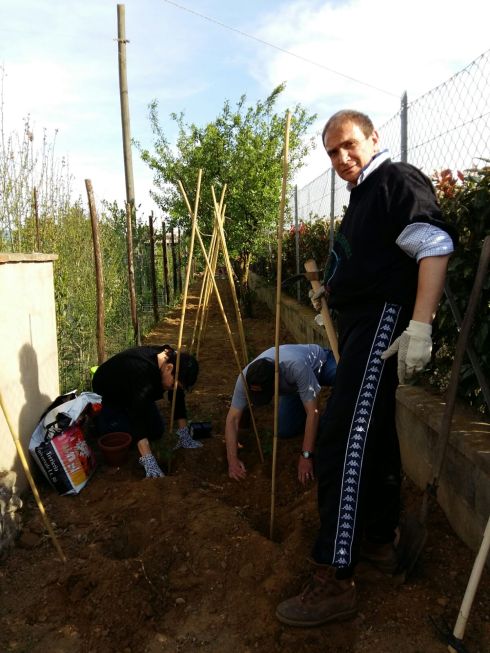
Then back to work to plant the vegetables.

©Blogginginitaly.com

©Blogginginitaly.com

And advice from the neighbor to add more canes horizontally to support the tomatoes as they grow.

©Blogginginitaly.com

©Blogginginitaly.com

©Blogginginitaly.com

©Blogginginitaly.com

Finally, add water.

©Blogginginitaly.com

©Blogginginitaly.com

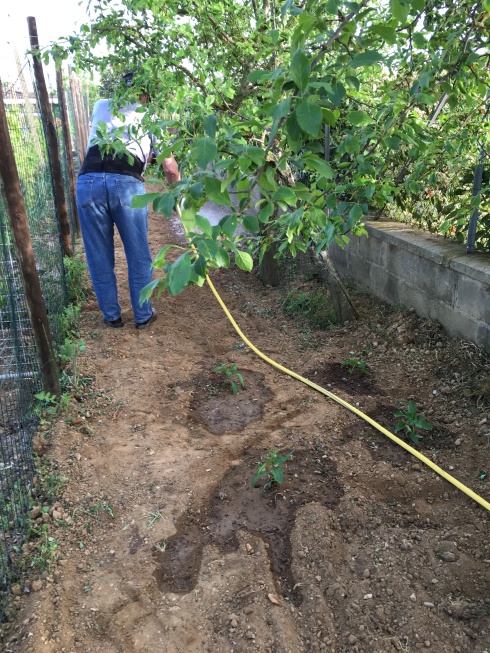
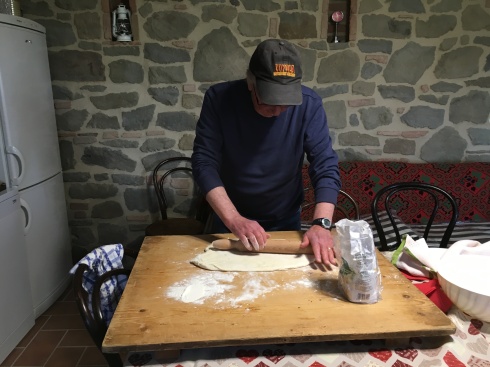
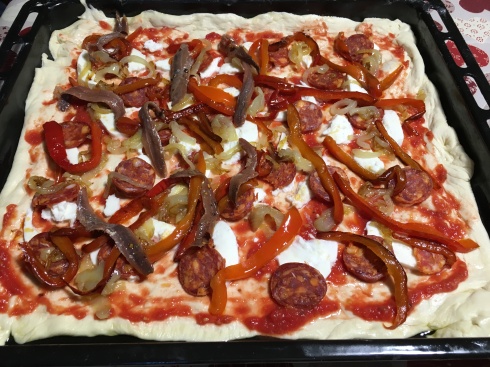
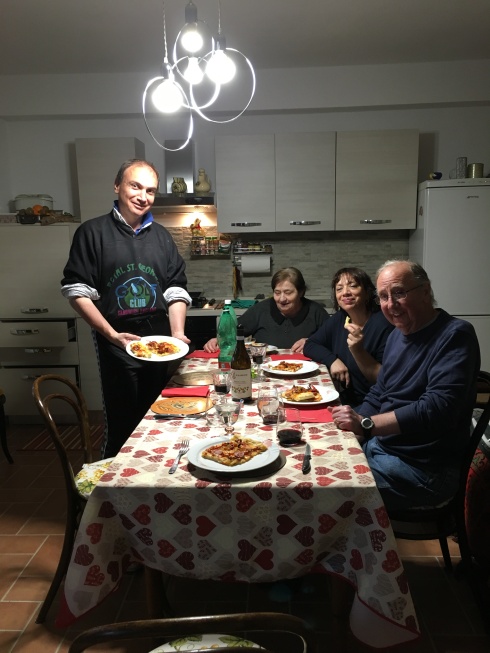
After a long day, it was time for dinner. Len had made pizza dough the night before, so he took over in the kitchen…

©Blogginginitaly.com

©Blogginginitaly.com

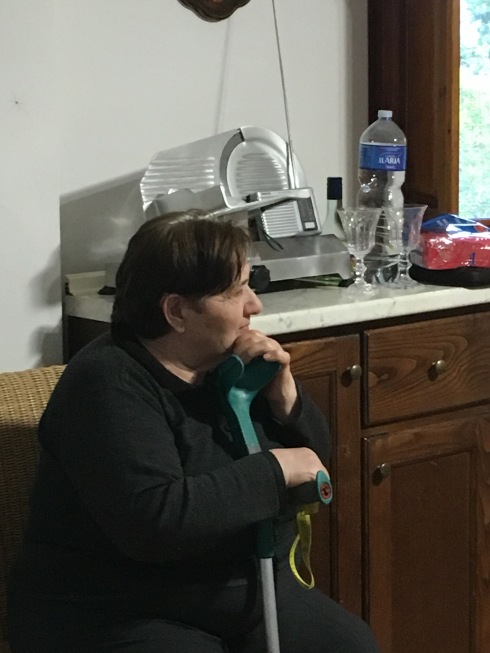
under the very watchful eye of Mama Anna. What was she thinking???

©Blogginginitaly.com

©Blogginginitaly.com

©Blogginginitaly.com

©Blogginginitaly.com

Achy, but feeling happy, we sat for dinner and laughed and talked about our accomplishments.

©Blogginginitaly.com

©Blogginginitaly.com

After dinner, we went outside to view our work.

©Blogginginitaly.com

©Blogginginitaly.com

©Blogginginitaly.com

©Blogginginitaly.com

Such perfect rows of tomatoes, with the other veggies planted behind.

©Blogginginitaly.com

©Blogginginitaly.com

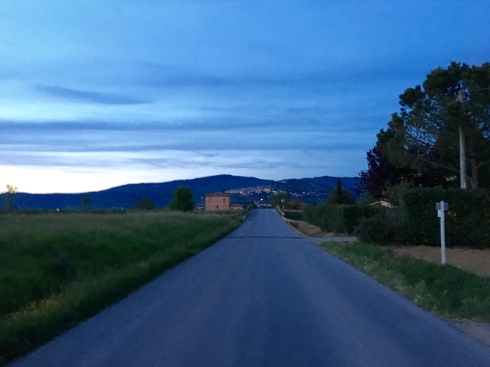
A blue haze crept in as the sun was setting over the valley, and the lights of Cortona were beginning to twinkle in the distance.

©Blogginginitaly.com

©Blogginginitaly.com

And a fun footnote to the day. The neighbor, who besides offering assistance and advice, had two things to say. First, he was delighted that after all these years, an orto had finally been planted. And second, he was most amazed that it was two Americans that got it to happen. A toast to those damn Yanks!

©Blogginginitaly.com

©Blogginginitaly.com

Ciao,
Judy


The Mighty Chianina

14 Apr

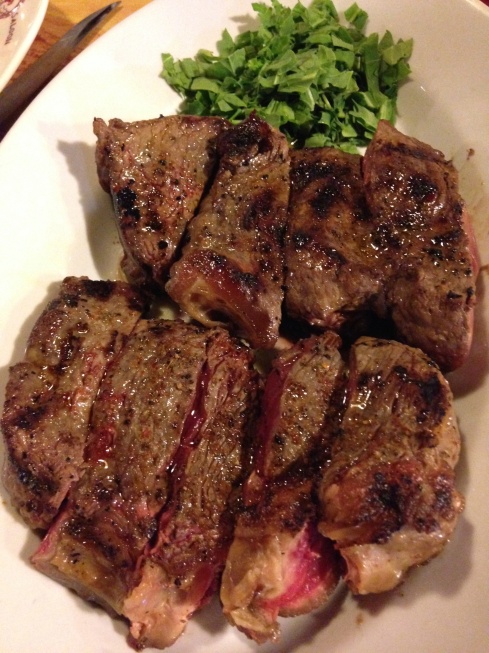
If you’ve been to Italy, and Tuscany in particular, you’ve no doubt heard of bistecca fiorentina. I remember the first time we ordered one. It was over 15 years ago and we were having dinner in Firenze. Not being much of a carnivore, I was a bit surprised when it arrived at the table –  huge and very, very rare. I was about to ask to have it returned to the kitchen for a bit more grilling when Len and Benita said they’d be happy to eat it as is. And they did. They both said the steak was tender and flavorful. I took their word for it.

©Blogginginitaly.com

©Blogginginitaly.com

Since that time, I have learned more about the steak and its origins. Chianina is one of the oldest and largest breeds of cattle, originating in the Valdichiana, hence its name. The cattle have been raised in the area for over 2200 years and were primarily used as oxen due to their size and strength. Being the tallest and heaviest breed of cattle, a mature bull can weigh over 3000 pounds and can grow to nearly 6 feet tall.

After WWII, machinery replaced these oxen in the fields, and chianina numbers began to dwindle until several breeders worked to bring back the breed. At the end of 2010, there were 47,236 head registered in Italy, of which more than 90% were in Tuscany, Umbria and Lazio.

For me, there are two other interesting things about them besides their size:
One, they are porcelain white;
Two, you never, ever see them.

Each year, we spend hours driving through the hills of Tuscany. We see the sights that paintings, no matter how good, can never quite duplicate. The hills are filled with farms, vineyards, and acres and acres of growing fruit trees, grains, vegetables, etc. But never, ever, a chianina. Not one.

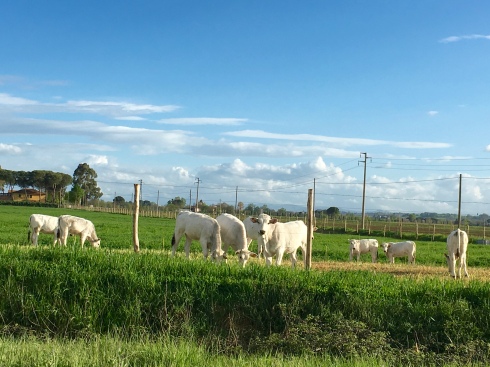
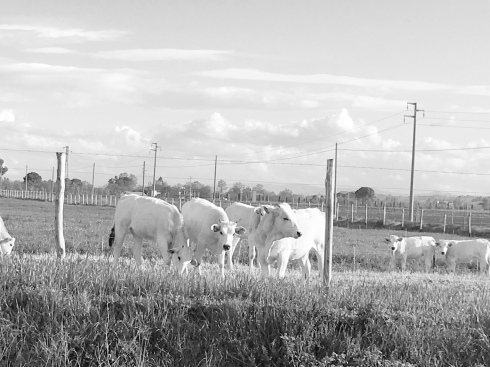
Until now. Yesterday, I came face to face with some young chianina.

©Blogginginitaly.com

©Blogginginitaly.com

In color or black and white, they are quite unique.

©Blogginginitaly.com

©Blogginginitaly.com

Now for sure I don’t think I’ll ever eat a bistecca fiorentina!

©Blogginginitaly.com

©Blogginginitaly.com

Ciao,
Judy


Lucignano Tuscany

10 Apr

Yesterday, Len and I took a ride to the lovely town of Lucignano with friends. It was a nice spring day and I think we were the only visitors in town. In fact, it seemed as though we were the only people in town.

©Blogginginitaly.com

©Blogginginitaly.com

When we parked the car, I realized we had briefly visited here 5 years ago. This post includes some of the research from my original post, with some updates and some new photos.

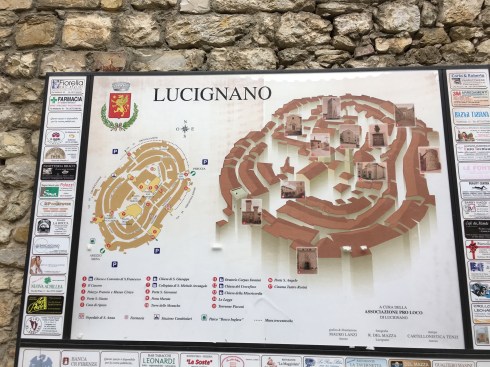
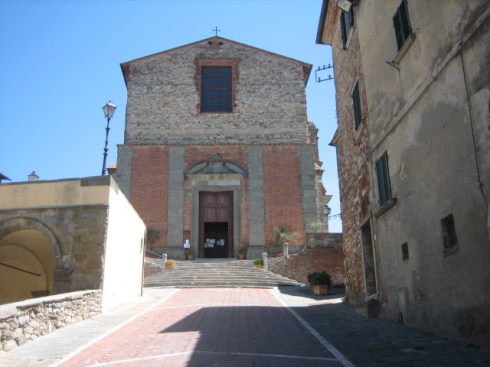
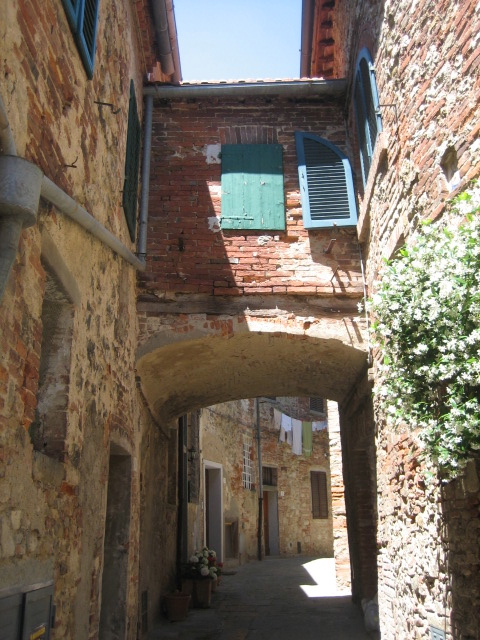
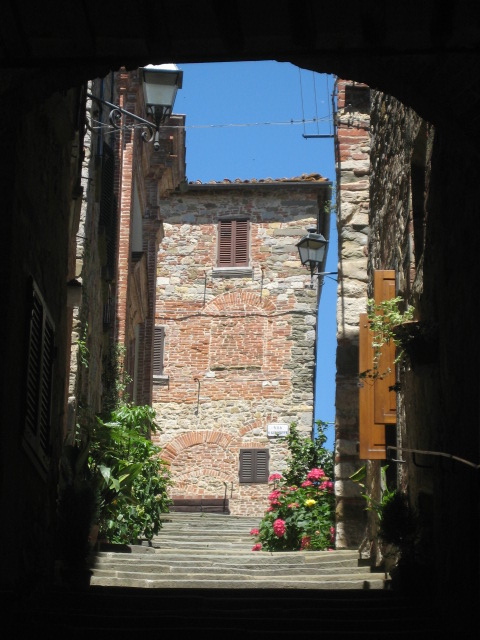
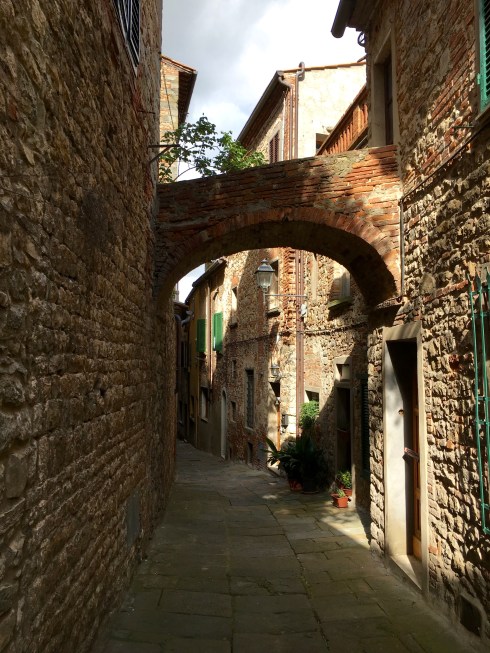
Lucignano, a remarkably preserved medieval walled village, is laid out in elliptical rings.

©Blogginginitaly.com

©Blogginginitaly.com

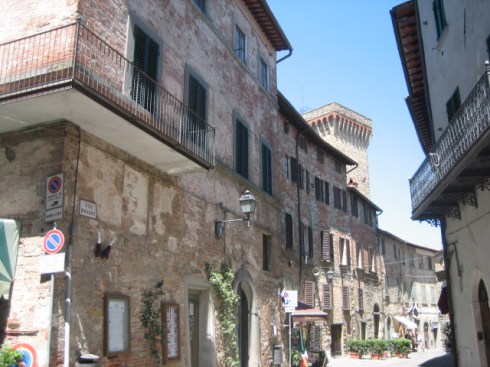
This beautiful town sits 414 metres above sea level and offers its visitors a trip back in time.

©Blogginginitaly.com

©Blogginginitaly.com

©Blogginginitaly.com

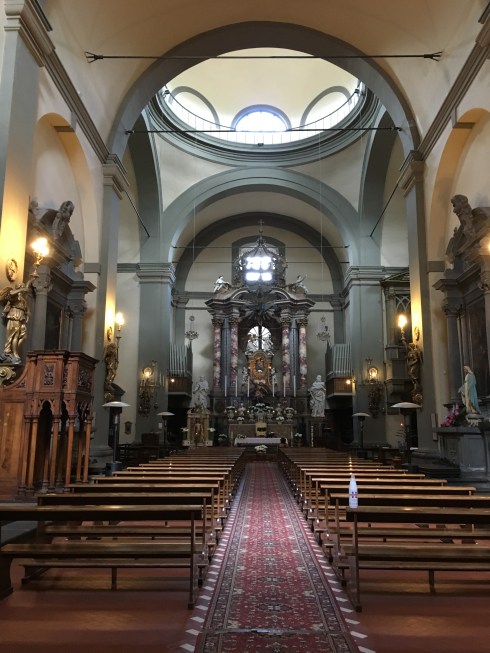
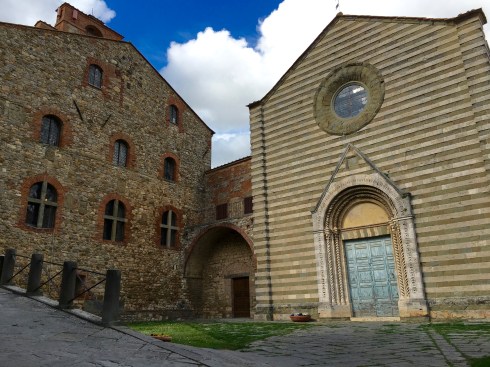
Although Lucignano sits between Siena and Arezzo, it came under Florentine control in the 1500s, when a great deal of construction ensued. Today, one can still see the Puccini’s Fortress; Vasari’s 1568 sanctuary of Madonna della Querca; the Cappucini convent, c.1580; and several churches including Piazza S. Francesco with the church of S. Francesco in the background, and

©Blogginginitaly.com

©Blogginginitaly.com

Chiesa della Collegiata, c.1594.

©Blogginginitaly.com

©Blogginginitaly.com

©Blogginginitaly.com

©Blogginginitaly.com

IMG_5970

©Blogginginitaly.com

In addition, the Museo Civico, left, offers many artistic treasures including the L’albero della vita, or tree of life, a gilded and jeweled tree holding a crucified figure.

©Blogginginitaly.com

©Blogginginitaly.com

©www.comune.lucignano.ar.it

©www.comune.lucignano.ar.it

On the village’s website, http://www.comune.lucignano.ar.it,  Lucignano is described as “a pearl of the valdichiana, a small village that represents one of the more extraordinary examples of medieval urban planning for its system of elliptic rings…” Today, the village continues its agricultural and artisan traditions and produces products ranging from olive oil and honey to ceramics and gold jewelry. In addition, should you wish to purchase inlaid furniture or have a piece in need of repair, the skilled artists of Lucignano are ready to oblige.

©Blogginginitaly.com

©Blogginginitaly.com

©Blogginginitaly.com

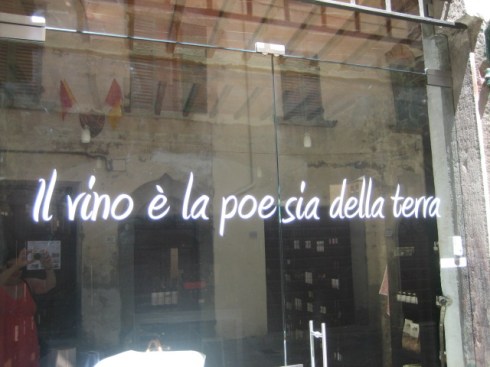
Five years ago, we saw this written on the window of a wine shop, and I was happy to see it again.

IMG_5959

Wine is the poetry of the earth

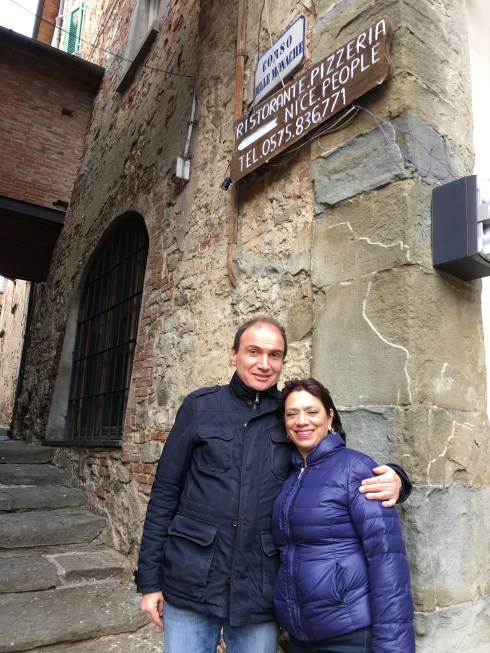
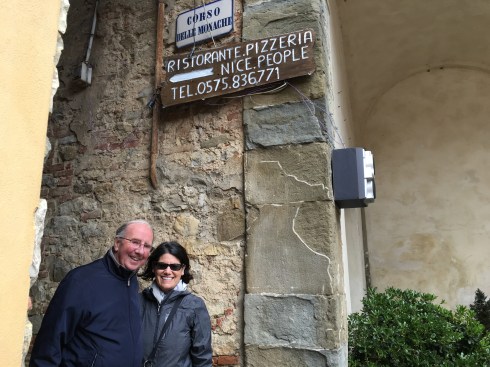
And five years ago, we found this sign, but not the restaurant.

IMG_5969

This time, we found the restaurant, and although it was closed, we found the nice people.

©Blogginginitaly.com

©Blogginginitaly.com

©Blogginginitaly.com

©Blogginginitaly.com

A wonderful way to spend the afternoon, strolling with friends through a beautiful ancient city, rich with history and culture…

©Blogginginitaly.com

©Blogginginitaly.com

making new friends,

©Blogginginitaly.com

©Blogginginitaly.com

and not even needing to close the door on our way out.

©Blogginginitaly.com

©Blogginginitaly.com

Ciao,
Judy
Aperitivo at Caffè Tuscher, Cortona

8 Apr

It’s early evening and you are on your way home from work, (or not, as is our case), and a bit hungry but knowing it is way too early for dinner….what to do? Well, the Italians have a great tradition called Aperitivo.  The word is derived from the Latin verb aperire, which means “to open” – and the Italian ritual of a pre-dinner drink or two is meant to open one’s stomach in preparation for dinner. Of course, meeting up with friends, or making new ones, just adds to the enjoyment.
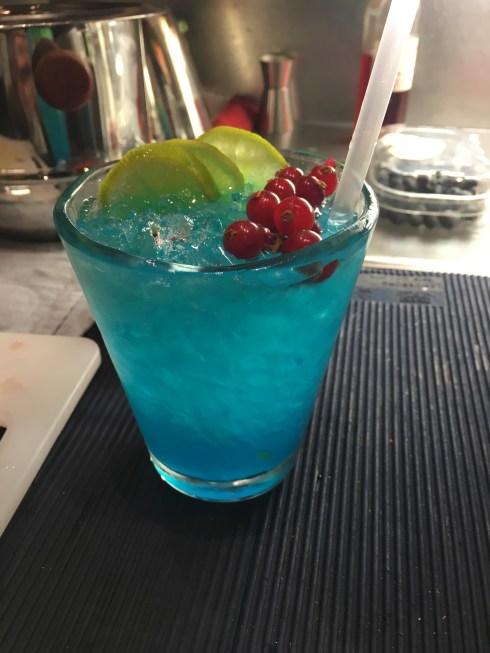
How did the Italian aperitivo tradition begin? In 1786, in Turin Italy, Antonio Benedetto Carpano invented Vermouth by infusing white wine with various herbs and spices. His drink became famous for opening the stomach before a meal and hence, aperitivo was born.

So even when the rain is falling or the streets appear empty,

©Blogginginitaly.com

©Blogginginitaly.com

plenty of people in Cortona are enjoying aperitivo at Caffè Tuscher.

©Blogginginitaly.com

©Blogginginitaly.com

©Blogginginitaly.com

©Blogginginitaly.com

©Blogginginitaly.com

©Blogginginitaly.com

©Blogginginitaly.com

©Blogginginitaly.com

Aperitivo at Tuscher – always a good time waiting to be had!

©Blogginginitaly.com

©Blogginginitaly.com

Ciao,
Judy