Archive | Italian History RSS feed for this section

Medieval Jousters on Horses in Cortona

22 Oct

For days, we had heard that the horses were coming, yet no one I spoke with knew why. Today, as with many days in Cortona, we were surprised and delighted with a colorful Medieval spectacle.

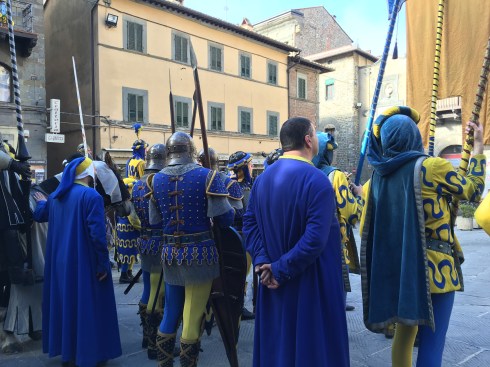
As overheard in the piazza, the nearby city of Arezzo has been highly victorious in jousting competitions this year. They came to Cortona today, dressed in their finest and with their victors high on horseback, to give thanks to their patron saint, Margherita. One of the participants told me this was a festival of adoration to their patron saint in appreciation for their success this year.

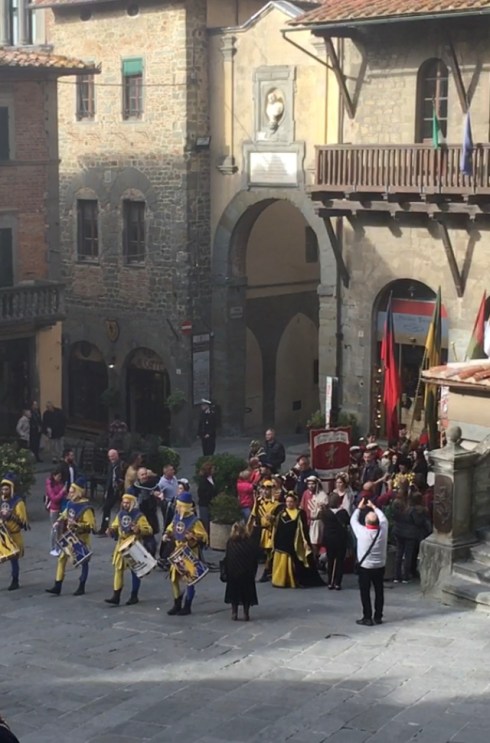
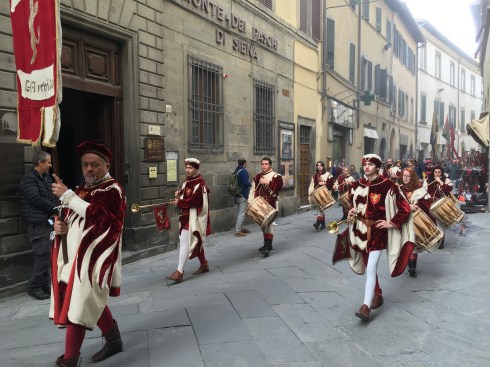
From our house, I heard the drummers and arrived just in time to see them enter the piazza from Via Roma.
©Blogginginitaly.com

©Blogginginitaly.com

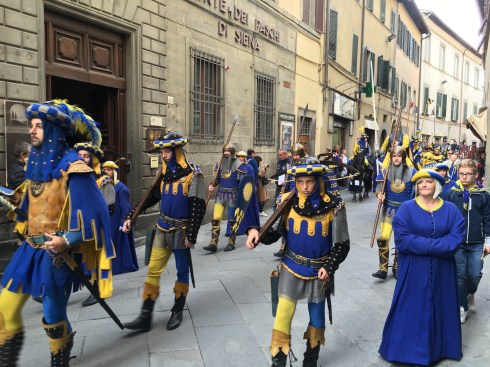
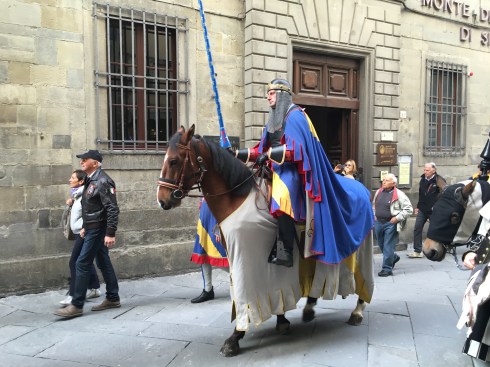
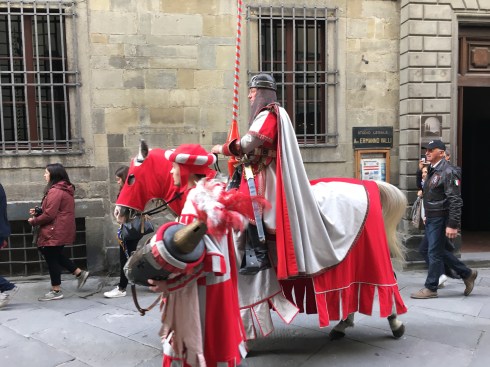
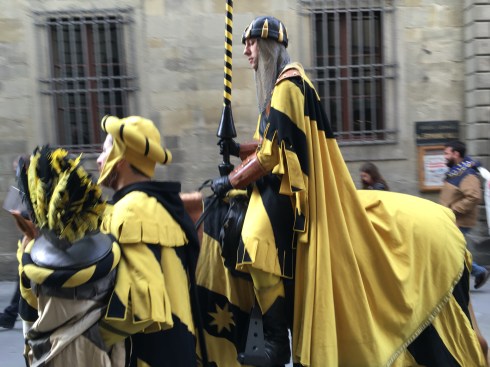
A few minutes later, the horses and jousters appeared in full matching Medieval regalia.

©Blogginginitaly.com

©Blogginginitaly.com

Once the horses took their places,

©Blogginginitaly.com

©Blogginginitaly.com

©Blogginginitaly.com

©Blogginginitaly.com

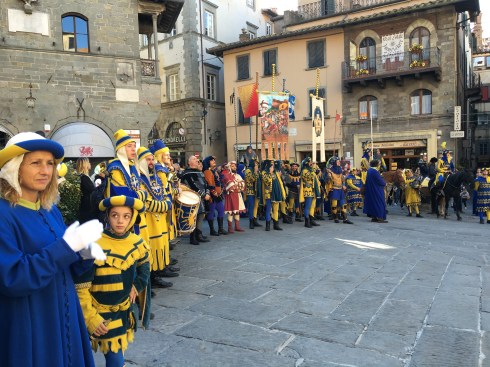
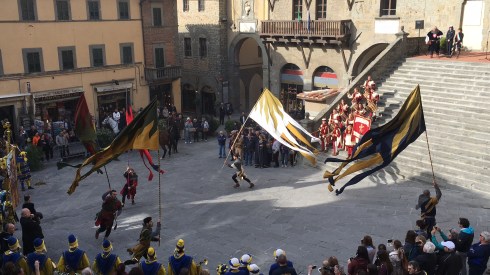
the flag wavers entered and all watched as they performed.
©Blogginginitaly.com
©Blogginginitaly.com

©Blogginginitaly.com

©Blogginginitaly.com

©Blogginginitaly.com

©Blogginginitaly.com

In Italy, flag waving and throwing is a skill learned by the young and perfected over many years. It is an important part of many of the Medieval festivals and ceremonies, and one that requires years of practice.
©Blogginginitaly.com

©Blogginginitaly.com

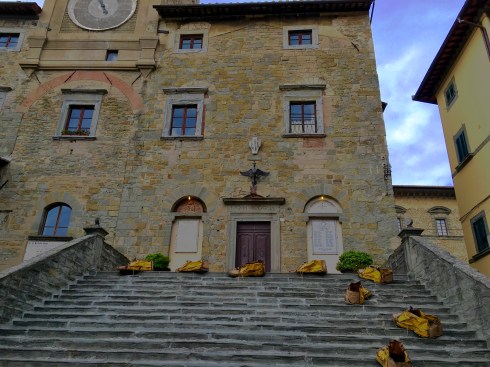
When the performance was finished, they joined the dignitaries on the grand steps of the Municipio for the speeches of gratitude.

©Blogginginitaly.com

©Blogginginitaly.com

Following the ceremony in the piazza, the parade moved down Via Nazionale, the main and only flat street of Cortona.
©Blogginginitaly.com

©Blogginginitaly.com
©Blogginginitaly.com

©Blogginginitaly.com

©Blogginginitaly.com
©Blogginginitaly.com
©Blogginginitaly.com

©Blogginginitaly.com

©Blogginginitaly.com

©Blogginginitaly.com

©Blogginginitaly.com

©Blogginginitaly.com

©Blogginginitaly.com

©Blogginginitaly.com

Their ultimate destination was the beautiful Santa Margherita Church at the top of Cortona –

©Blogginginitaly.com

©Blogginginitaly.com

where the saint lies in glass at the foot of the altar.

img_0727

In towns and cities all over Italy, ancient customs live on in the hearts, minds and practices of the people who received them from their ancestors and pass them on to future generations. It’s easy to get caught up in the pageantry and imagine days gone by. No matter how often I see one of these, it’s always quite a spectacle to behold.
©Blogginginitaly.com

©Blogginginitaly.com

Ciao,
Judy

Note: Click on any picture to enlarge.


2016 Chicago Open House – Case Bonita

14 Oct

Three years ago, I began an amazing adventure to learn more about my paternal grandfather, Alexander Capraro. As mentioned in my first post dated 10/2/13:

Through His Words: Reflections From and About My Grandfather

My grandfather was small in stature but large in accomplishment. He was the first Italian-American architect licensed in the state of Illinois and fortunately, a few of his buildings still stand for us to admire.

This weekend, the Chicago Architecture Foundation hosts its Open House Chicago.

200 COOL PLACES.
48 HOURS. GO.
IT’S FREE.
OCTOBER 15-16, 2016

I am so proud that for the 6th time, Casa Bonita, designed in 1928 by my grandfather Alex and his partner Morris, is included in the festival. Quite an accomplishment for a man who, at the age of four, emigrated to America in 1899 with his parents.

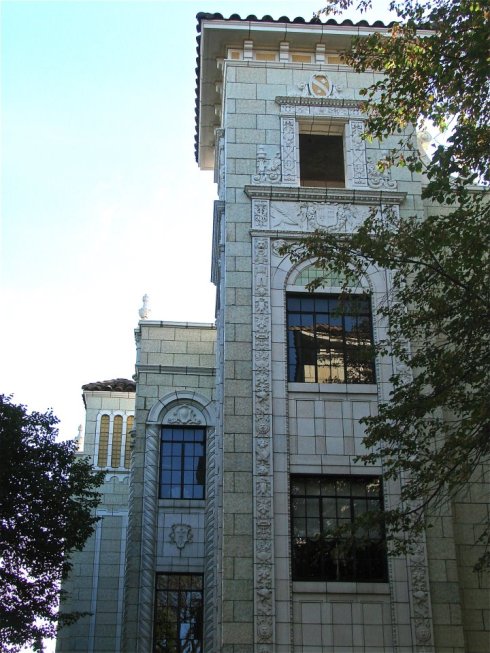
Casa Bonita is considered a Spanish-Renaissance Revival apartment building.

Casa Bonita ©Photo by Charlene Ferguson

Casa Bonita ©Photo by Charlene Ferguson

There are 66 units in the U-shaped white terra-cotta building that surround a beautiful garden. The attention to detail can be seen everywhere.

Casa Bonita ©Photo by MTMattucci

Casa Bonita ©Photo by MMattucci

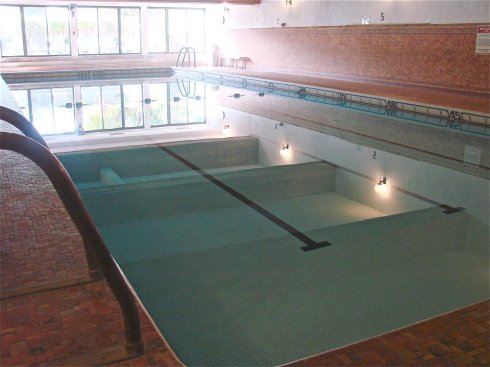
Besides its incredible structure, Casa Bonita has amenities including a library, a billiards room, and a large indoor pool.

Casa Bonita ©Photo by MTMattucci

Casa Bonita ©Photo by MMattucci


When it was built, I have been told, there was even a driving range on the roof.

Casa Bonita ©Photo by MTMattucci

Casa Bonita ©Photo by MMattucci

Casa Bonita ©Photo by MTMattucci

Casa Bonita ©Photo by MMattucci

If you are in or near Chicago this weekend, this is a unique opportunity to visit incredible historic landmarks, including Casa Bonita – all for free. Residents will be available to answer questions, give tours, and share their passion about this very special Chicago treasure.

http://openhousechicago.org/sites/site/casa-bonita/

My thanks to Mary, Linda and Charlene for rapid assistance with photos.

For more on Alex’s story, see below. And one last thought – When I began writing about my grandfather, I used the phrase: Through his Words... Now I can say,  Through his Words and Works…

Ciao,
Judy – a very proud granddaughter


Opening of Original Post 10/2/13

Through His Words: Reflections From and About My Grandfather (10/2/13)

I am about to begin an incredible adventure with my paternal grandfather. We will venture to Europe, via ship, and spend a month together touring Italy. During our stay, we will visit his birthplace, Pietrabbondante, a town he left with his parents when he was four years old to emigrate to the United States.

To continue reading, please click below:


San Francesco d’Assisi

4 Oct

Saint Francis of Assisi, born Giovanni di Pietro di Bernardone, is one of the most venerated religious figures in history. He lived from 1182 – 1226, and during his lifetime, founded several orders including the men’s Order of Friars Minor and the women’s Order of Saint Clare. He was canonized on July 16, 1228, by Pope Gregory IX. He, along with Saint Catherine of Siena, are the patron saints of Italy.

The feast of St. Francis of Assisi is celebrated today, October 4. Throughout Italy, and in particular the central parts of Italy where St. Francis lived, there are many celebrations in his honor. Unlike so many of the gold and ornate churches and monasteries, those of St. Francis tend to be simple in design and without pretense.

Chiesa di San Francesco, Cortona, ©Blogginginitaly.com

Chiesa di San Francesco, Cortona, ©Blogginginitaly.com

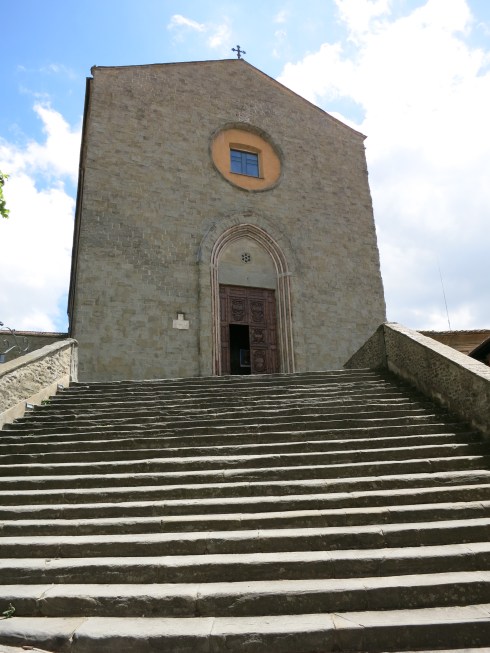
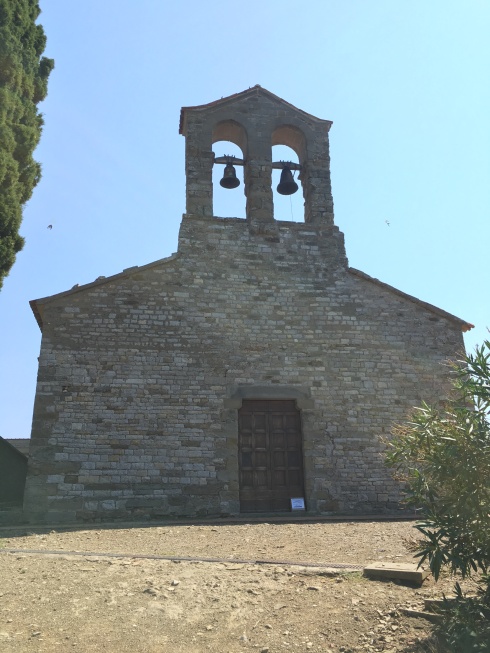
From our front door, it is 115 steps, mostly up, to San Francesco in Cortona, and it is well worth the climb. The sparse interior holds many treasures and is our favorite among Cortona churches.

©Blogginginitaly.com

©Blogginginitaly.com

According to Cortona history, the Church was built over the ruins of a Roman bath. The area, which was a municipal property, had been donated to Friar Elia, Francis’ successor, who had the church built in honor of St. Francis. The facade, the large door, and the entire left wall are part of the original church which was dedicated in 1254. Friar Elia is buried in the choir area behind the altar.

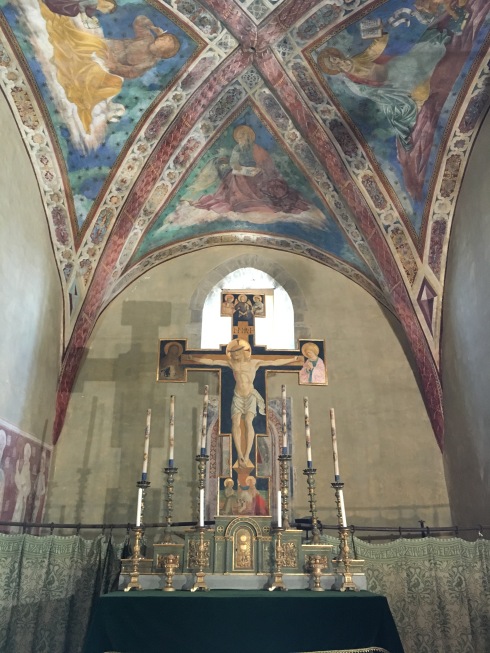
The interior underwent renovations in the 16th and 17th centuries. During that time, several incredible original frescoes from the school of Buffalmacco, dating back to 1382, were rediscovered behind paintings.

©Blogginginitaly.com

©Blogginginitaly.com

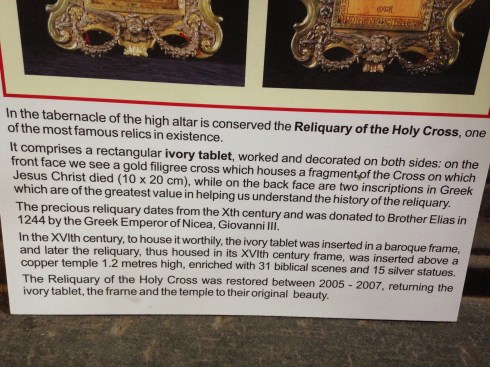
On the altar, in a large marble baroque tabernacle dating from 1619, is a relic from the Holy Cross, donated to Friar Elia by the Constantine Emperor.

©Blogginginitaly.com

©Blogginginitaly.com

©Blogginginitaly.com

©Blogginginitaly.com

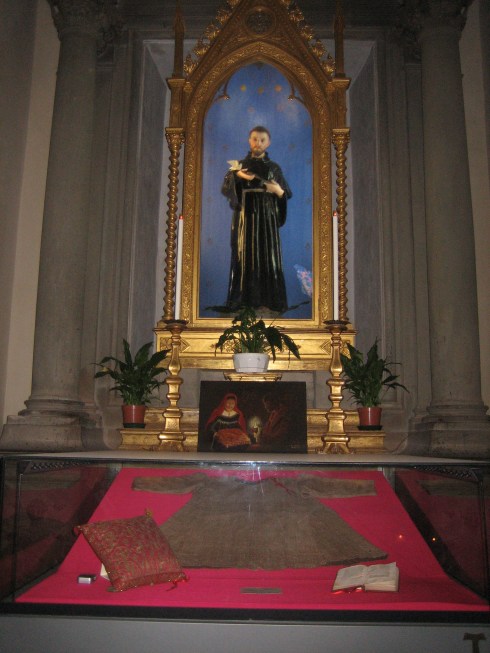
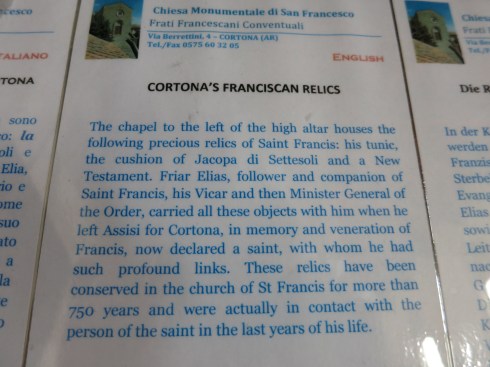
And finally, to the left of the main altar is the statue of St. Francis and some items as described below.

©Blogginginitaly.com

©Blogginginitaly.com

©Blogginginitaly.com

©Blogginginitaly.com

As I write, the bells from the church are ringing. Three of the five are electric, but of the original two, one was cast in 1250 and the second in 1267.

In addition to this beautiful church, Cortona is home to Le Celle, an incredible monastery and sanctuary which developed both during and after St. Francis’ life.

It is here that you can see the room, or cell, where St. Francis slept.

©Blogginginitaly.com

©Blogginginitaly.com

Every time I visit either the San Francesco Church or Le Celle, I find myself caught up in the tranquility each has to offer. And while Cortona can sometimes be a bustling town, each of these remains an oasis of serenity – a wonderful place to reflect, meditate, pray, or simply take in the moment.

For more on Le Celle, click on a previous post: Franciscan Hermitage of Le Celle, Cortona.

©Blogginginitaly.com

©Blogginginitaly.com

Ciao,
Judy


September Days in Cortona

18 Sep

Autunno, or autumn, is my favorite time of year in Cortona. The days are shorter, the winds are cooler, and the tide of tourism transforms.  It is a calmer time of year that lends itself well to contemplating all that meets the senses.

Parterre Changing Colors©Blogginginitaly.com

Parterre©Blogginginitaly.com

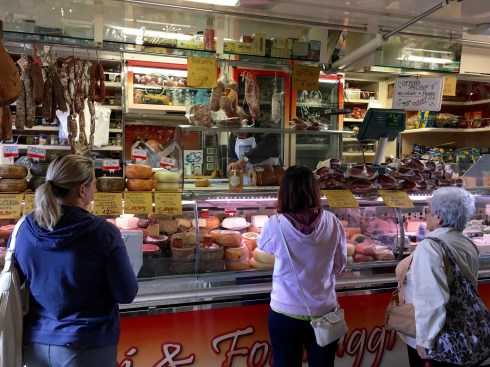
Saturday Market©Blogginginitaly.com

Saturday Market©Blogginginitaly.com

Fall Harvest©Blogginginitaly.com

©Blogginginitaly.com

Fresh Porcinis©Blogginginitaly.com

Porcini©Blogginginitaly.com

Lavender Festival©Blogginginitaly.com

Lavender Festival©Blogginginitaly.com

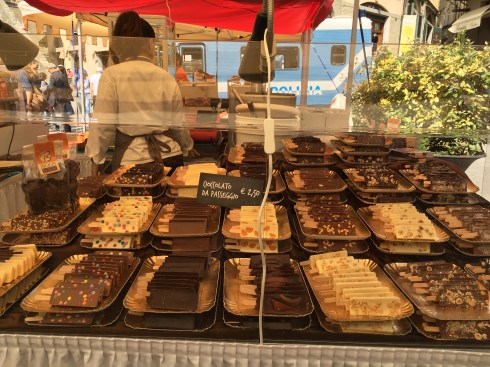
Choco Festival©Blogginginitaly.com

Choco Festival©Blogginginitaly.com

Choco Festival©Blogginginitaly.com

Choco Festival©Blogginginitaly.com

Art Exhibits©Blogginginitaly.com

Art Exhibits©Blogginginitaly.com

And endless antiquities:

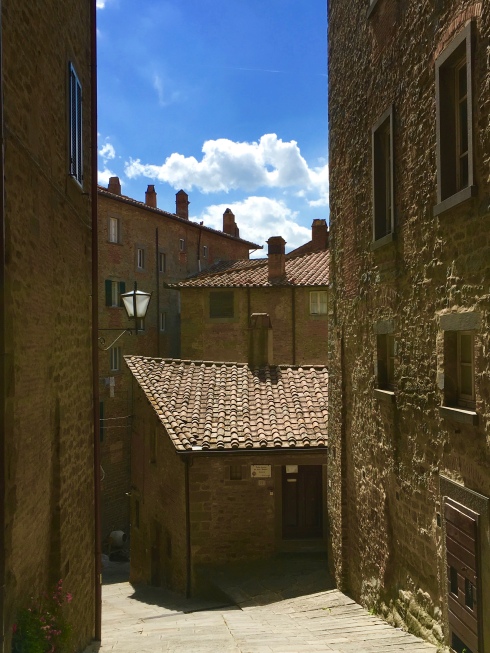
Via Santucci, Cortona ©Blogginginitaly.com

©Blogginginitaly.com

Via Santucci, (Our street), ©Blogginginitaly.com

©Blogginginitaly.com

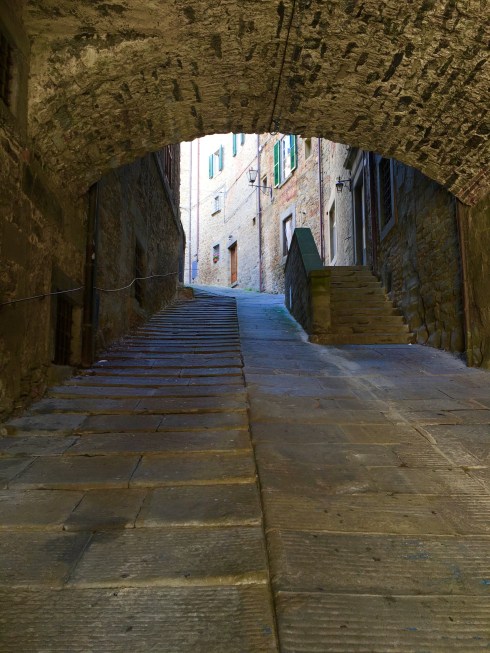
Signorelli Arch©Blogginginitaly.com

©Blogginginitaly.com

©Blogginginitaly.com

©Blogginginitaly.com

©Blogginginitaly.com

©Blogginginitaly.com

©Blogginginitaly.com

©Blogginginitaly.com

Autumn – The third season of the year, when crops and fruits are gathered and leaves begin to fall.

A good time to take time to ponder.

©Blogginginitaly.com

©Blogginginitaly.com

Ciao,
Judy


Sunflowers, Take Your Bow

8 Sep

If you close your eyes and imagine a Tuscan landscape, it’s hard not to picture a field of sunflowers or girasole. 

©Blogginginitaly.com

©Blogginginitaly.com

They are as much a part of the vistas as olive groves and vineyards. These magnificent yellow flowers are planted each spring and perform their role admirably throughout the summer, standing tall and delighting all who seek them out. They generously pose for hours on end for cameras, never complaining or shying away from the sun. And they are a beautiful addition to any table setting.

©Blogginginitaly.com

©Blogginginitaly.com

Then in the fall, after months of performing, they stand together and begin their final bow.

©Blogginginitaly.com

©Blogginginitaly.com

Even after they have lost their bright yellow color, sunflowers still have much to offer in harvest. As mentioned before in a previous post, …

  1. Sunflower seeds are edible, whether eaten raw, cooked, roasted or dried. They are a nutritious snack containing protein, vitamins A, B, and E, calcium, nitrogen and iron.
  2. Some people ground the seeds to make flour for cakes and breads.
  3. The seed heads are a source of food for birds and animals. Sunflower seeds are a major ingredient in commercial birdseed.
  4. Sunflower oil is a popular vegetable oil known for its light colour, mild flavour, low levels of saturated fats and ability to withstand high cooking temperatures.
  5. The oil can also be added to soap, lubricants and candles.
  6. Sunflower oil can help relieve skin conditions, hemorrhoids and ulcers.
  7. Sunflower roots can remove radiation from soils and water. They were used to clean up the Chernobyl disaster.
  8. The root of the plant is also used in traditional herbal medicine to treat snake bites and spider bites.
  9. The flowers can be used to make an all natural dye.
  10. The stalks are used to make paper and clothes.

So, as the sunflowers take a well deserved bow, it’s nice to know we benefit from them in so many other ways.

Ovation, please!

©Blogginginitaly.com

©Blogginginitaly.com

Ciao,
Judy

Rilassamento = Relaxation

2 Sep

No better way to relax than to head to one of Lake Trasimeno’s islands in Umbria. Yesterday, we took the ferry to Maggiore, the only inhabited one.

©Blogginginitaly.com

©Blogginginitaly.com

Some of our group chose to relax inside the ferry,

©Blogginginitaly.com

©Blogginginitaly.com

while Fernanda and I enjoyed the breeze on our faces.

©Blogginginitaly.com

©Blogginginitaly.com

©Blogginginitaly.com

©Blogginginitaly.com

The calm ride offered beautiful views, and we arrived eager to explore the island.

©Blogginginitaly.com

©Blogginginitaly.com

Maggiore is a small fishing village which reached its height in the 14th century. Today, I am told, only 17 residents inhabit the island year round. Most of the buildings date from the 14th century. We climbed to the top and saw these historic buildings along the way.

©Blogginginitaly.com

©Blogginginitaly.com Villa Guglielmi

©Blogginginitaly.comChurch of San Michele Arcangelo

©Blogginginitaly.com Church of San Michele Arcangelo

It is on a path, beneath this Church, that St. Francis spent 40 days and nights in prayer.

©Blogginginitaly.comChurch of San Michele Arcangelo

©Blogginginitaly.comChurch of San Michele Arcangelo

The church sits at the top of the island, nestled in olive groves, and provides lovely panoramic views.

©Blogginginitaly.com

©Blogginginitaly.com

Afterward, we worked our way down the hill to the main and only street in this car-less town and enjoyed lunch and the view.

©Blogginginitaly.com

©Blogginginitaly.com

Who is this man in so many of my photos??? I’ll have to ask Carrol.

©Blogginginitaly.com

©Blogginginitaly.com

My favorite part was this delicious dessert!

©Blogginginitaly.com

©Blogginginitaly.com

Then off to the dock to return home.

©Blogginginitaly.com

©Blogginginitaly.com

On the trip back, the sun gave us lovely shadows of the town’s reflection

©Blogginginitaly.com

©Blogginginitaly.com

as well as clouds dancing on the lake.

©Blogginginitaly.com

©Blogginginitaly.com

Half an hour later, and very, very relaxed, were arrived back in Castiglione del Lago for the ride home. All in a day’s work!

©Blogginginitaly.com

©Blogginginitaly.com

Ciao,
Judy


Amatrice Donations and Recipes

28 Aug

As a follow-up to my last post, many have written asking me where they might donate and also for an Amatriciana recipe. Here are some thoughts on both.

Donations:
After the earthquake, I talked to some local friends about ways to contribute. Some suggested a few sites, and at the same time, urged a bit of cautious research. Unfortunately, we are all too aware of the scammers who pounce after tragic events and how challenging it can be to get funds to the intended.  Because of this and especially being unfamiliar with Italian relief agencies, I’ll leave it to others to do their own research. As a starting point, however, many here suggest visiting the websites of Croce Rossa Italiana (Red Cross) and NIAF (National Italian American Relief). 

Recipes:
Locals are never short on family recipes and were happy to share their own for Amatriciana. Being that they are Italian, and also the way I cook, there are no measurements included.

Recipe 1. Ingredients: Guanciale*, oil, garlic, salt, black or chili pepper, fresh or canned tomatoes (if fresh not in season), pecorino romano, parmigiano.

Recipe 2. Ingredients: Guanciale*, oil, chopped San Marzano tomatoes, pecorino romano, parmigiano.

*Guanciale is an Italian cured meat or salami product prepared from pork jowl or cheeks. If not available, use speck.

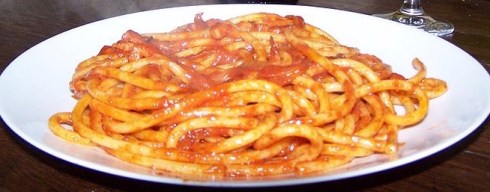
Directions: In both cases, dice and cook the meat in a frying pan until crisp, then set aside. Add the tomatoes (and spices if Recipe #1) and allow to saute in the fat from the meat for about 15 minutes, or until it thickens. In the meantime, cook pasta, often bucatini or spaghetti, until al dente. When the pasta is done, add it and the meat to the tomatoes and toss. Add the pecorino as you mix thoroughly, top with parmigiano and serve.

 LPLT / Wikimedia Commons

LPLT / Wikimedia Commons

You can find numerous variations online, all easily prepared in a short time.

Ciao,
Judy

Amatrice

25 Aug

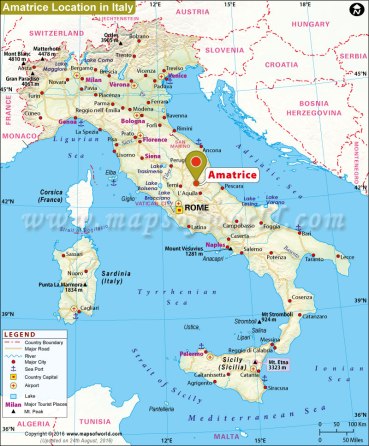
Amatrice is a remote town along a mountainous stretch in northern Lazio, Italy. If you look at a map, it seems to sit right in the middle of the country.

mapsoftheworld.com

mapsoftheworld.com

Their website carries this banner:

City of Amatrice, one of the most beautiful villages in Italy

boghi_piu_belli_amatrice

As we all know now, yesterday, at about 3:30 am, a 6.2 magnitude earthquake shook the region. “The town is no more,” Amatrice Mayor Sergio Pirozzi told CNN affiliate Rai of the village, which has a population of around 2,000 people. (CNN)

Before social media and news channels carried the devastating photos, you may have thought you had never heard of Amatrice. Include me in that list, even though we had travelled near that region last year. And then, after reading about the town, I quickly realized that it is home to a favorite pasta dish, Amatriciana, (or pasta alla matriciana), a traditional pasta sauce based on guanciale (cured pork cheek), pecorino cheese, and tomatoes. The recipe dates back to the 1700’s.

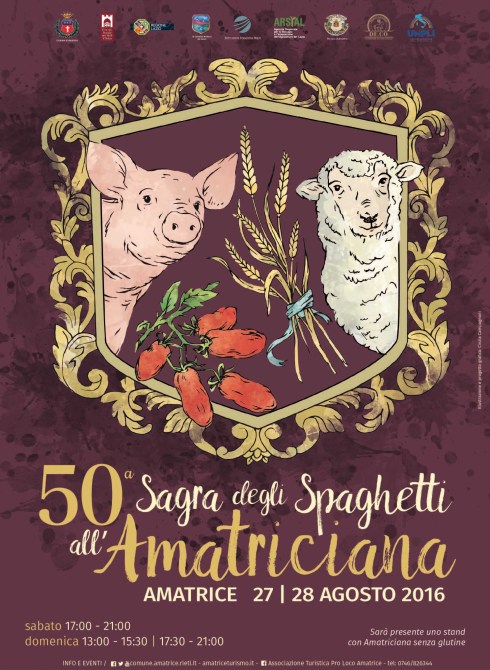
This weekend was to be the 50th annual celebration of the town’s Spaghetti all’ Amatriciana Festival.

Stampa

Instead, hundreds have lost their lives and most that survived cannot return home.

In honor and memory of the town and its people, I plan to make Amatriciana in the next few days. As with all recipes, there are slight variations, so I’ll ask local friends, who are all great cooks, what recipe has been handed down to them over the years.

As we prepare and enjoy this dish, we will toast to the memory of what was and keep the survivors and responders in our thoughts and prayers.
And someday, hopefully, with the strength and fortitude of the locals, there will be another celebration of the town’s Spaghetti Amatriciana Festival.
logo_amatrice
Ciao,
Judy


Love is in the …

21 Aug

Italy is often considered one of the most romantic countries in the world. If you’ve been, or seen pictures, it’s easy to understand. Love is evident in the people, the food, the culture, the music, and so on.

Today on my walk, I couldn’t help but notice how love is also in nature.

©Blogginginitaly.com

©Blogginginitaly.com

These incredible pine trees, separated by a road many years after they took root, have grown and flourished along a nearly identical angle for dozens and dozens of years until they reunited. And now, not rain, nor hail, nor sleet, nor the strong winds are powerful enough to separate their embrace.

Love is in the air – sometimes one just needs to look up.

Ciao,
Judy

Ferragosto

15 Aug

Ferragosto is an Italian holiday celebrated on August 15 and coincides with the major Catholic feast of the Assumption of Mary. For many Italians, it is their summer vacation period and a time when many places of business also close their doors for vacation.

The Feriae Augusti, from which Ferragosto takes its name, comes from the “Festivals or Holiday of the Emperor Augustus” which was introduced in 18 BC.  The Feriae Augusti linked the various August festivals to provide a longer period of rest, called Augustali, which was felt necessary after the hard labour of the previous summer weeks.

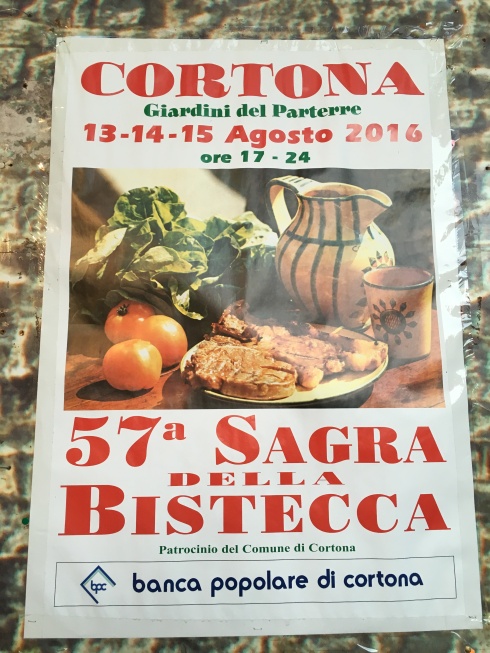
Crowds flock to Cortona for this holiday, as they can enjoy live bands in the piazzas, various exhibits, and most of all, the Sagra della Bistecca held in the public gardens. This year numbers 57.

©Blogginginitaly.com

©Blogginginitaly.com

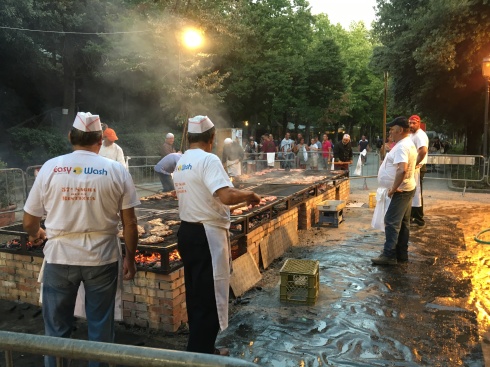
Large open grills, built for the occasion, become the center of attraction in the public gardens. Those tending to the grills are seasoned veterans, and know just when to turn the bistecca. Seared on the outside, very rare in the middle.

©Blogginginitaly.com

©Blogginginitaly.com

©Blogginginitaly.com

©Blogginginitaly.com

For 28 euro, you get a bistecca, potatoes, choice of beans or tomatoes, a peach, and some vino.

©Blogginginitaly.com

©Blogginginitaly.com

Family and friends come together at long canopied tables to celebrate the holiday and share stories and laughter.

©Blogginginitaly.com

©Blogginginitaly.com

Like every festival, there is music, even if just one man and his many accouterments.

©Blogginginitaly.com

©Blogginginitaly.com

After dinner, many walk through town to marvel at the ancient city’s beauty.

©Blogginginitaly.com

©Blogginginitaly.com

©Blogginginitaly.com

©Blogginginitaly.com

And if your family is like mine, and a peach doesn’t quite qualify as dessert, it’s time for gelato.

©Blogginginitaly.com

©Blogginginitaly.com

Even the weather contributed to the weekend’s success  – bright blue skies, hot sun, and low humidity.

If you are thinking of Italy next summer, remember Cortona and Ferragosto.

©Blogginginitaly.com

©Blogginginitaly.com

And if rare bistecca isn’t your thing, coming next weekend: the porcini festival!

Ciao,
Judy