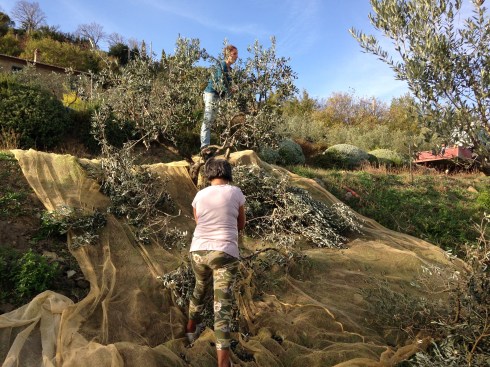
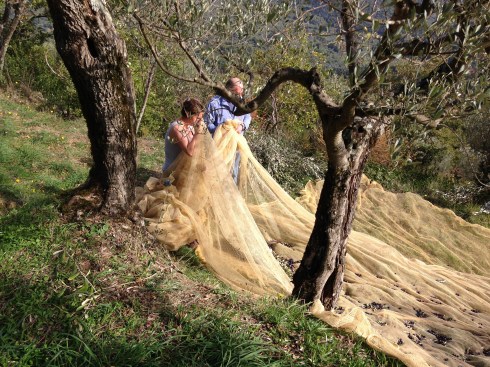
When I left off last, things looked like this.

©Blogginginitaly.com
Olive picking was complete and it was time to take the olives to the frantoio, or oil mill.
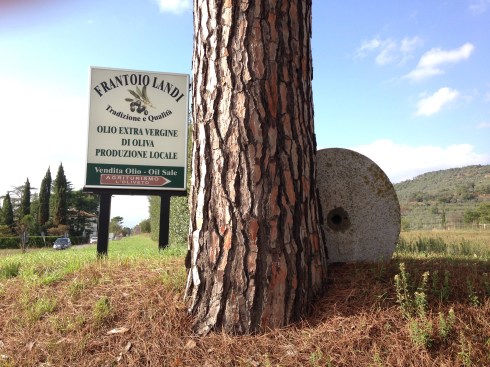
Niccolo and Edoardo loaded their family’s olives into their car and we drove a short distance to the beautiful Frantoio Landi,
©Blogginginitaly.com
a frantoio that has been in the family for years.

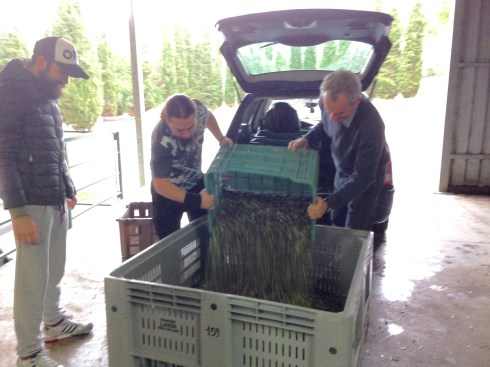
Here we were met by Massimo, the owner, who helped “pour” the olives into one of the mill’s standard sized containers.
©Blogginginitaly.com
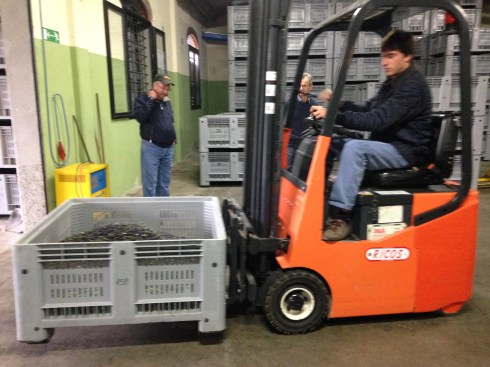
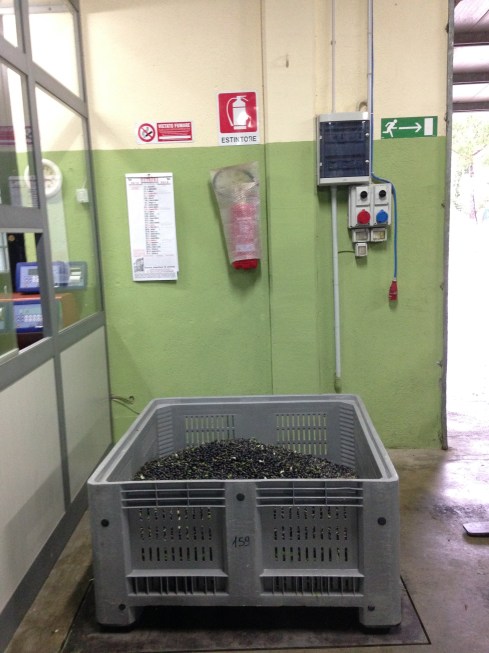
Next, the olives were moved to a large scale to be weighed.
©Blogginginitaly.com
©Blogginginitaly.com
Grand total we picked: 148.5 kg.

©Blogginginitaly.com
The minimum weight needed to process is 300 kg, so the Olivieri olives would be combined with those of two friends. In the meantime, Lorenzo, one of the sons, patiently gave us a tour and explanation of the harvesting process before it would begin the next day.

©Blogginginitaly.com
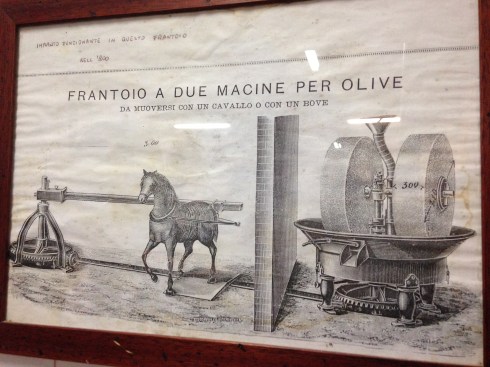
Years ago, horses or oxen were used to turn the grinding wheels.
©Blogginginitaly.com
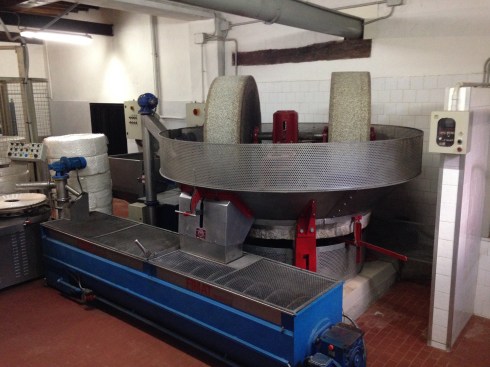
The old grinding wheels are still available at the frantoio and are sometimes used based on demand. Olives in Tuscany are usually harvested during October and November, depending on weather, so there can be a huge demand during a very short period of the year.
©Blogginginitaly.com
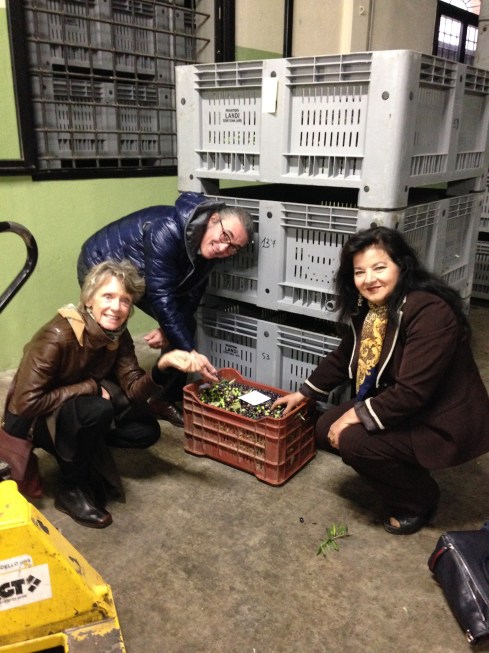
Time to begin the process. The olives we picked are combined with two others to achieve the minimum weight. When you look at the faces of the growers, you can see the pride they have in their olives and sense their anticipation.
©Blogginginitaly.com
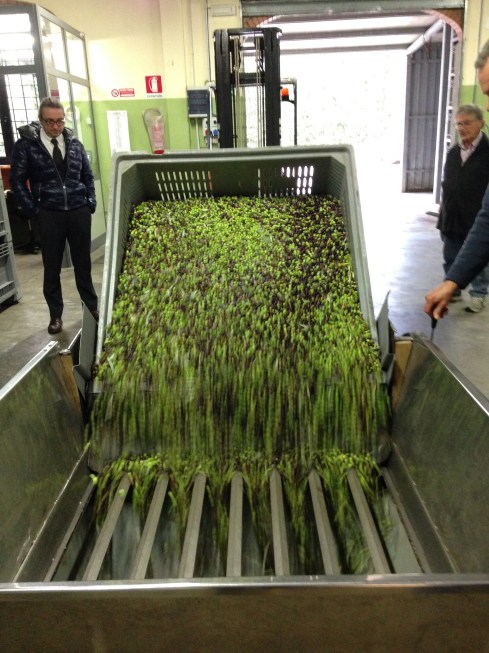
The combined olives are dropped into a large hopper
©Blogginginitaly.com
where the olives are carried on a ladder conveyor to the washer.

©Blogginginitaly.com
During the washing process, leaves and stems are removed, and are sent via a pipe to an outside holding container. Nothing goes to waste in the process.

©Blogginginitaly.com
The washed olives are moved to another hopper
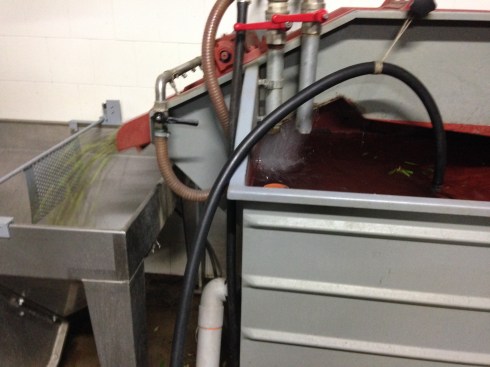
©Blogginginitaly.com

©Blogginginitaly.com
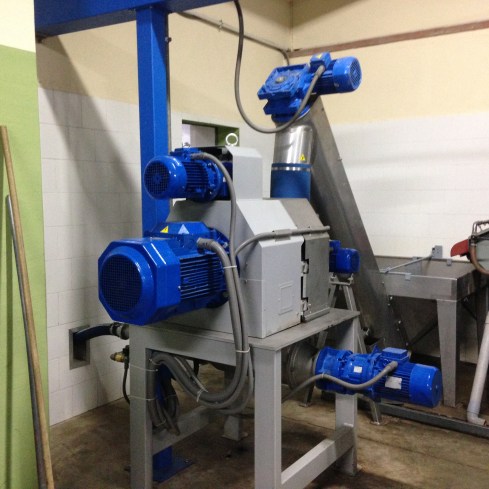
and then into a grinding/crushing machine, or martellatura.
©Blogginginitaly.com
Here the olives and pits are crushed into an olive paste, which is pumped into a mixing machine.

©Blogginginitaly.com
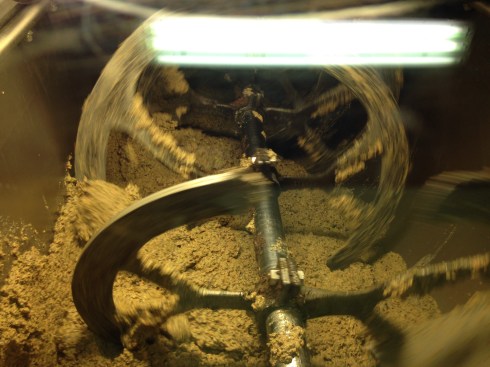
The olive paste is mixed slowly for 45 minutes. This is the first instance we could smell the wonderful olive oil fragrance.
©Blogginginitaly.com
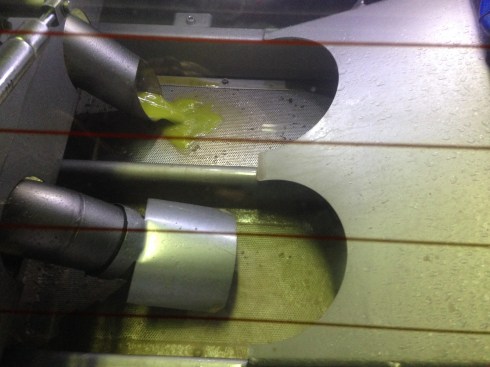
The next step is the pressing, where a centrifuge spins the mixture at high speeds and separates the mixture into three parts: oil, water and pomace and the pomace is removed.
©Blogginginitaly.com
The heavier water is then removed in a second centrifuge. And then, the unfiltered extra-virgin olive oil moves through a tube and suddenly begins to pour out into a stainless steel container.

©Blogginginitaly.com
It is quite an amazing sight!

©Blogginginitaly.com
When the oil has stopped flowing, it is carefully measured and divided into containers for the growers.

©Blogginginitaly.com
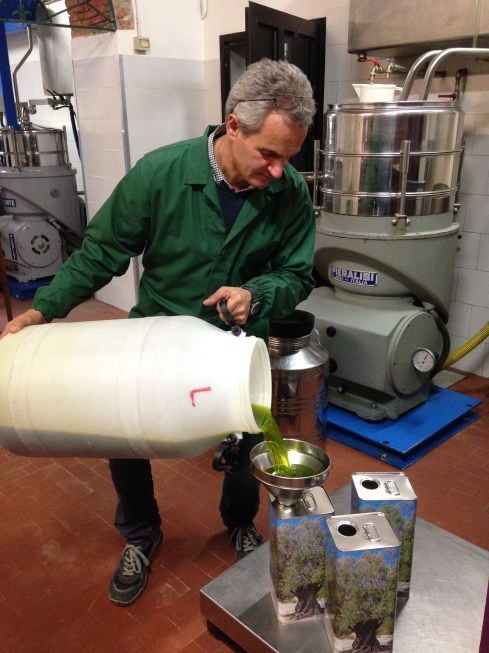
©Blogginginitaly.com
Smiles abound and all are eager to sample the results.

©Blogginginitaly.com
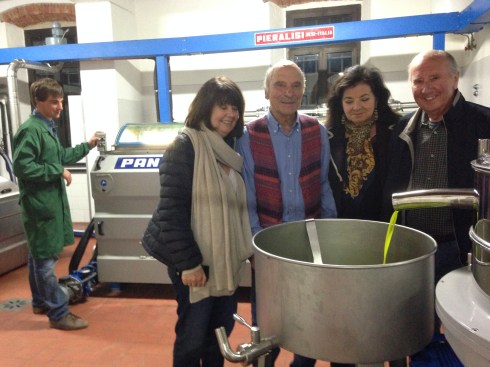
©Blogginginitaly.com
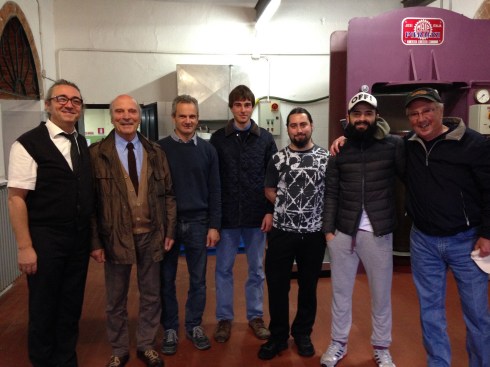
©Blogginginitaly.com
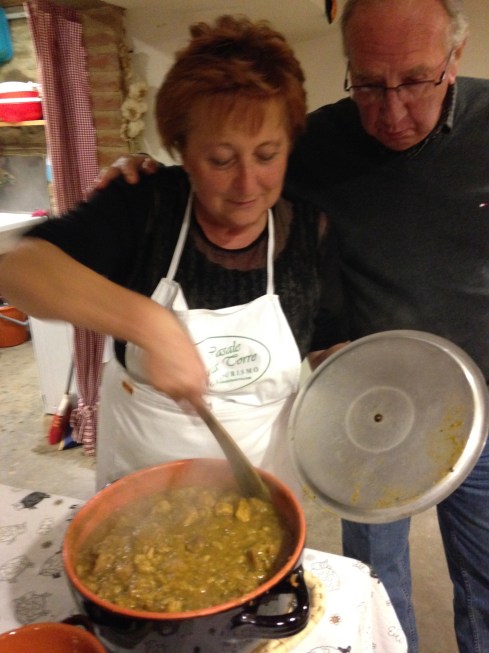
Being in Italy in the fall has given us some incredible new experiences, and participating in an olive harvest has been one of our very best. Hopefully my description of the process, with a great deal of help from Len, is pretty accurate. What we know for certain is that picking the olives was wonderful, and being able to watch them move through the process to the final product was sensational. And of course, as you might guess, there is nothing quite like the taste and flavor of olio nuovo – the new oil. From olives to oil – nature at its very best.
Ciao,
Judy
Tags: Frantoio Landi, Olive Harvest in Tuscany































 Blogging In Italy
