Archive | Italian Art RSS feed for this section

Monreale Cathedral

20 Mar

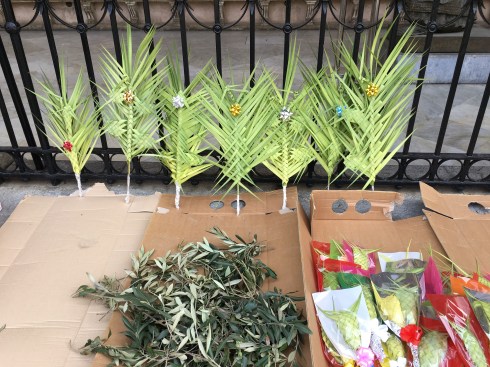
Today is Palm Sunday, a Christian feast that falls on the Sunday before Easter and commemorates Jesus’ entry into Jerusalem. Worship services on Palm Sunday include a procession of the faithful carrying palms, representing the palm branches the crowds scattered in front of Jesus as he rode into Jerusalem.  The difficulty of procuring palms in some climates led to their substitution with branches of native trees, including olive, as they also carried here in Monreale at the great Cathedral.
©Blogginginitaly.com

©Blogginginitaly.com

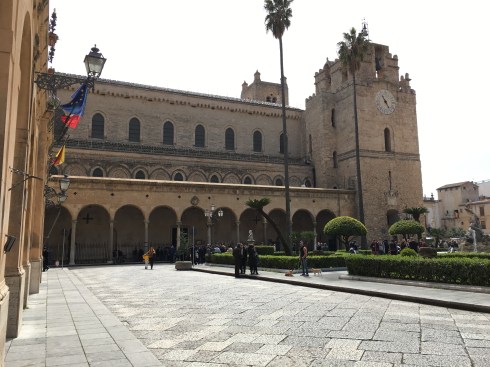
The Monreale Cathedral is one of the greatest examples of Norman architecture in the world, although, among other cathedrals, not hugely impressive on the outside.

©Blogginginitaly.com

©Blogginginitaly.com

It was begun in 1174 by William II and in 1182, it was elevated to a metropolitan cathedral. The Cathedral is a national monument of Italy and one of the most important attractions of Sicily.
©Blogginginitaly.com

©Blogginginitaly.com

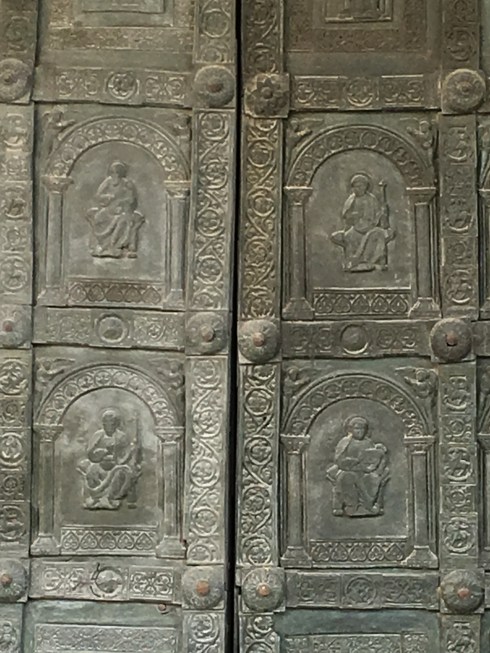
The Cathedral has two sets of Romanesque bronze doors, sculpted in 1185, of which there are only a handful remaining in Europe. They depict 42 reliefs of biblical scenes set within frames.
©Blogginginitaly.com

©Blogginginitaly.com

The true highlight of the Monreale Cathedral, however, is its mosaiced interior.

©Blogginginitaly.com

©Blogginginitaly.com

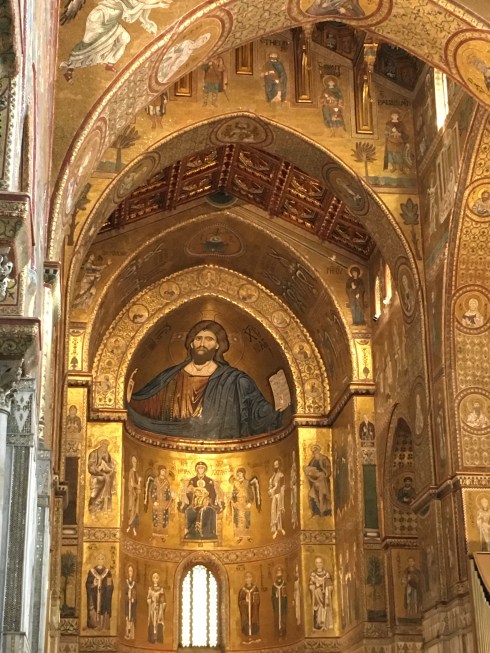
Dating from the 12th and 13th centuries, the golden mosaics almost completely cover the walls, aisles, transept and apse – amounting to over 68,000 square feet of coverage.

©Blogginginitaly.com

©Blogginginitaly.com

Today’s Palm Sunday mass ran for nearly two hours, and began with a blessing of the palms and a large procession including girl and boy scouts and various religious dignitaries.

©Blogginginitaly.com

©Blogginginitaly.com

Even though the service was long, I thoroughly enjoyed hearing familiar verses in Italian as well as recognizable responses. Most of all, however, I enjoyed the opportunity to gaze in awe at the mosaics and the stories they tell.

©Blogginginitaly.com

©Blogginginitaly.com

In the apse, there is a magnificent portrait of Christ Pantocrator (“Ruler of All”) gesturing in a blessing. Saints and apostles, as well old testament stories, fill the rest of the apse.
©Blogginginitaly.com

©Blogginginitaly.com

©Blogginginitaly.com

©Blogginginitaly.com

The aisles and transept depict scenes from the life of Christ, and cover practically all the surfaces of the cathedral’s walls above ground level.

©Blogginginitaly.com

©Blogginginitaly.com

The original roof was severely damaged by fire in 1811. The current roof, made of wood, is a faithfully restored reproduction, carved and painted in great detail very similar to the original roof.

©Blogginginitaly.com

©Blogginginitaly.com

All of the cathedral’s mosaic figures are set with a background of gold mosaic “tesserae” or tiles. There are 130 individual scenes depicting biblical and other religious events and many of the mosaics even include inscriptions in Latin or Greek.

©Blogginginitaly.com

©Blogginginitaly.com

I have been fortunate to visit many churches, basilicas, cathedrals, etc., in Italy, but I must say, this one is simply astonishing.

©Blogginginitaly.com

©Blogginginitaly.com

©Blogginginitaly.com

©Blogginginitaly.com

Ciao,
Judy

Palermo

19 Mar

A few nights ago, we boarded the overnight ferry from Napoli to Palermo. We had good expectations as Benita had done the same two years ago, and it did not disappoint. We enjoyed a lovely candlelit dinner in the dining room; our cabin was clean with comfortable beds; and with clear skies and calm waters, we actually slept very well.

We are staying in Monreale, just outside of Palermo, and yesterday took the local bus to see some of Palermo’s sights. It is not unlike Napoli, with huge buildings, monuments, etc, and an amazing and complex history.

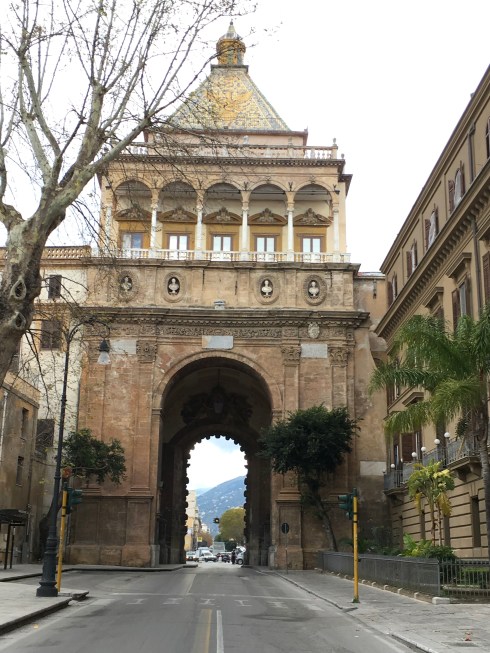
Only in a city as ancient as Palermo could a structure known as the “New Gate” date from 1583. Porta Nuova is still the main entrance to the city center from the west.

©Blogginginitaly.com

©Blogginginitaly.com

Once we walked through it, as you can see here, we immediately felt a sense of pedestrian calmness, unlike other parts of this city.

©Blogginginitaly.com

©Blogginginitaly.com

There is a pyramid-shaped roof, supported by four Moorish statues which represent the Moors defeated by Charles V in his war on the Ottoman Empire.

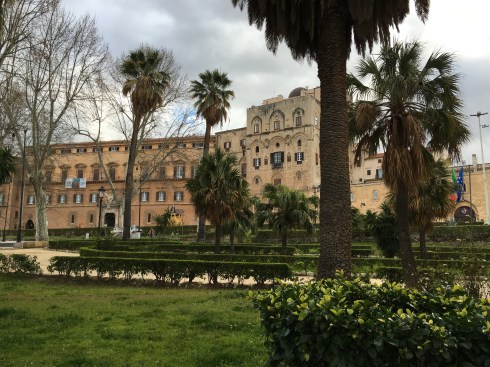
Adjacent to Porta Nuova is Palazzo Reale or the Norman Palace, which is the oldest royal residence in Europe. Today it is the seat of the Sicilian Regional Assembly. It was built by Arab Emirs around the 10th century and became the seat of sovereigns in the Kingdom of Sicily.

©Blogginginitaly.com

©Blogginginitaly.com

The Palace is surrounded by incredible gardens filled with walkways, flowers, palm trees and monuments. Is this really Palermo?

©Blogginginitaly.com

©Blogginginitaly.com

©Blogginginitaly.com

©Blogginginitaly.com

Walking along Corso Vittorio Emanuele, the imposing Palermo Cathedral comes into view.

©Blogginginitaly.com

©Blogginginitaly.com

©Blogginginitaly.com

©Blogginginitaly.com

As an architectural complex, the Cathedral, which was begun in 1170, is characterized by the presence of different styles, including baroque and neoclassical, due to a long history of additions, alterations and restorations, the last of which occurred in the 18th century. The crypt houses tombs and sarcophagi of Roman, Byzantine and Norman ages.

©Blogginginitaly.com

©Blogginginitaly.com

©Blogginginitaly.com

©Blogginginitaly.com

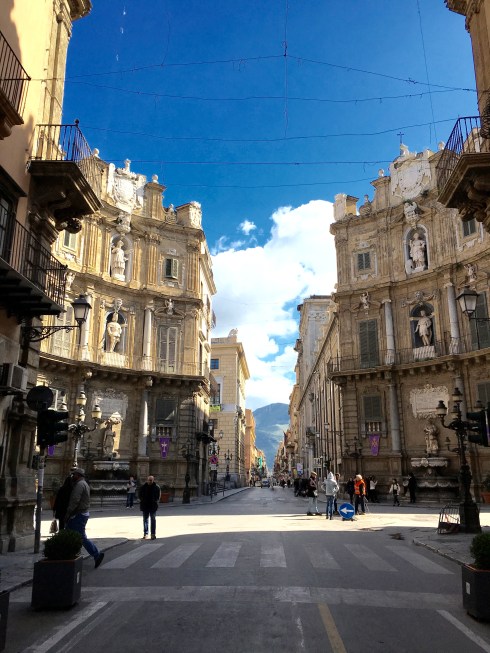
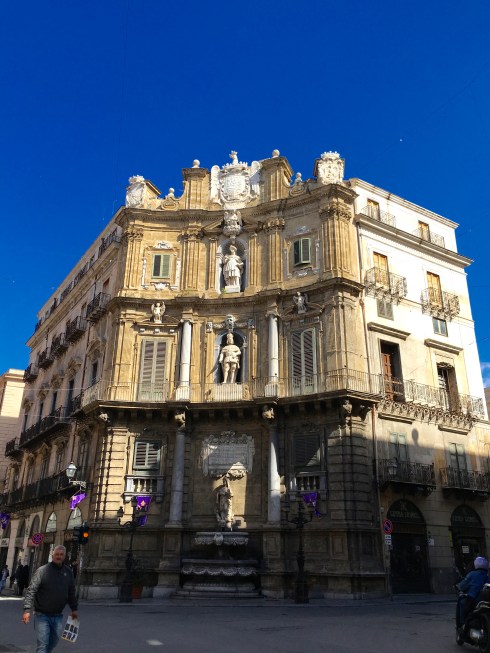
Our walk led us to the Four Corners, or Quattro Canti, officially known as Piazza Vigliena.

©Blogginginitaly.com

©Blogginginitaly.com

It was laid out between 1608-1620 at the crossing of the two principal streets in Palermo, the Via Maqueda and the Corso Vittorio Emanuele. The piazza is octagonal, four sides being the streets; the remaining four sides are buildings.

©Blogginginitaly.com

©Blogginginitaly.com

At the time the piazza was built, it was one of the first major examples of town planning in Europe.

Just a few examples of sights to see in Palermo, each of which contribute to the art, history and culture of this capital of the Italian island of Sicily.

Ciao,
Judy


Museo Cappella Sansevero’s Veiled Christ

15 Mar

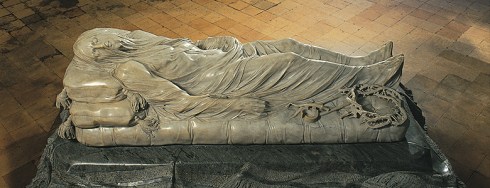
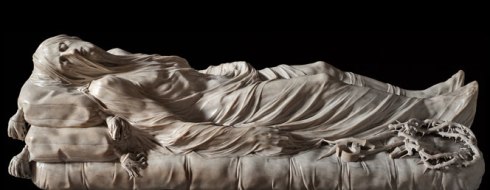
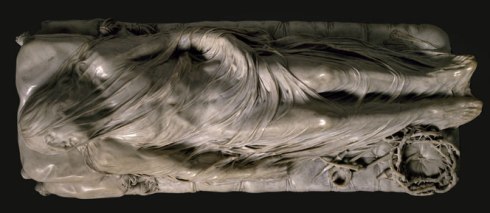
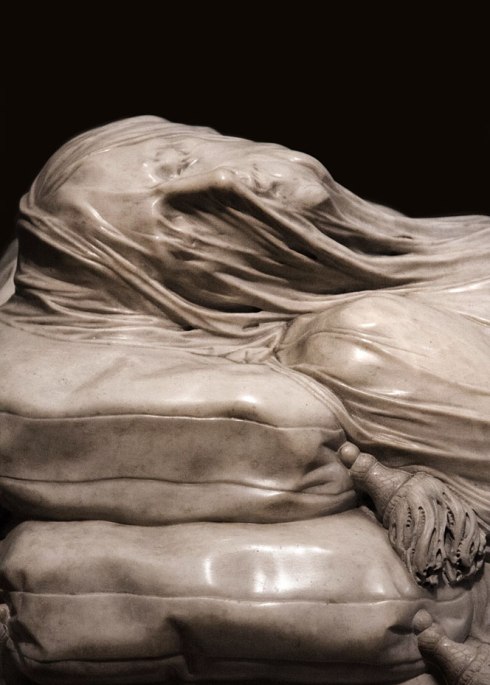
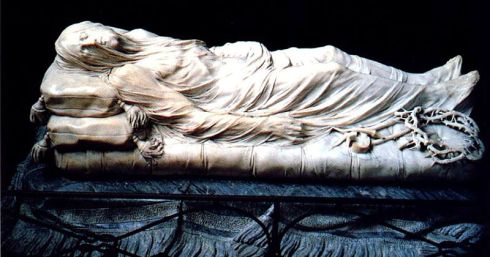
Some art is amazing, and then some is simply extraordinary. Such is the case with the  Veiled Christ sculpture in the Museo Cappella Sansevero in Napoli.

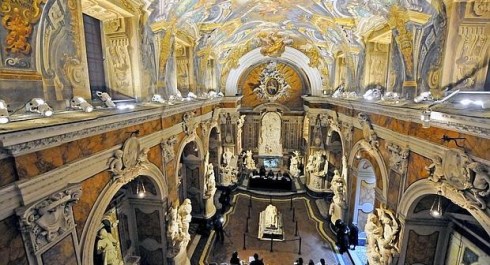
Between 1740-1770, the 7th prince of Sansevero, Raymond di Sagro, created the historic chapel that exists today.  He called on renowned artists around the world to build his family’s mausoleum, and at the same time, reflect his personality as a patron of the arts, inventor, publisher, man of letters, alchemist, and Grand Master of the Freemasons in the Kingdom of Naples.

The following description is taken from literature about Museo Cappella Sansevero:

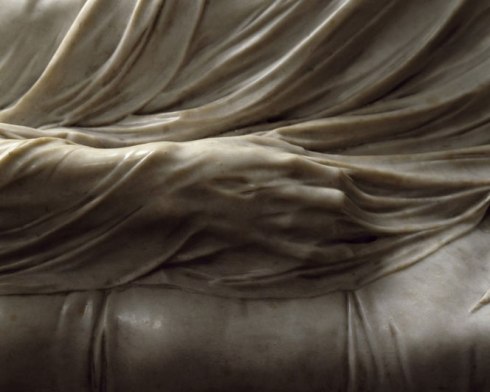
Veiled Christ’s production was originally assigned to sculptor Antonio Coradini, however,  he died a short time later. The assignment thus passed to Giuseppe Sanmartino, who was charged with producing “a marble statue sculpted with the greatest realism, representing Our Lord Jesus Christ in death, covered by a transparent shroud carved from the same block of stone as the statue.” 

Sanmartino produced a work with the dead Christ laid on a couch, covered by a veil which adheres perfectly to his form. The mastery of the Neapolitan sculptor lies in his successful depiction of the suffering that Christ had undergone during the crucifixion through the veil, under which signs of his pain can be seen on his face and body.

At the sculpture’s feet, the artist also carved the instruments of his torture: the crown of thorns, pliers, and some shackles. 

Years ago as a student in Italy, I was able to get close to Michelangelo’s Pietà and David, and even photograph them. Such is not the case today in both Rome and Firenze. Yet in this “small” and private chapel, although photos are not permitted, one can get very close to the sculpture and marvel at its intricacies.

There are other incredible sculptures and paintings in the chapel, but mostly I found it hard to move from the Veiled Christ, a sculpture I had not even known existed. How did he do this? I kept wondering. How?

For me, this sculpture ranks right up there with both the Pietà and David. Exquisite, incredible, straordinaria!

Creative Commons

Creative Commons

Click on any of the photos to enlarge for more detail. Also, for additional information on this museum and treasures, click museosansevero.it

Ciao,
Judy


Make No Small Things

14 Mar

Being from Chicago, I am very familiar with the words of Daniel Burnham:

Make no little plans; they have no magic
to stir men’s blood and probably themselves will not be realized.

As I wander around Napoli, I wonder who said,

Make no small things, and make them colorful.
They will need to stir men’s sense of wonder and last forever.

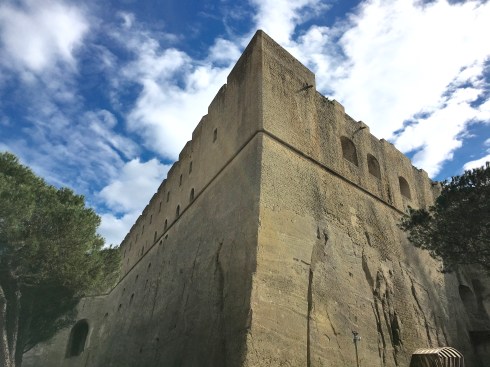
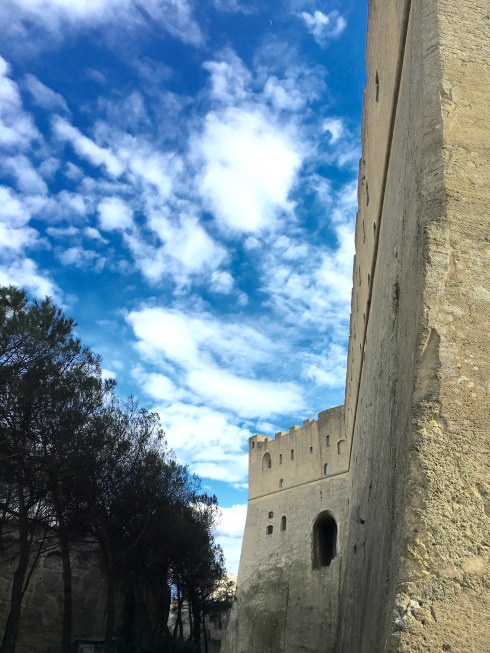
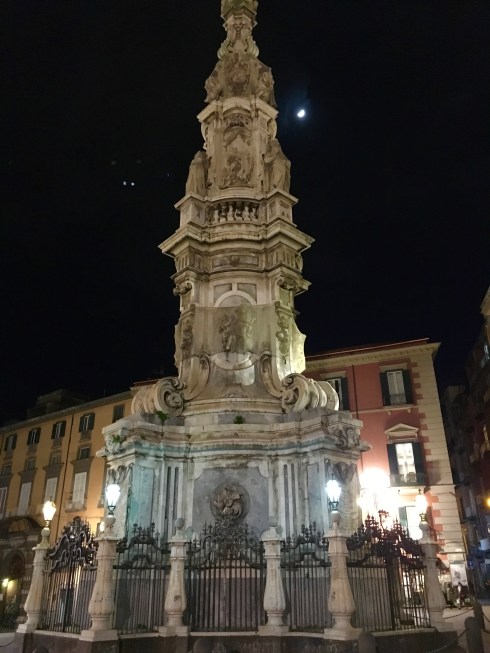
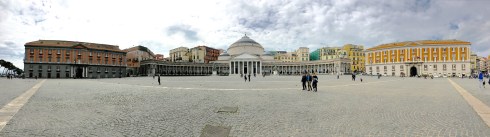
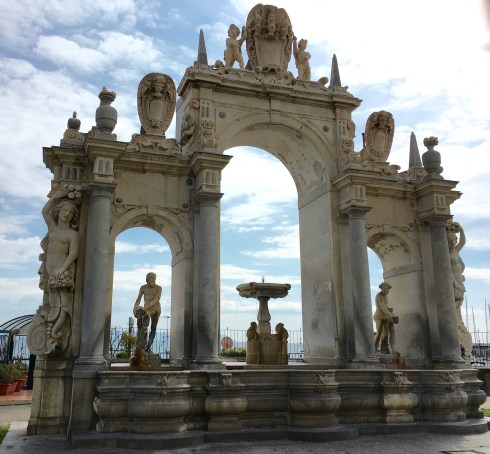
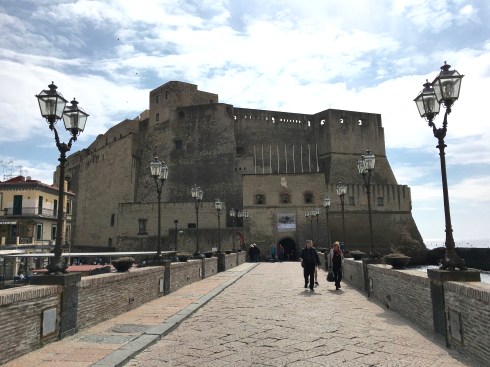
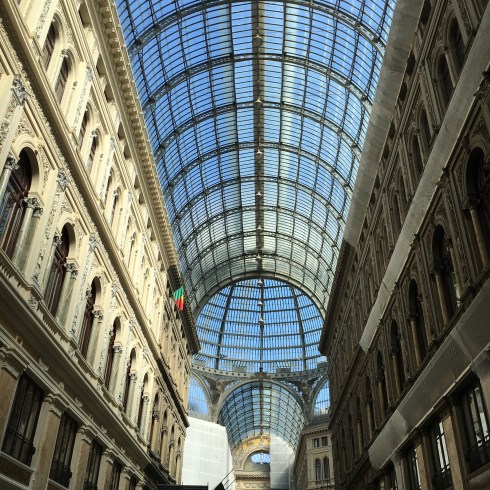
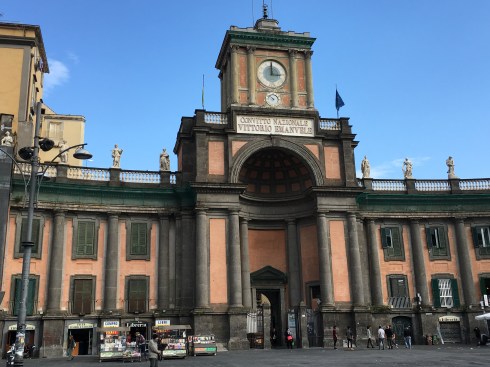
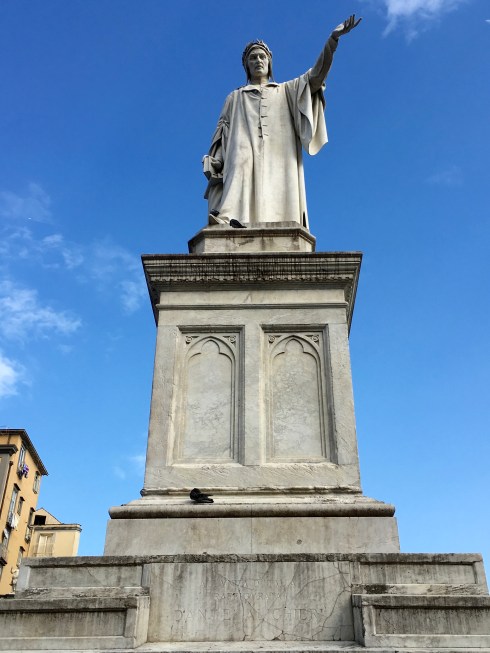
Whether referring to churches, piazzas, statues, buildings, harbors, fortresses, castles, etc., there is nothing small about Napoli. Here are just a few examples.

©Blogginginitaly.com

©Blogginginitaly.com

©Blogginginitaly.com

©Blogginginitaly.com

©Blogginginitaly.com

©Blogginginitaly.com

©Blogginginitaly.com

©Blogginginitaly.com

©Blogginginitaly.com

©Blogginginitaly.com

©Blogginginitaly.com

©Blogginginitaly.com

©Blogginginitaly.com

©Blogginginitaly.com

©Blogginginitaly.com

©Blogginginitaly.com

©Blogginginitaly.com

©Blogginginitaly.com

©Blogginginitaly.com

©Blogginginitaly.com

©Blogginginitaly.com

©Blogginginitaly.com

©Blogginginitaly.com

©Blogginginitaly.com

©Blogginginitaly.com

©Blogginginitaly.com

©Blogginginitaly.com

©Blogginginitaly.com

©Blogginginitaly.com

©Blogginginitaly.com

©Blogginginitaly.com

©Blogginginitaly.com

©Blogginginitaly.com

©Blogginginitaly.com

Ciao,
Judy
Colorful, Grand Napoli

10 Mar

When we arrived last night, there were already two calls waiting for us at our hotel. Neapolitan hospitality.

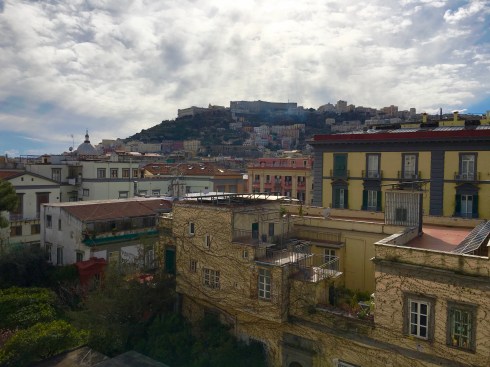
Giovanni, the proprietor of Giovanni’s Hostel where Benita stayed two years ago, invited us for dinner. Being too tired, we opted to wait until today to meet him. Before we left our hotel, these were the morning’s colorful views from our balcony.

©Blogginginitaly.com

©Blogginginitaly.com

©Blogginginitaly.com

©Blogginginitaly.com

©Blogginginitaly.com

©Blogginginitaly.com

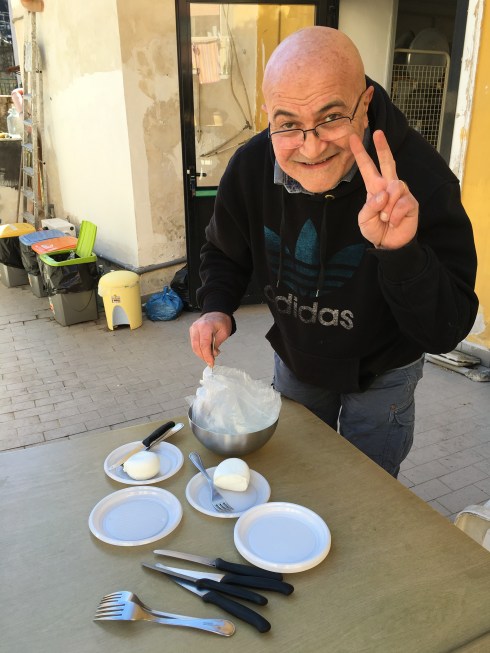
It’s clear in the moments after we met Giovanni why he’s rated the #1 hostel in Napoli. His love and knowledge of this historic city, as well as his devotion to his guests, was evident immediately. “No one should leave Napoli without savoring fresh mozzarella,” he said, and so we joined him and two of his departing guests on his large deck for deliciously fresh, just made mozzarella.

©Blogginginitaly.com

©Blogginginitaly.com

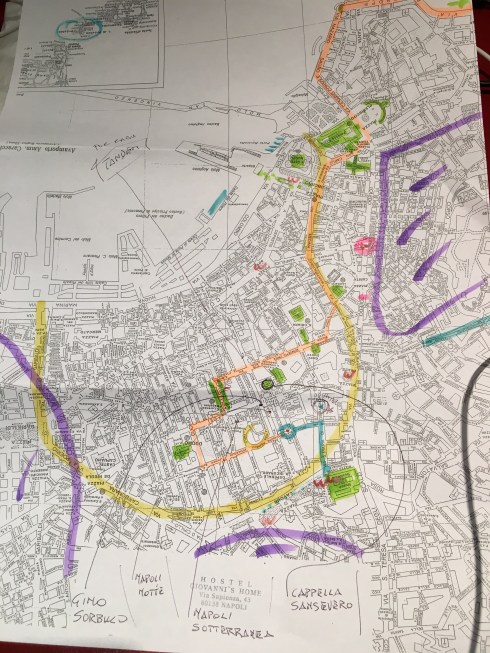
Just after those guests left, Tomas from Argentina arrived. Since Giovanni was going to give his “desk tour” of Napoli to Tomas, he invited us to join. As we might have guessed, it was incredible in interest and detail. He walked us through many of the “must do” sights and activities,  pulling various books, maps, charts, etc. from desk drawers and shelves. Here’s a copy of the color coded map we left with.

©Blogginginitaly.com

©Blogginginitaly.com

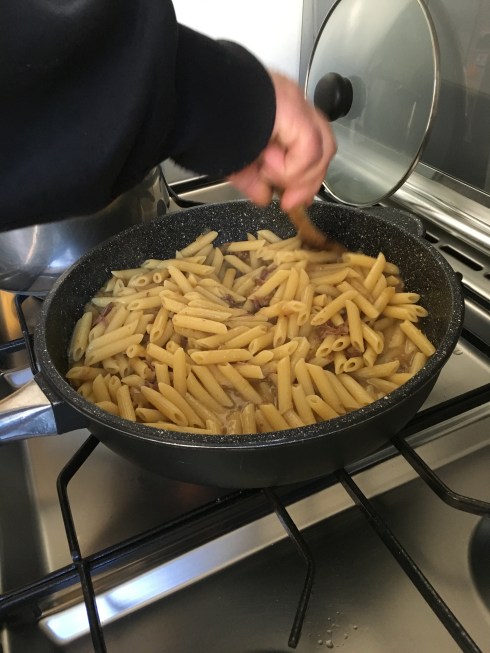
After our tour planning, Giovanni decided it was time for lunch, so he pulled some of his homemade Genovese sauce from the freezer, (slow cooked onions and beef), and made pasta Genovese for us. Smiles all around!

©Blogginginitaly.com

©Blogginginitaly.com

During lunch, we talked a lot about Napoli and the fact that so many only know it as a train station they use to pass through to other parts of southern Italy. Unfortunate indeed, as there is truly so much art, history and culture here. Giovanni showed this CNN clip he recently found, and I pass it along to you. It really gives a wonderful view of Napoli, a city well worth a visit.

https://www.youtube.com/watch?v=AfExG6QH-0A&feature=youtu.be

As for my other call at the hotel, you’ll have to wait a day or two to learn about it. In the meantime, suffice it to say that we are delighted we are finally experiencing Napoli, its history, culture, food, treasures and people.

Grazie mille, Giovanni, for your friendship, food and hospitality!

©Blogginginitaly.com

©Blogginginitaly.com

Ciao,

Judy and Leonardo

Ennio Morricone

5 Mar

In case you missed it, Ennio Morricone, age 87,  walked home with an Oscar this year for his original score for The Hateful Eight. Born in Rome in 1928, he has achieved incredible success as a composer, orchestrator, and conductor. Over the past seven decades, Morricone has composed over 500 scores for cinema and television, as well as over 100 classical works.

Perhaps my favorite of all of his compositions is this, from Cinema Paradiso. It always manages to bring a smile to my face and a few tears to my eyes. Turn up your volume and enjoy.

Bravo, Signor Morricone! Complimenti!

Ciao,
Judy


Shrove Tuesday, Carnevale in Venezia

9 Feb

Although the high today will reach about 20°, Benita invited Len and me to join her for pazcki, the Polish deep-fried donut that signals the coming of Lent. We headed to Firecakes Donuts in Lincoln Park, where we tried the raspberry ones, then took a lemon for later. Definitely worth the calories!

©Blogginginitaly.com

©Blogginginitaly.com

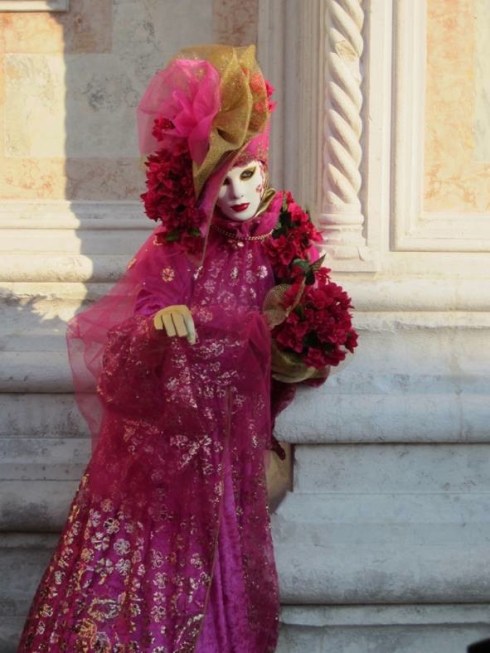
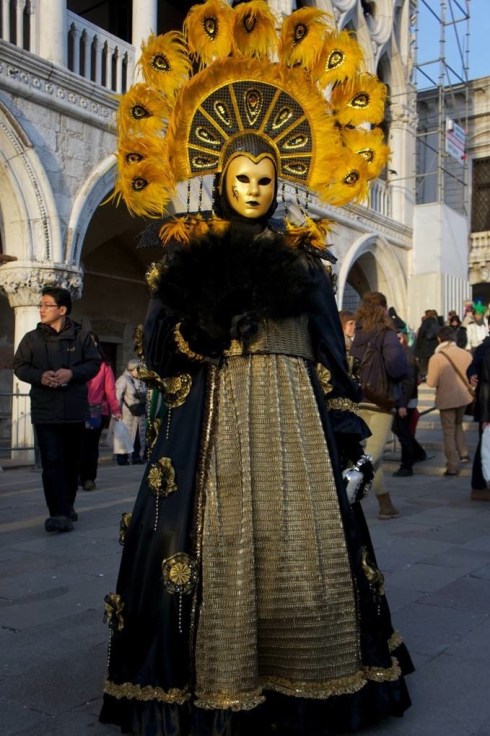
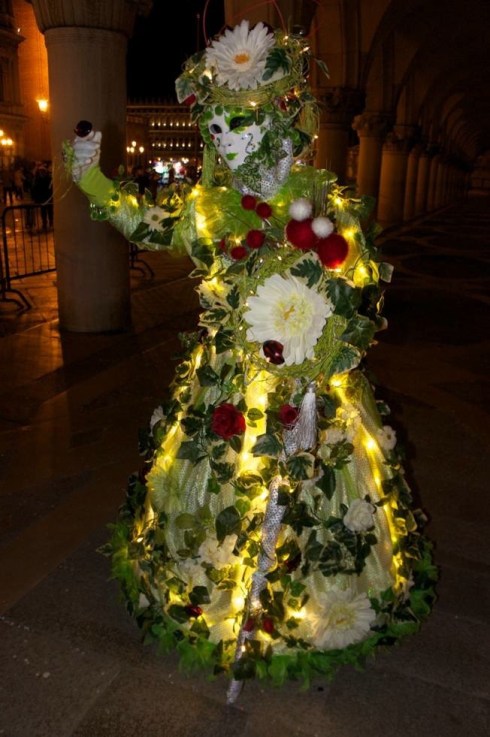
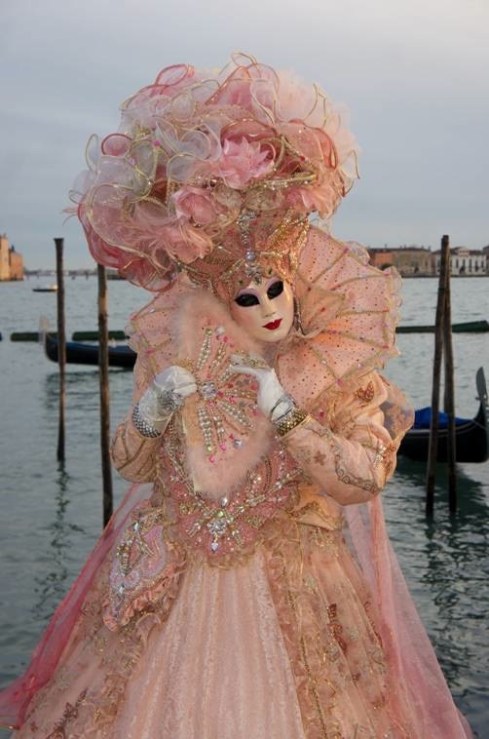
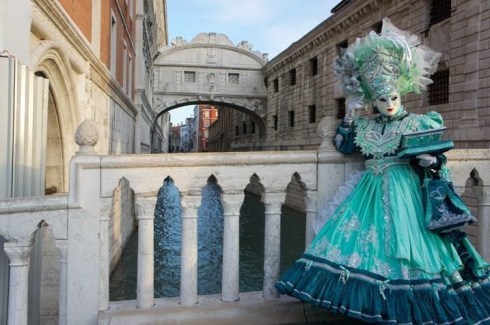
Eating the pazcki reminded me of Venice’s Carnevale, the huge winter festival celebrated with  parades, masquerade balls, musicians, music, and parties. Although today is Shrove Tuesday, the official date of Carnevale, Italians like others have been celebrating for weeks.

It’s thought that the Carnival of Venice was started as part of a victory celebration in 1162. Over the years, Carnevale took on various meanings, and was outlawed completely in 1797 under the rule of the King of Austria. In the 19th century, it gradually reappeared and in 1979, the Italian government brought it back as a means of highlighting the history and culture of Venice.

Today, approximately 3 million people attend Carnevale annually. They are awed, not only by Venice’s buildings, bridges, gondolas and canals, but also by the incredible attention to detail that goes into the costumes and pageantry. On the last weekend of Carnevale, a competition is held to determine la maschera più bella  or “the most beautiful mask”. The contest is judged by a panel of international costume and fashion designers, and when you see the incredible artistry, you’ll understand why.

Many thanks to my dear friends Marco and Mario for allowing me to share their amazing photos.

©Blogginginitaly.com

Mario in Venetian Mask Shop©Blogginginitaly.com

©Blogginginitaly.com

Marco/Mario©Blogginginitaly.com

©Blogginginitaly.com

Marco/Mario©Blogginginitaly.com

©Blogginginitaly.com

Marco/Mario©Blogginginitaly.com

©Blogginginitaly.com

Marco/Mario©Blogginginitaly.com

©Blogginginitaly.com

Marco/Mario©Blogginginitaly.com

©Blogginginitaly.com

Marco/Mario©Blogginginitaly.com

©Blogginginitaly.com

Macro/Mario©Blogginginitaly.com

©Blogginginitaly.com

Marco/Mario©Blogginginitaly.com

Marco/Mario©Blogginginitaly.com

Marco/Mario©Blogginginitaly.com

Marco/Mario©Blogginginitaly.com

Marco/Mario©Blogginginitaly.com

Marco/Mario©Blogginginitaly.com

Marco/Mario©Blogginginitaly.com

Marco/Mario©Blogginginitaly.com

Marco/Mario©Blogginginitaly.com

So glad I didn’t have to choose a favorite – tough work for the judges!

Ciao,
Judy

Terracotta Sunsets

6 Nov
Terracotta  (tɛrəˈkɒtə)  noun: a type of fired clay, typically of a brownish-red color and unglazed.
Italian: “baked earth”
©Blogginginitaly.com

©Blogginginitaly.com

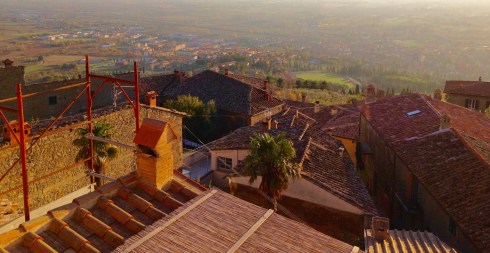
Terracotta –  used throughout history for bricks and roof tiles as well as sculpture and pottery.

©Blogginginitaly.com

©Blogginginitaly.com

Terracotta – coloring and shaping Cortona’s landscape.

©Blogginginitaly.com

©Blogginginitaly.com

Terracotta – old, durable, and always beautiful.

©Blogginginitaly.com

©Blogginginitaly.com

Ciao,
Judy
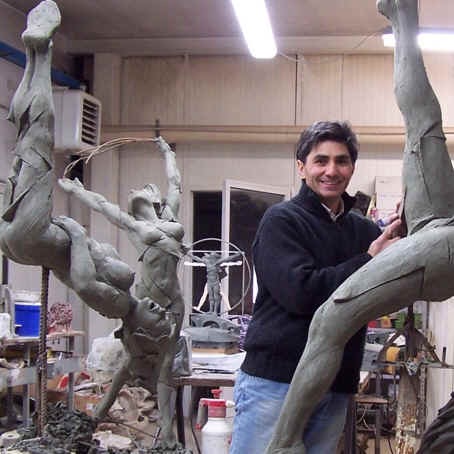
Andrea Roggi, Sculptor

1 Nov

It would be impossible to separate Andrea Roggi from his art, or nature from this man – a poet, painter, artist and sculptor, who has never lost his childlike curiosity for life, nature and human potential.

©Andrea Roggi

©Andrea Roggi

His theme epitomizes his work: Love and Creativeness Make the World Go Around.  And when you enter The Circle of Life Art Gallery in Cortona, you are simply in awe of the man and his passion.

Circle of Life Art Gallery, photo permission, ©Blogginginitaly.com

Circle of Life Art Gallery, photo permission, ©Blogginginitaly.com

Circle of Life Art Gallery, photo permission, ©Blogginginitaly.com

Circle of Life Art Gallery, photo permission, ©Blogginginitaly.com

Circle of Life Art Gallery, photo permission, ©Blogginginitaly.com

Circle of Life Art Gallery, photo permission, ©Blogginginitaly.com

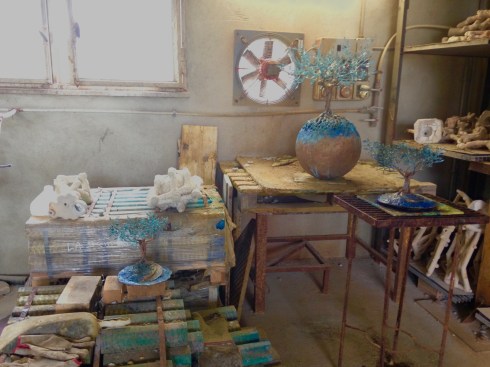
Len and I had the good fortune of meeting Andrea and were invited to his nearby studio, situated in his Parco della Creatività. We were quickly surrounded by Andrea’s artistic passion, as well as his goal of bringing art enthusiasts, young and old, together.

Parco della Creatività, photo permission, ©Blogginginitaly.com

Parco della Creatività, photo permission, ©Blogginginitaly.com


Parco della Creatività, photo permission, ©Blogginginitaly.com

Parco della Creatività, photo permission, ©Blogginginitaly.com

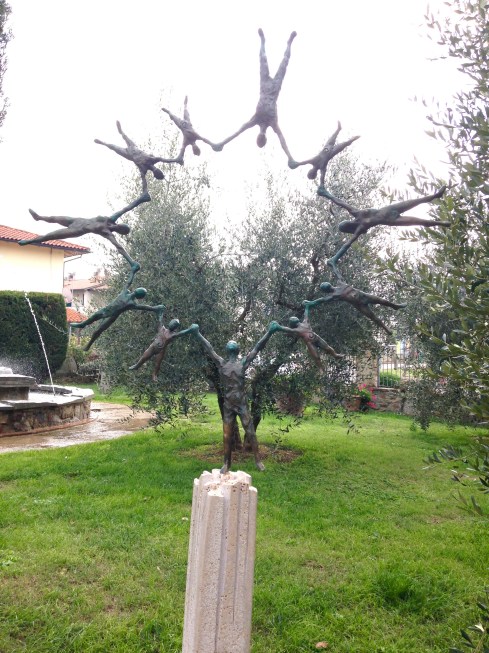
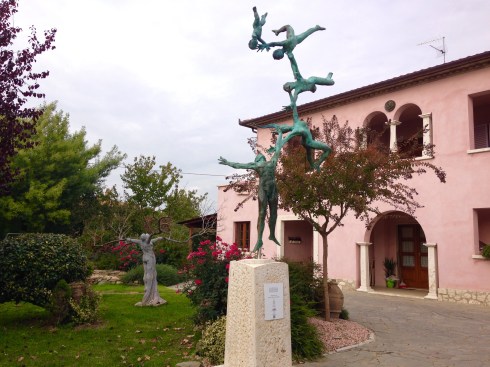
This wonderful sculpture is called Family in Flight – think, be and fly together.

Parco della Creatività , photo permission, ©Blogginginitaly.com

Parco della Creatività, photo permission, ©Blogginginitaly.com

Parco della Creatività, photo permission, ©Blogginginitaly.com

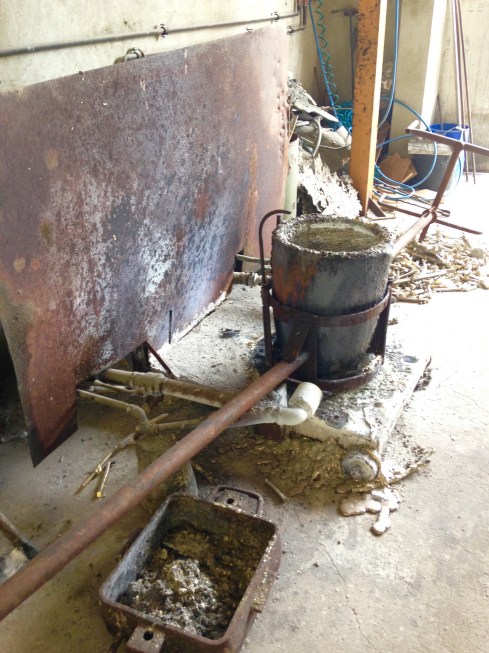
In 1991, Andrea set up his workshop, La Scultura di Andrea Roggi, where he works with bronze and marble to create small to very large-sized pieces. He uses the complex and detailed long casting process to transform his drawings and clay models into incredible bronze sculptures.

Andrea, along with Chiara, one of his staff, patiently led us through the process.

©Blogginginitaly.com

©Blogginginitaly.com

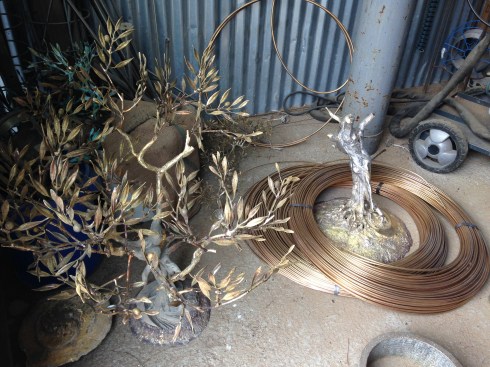
I hope my photos depict even a little of the complexity involved in this ancient process. All of the written info that follows comes from  The Circle of Life Gallery: The Lost Wax Technique.

The lost-wax technique, for casting large, hollow bronze statues, has been known since ancient times. Through the forming step, the artist makes a mould of the original clay sculpture, revealing a “negative” impression which can be later used to produce multiple copies (replicas).

Andrea Roggi with permission ©Blogginginitaly.com

Andrea Roggi with permission ©Blogginginitaly.com

Andrea Roggi with permission ©Blogginginitaly.com

Andrea Roggi with permission ©Blogginginitaly.com

During the wax pouring step, molten wax is introduced into the mould and allowed to cool.

Andrea Roggi with permission ©Blogginginitaly.com

Andrea Roggi with permission ©Blogginginitaly.com

This wax copy is then “sprued”, i.e. fitted with a treelike structure of wax rods, called “sprues” which, by converging on the same point, will serve as channels for the molten bronze to flow through and as air vents for gases to escape.

Subsequently, during the wax chasing step, heated metal tools are used to carefully rub out any imperfections and to redefine the details. Then the reworked, sprued wax copy is dressed and coated with refractory plaster (to obtain a so-called “ceramic shell”).

Andrea Roggi with permission ©Blogginginitaly.com

Andrea Roggi with permission ©Blogginginitaly.com

Next, the burnout stage takes place, during which the ceramic shell-coated piece is placed in a kiln, where the plaster becomes strong and the wax melts down and runs out (hence the term “lost wax”), emptying the space previously occupied and leaving a detailed impression within the shell.

Andrea Roggi with permission ©Blogginginitaly.com

Andrea Roggi with permission ©Blogginginitaly.com

This empty ceramic shell (which represents a second negative mould) will receive during casting the molten bronze, poured in at a temperature of about 1,100 °C (about 2,000 °F).

Andrea Roggi with permission ©Blogginginitaly.com

Andrea Roggi with permission ©Blogginginitaly.com

The filled shell is allowed to cool and finally broken off to reveal the rough metal casting.

Andrea Roggi with permission ©Blogginginitaly.com

Andrea Roggi with permission ©Blogginginitaly.com

At this point, the parts of the sculpture are welded together and the bronze sculpture undergoes  extensive metal chasing, which includes surface smoothing (raspinatura, to remove all tell-tale signs of the casting process) and detail chiseling (cesellatura).

Andrea Roggi with permission ©Blogginginitaly.com

Andrea Roggi with permission ©Blogginginitaly.com

In the last stage, the surface is varnished by applying the so-called patina, which gives the bronze its final and unique color qualities, while avoiding a rapid oxidation and enhancing the aesthetic value of the sculpture.

Andrea Roggi with permission ©Blogginginitaly.com

Andrea Roggi with permission ©Blogginginitaly.com

Andrea told us that while his original drawings and molds are the beginning of each creation, he works each and every piece to his satisfaction throughout the process, thus, no two pieces are exactly the same.

Inspired primarily by nature and his family, he has produced a number of public artworks in Italy, located mainly in Tuscany and Umbria, but found in other countries as well.

In Memory of Aviators sits between Piazza Garibaldi and the park in Cortona.

©Blogginginitaly.com

©Blogginginitaly.com

And a life-sized statue dedicated to native Roberto Benigni, (Life is Beautiful), can be found in Parco della Creatività.

©Blogginginitaly.com

©Blogginginitaly.com

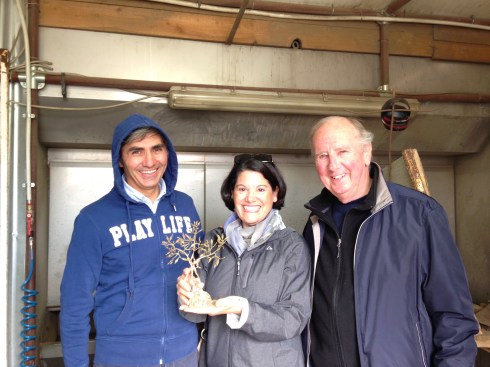
Finally, while touring the facility, I noticed a small sculpture that had been formed but was not yet complete. I asked if I could pick it up. It was a small sculpture of a man and woman reaching into an olive tree, something especially meaningful to us this year. And it seemed to have my name on it.

©Blogginginitaly.com

©Blogginginitaly.com

Soon, Io vivo in Te, (I live in you) will be going home with us.

Grazie mille, Andrea, for sharing your time, passion and extraordinary talent with us. Our day spent with you will be one we will always treasure.

Ciao,
Judy
Note: For those who plan to visit Cortona, be sure to add the gallery to your must see list, and please say hello for me.
For more info:
The Circle of Life Gallery
Via Casali n.6, 52044, Cortona, Italy.
Telephone:+39 0575 653125
thecircleoflifeartgallery@gmail.com

San Galgano

28 Sep

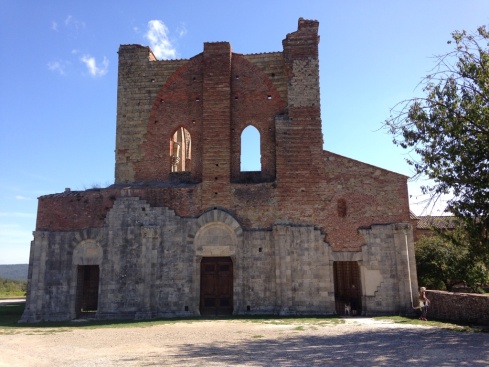
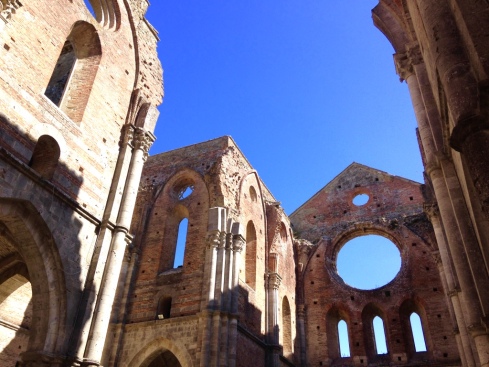
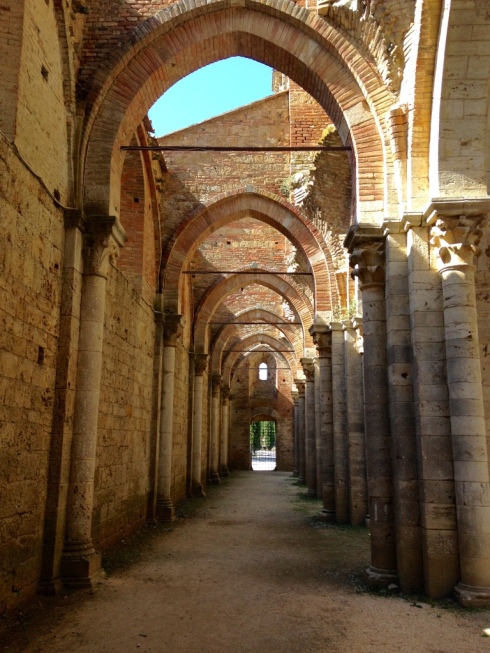
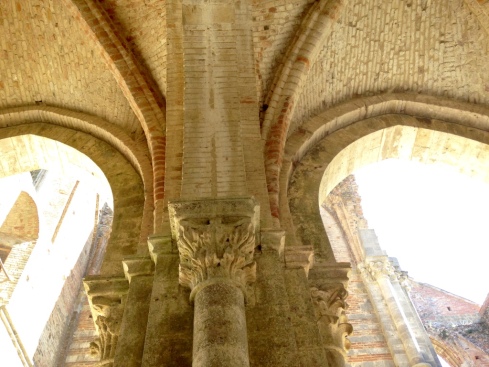
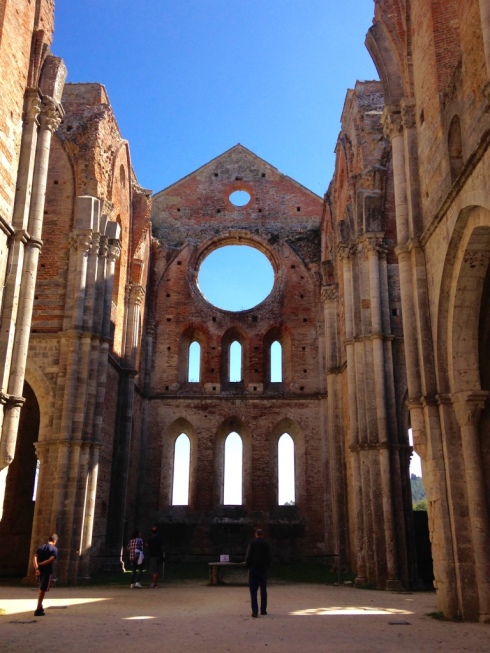
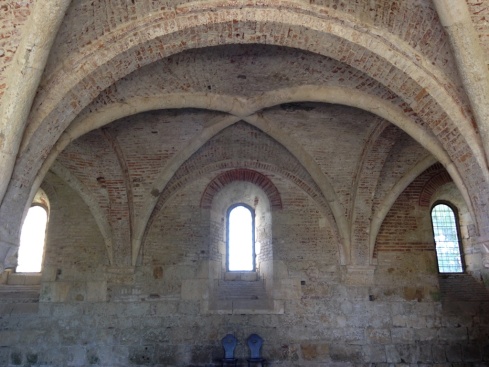
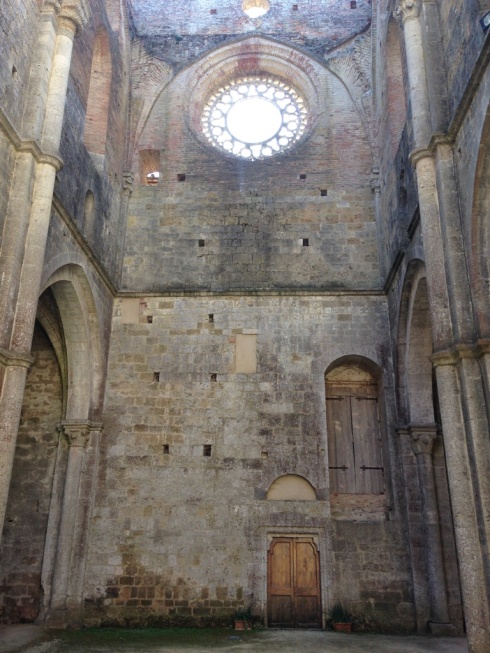
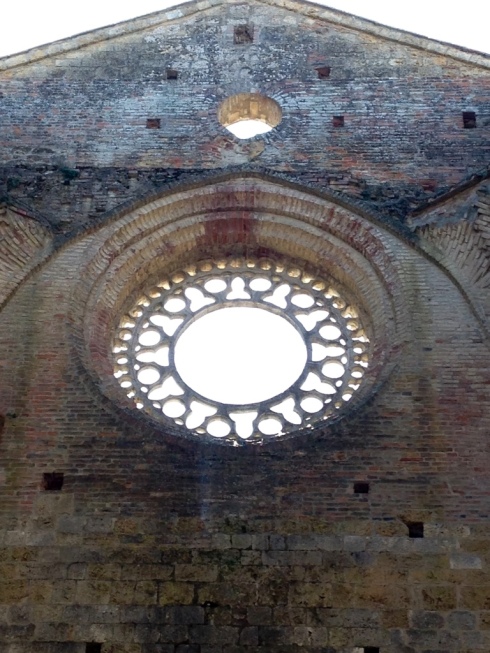
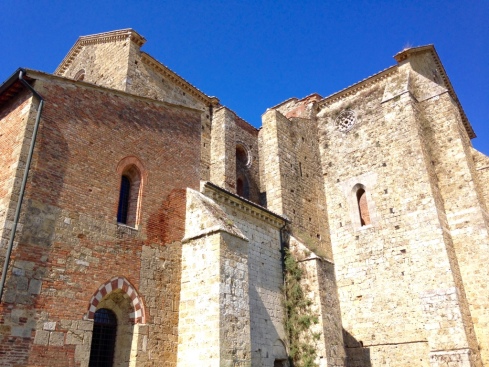
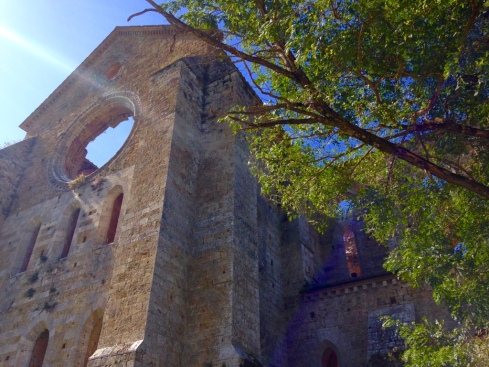
Between 1218 and 1288, the Cistercian  monks built the first gothic church in Tuscany. Its location was selected because Cistercian monks built their monasteries close to rivers, here the Merse, where they could cultivate the plains, marshlands and woods.

©Blogginginitaly.com

©Blogginginitaly.com

©Blogginginitaly.com

©Blogginginitaly.com

©Blogginginitaly.com

©Blogginginitaly.com

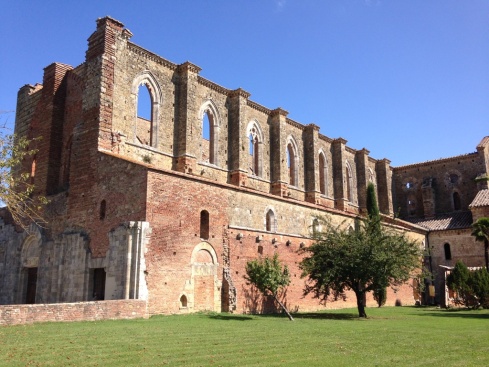
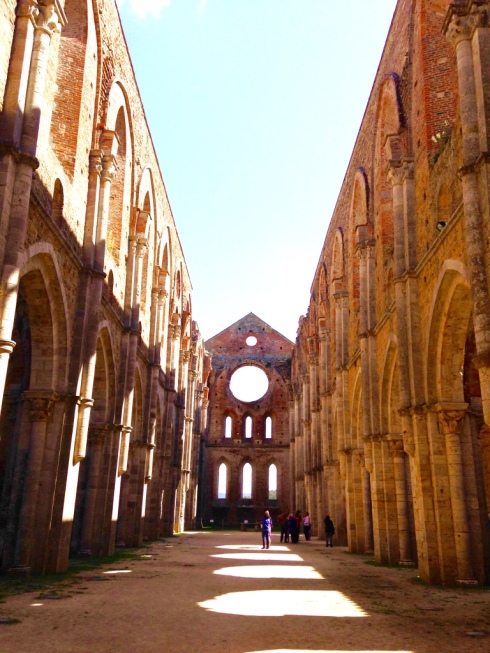
Several tragedies struck the area, including the famine of 1329, the plague of 1348, and finally mercenaries at the end of the 15th century, causing the monks to relocate to Siena. Then in 1786, lightning struck the bell tower, which collapsed onto the roof of the Abbey, causing the roof to collapse.

©Blogginginitaly.com

©Blogginginitaly.com

In 1789, the Abbey was deconsecrated, but the remains are still quite a site.

©Blogginginitaly.com

©Blogginginitaly.com

©Blogginginitaly.com

©Blogginginitaly.com

©Blogginginitaly.com

©Blogginginitaly.com

©Blogginginitaly.com

©Blogginginitaly.com

©Blogginginitaly.com

©Blogginginitaly.com

©Blogginginitaly.com

©Blogginginitaly.com

©Blogginginitaly.com

©Blogginginitaly.com

©Blogginginitaly.com

©Blogginginitaly.com

©Blogginginitaly.com

©Blogginginitaly.com

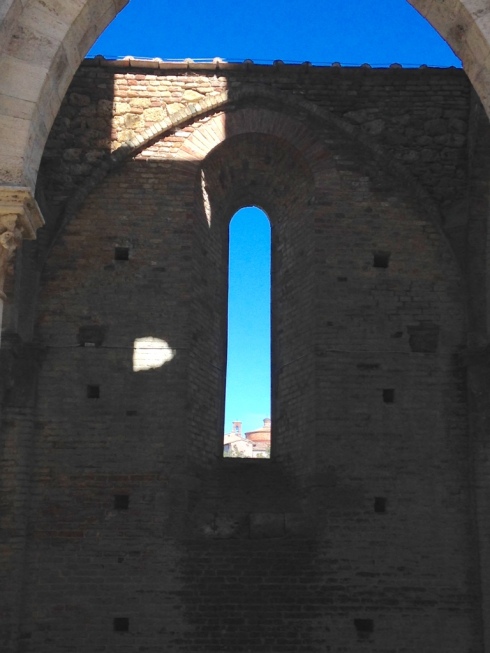
If you look closely through the Abbey window below, you will see a bit of The Hermitage of San Galgano, up the hill from the Abbey, and a place steeped in legend.

©Blogginginitaly.com

©Blogginginitaly.com

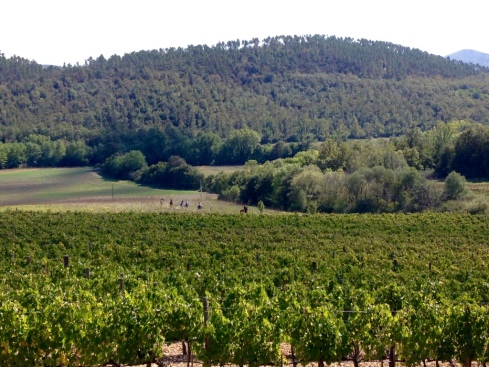
On our hike uphill, we passed a vineyard where grapes continue to be harvested, and saw locals on horseback riding through the fields.

©Blogginginitaly.com

©Blogginginitaly.com

Galgano Guidotti was born in 1148, and the events of his life have been enriched by legends, some of which we see in Camelot. Galgano, like Francis of Assisi, was born into a life of means but was tormented by a lack of direction for own life, even though he had earned the title of Knight.

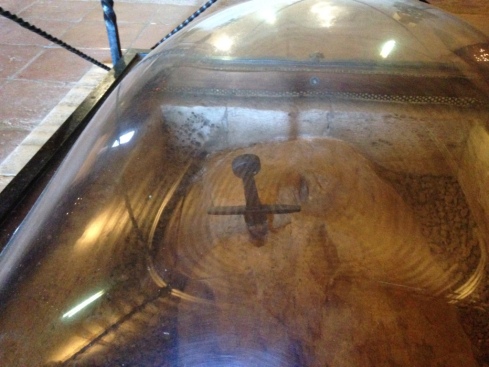
According to legend, at the insistence of St. Michael the Archangel, Galgano became a hermit. To demonstrate his commitment to his faith and to peace, he plunged his sword into a rock that emerged in his hut. This was Galgano’s sign of his renunciation of war and the symbol of the cross was a symbol of his faith.

©Blogginginitaly.com

©Blogginginitaly.com

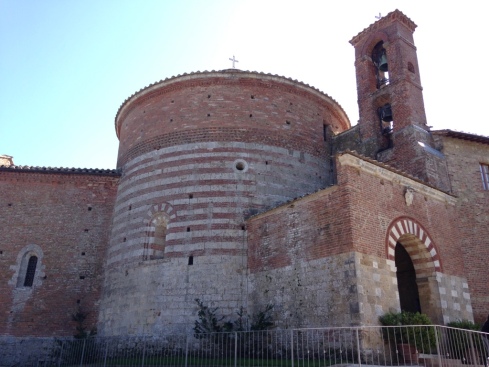
Galgano died in 1181, and in 1182, construction began on the Hermitage Rotunda as a mausoleum to shelter his tomb, as well as the rock and sword. He was canonized in 1185 by Pope Lucius III, only a few years after his death.

Over the years, there were several additions and modifications to the structure, as well as periods of demise. It is thought that the original architect may have drawn his inspiration from other circular structures in Rome such as Castel Sant’Angelo and the Pantheon.

©Blogginginitaly.com

©Blogginginitaly.com

Whether the details are accurate history or legend, it is incredible to see what remains, including the vibrant colors.

©Blogginginitaly.com

©Blogginginitaly.com

Ciao,

Judy