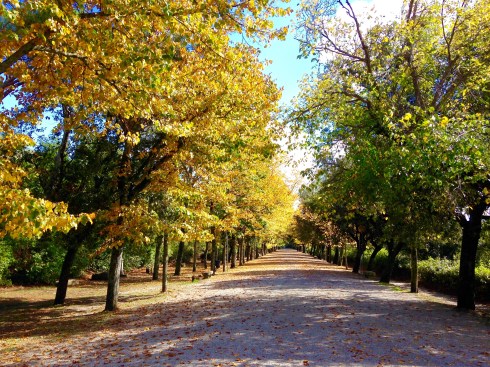
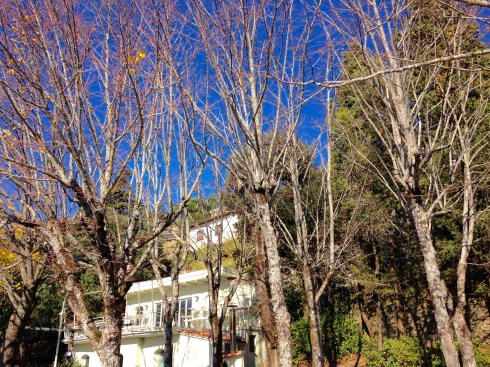
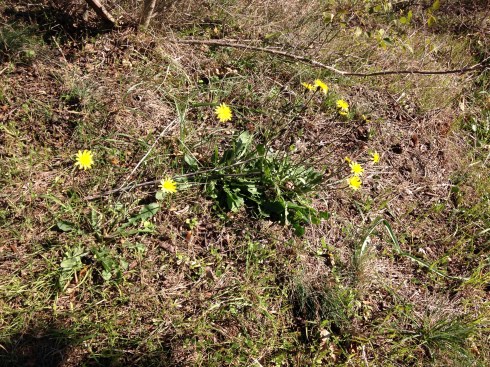
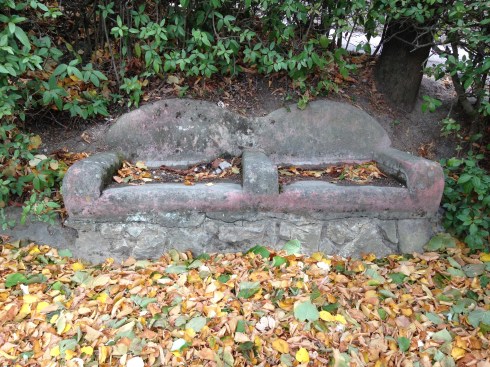
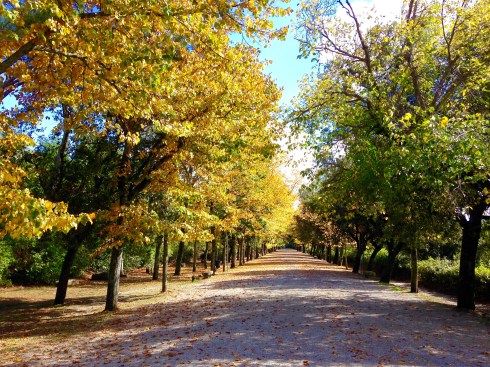
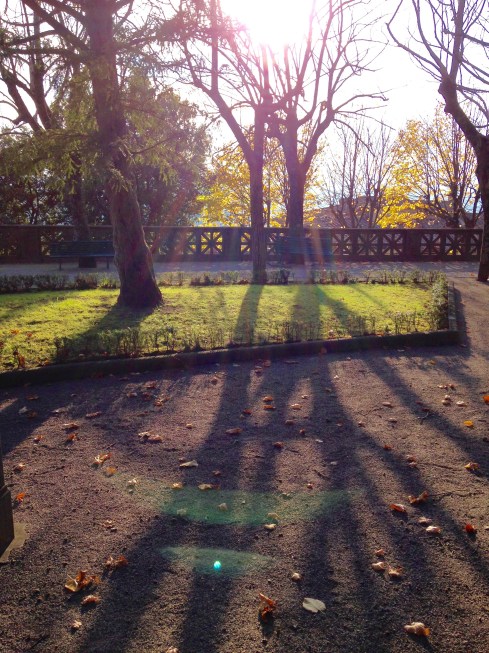
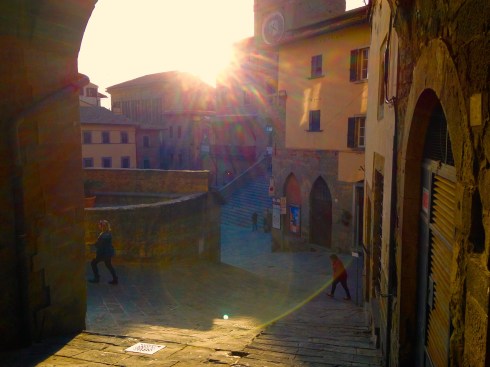
There’s an abundance of fall’s changing fashion in Cortona’s tranquil parterre…
Where the seasonal sunflower replacement has emerged,
And front row seats are always free.
Bellissimo!
Ciao,
Judy
There’s an abundance of fall’s changing fashion in Cortona’s tranquil parterre…
Where the seasonal sunflower replacement has emerged,
And front row seats are always free.
Bellissimo!
Ciao,
Judy
It would be impossible to separate Andrea Roggi from his art, or nature from this man – a poet, painter, artist and sculptor, who has never lost his childlike curiosity for life, nature and human potential.
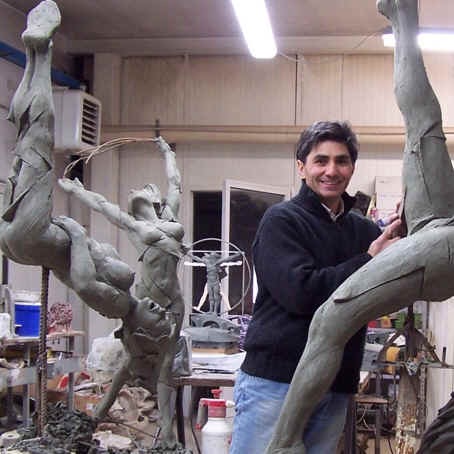
His theme epitomizes his work: Love and Creativeness Make the World Go Around. And when you enter The Circle of Life Art Gallery in Cortona, you are simply in awe of the man and his passion.
Len and I had the good fortune of meeting Andrea and were invited to his nearby studio, situated in his Parco della Creatività. We were quickly surrounded by Andrea’s artistic passion, as well as his goal of bringing art enthusiasts, young and old, together.
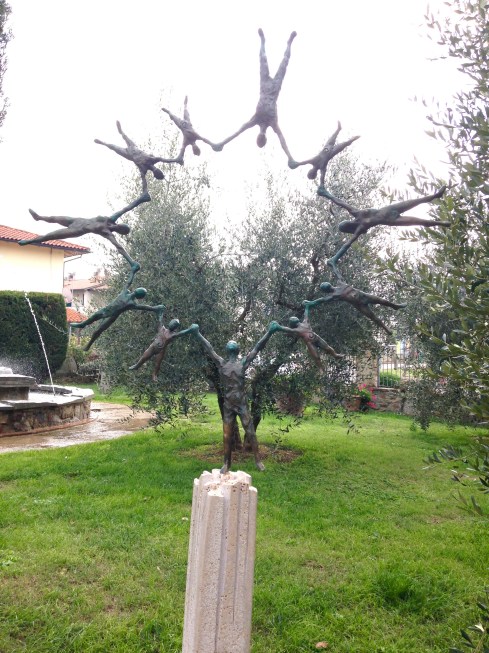
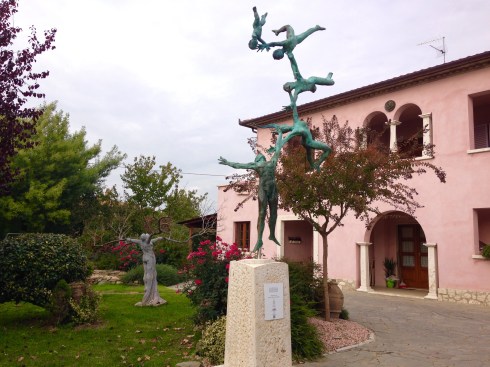
This wonderful sculpture is called Family in Flight – think, be and fly together.
In 1991, Andrea set up his workshop, La Scultura di Andrea Roggi, where he works with bronze and marble to create small to very large-sized pieces. He uses the complex and detailed long casting process to transform his drawings and clay models into incredible bronze sculptures.
Andrea, along with Chiara, one of his staff, patiently led us through the process.
I hope my photos depict even a little of the complexity involved in this ancient process. All of the written info that follows comes from The Circle of Life Gallery: The Lost Wax Technique.
The lost-wax technique, for casting large, hollow bronze statues, has been known since ancient times. Through the forming step, the artist makes a mould of the original clay sculpture, revealing a “negative” impression which can be later used to produce multiple copies (replicas).
During the wax pouring step, molten wax is introduced into the mould and allowed to cool.
This wax copy is then “sprued”, i.e. fitted with a treelike structure of wax rods, called “sprues” which, by converging on the same point, will serve as channels for the molten bronze to flow through and as air vents for gases to escape.
Subsequently, during the wax chasing step, heated metal tools are used to carefully rub out any imperfections and to redefine the details. Then the reworked, sprued wax copy is dressed and coated with refractory plaster (to obtain a so-called “ceramic shell”).
Next, the burnout stage takes place, during which the ceramic shell-coated piece is placed in a kiln, where the plaster becomes strong and the wax melts down and runs out (hence the term “lost wax”), emptying the space previously occupied and leaving a detailed impression within the shell.
This empty ceramic shell (which represents a second negative mould) will receive during casting the molten bronze, poured in at a temperature of about 1,100 °C (about 2,000 °F).
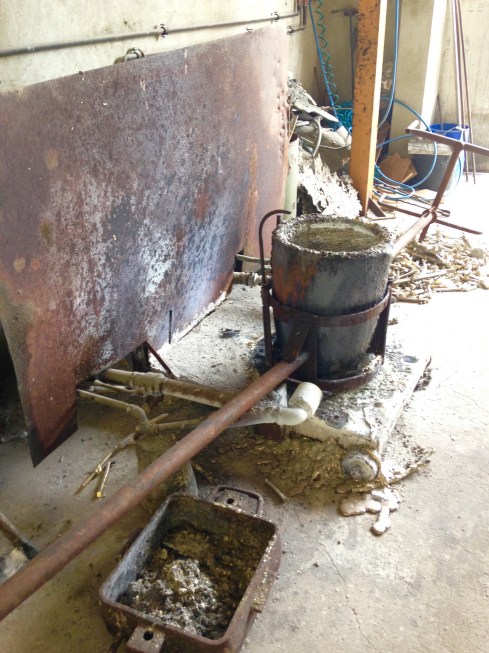
The filled shell is allowed to cool and finally broken off to reveal the rough metal casting.
At this point, the parts of the sculpture are welded together and the bronze sculpture undergoes extensive metal chasing, which includes surface smoothing (raspinatura, to remove all tell-tale signs of the casting process) and detail chiseling (cesellatura).
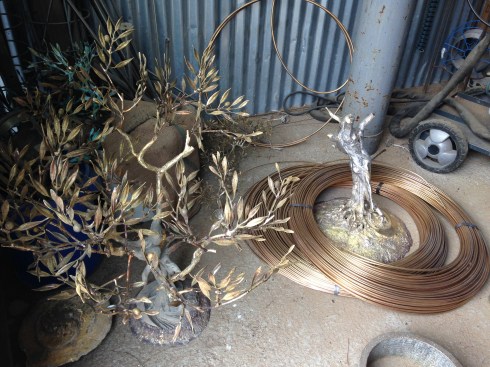
In the last stage, the surface is varnished by applying the so-called patina, which gives the bronze its final and unique color qualities, while avoiding a rapid oxidation and enhancing the aesthetic value of the sculpture.
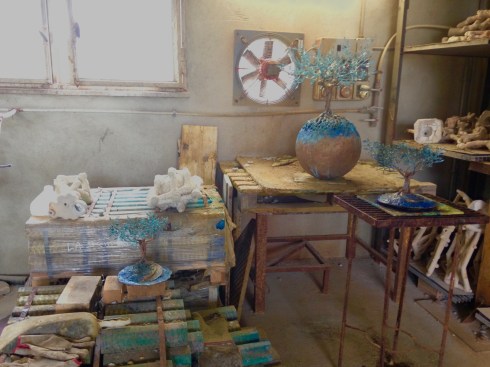
Andrea told us that while his original drawings and molds are the beginning of each creation, he works each and every piece to his satisfaction throughout the process, thus, no two pieces are exactly the same.
Inspired primarily by nature and his family, he has produced a number of public artworks in Italy, located mainly in Tuscany and Umbria, but found in other countries as well.
In Memory of Aviators sits between Piazza Garibaldi and the park in Cortona.
And a life-sized statue dedicated to native Roberto Benigni, (Life is Beautiful), can be found in Parco della Creatività.
Finally, while touring the facility, I noticed a small sculpture that had been formed but was not yet complete. I asked if I could pick it up. It was a small sculpture of a man and woman reaching into an olive tree, something especially meaningful to us this year. And it seemed to have my name on it.
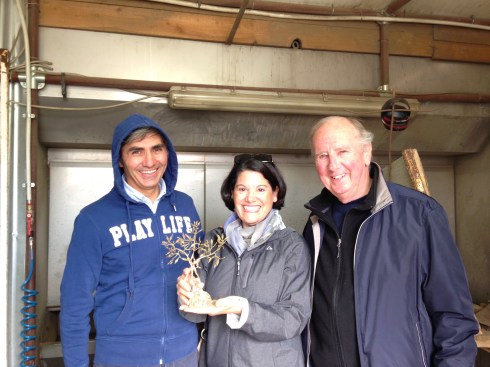
Soon, Io vivo in Te, (I live in you) will be going home with us.
Grazie mille, Andrea, for sharing your time, passion and extraordinary talent with us. Our day spent with you will be one we will always treasure.
Ciao,
Judy
Note: For those who plan to visit Cortona, be sure to add the gallery to your must see list, and please say hello for me.
For more info:
The Circle of Life Gallery
Via Casali n.6, 52044, Cortona, Italy.
Telephone:+39 0575 653125
thecircleoflifeartgallery@gmail.com
When I left off last, things looked like this.
Olive picking was complete and it was time to take the olives to the frantoio, or oil mill.
Niccolo and Edoardo loaded their family’s olives into their car and we drove a short distance to the beautiful Frantoio Landi,
a frantoio that has been in the family for years.
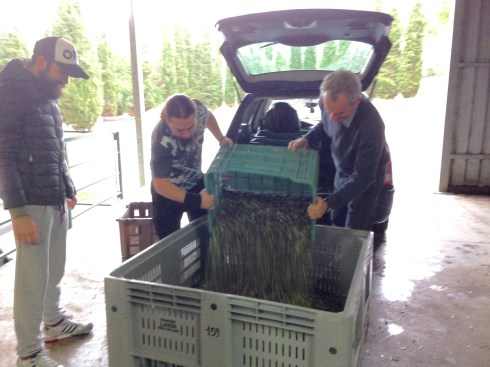
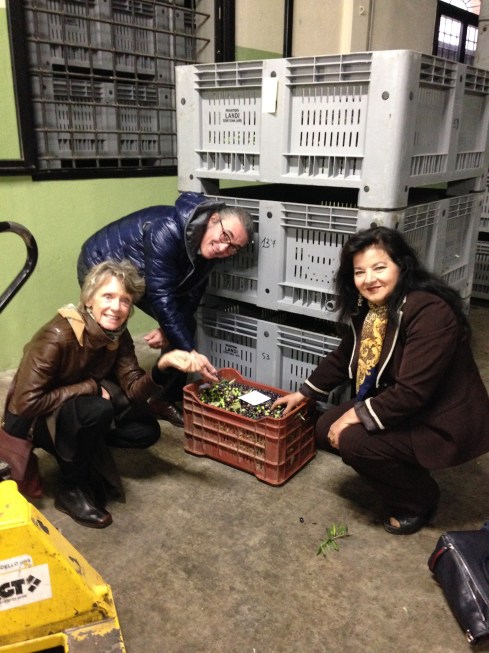
Here we were met by Massimo, the owner, who helped “pour” the olives into one of the mill’s standard sized containers.
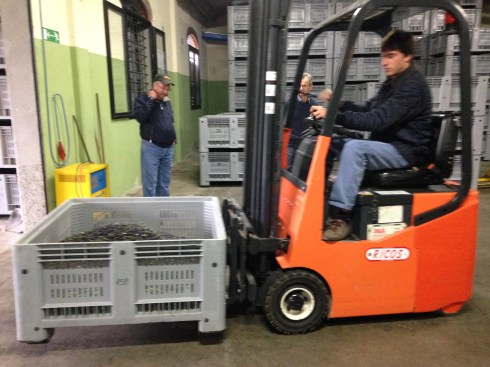
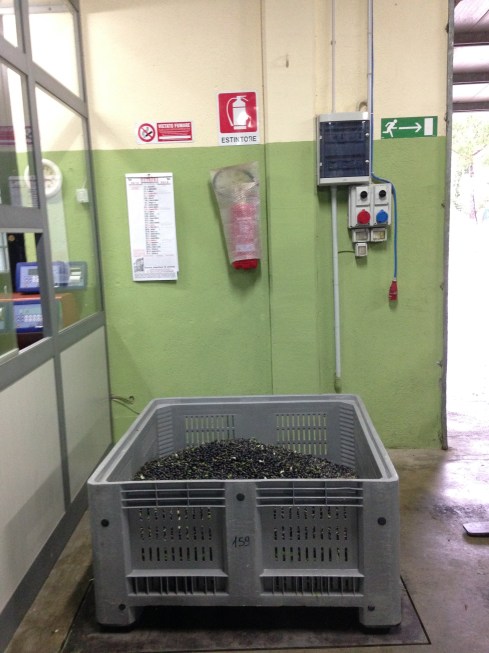
Next, the olives were moved to a large scale to be weighed.
Grand total we picked: 148.5 kg.
The minimum weight needed to process is 300 kg, so the Olivieri olives would be combined with those of two friends. In the meantime, Lorenzo, one of the sons, patiently gave us a tour and explanation of the harvesting process before it would begin the next day.
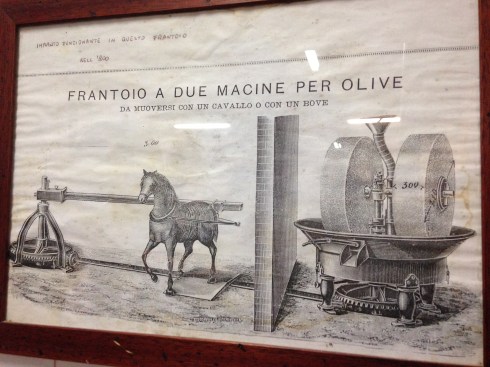
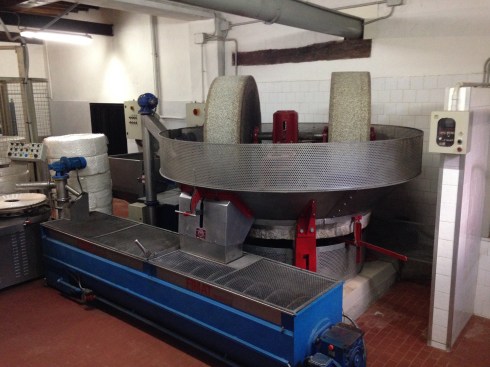
Years ago, horses or oxen were used to turn the grinding wheels.
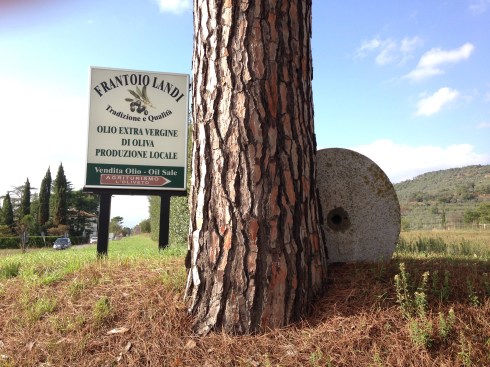
The old grinding wheels are still available at the frantoio and are sometimes used based on demand. Olives in Tuscany are usually harvested during October and November, depending on weather, so there can be a huge demand during a very short period of the year.
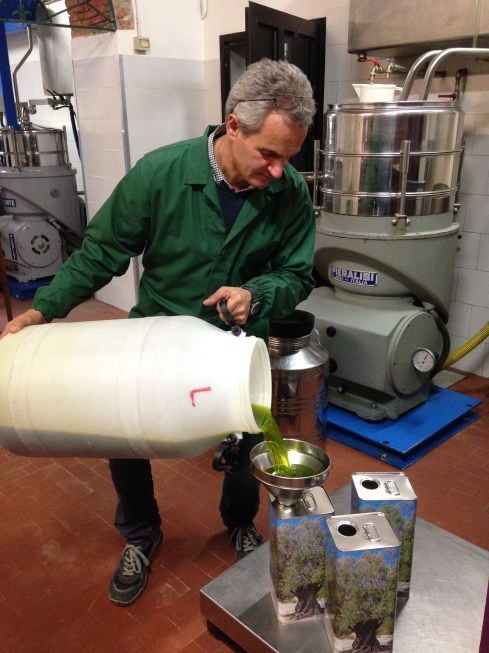
Time to begin the process. The olives we picked are combined with two others to achieve the minimum weight. When you look at the faces of the growers, you can see the pride they have in their olives and sense their anticipation.
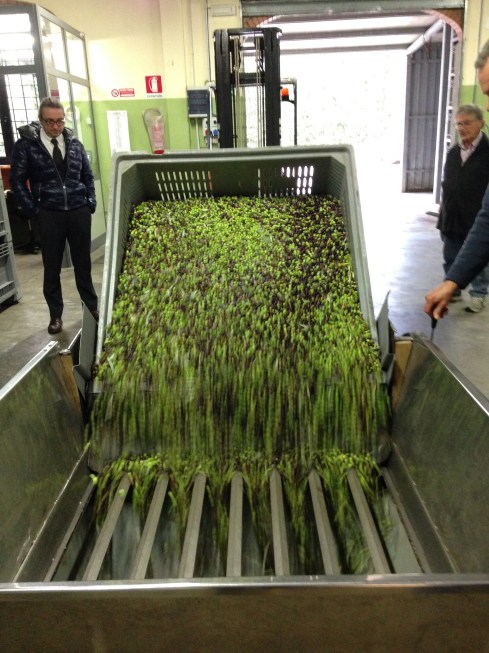
The combined olives are dropped into a large hopper
where the olives are carried on a ladder conveyor to the washer.
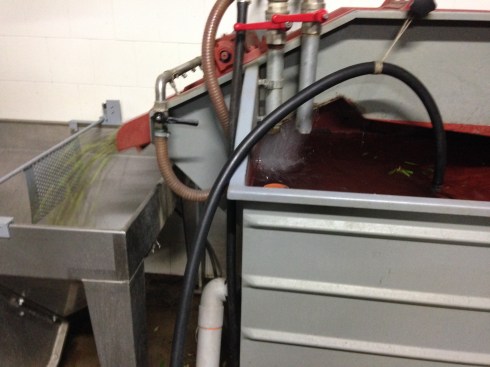
During the washing process, leaves and stems are removed, and are sent via a pipe to an outside holding container. Nothing goes to waste in the process.
The washed olives are moved to another hopper
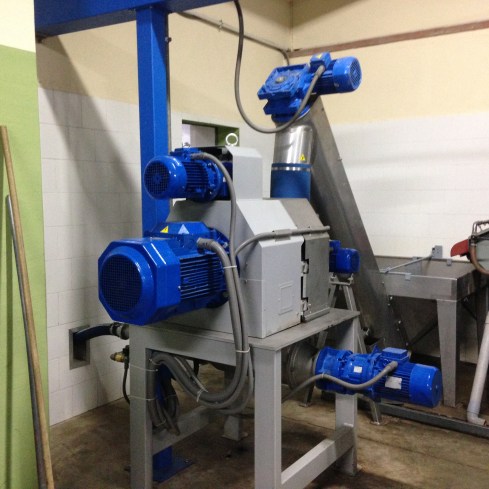
and then into a grinding/crushing machine, or martellatura.
Here the olives and pits are crushed into an olive paste, which is pumped into a mixing machine.
The olive paste is mixed slowly for 45 minutes. This is the first instance we could smell the wonderful olive oil fragrance.
The next step is the pressing, where a centrifuge spins the mixture at high speeds and separates the mixture into three parts: oil, water and pomace and the pomace is removed.
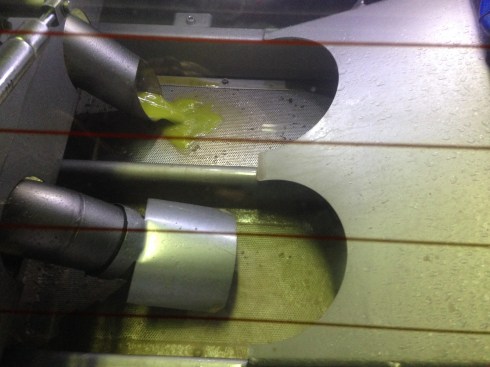
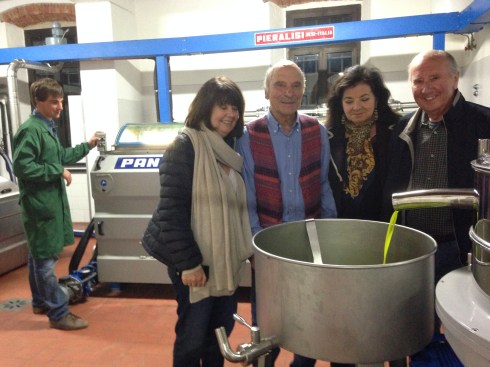
The heavier water is then removed in a second centrifuge. And then, the unfiltered extra-virgin olive oil moves through a tube and suddenly begins to pour out into a stainless steel container.
It is quite an amazing sight!
When the oil has stopped flowing, it is carefully measured and divided into containers for the growers.
Smiles abound and all are eager to sample the results.
Being in Italy in the fall has given us some incredible new experiences, and participating in an olive harvest has been one of our very best. Hopefully my description of the process, with a great deal of help from Len, is pretty accurate. What we know for certain is that picking the olives was wonderful, and being able to watch them move through the process to the final product was sensational. And of course, as you might guess, there is nothing quite like the taste and flavor of olio nuovo – the new oil. From olives to oil – nature at its very best.
Ciao,
Judy
Olive harvesting for many in Italy is a family affair. Italian families love their gardens and harvest their olives, like their fruits and vegetables, for their own consumption. Their olives are usually harvested by hand, producing a better quality oil.
Ancient olive trees are among the heartiest of trees – they grow well in most soils and some have born fruit for centuries. The trees even retain their green leaves year round.
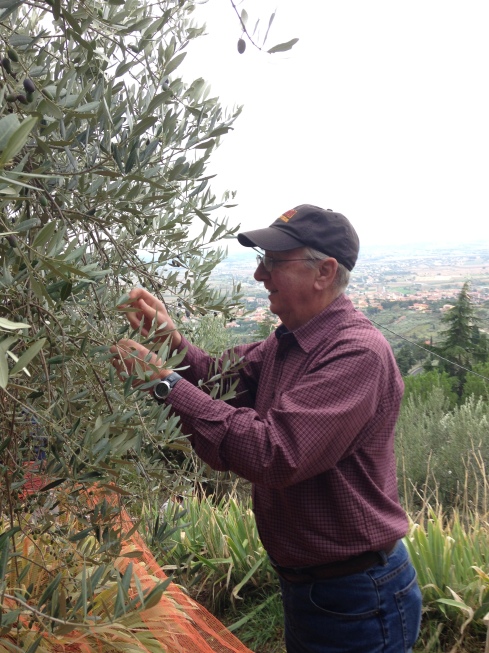
Although I have walked by them for years, yesterday I finally came face to face with the first trees I would pick.
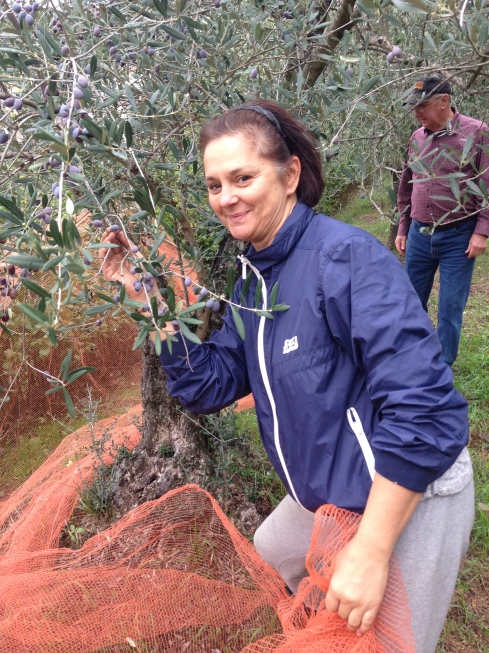
Our friends Massimo and Daniela, and their sons Niccolo and Edoardo, have about 14 trees that were ready for harvesting. With only a handful of pickers, this was a two-day project. Len picked both days,
As did new friends Sandy and Rudy.
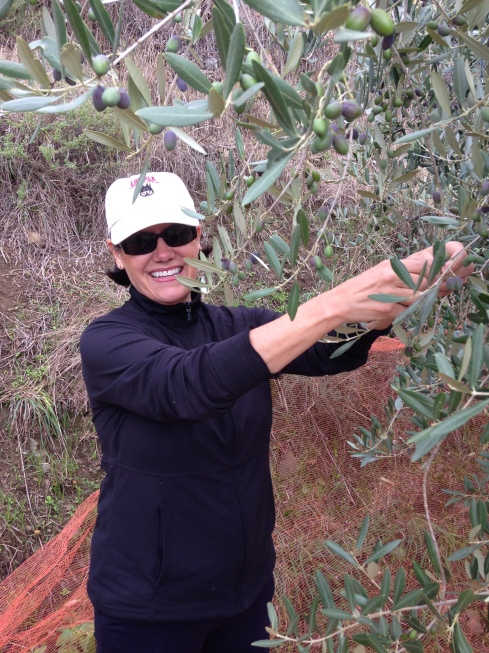
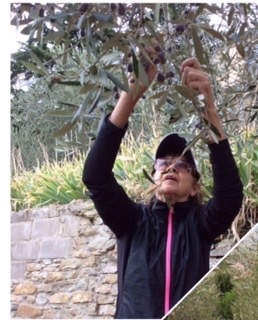
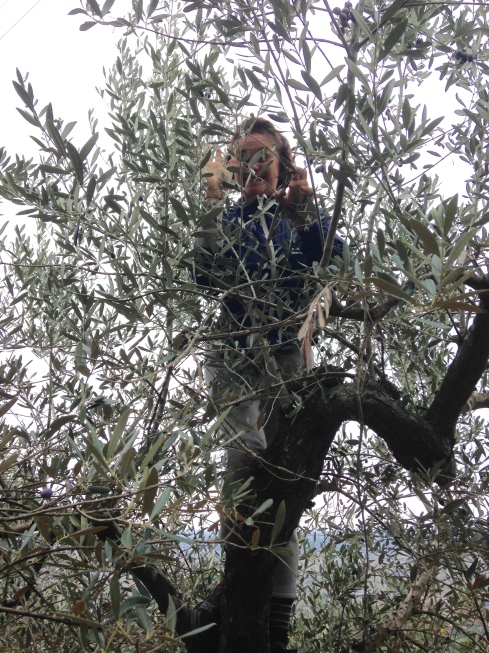
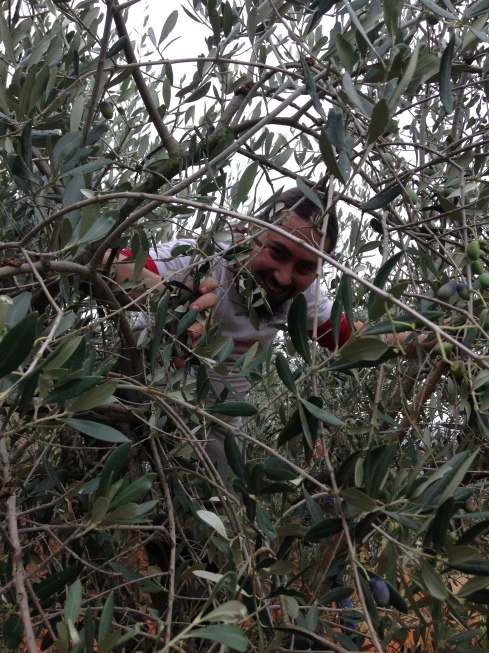
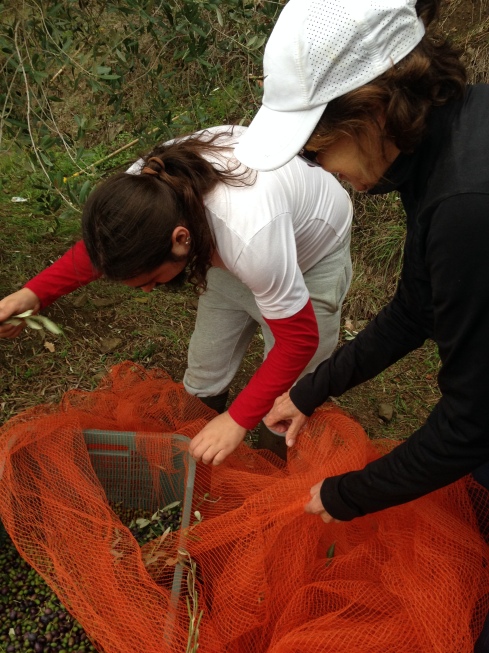
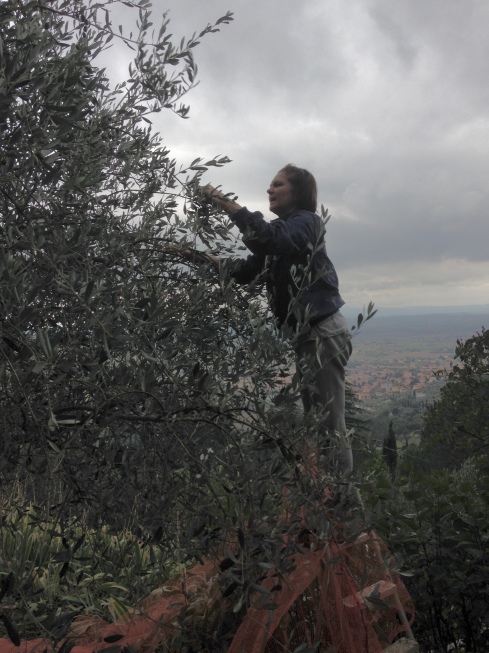
Picking olives is not difficult but it is time-consuming and at times back aching. Sometimes pickers are on ladders or up in the trees, carefully stripping the olives from upper branches,
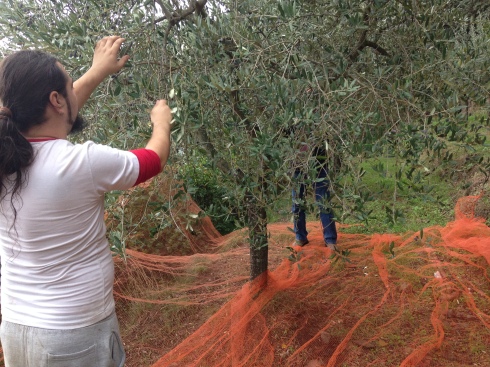
while other times they stand below, working branches at arms reach.
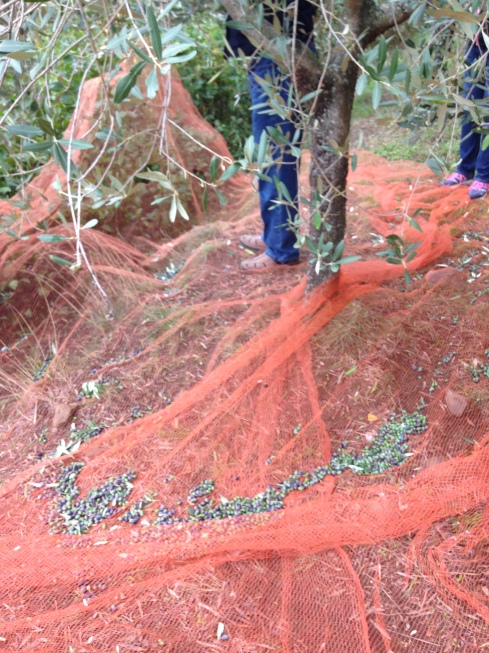
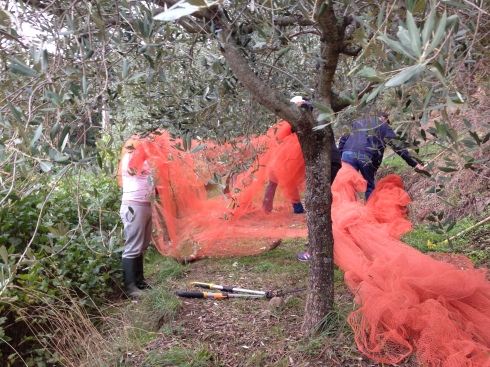
We placed long orange nets around each tree to collect the falling olives, being very careful not to step on them.
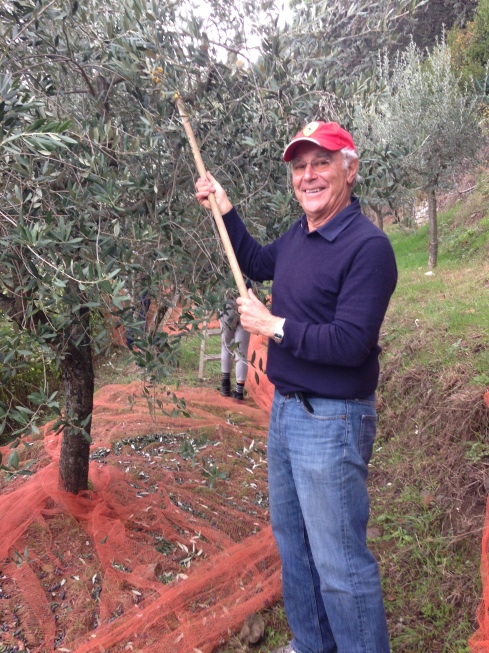
Sometimes, it seemed as though it was raining olives. A long plastic rake, called a pettina or manina, is used to reach tall parts or dense areas in the center of the tree. The tools are used to gently rake the olives off each branch, and as they fall to the net below, there is the sensation of raining olives. Here Rudy is demonstrating the technique.
A few olives have a less direct path and may tap you on the head or shoulder on their way down, or even land in your shirt or pocket. I found a few after we got home.
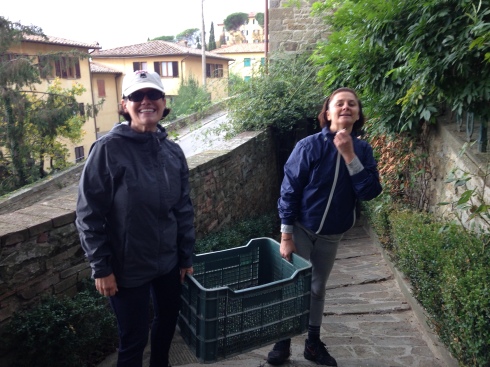
When a tree was empty, the olives would be gently rolled up in the net and then placed in a bin.
And off we’d go, moving the nets to the next tree. Usually 2-3 would work a tree together.
Weather is important because if it rains, the olives can rot before they are pressed. We were fortunate. Although the skies threatened, the rain held off and gave us the time we needed to finish picking.
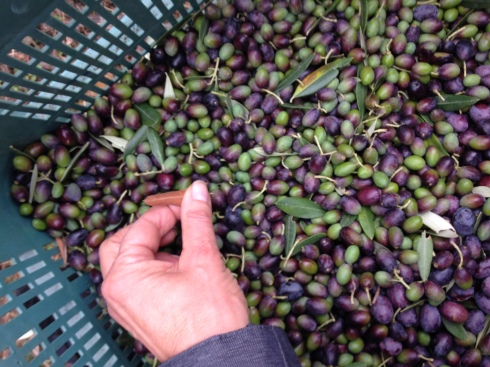
Although some leaves naturally fall with the olives, seasoned olive pickers can pick olives with fewer leaves. We were all pretty careful, and tried to clean as we went along. I’m told a few leaves are fine as they impart a good taste.
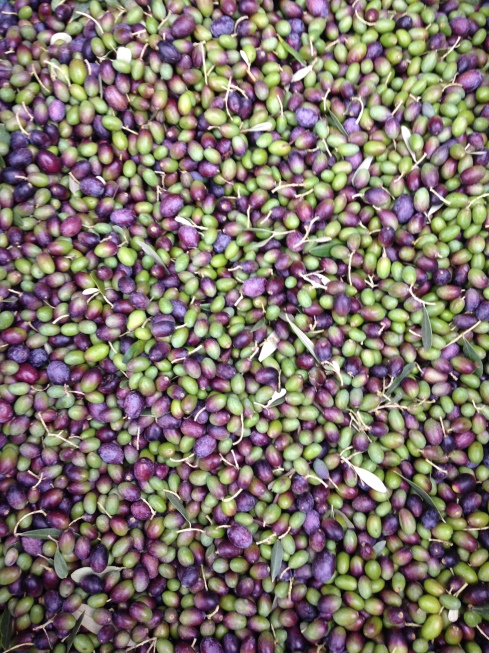
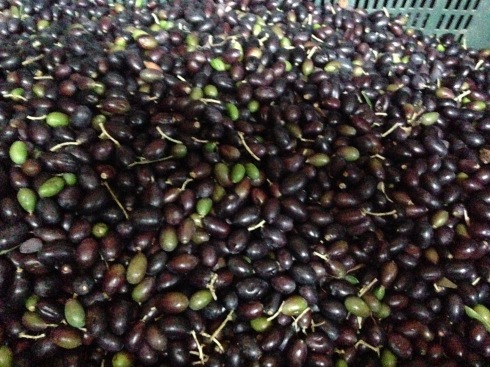
Picked olives range in size and color; they can be green, purple, yellow or black, and they differ from tree to tree.
Naturally, no matter what they are doing, Italians always take time for pranzo, or lunch. I missed the incredible lunch served in the garden on Monday, but yesterday, Massimo served us a delicious lunch at Tuscher Caffe.
And here are some of the workers enjoying lunch:
After lunch, Len and I returned with Daniela and Nicco for what we thought was one small last tree. However, there was still work to be done, as all the olives needed to be ready the next morning to take to the frantoia for pressing.
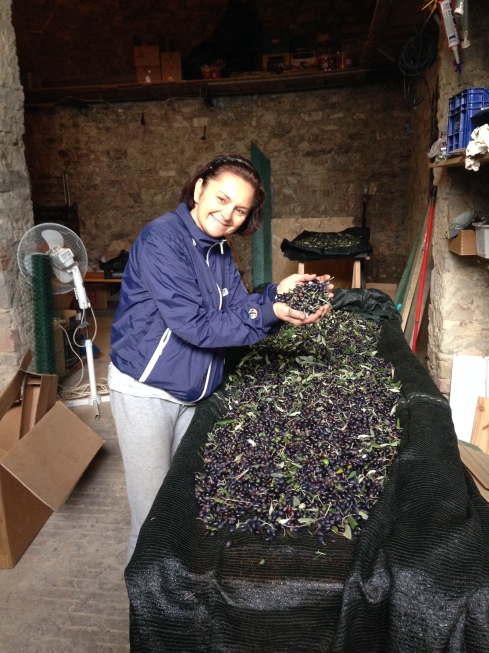
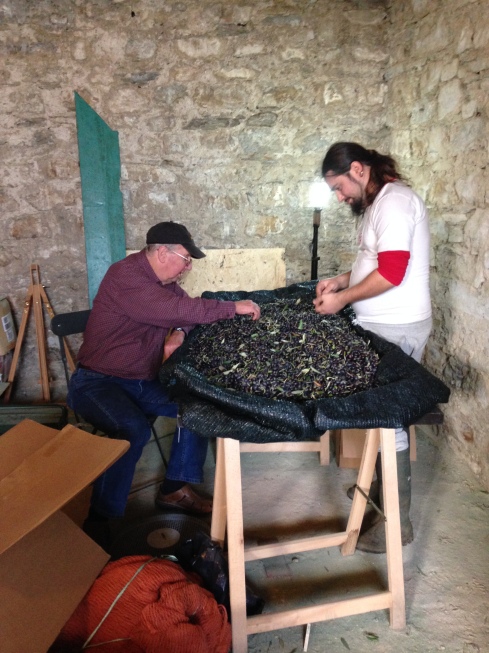
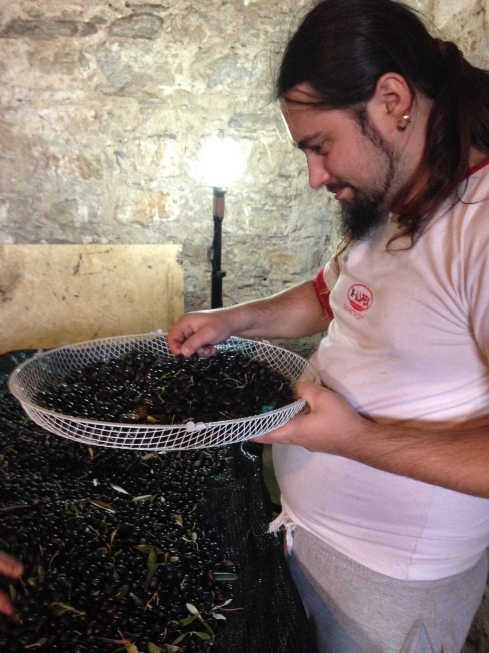
Working in the garage, we sorted and sorted and filled four large containers.
Until all the leaves were gone…
So this is what I’ve learned:
Harvesting is more than picking olives. It is a gathering of family and friends, new and old, working together, surrounded by nature’s beauty. It is a time filled with friendship, smiles, stories, and the joy of being in touch with nature. It is a tradition, passed on from generations, and thriving for future ones. And lucky for me, unlike grapes, bees don’t hang out around olives.
During lunch, and after the day was done, looking around at our tired and achy group, I noticed one more thing – we shared the kind of glow that comes from pitching in together for a job well done.
Tomorrow we go to the frantoio to watch our picked and sorted olives become olive oil. And then we get to taste it. Stay tuned for Part 2!
And many thanks to Daniela and Massimo for giving us this opportunity – such a great pleasure and learning experience. Count us in for next year!
Ciao,
Judy
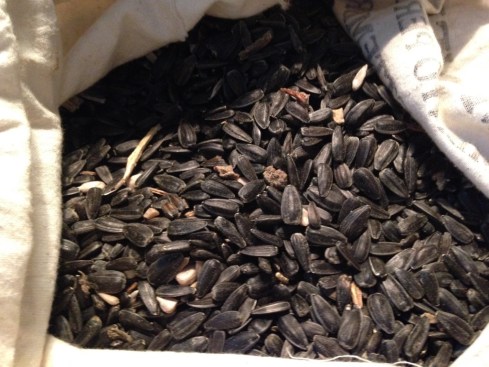
Driving through Tuscany in the summer, a common site is a field of sunflowers. If I didn’t know better, I’d almost think they were shy, as it seems they are always facing away when I want to take a picture. An understanding of the name, however, helps one understand – gira sole literally means turns toward the sun, and that is exactly what they do.
But what happens to them in the fall? As you might imagine, they look quite different.
Once they reach this state, sunflowers are cultivated for their edible seeds, which are an important source of oil for cooking. Timing is important as the seeds need to be harvested before they begin to dry and loosen, and before the squirrels and birds decide to do the harvesting for you.
According to Fun Flower Facts, by Connor Lowry, here are some ways the sunflower can be used besides being a wonderful ornamental flower:
So, now you know what happens to those lovely flowers that always seem to make us smile.
Ciao,
Judy
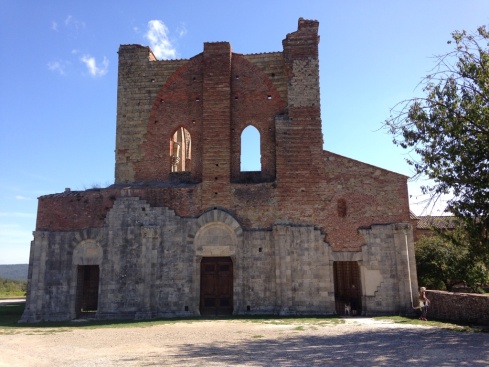
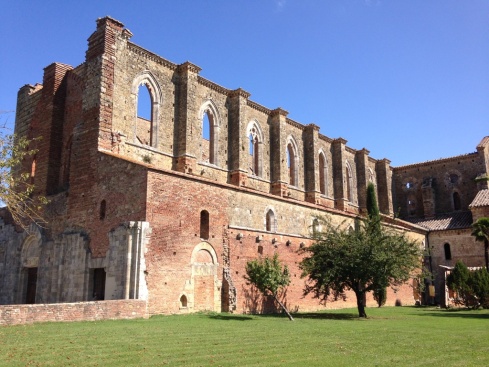
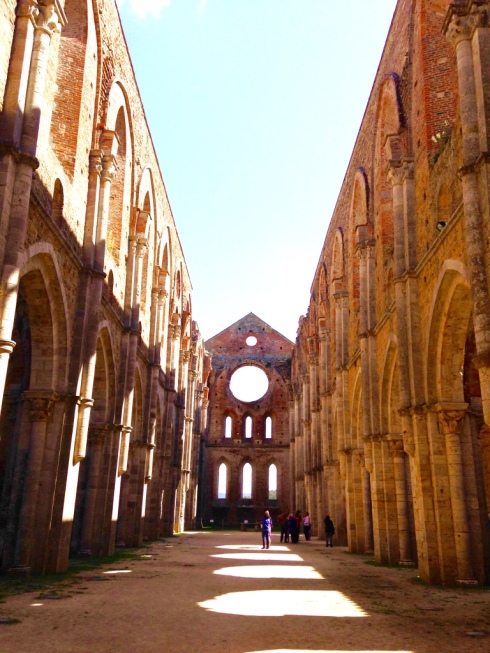
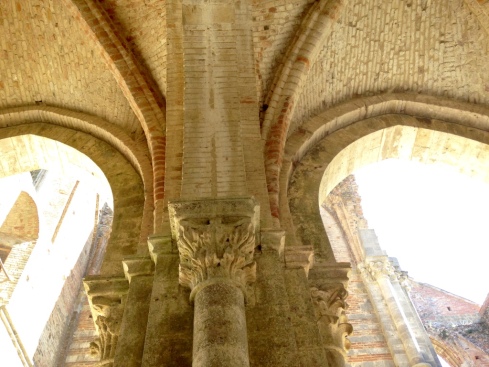
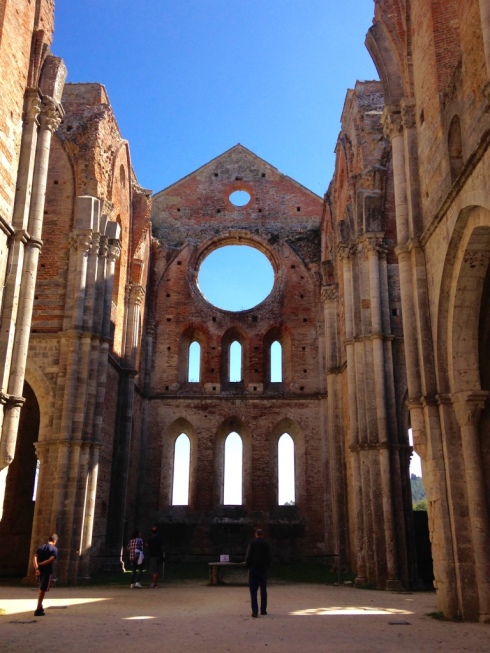
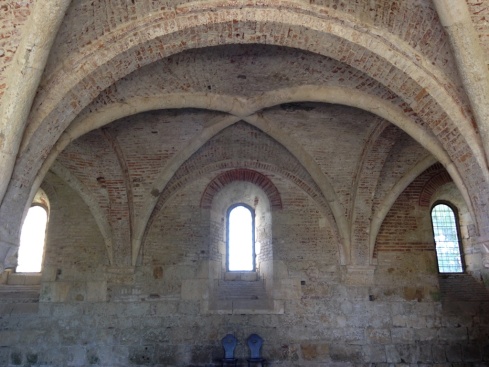
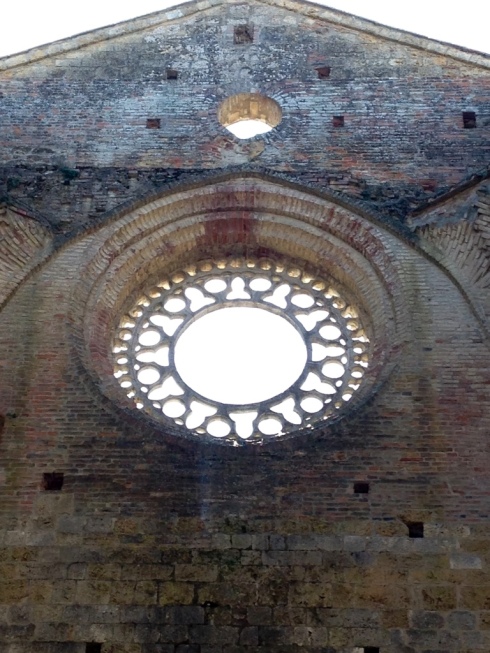
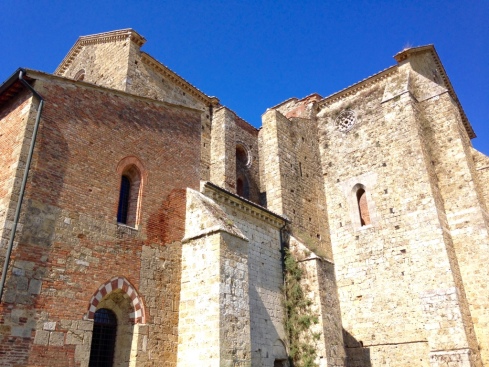
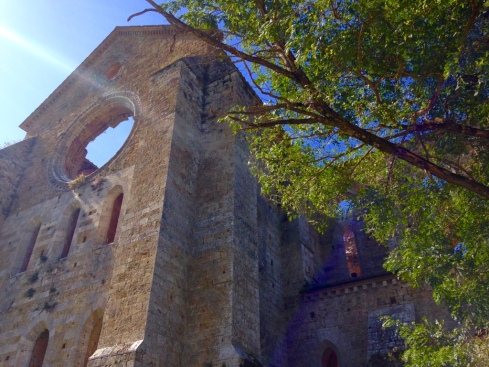
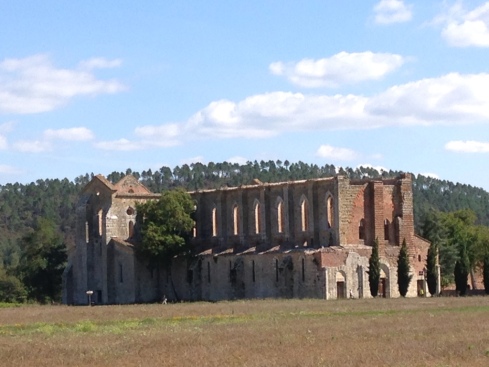
Between 1218 and 1288, the Cistercian monks built the first gothic church in Tuscany. Its location was selected because Cistercian monks built their monasteries close to rivers, here the Merse, where they could cultivate the plains, marshlands and woods.
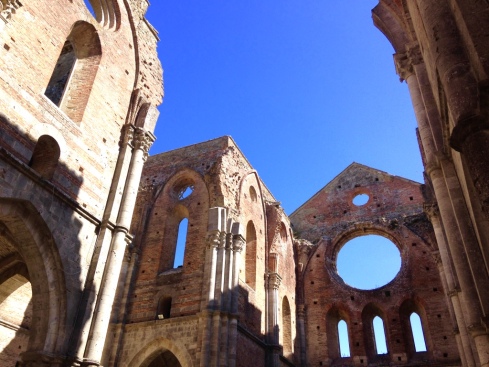
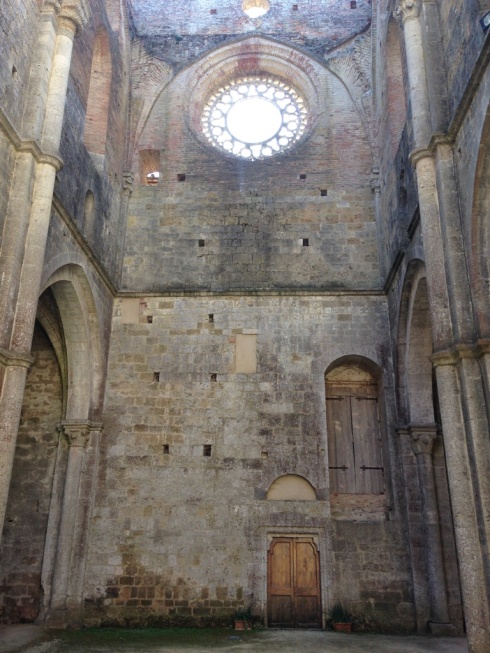
Several tragedies struck the area, including the famine of 1329, the plague of 1348, and finally mercenaries at the end of the 15th century, causing the monks to relocate to Siena. Then in 1786, lightning struck the bell tower, which collapsed onto the roof of the Abbey, causing the roof to collapse.
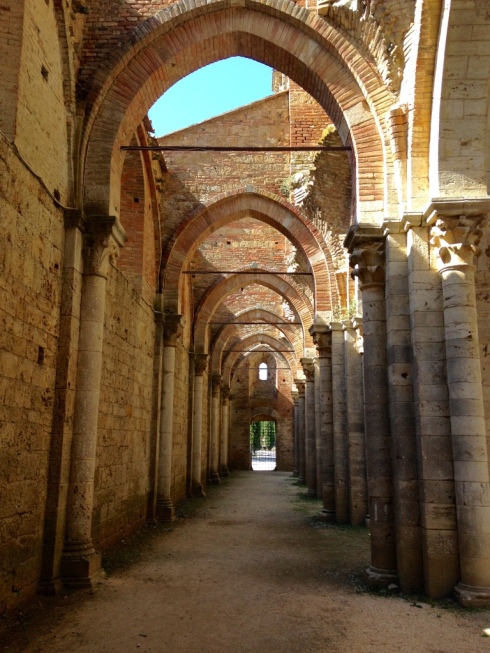
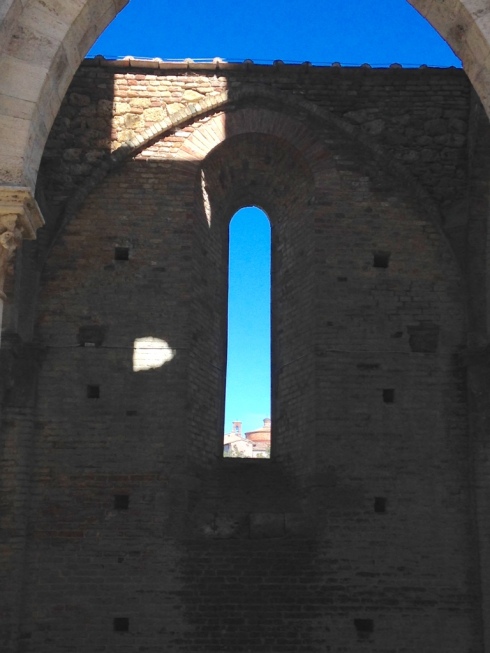
In 1789, the Abbey was deconsecrated, but the remains are still quite a site.
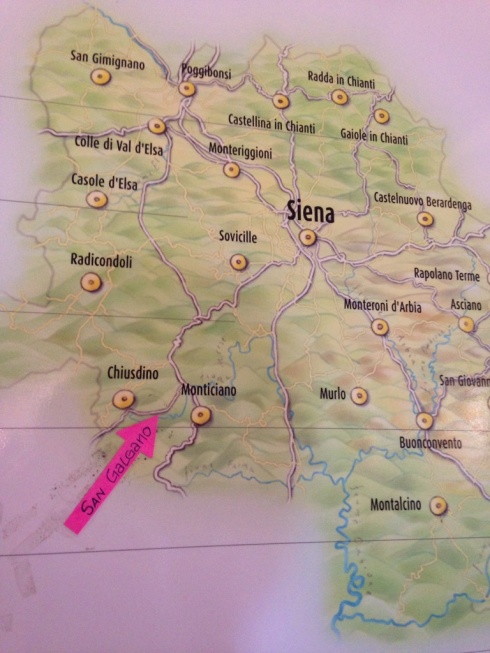
If you look closely through the Abbey window below, you will see a bit of The Hermitage of San Galgano, up the hill from the Abbey, and a place steeped in legend.
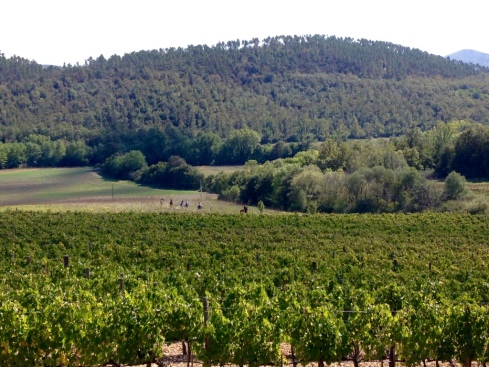
On our hike uphill, we passed a vineyard where grapes continue to be harvested, and saw locals on horseback riding through the fields.
Galgano Guidotti was born in 1148, and the events of his life have been enriched by legends, some of which we see in Camelot. Galgano, like Francis of Assisi, was born into a life of means but was tormented by a lack of direction for own life, even though he had earned the title of Knight.
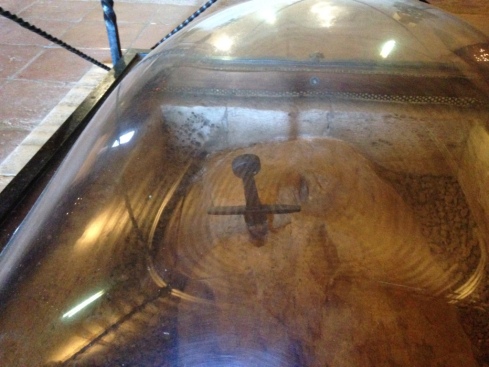
According to legend, at the insistence of St. Michael the Archangel, Galgano became a hermit. To demonstrate his commitment to his faith and to peace, he plunged his sword into a rock that emerged in his hut. This was Galgano’s sign of his renunciation of war and the symbol of the cross was a symbol of his faith.
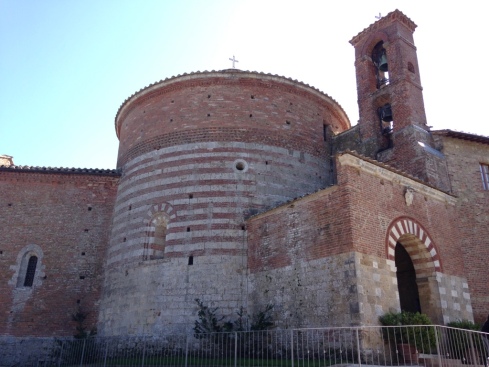
Galgano died in 1181, and in 1182, construction began on the Hermitage Rotunda as a mausoleum to shelter his tomb, as well as the rock and sword. He was canonized in 1185 by Pope Lucius III, only a few years after his death.
Over the years, there were several additions and modifications to the structure, as well as periods of demise. It is thought that the original architect may have drawn his inspiration from other circular structures in Rome such as Castel Sant’Angelo and the Pantheon.
Whether the details are accurate history or legend, it is incredible to see what remains, including the vibrant colors.
Ciao,
Judy
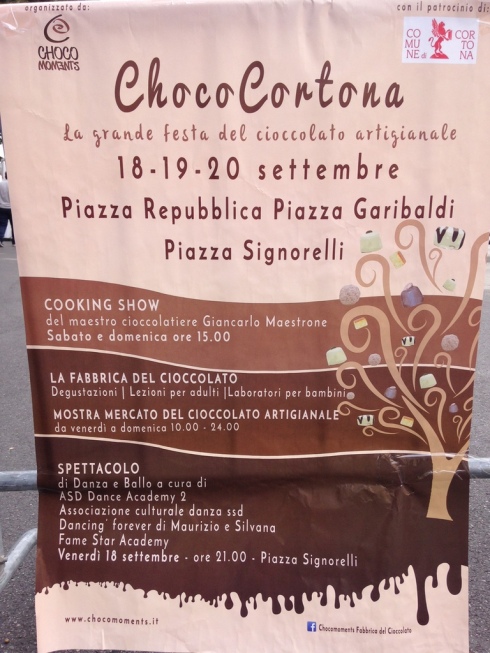
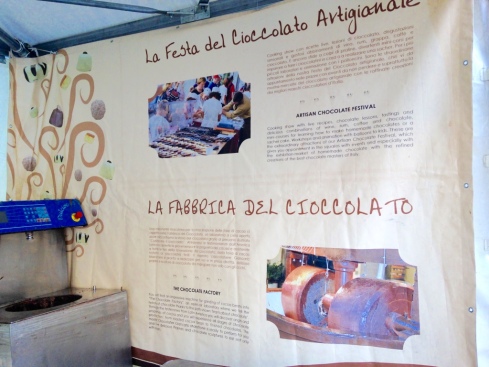
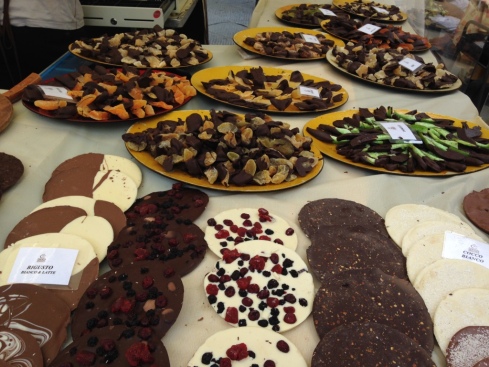
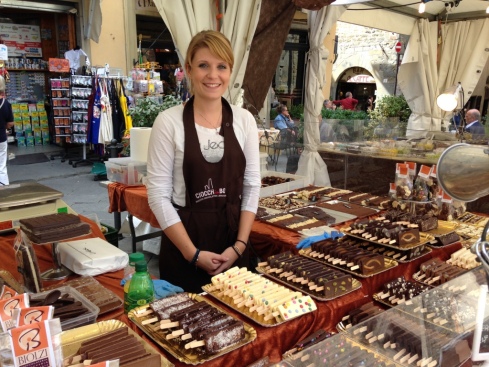
This weekend, Cortona is hosting ChocoCortona, La Grande Festa del Cioccolato Artiginale, or festival of handcrafted chocolates.
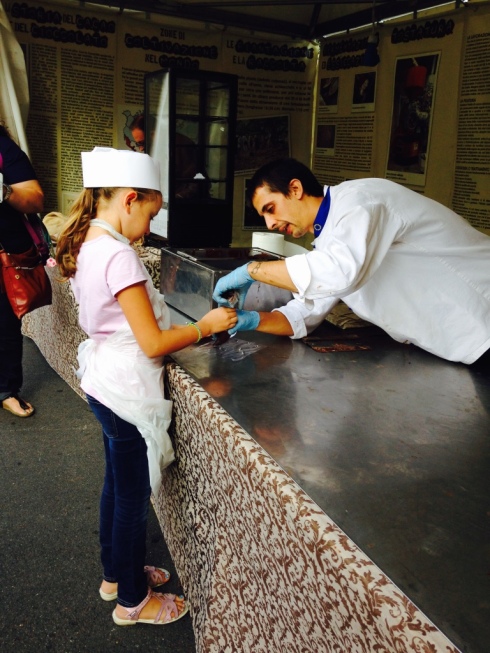
And what a selection there is. You can sign up for chocolate making lessons,
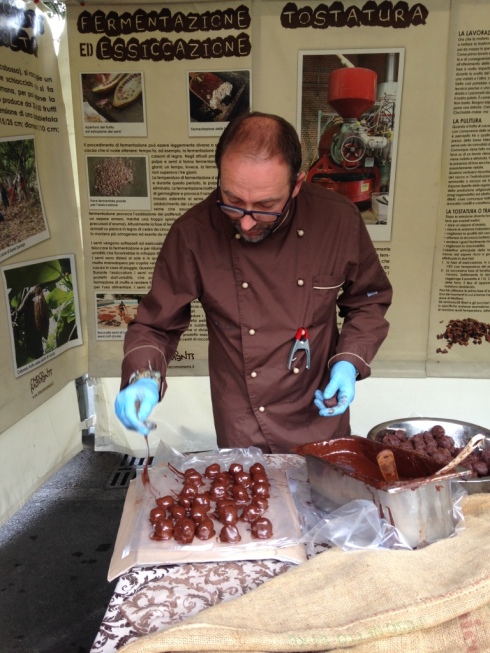
observe various chocolate cooking shows,
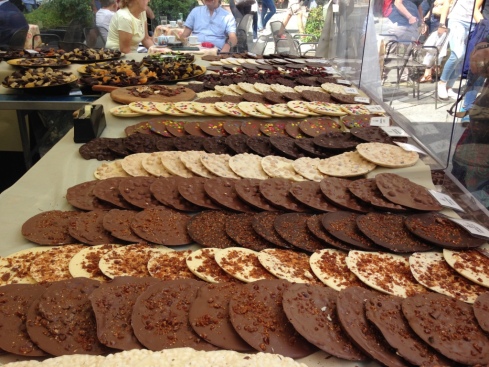
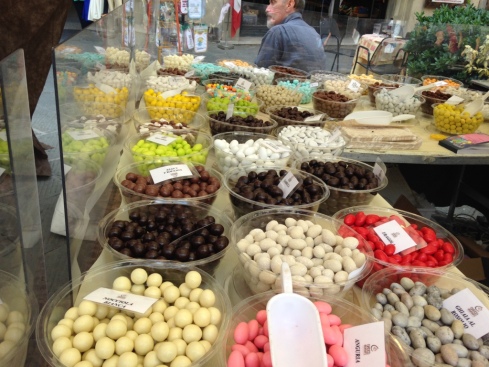
or simply wander the tents filled with chocolate delicacies.
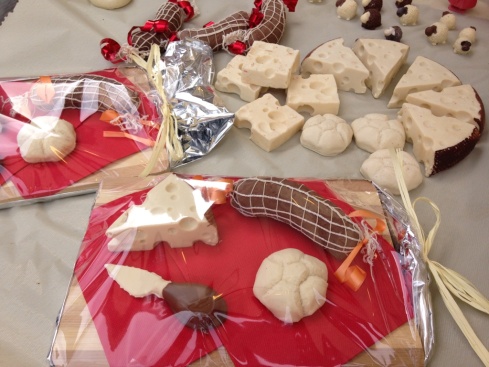
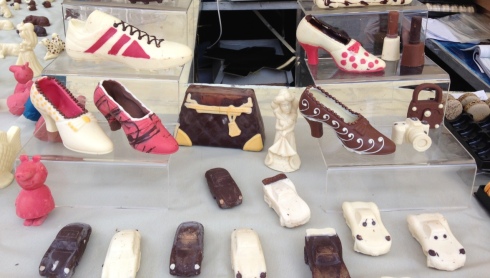
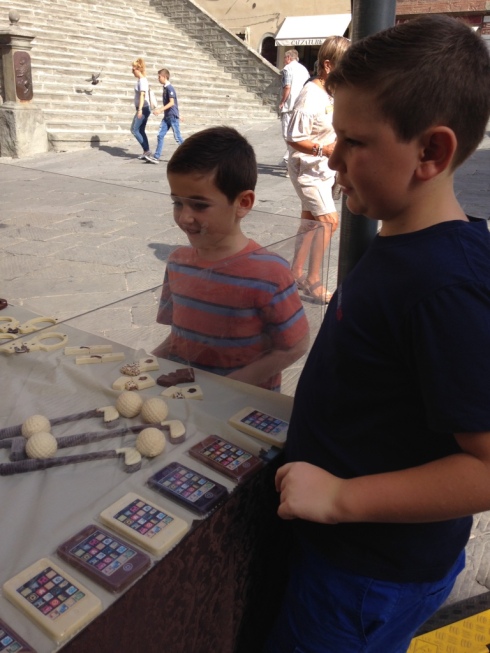
Some of the chocolates are especially creative:
While others are just plain tempting…
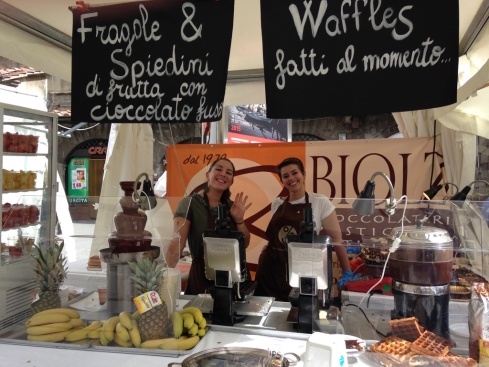
Look no further for that kid in a candy shop…
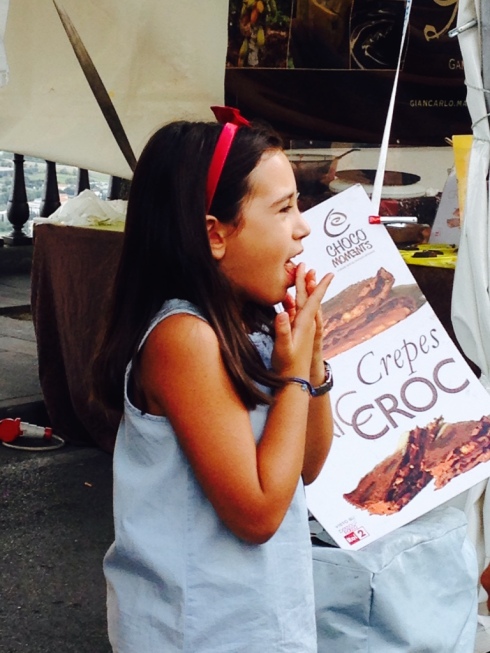
Or a happy messy one…
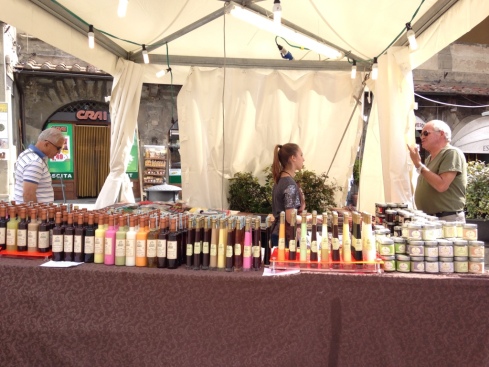
Thinking of an after dinner liquor? So many flavors to choose from.
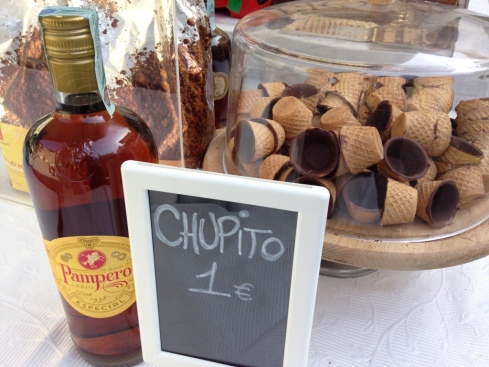
But then why wait till after dinner when you can have a shot in a chocolate filled cup!
However you like your chocolate, you’re sure to find it at ChocoCortona.
Ciao,
Judy
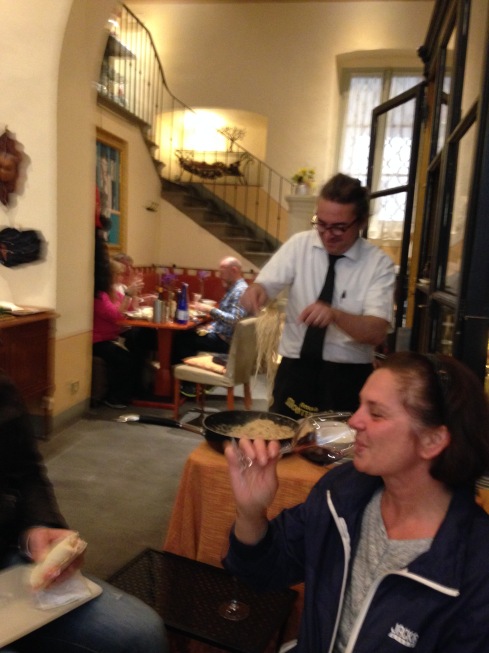
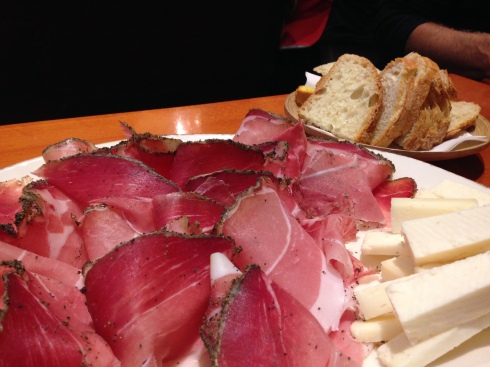
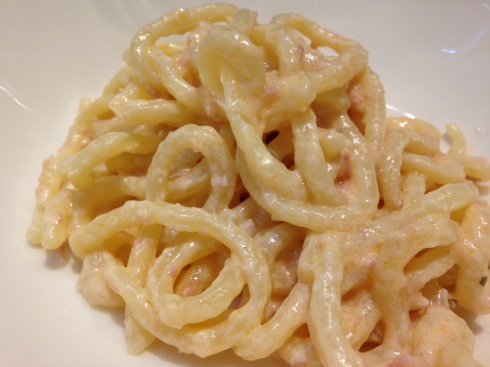
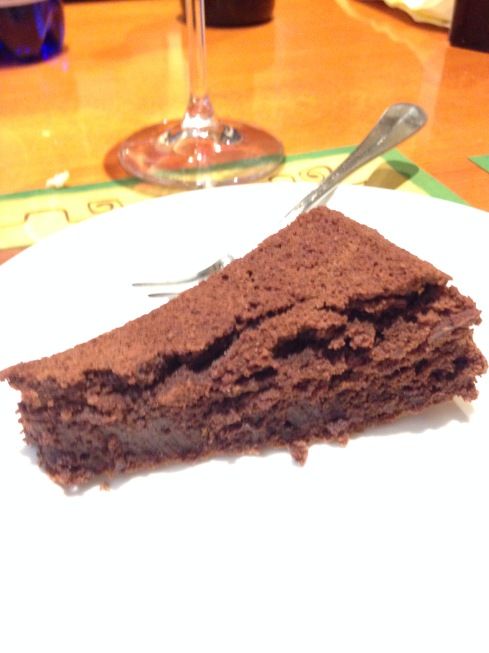
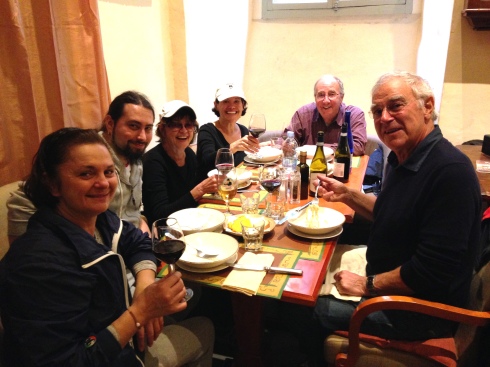
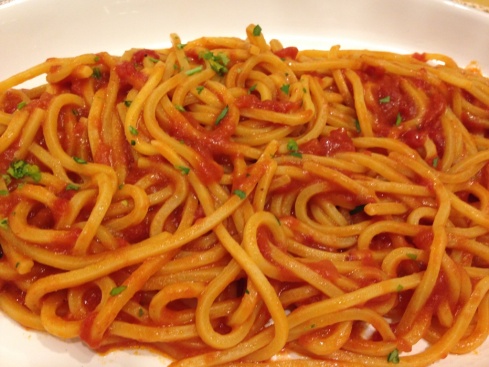
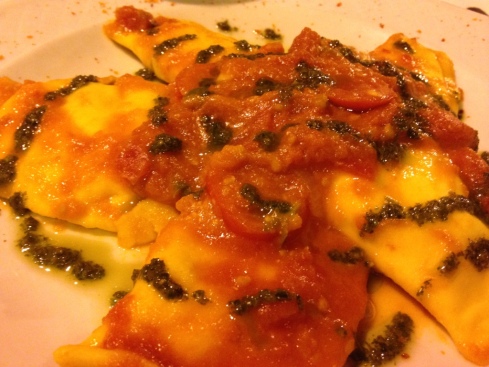
A sampling of what we’ve eaten in the past few weeks, some out and some at home:
And let’s not forget the sun-dried fichi (figs)!
Wish you could taste them all.
Ciao,
Judy