Archive | Tuscan hill views RSS feed for this section

The Mighty Chianina

14 Apr

If you’ve been to Italy, and Tuscany in particular, you’ve no doubt heard of bistecca fiorentina. I remember the first time we ordered one. It was over 15 years ago and we were having dinner in Firenze. Not being much of a carnivore, I was a bit surprised when it arrived at the table –  huge and very, very rare. I was about to ask to have it returned to the kitchen for a bit more grilling when Len and Benita said they’d be happy to eat it as is. And they did. They both said the steak was tender and flavorful. I took their word for it.
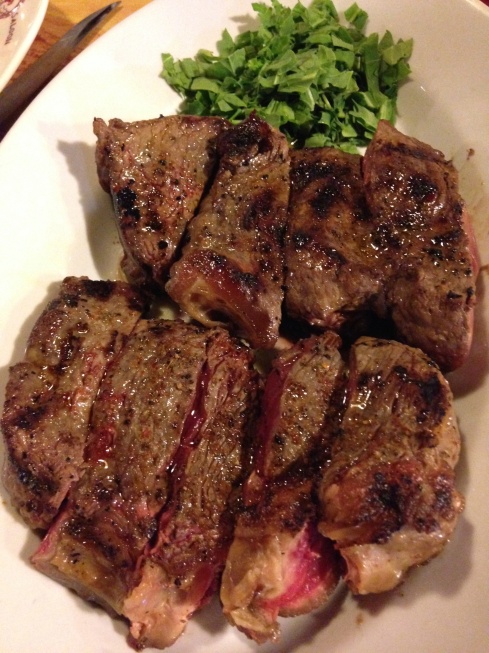
©Blogginginitaly.com

©Blogginginitaly.com

Since that time, I have learned more about the steak and its origins. Chianina is one of the oldest and largest breeds of cattle, originating in the Valdichiana, hence its name. The cattle have been raised in the area for over 2200 years and were primarily used as oxen due to their size and strength. Being the tallest and heaviest breed of cattle, a mature bull can weigh over 3000 pounds and can grow to nearly 6 feet tall.

After WWII, machinery replaced these oxen in the fields, and chianina numbers began to dwindle until several breeders worked to bring back the breed. At the end of 2010, there were 47,236 head registered in Italy, of which more than 90% were in Tuscany, Umbria and Lazio.

For me, there are two other interesting things about them besides their size:
One, they are porcelain white;
Two, you never, ever see them.

Each year, we spend hours driving through the hills of Tuscany. We see the sights that paintings, no matter how good, can never quite duplicate. The hills are filled with farms, vineyards, and acres and acres of growing fruit trees, grains, vegetables, etc. But never, ever, a chianina. Not one.

Until now. Yesterday, I came face to face with some young chianina.
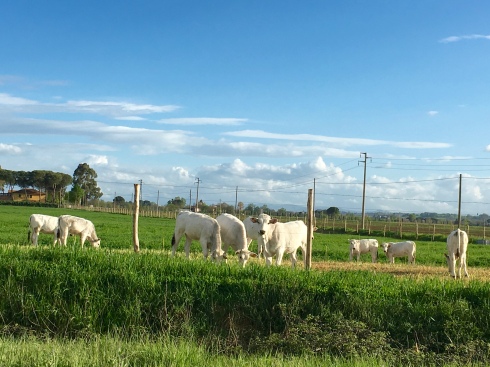
©Blogginginitaly.com

©Blogginginitaly.com

In color or black and white, they are quite unique.
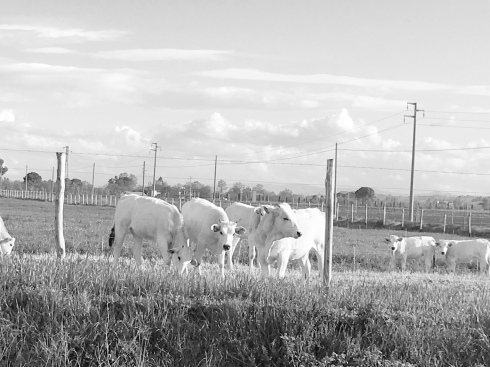
©Blogginginitaly.com

©Blogginginitaly.com

Now for sure I don’t think I’ll ever eat a bistecca fiorentina!

©Blogginginitaly.com

©Blogginginitaly.com

Ciao,
Judy
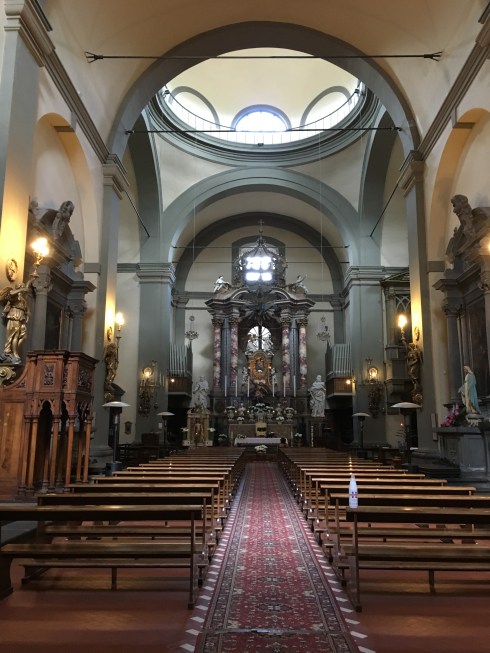


Lucignano Tuscany

10 Apr

Yesterday, Len and I took a ride to the lovely town of Lucignano with friends. It was a nice spring day and I think we were the only visitors in town. In fact, it seemed as though we were the only people in town.

©Blogginginitaly.com

©Blogginginitaly.com

When we parked the car, I realized we had briefly visited here 5 years ago. This post includes some of the research from my original post, with some updates and some new photos.

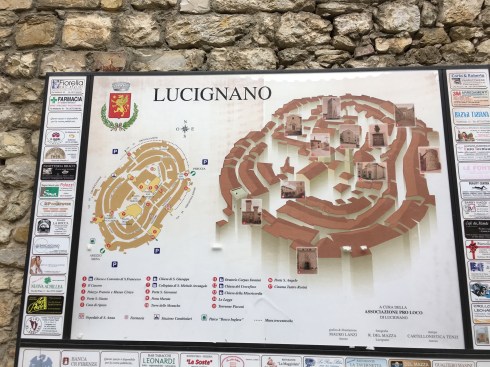
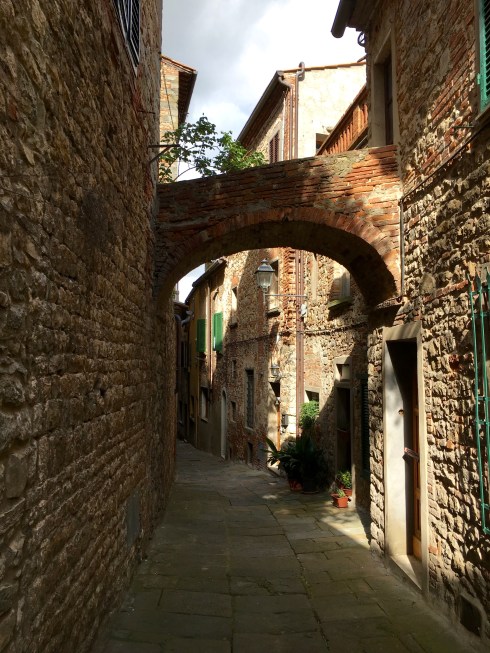
Lucignano, a remarkably preserved medieval walled village, is laid out in elliptical rings.

©Blogginginitaly.com

©Blogginginitaly.com

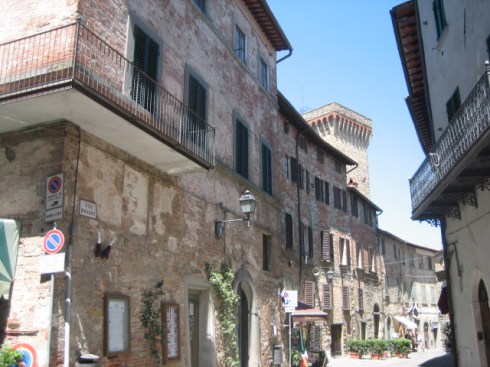
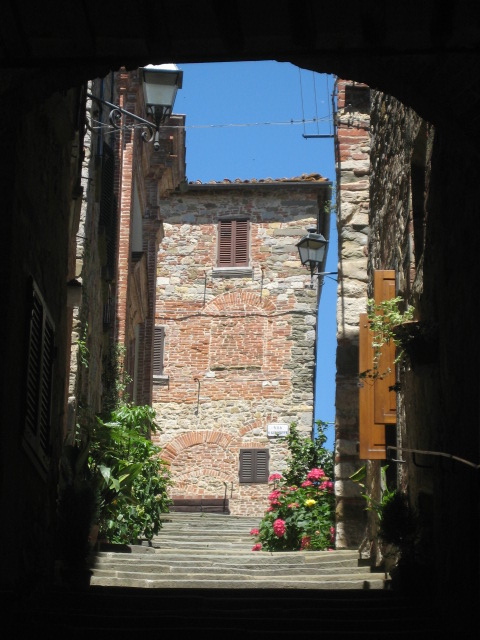
This beautiful town sits 414 metres above sea level and offers its visitors a trip back in time.

©Blogginginitaly.com

©Blogginginitaly.com

©Blogginginitaly.com

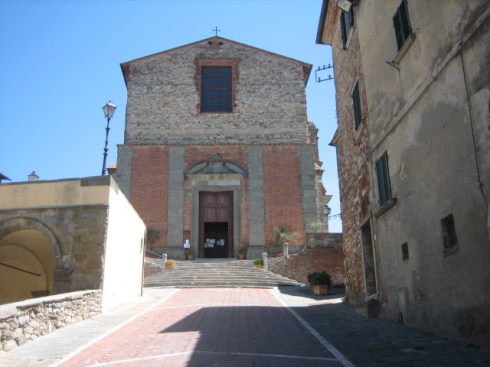
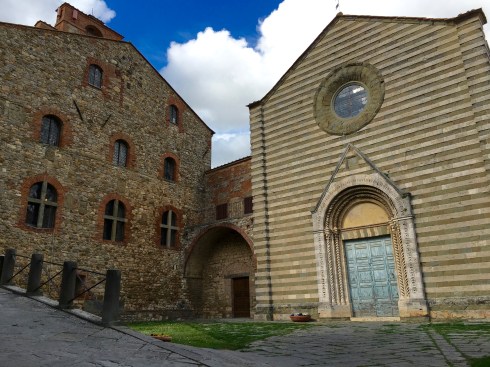
Although Lucignano sits between Siena and Arezzo, it came under Florentine control in the 1500s, when a great deal of construction ensued. Today, one can still see the Puccini’s Fortress; Vasari’s 1568 sanctuary of Madonna della Querca; the Cappucini convent, c.1580; and several churches including Piazza S. Francesco with the church of S. Francesco in the background, and

©Blogginginitaly.com

©Blogginginitaly.com

Chiesa della Collegiata, c.1594.

©Blogginginitaly.com

©Blogginginitaly.com

©Blogginginitaly.com

©Blogginginitaly.com

IMG_5970

©Blogginginitaly.com

In addition, the Museo Civico, left, offers many artistic treasures including the L’albero della vita, or tree of life, a gilded and jeweled tree holding a crucified figure.

©Blogginginitaly.com

©Blogginginitaly.com

©www.comune.lucignano.ar.it

©www.comune.lucignano.ar.it

On the village’s website, http://www.comune.lucignano.ar.it,  Lucignano is described as “a pearl of the valdichiana, a small village that represents one of the more extraordinary examples of medieval urban planning for its system of elliptic rings…” Today, the village continues its agricultural and artisan traditions and produces products ranging from olive oil and honey to ceramics and gold jewelry. In addition, should you wish to purchase inlaid furniture or have a piece in need of repair, the skilled artists of Lucignano are ready to oblige.

©Blogginginitaly.com

©Blogginginitaly.com

©Blogginginitaly.com

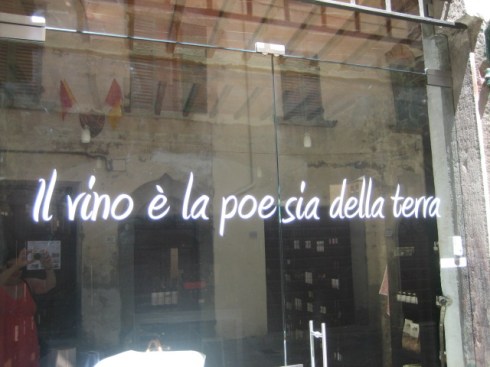
Five years ago, we saw this written on the window of a wine shop, and I was happy to see it again.

IMG_5959

Wine is the poetry of the earth

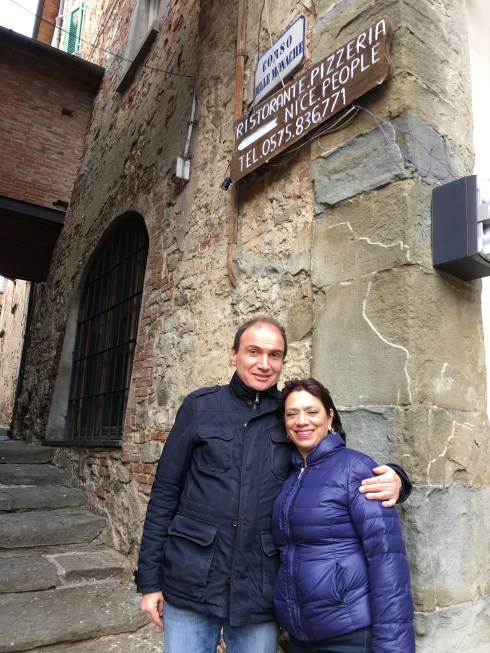
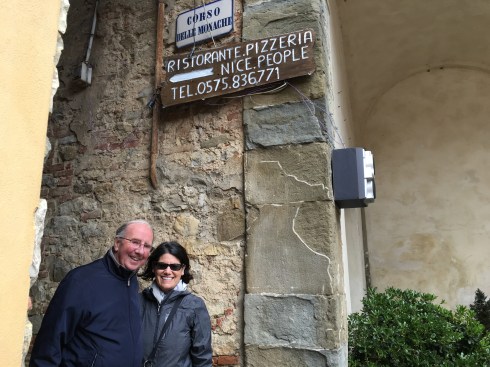
And five years ago, we found this sign, but not the restaurant.

IMG_5969

This time, we found the restaurant, and although it was closed, we found the nice people.

©Blogginginitaly.com

©Blogginginitaly.com

©Blogginginitaly.com

©Blogginginitaly.com

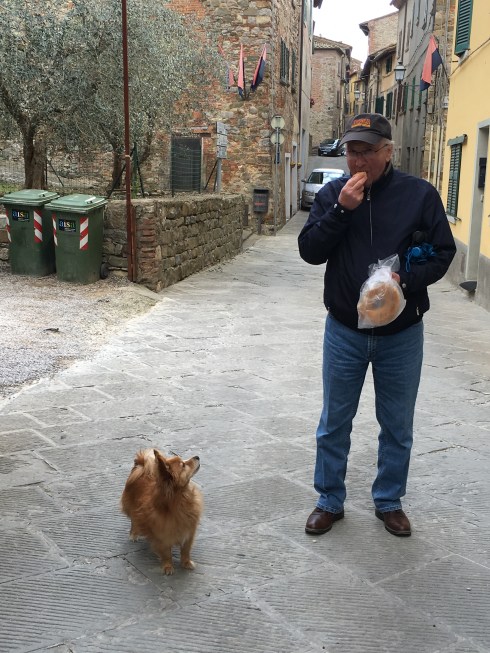
A wonderful way to spend the afternoon, strolling with friends through a beautiful ancient city, rich with history and culture…

©Blogginginitaly.com

©Blogginginitaly.com

making new friends,

©Blogginginitaly.com

©Blogginginitaly.com

and not even needing to close the door on our way out.

©Blogginginitaly.com

©Blogginginitaly.com

Ciao,
Judy
RAMPICHIANA 2016: Mountain Bike Race

4 Apr

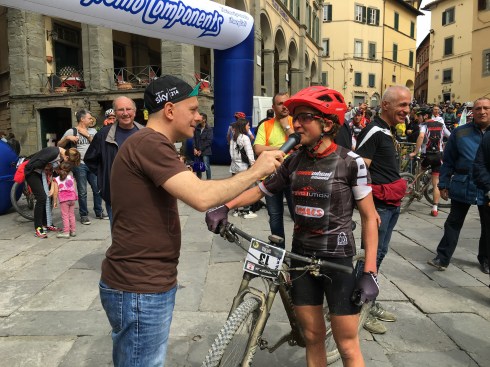
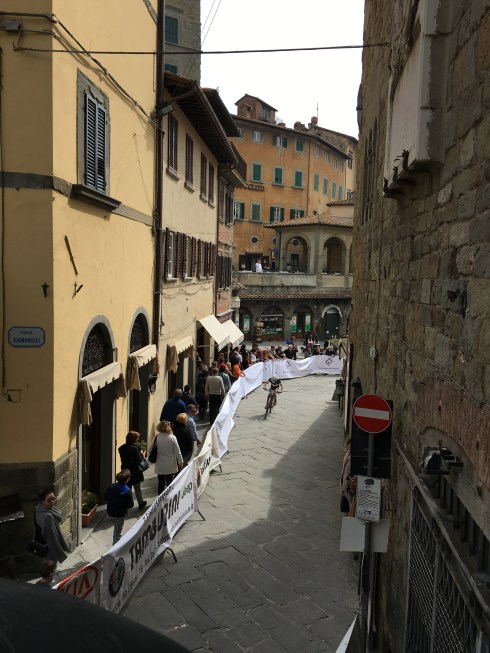
In keeping with my theme that one never knows what to expect in Cortona, yesterday we were entertained by RAMPICHIANA, a large mountain bike race which was held in Cortona.

©Blogginginitaly.com

©Blogginginitaly.com

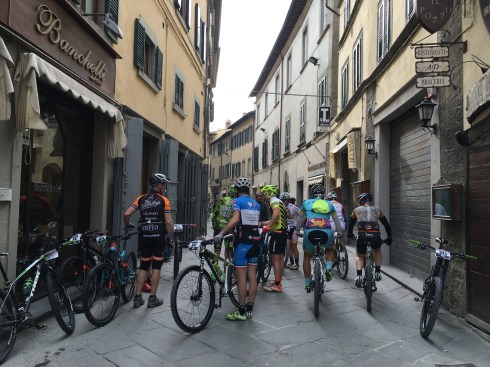
Not sure of the number, but it seemed like a few thousand cyclists, in colorful gear and sponsorship, descended upon Cortona. As we got our morning coffee, many were walking, strategizing and warming up on Via Nazionale.

©Blogginginitaly.com

©Blogginginitaly.com

There were three categories in this 12th edition of the race:

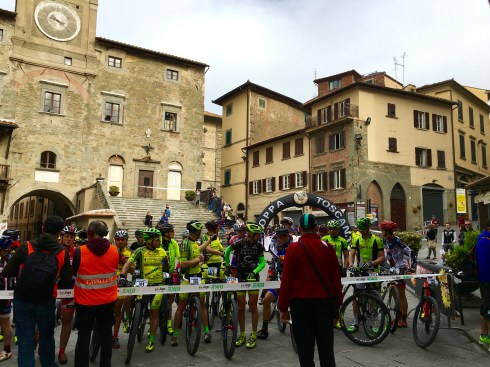
The LONG race was 45 km, or about 28 miles, through the streets and hills around Cortona, with 1600 meters (about one mile high) of altitude. The race started at 10 am

©Blogginginitaly.com

©Blogginginitaly.com

with the elite cyclists getting ready to begin.

©Blogginginitaly.com

©Blogginginitaly.com

They were followed by the second group

©Blogginginitaly.com

©Blogginginitaly.com

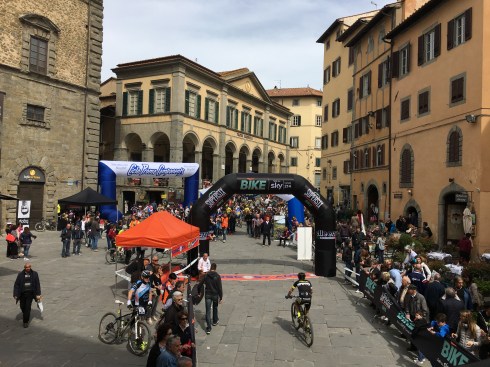
and all headed down Via Nazionale toward Piazza Garibaldi, where they seemed to explode into a mass of colorful streamers.

©Blogginginitaly.com

©Blogginginitaly.com

The MIDDLE race was 30 km with 1100 meters in altitude. The SHORT race, for non-competitive cyclists and minors, took 45 minutes with less altitude and challenging curves. It was as close as I have ever been to a cyclist race, and everyone was caught up in the buzz as they flew by.

©Blogginginitaly.com

©Blogginginitaly.com

Good weather brought out the cheering spectators.

©Blogginginitaly.com

©Blogginginitaly.com

As we walked around town, we caught a glimpse of riders at various parts of the race. For those who know the town well, imagine riding UP Via Guelfa on a mountain bike when we are challenged walking up Via Guelfa on foot! And this is after riding over 20+ miles in the hills.

©Blogginginitaly.com

©Blogginginitaly.com

We met a lovely couple from Pennsylvania who asked, “Do these things just sort of happen here?” “Yes,” I said and smiled. “It’s part of what keeps us coming back.”

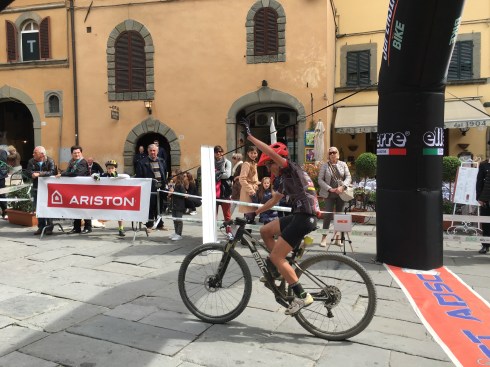
The race ended in Piazza Signorelli, with the final curve leading from Piazza Repubblica.

©Blogginginitaly.com

©Blogginginitaly.com

©Blogginginitaly.com

©Blogginginitaly.com

We were right there when the first woman crossed the finish line.

©Blogginginitaly.com

©Blogginginitaly.com

Complimenti!

©Blogginginitaly.com

©Blogginginitaly.com

A good day for both riders and spectators…

©Blogginginitaly.com

©Blogginginitaly.com

and a well-deserved rest for a job well done!

©Blogginginitaly.com

©Blogginginitaly.com

Ciao,
Judy
 

Terracotta Sunsets

6 Nov
Terracotta  (tɛrəˈkɒtə)  noun: a type of fired clay, typically of a brownish-red color and unglazed.
Italian: “baked earth”
©Blogginginitaly.com

©Blogginginitaly.com

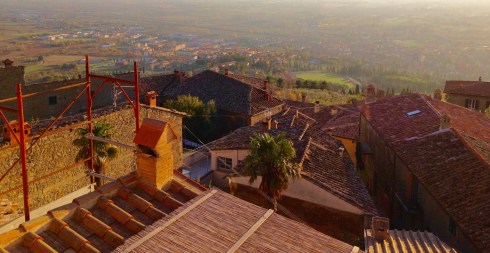
Terracotta –  used throughout history for bricks and roof tiles as well as sculpture and pottery.

©Blogginginitaly.com

©Blogginginitaly.com

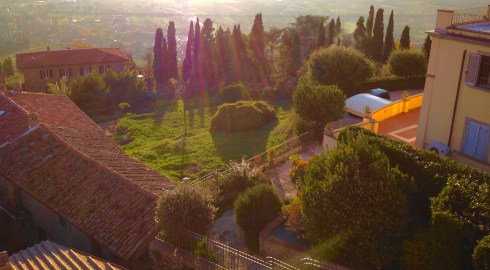
Terracotta – coloring and shaping Cortona’s landscape.

©Blogginginitaly.com

©Blogginginitaly.com

Terracotta – old, durable, and always beautiful.

©Blogginginitaly.com

©Blogginginitaly.com

Ciao,
Judy

Cortona Afternoon Skies

29 Oct

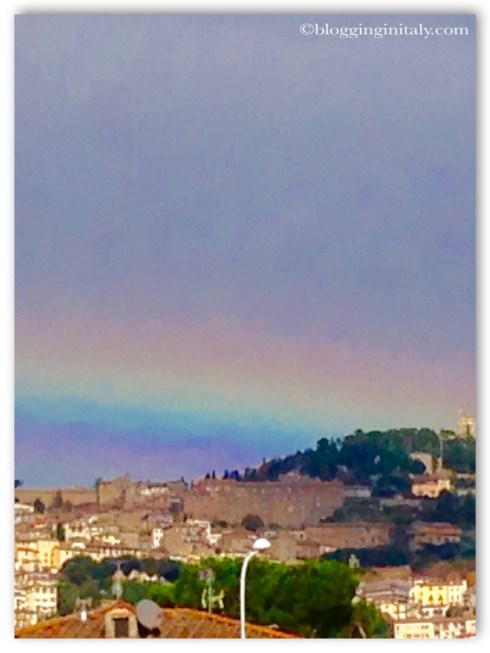
Nature’s Paintbrush

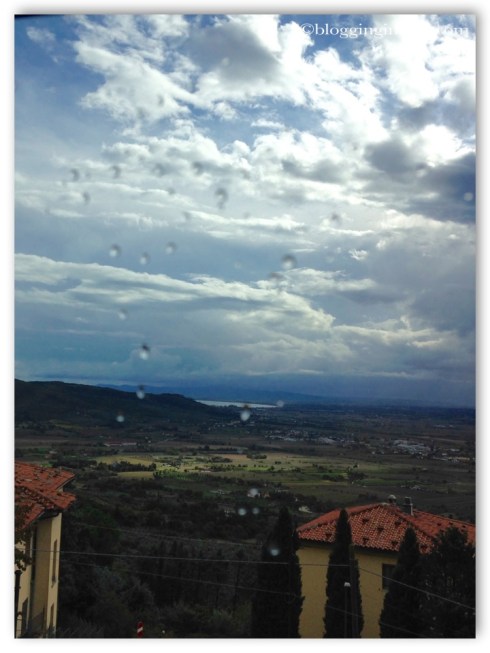
From rain

Rain

to watercolored rainbow

Rainbow

All in a day’s work.

Ciao,

Judy

Sunflower: Girasole

1 Oct

Driving through Tuscany in the summer, a common site is a field of sunflowers. If I didn’t know better, I’d almost think they were shy, as it seems they are always facing away when I want to take a picture. An understanding of the name, however,  helps one understand – gira sole literally means turns toward the sun, and that is exactly what they do.

©Blogginginitaly.com

©Blogginginitaly.com

©Blogginginitaly.com

©Blogginginitaly.com

But what happens to them in the fall? As you might imagine, they look quite different.

©Blogginginitaly.com

©Blogginginitaly.com

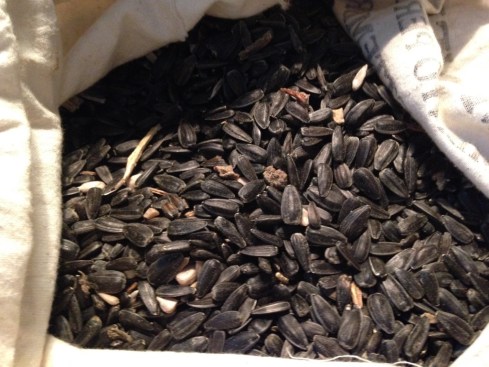
Once they reach this state, sunflowers are cultivated for their edible seeds, which are an important source of oil for cooking. Timing is important as the seeds need to be harvested before they begin to dry and loosen, and before the squirrels and birds decide to do the harvesting for you.

©Blogginginitaly.com

©Blogginginitaly.com

According to Fun Flower Facts, by Connor Lowry, here are some ways the sunflower can be used besides being a wonderful ornamental flower:

  1. As you know, sunflower seeds are edible. They can be eaten raw, cooked, roasted or dried. They are a popular, nutritious snack containing a good source of protein, vitamins A, B, and E, calcium, nitrogen and iron.
  2. Traditionally, North American Indians ground the seeds to make flour for cakes and breads.
  3. The petals are also edible; they can be cooked and eaten like artichokes.
  4. Humans aren’t the only ones that find sunflowers tasty. The seed heads are also a source of food for birds and animals. Sunflower seeds are a major ingredient in commercial birdseed.
  5. Sunflower leaves are used as feed for livestock.
  6. Sunflower oil is a popular vegetable oil known for its light colour, mild flavour, low levels of saturated fats and ability to withstand high cooking temperatures.
  7. The oil can also be added to soap, lubricants and candles.
  8. Sunflower oil can help relieve skin conditions, hemorrhoids and ulcers.
  9. Sunflower roots can remove radiation from soils and water. They were used to clean up the Chernobyl disaster.
  10. The root of the plant is also used in traditional herbal medicine to treat snake bites and spider bites. The leaves can be made into tea to relieve fevers, lung ailments and diarrhea.
  11. The flowers can be used to make an all natural dye.
  12. The stalks are used to make paper and clothes.

So, now you know what happens to those lovely flowers that always seem to make us smile.

Ciao,

Judy

San Galgano

28 Sep

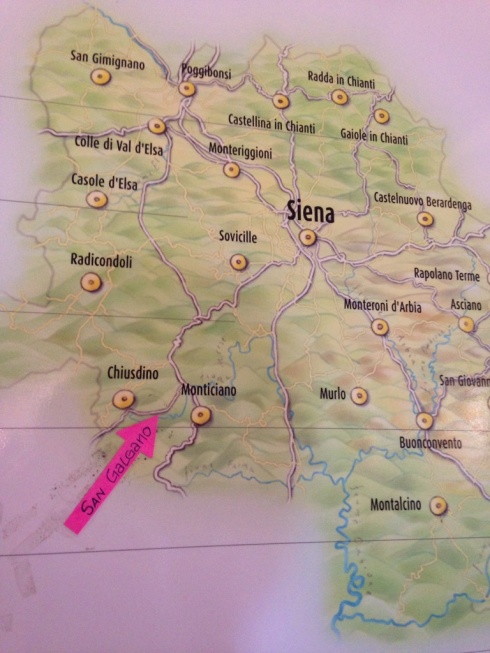
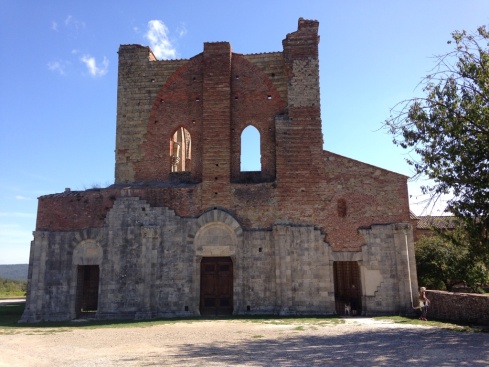
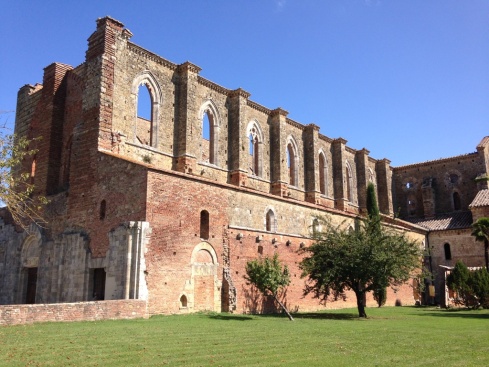
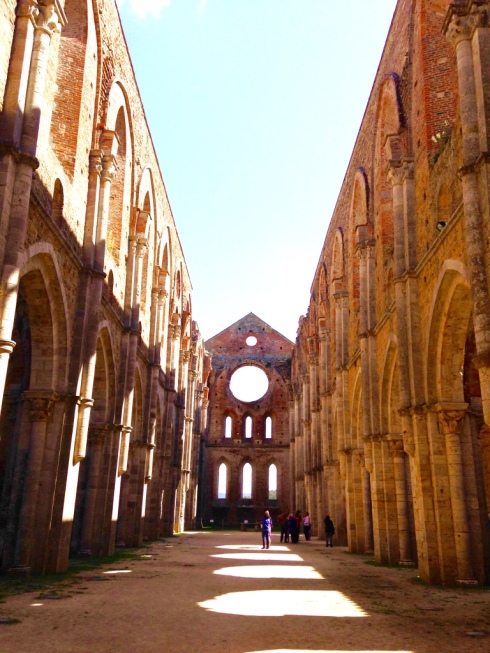
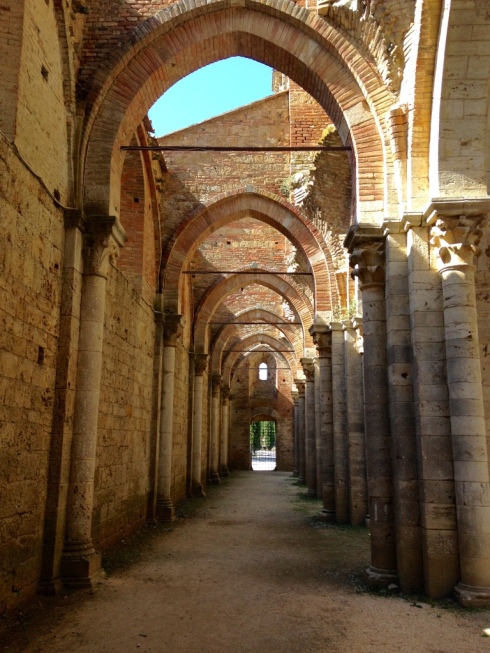
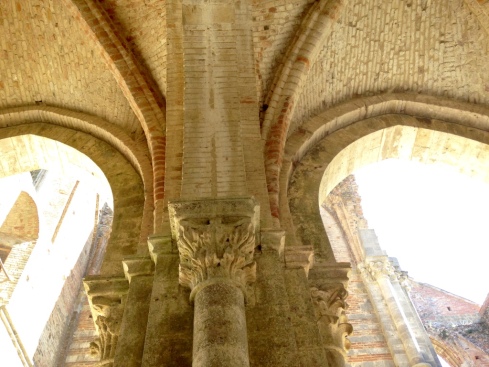
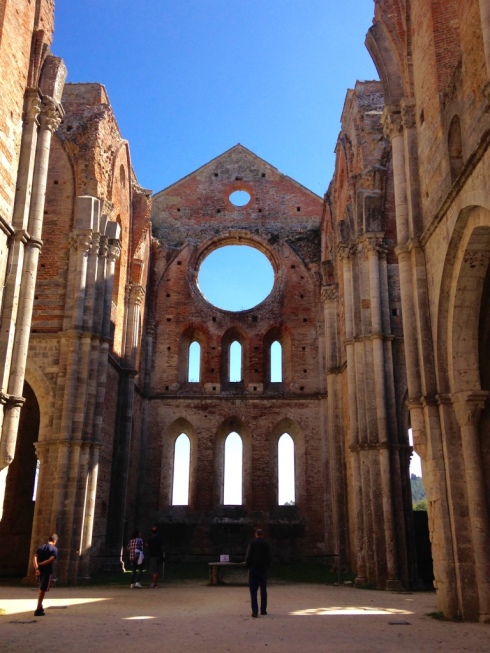
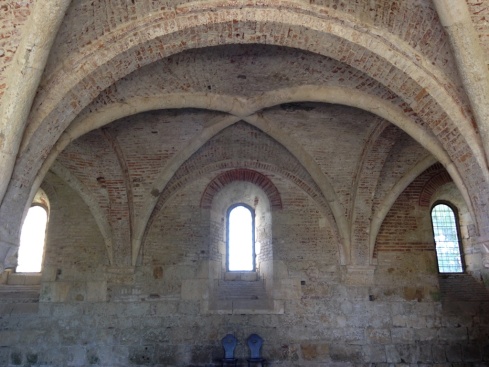
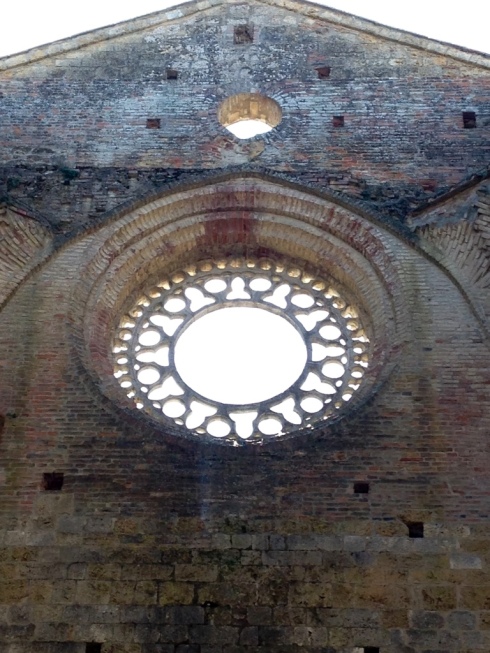
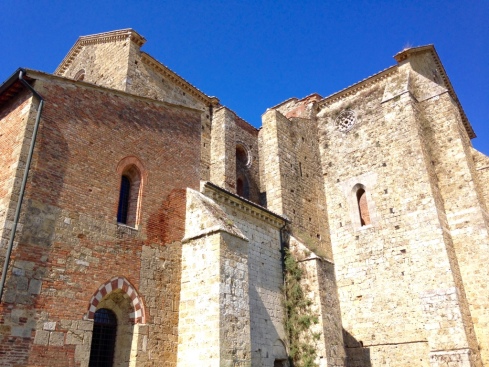
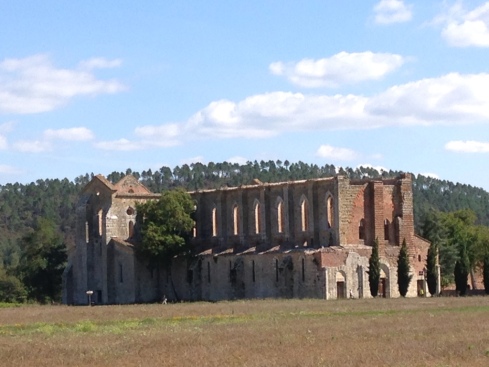
Between 1218 and 1288, the Cistercian  monks built the first gothic church in Tuscany. Its location was selected because Cistercian monks built their monasteries close to rivers, here the Merse, where they could cultivate the plains, marshlands and woods.

©Blogginginitaly.com

©Blogginginitaly.com

©Blogginginitaly.com

©Blogginginitaly.com

©Blogginginitaly.com

©Blogginginitaly.com

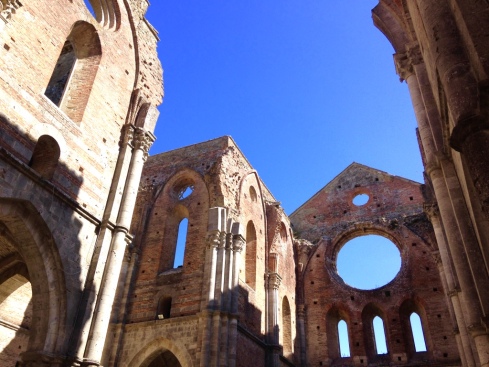
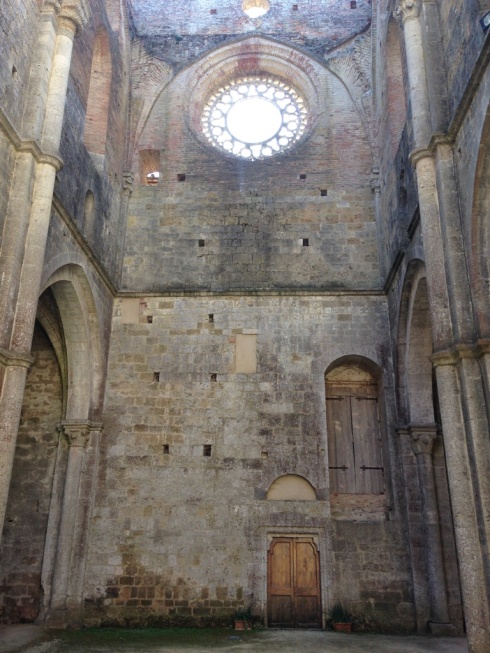
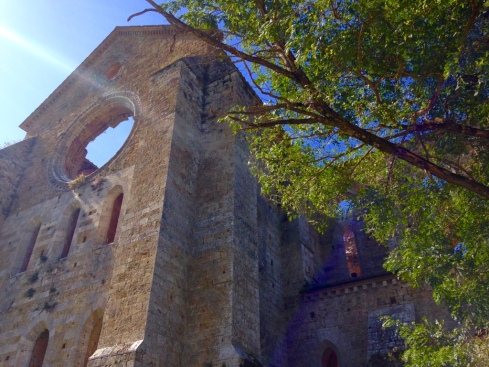
Several tragedies struck the area, including the famine of 1329, the plague of 1348, and finally mercenaries at the end of the 15th century, causing the monks to relocate to Siena. Then in 1786, lightning struck the bell tower, which collapsed onto the roof of the Abbey, causing the roof to collapse.

©Blogginginitaly.com

©Blogginginitaly.com

In 1789, the Abbey was deconsecrated, but the remains are still quite a site.

©Blogginginitaly.com

©Blogginginitaly.com

©Blogginginitaly.com

©Blogginginitaly.com

©Blogginginitaly.com

©Blogginginitaly.com

©Blogginginitaly.com

©Blogginginitaly.com

©Blogginginitaly.com

©Blogginginitaly.com

©Blogginginitaly.com

©Blogginginitaly.com

©Blogginginitaly.com

©Blogginginitaly.com

©Blogginginitaly.com

©Blogginginitaly.com

©Blogginginitaly.com

©Blogginginitaly.com

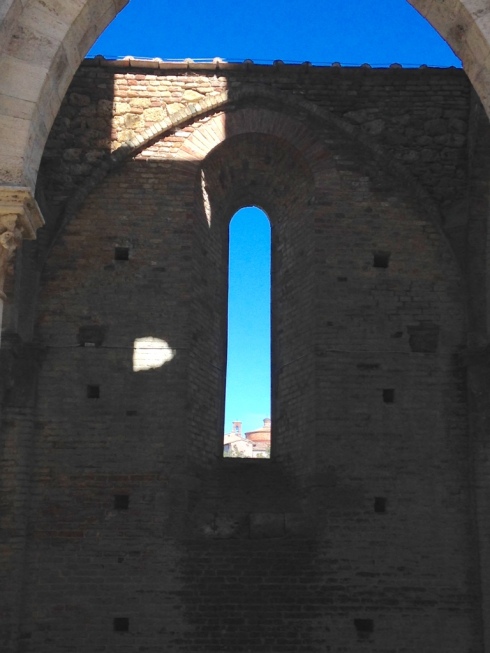
If you look closely through the Abbey window below, you will see a bit of The Hermitage of San Galgano, up the hill from the Abbey, and a place steeped in legend.

©Blogginginitaly.com

©Blogginginitaly.com

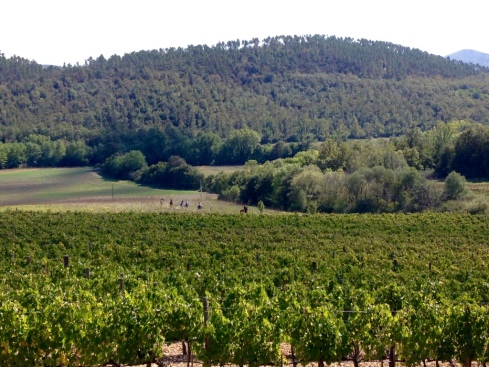
On our hike uphill, we passed a vineyard where grapes continue to be harvested, and saw locals on horseback riding through the fields.

©Blogginginitaly.com

©Blogginginitaly.com

Galgano Guidotti was born in 1148, and the events of his life have been enriched by legends, some of which we see in Camelot. Galgano, like Francis of Assisi, was born into a life of means but was tormented by a lack of direction for own life, even though he had earned the title of Knight.

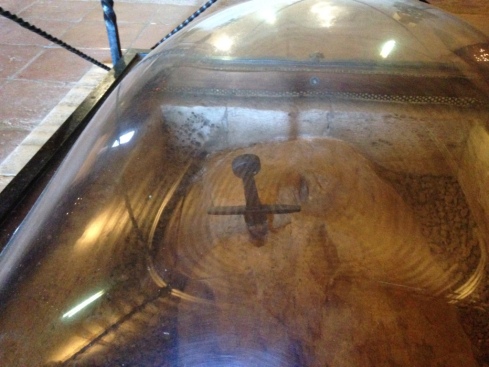
According to legend, at the insistence of St. Michael the Archangel, Galgano became a hermit. To demonstrate his commitment to his faith and to peace, he plunged his sword into a rock that emerged in his hut. This was Galgano’s sign of his renunciation of war and the symbol of the cross was a symbol of his faith.

©Blogginginitaly.com

©Blogginginitaly.com

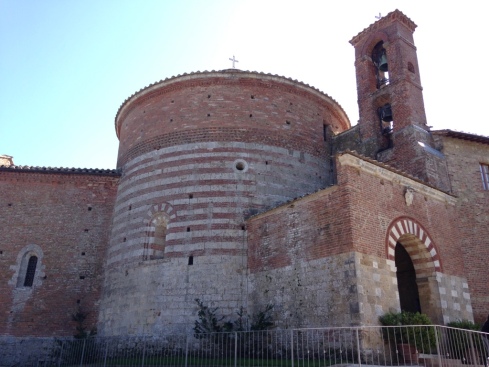
Galgano died in 1181, and in 1182, construction began on the Hermitage Rotunda as a mausoleum to shelter his tomb, as well as the rock and sword. He was canonized in 1185 by Pope Lucius III, only a few years after his death.

Over the years, there were several additions and modifications to the structure, as well as periods of demise. It is thought that the original architect may have drawn his inspiration from other circular structures in Rome such as Castel Sant’Angelo and the Pantheon.

©Blogginginitaly.com

©Blogginginitaly.com

Whether the details are accurate history or legend, it is incredible to see what remains, including the vibrant colors.

©Blogginginitaly.com

©Blogginginitaly.com

Ciao,

Judy


From Vine to Wine

14 Sep

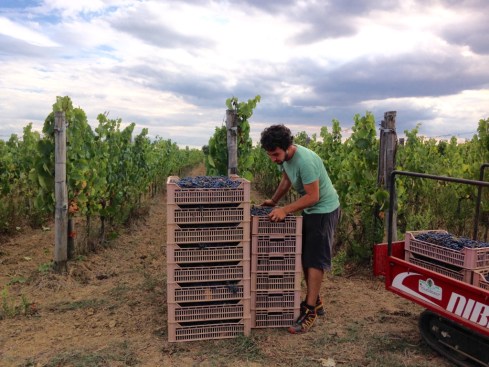
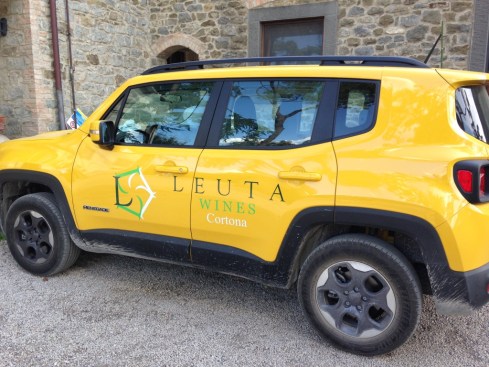
When in Italy, it’s hard not to get caught up in the production of wine. Grapes seem to grow everywhere with diverse types of soil, climate and winemaker contributions. Saturday afternoon, we headed to Leuta in Cortona, not only to sample wine but also to visit nature at its best.

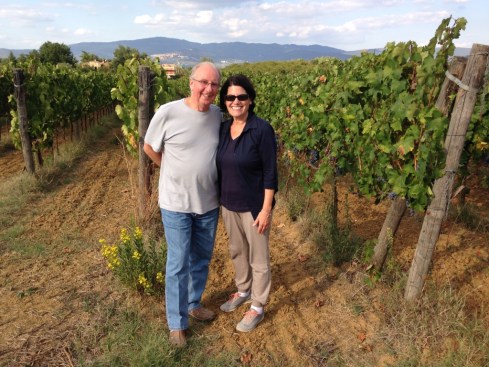
Our friend Carlo was our guide as we headed to the beautiful Leuta vineyards. I’ll let the photos tell the story of the beautiful day we had.

Leuta vineyard with Cortona in background:

©Blogginginitaly.com

©Blogginginitaly.comLeuta vines up close:

Leuta vines up close:

©Blogginginitaly.com

©Blogginginitaly.com

Carlo and Len:

©Blogginginitaly.com

©Blogginginitaly.com

©Blogginginitaly.com

©Blogginginitaly.com

Leuta worker:

©Blogginginitaly.com

©Blogginginitaly.com

Next career?

©Blogginginitaly.com

Len’s new job! ©Blogginginitaly.com

Yours truly ready with Epi pen and Benadryl, but the bees were much more interested in the grapes…

©Blogginginitaly.com

©Blogginginitaly.com

Other beautiful sights:

©Blogginginitaly.com

©Blogginginitaly.com

A close up of same building with a fig tree growing within…

A fig tree growing within©Blogginginitaly.com

©Blogginginitaly.com

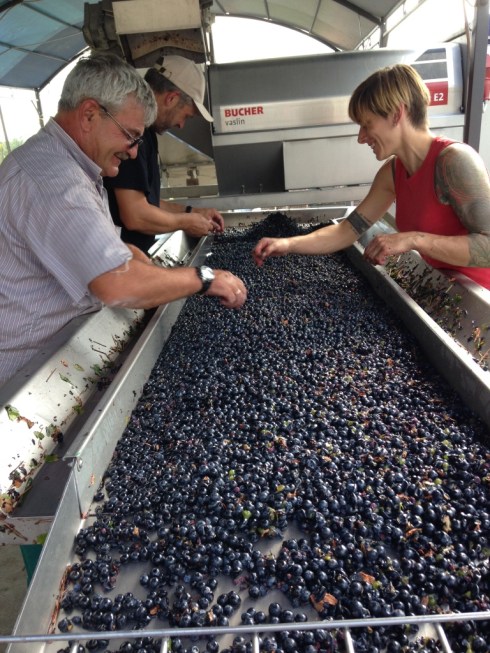
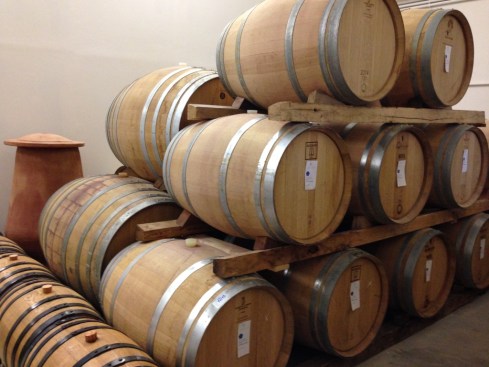
Afterward, we caught up with Denis, the passionate owner of Leuta, as he was giving a tour of the wine making process…

©Blogginginitaly.com

©Blogginginitaly.com

©Blogginginitaly.com

©Blogginginitaly.com

©Blogginginitaly.com

©Blogginginitaly.com

©Blogginginitaly.com

©Blogginginitaly.com

©Blogginginitaly.com

©Blogginginitaly.com

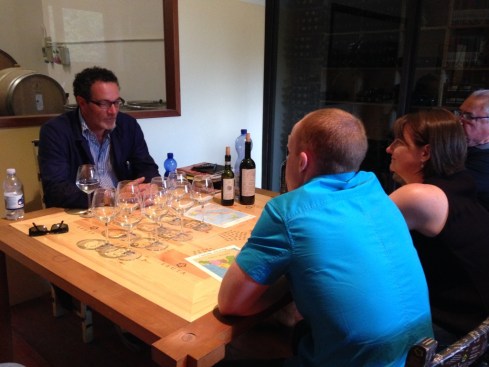
We were fortunate enough to sample several of Leuta’s excellent wines and once again hear  the story of Denis’ love of winemaking, a passion that grew from working with his grandfather.

©Blogginginitaly.com

©Blogginginitaly.com

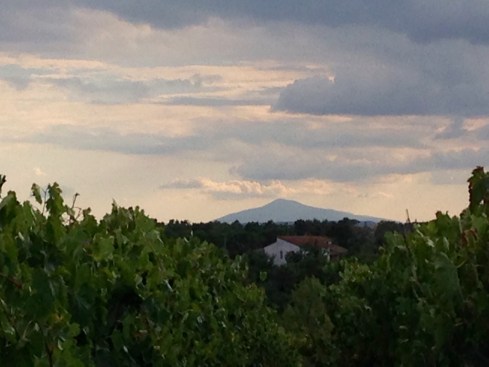
On the way home, we saw this, the inactive Amiata Volcano .

Amiata Volcano (dormant) ©Blogginginitaly.com

Amiata Volcano  ©Blogginginitaly.com

Thanks, Carlo, and Denis, for a wonderful day!

thumb_IMG_7865_1024

For more on Leuta, visit Leuta.

Ciao,

Judy


Familiarity

3 Sep

We awoke this morning to the sites, sounds and smells of Cortona – and fell into our familiar rituals. Morning cappuccino, an uphill 2.5 mile hike to Torreone, the “take your pick” downhill roads leading back to town, lunch at Caffe Tuscher, an afternoon nap, appertivo with friends, and a light dinner.

I’m reminded of a Peter Allen/ Carole Bayer Sager song, Everything Old is New Again:

Don’t throw the past away
You might need it some rainy day
Dreams can come true again
When everything old is new again

Exactly when we fell in love with Cortona is unclear – perhaps our very first day in June, 2011. We had long planned and dreamt about spending significant time in Italy, and for us, this continues to be the dream come true.

Seeing Cortona in the fall already brings a newness. Fewer people, many fewer children and strollers, and a final let up of the heat wave that surrounds Italy in the summer. The olives are ripening on the trees, the zucchini blossoms are gone, and the sun flowers are getting ready for harvest. But the incredible views

©Blogginginitaly.com

©Blogginginitaly.com

and the enticing smells coming from kitchens remain the same. Somethings just never get old.

This evening, as is customary on Thursday nights, a band played in Piazza Signorelli.

©Blogginginitaly.com

©Blogginginitaly.com

We joined the others and dined al fresco with friends. A perfect ending to a perfect day.

Dreams can come true again
When everything old is new again.

Ciao,

Judy


An Adventure in Self-Discovery

19 Jun

People often ask Len and me why we return to Italy each year. The food, the culture, the art, the people, the history? What is it that continues to draw us to the same place?

Perhaps the writer, D.H. Lawrence, expressed our sentiments best:

“For us to go to Italy and to penetrate into Italy
is like a most fascinating act of self-discovery.”

How very true. Returning to the same place, year after lovely year, is what allows us to experience Italy in a way a casual tourist simply cannot. For us, it’s a dream come true, a goal realized.

©Blogginginitaly.com

©Blogginginitaly.com

And no, that’s not our house, but it is one of our favorite Cortona views.
Till next we meet…
IMG_4746

2011, First Summer in Cortona ©Blogginginitaly.com

Ciao,
Judy