Archive | Through HIs Words: Reflections From and About My Grandfather RSS feed for this section

My Ancestors’ Home

5 Dec

Built on the main street of Pietrabbondante, about 150 years ago, (now with the recognition plaque), is the house where Grandpa Alex was born is 1895. 

©blogginginitaly.com

As with many Italian families, there were likely a few generations living together in the house for a time. What we do know for certain is that Alex was born in this house and emigrated to the US in 1899. 

Looking at the house, the main entry is to the left and cellar entrance, where animals were usually kept, to the right. But my great-grandmother was a seamstress and fitted her customers in this area instead.  Today, piles of wood are neatly stacked awaiting to create warm winter fires.

©blogginginitaly.com

Rinella proudly showed me a piece of the rock used to build the house. 

©blogginginitaly.com

The front door opens to a staircase leading to the first floor or the living space. One can’t help but be struck by the creative use of glass bricks built into the staircase above to allow light to penetrate through.

©blogginginitaly.com

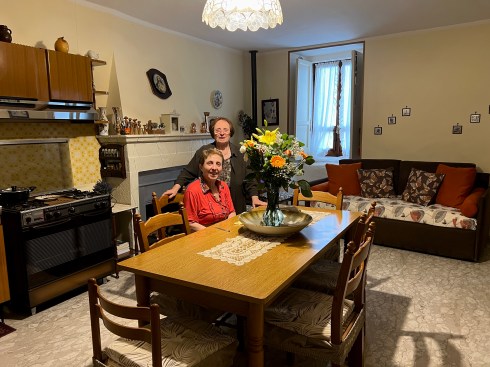
At the landing, a door opens to the multi purpose kitchen/living/breakfast room, with plenty of light from two large windows,
©blogginginitaly.com

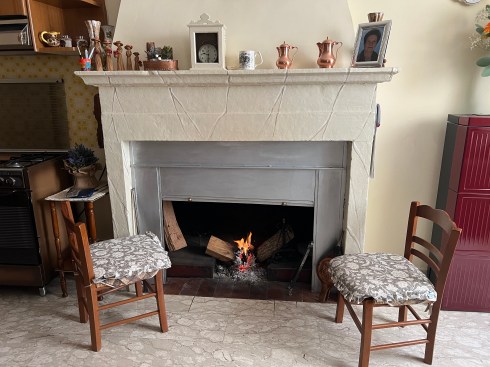
and warmth from the fireplace.
©blogginginitaly.com

Beyond this is a dining room, bathroom and secondary kitchen.

©blogginginitaly.com

Another door leads to the upper part of the staircase with the glass bricks.

©blogginginitaly.com

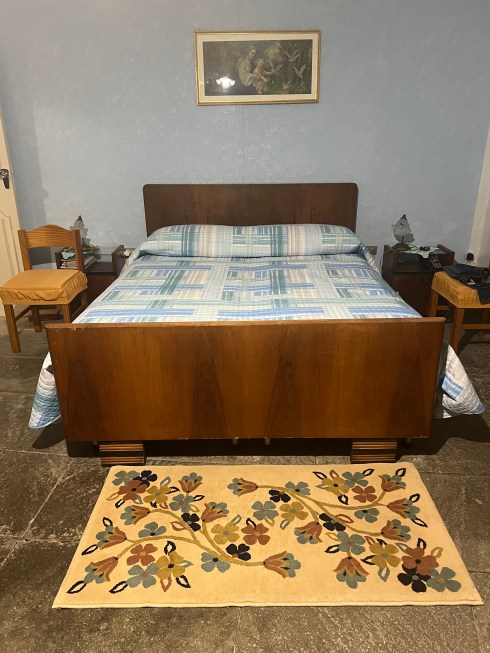
On the second floor, a long hallway leads to two bedrooms… the primary, which we quickly passed on our right, (much more to come on this!), 
©blogginginitaly.com

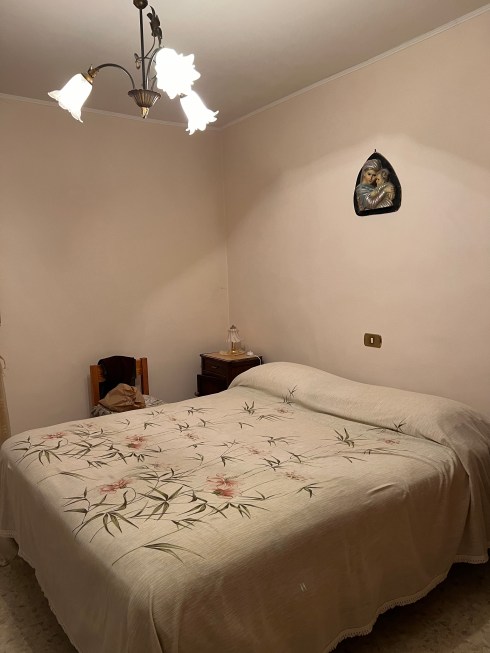
a smaller bedroom and a bathroom.
©blogginginitaly.com

There is even a secondary entrance which faces a higher level street behind the house.

©blogginginitaly.com

This long hallway houses the Singer sewing machine, still functioning, originally used by my great-grandmother!

©blogginginitaly.com

Incredibly, I learned on this trip that the house remains nearly unchanged, including almost all furnishings, books, etc., from the time my ancestors sold the house to the grandparents of the current family. 

At the top of the next staircase leading to the third floor sits this wonderful trunk, which, I am told,  belonged to my relatives and survived at least six voyages between Italy and America.

©blogginginitaly.com

This hallway leads to another bedroom,

©blogginginitaly.com

and a step up entrance to the attic.

©blogginginitaly.com

There were so many interesting stories and things to see and learn about here, but among my favorites were hiding spaces used during the war and various sized vessels used for crushing grapes. I asked Rinella to sit next to the large one to show its size.

©blogginginitaly.com

After exploring the cellar, it was time to return to the primary bedroom one floor below. And this time, all I could say was WOW!

©blogginginitaly.com

The huge room has two large doors which open to a balcony on the main street, proving fresh air and great lighting.

©blogginginitaly.com

The balcony has initials in the iron railing, one being  an I, (Iacapraro) and the other unclear as it has been damaged. This, coupled with handed down stories and the age of the house, suggests that the house may have been built by my 2nd great grandfather. 

©blogginginitaly.com

In front of the door on the right is an alcove where the old bread cabinet now sits. Prior to relocating it here, the space was where my grandfather Alex probably slept as a child!

On August 20, 1938, Alex wrote this to his wife:  
“Honey, I got the real kick of the whole trip today when I reached my hometown and saw the house and the actual room of my birth.”
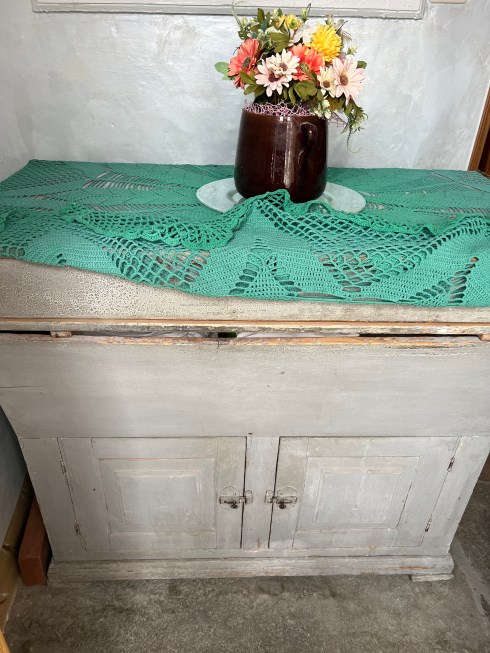
©blogginginitaly.com

The furniture, radio, books…all belonged to the Iapcapraros!
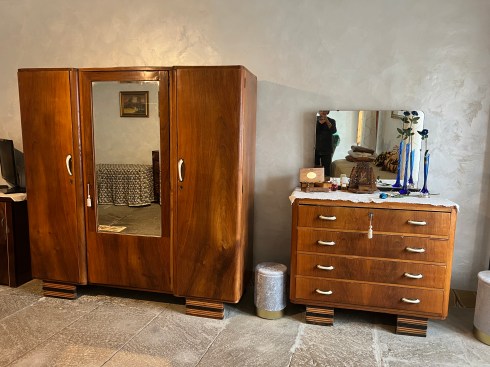
©blogginginitaly.com

And so, incredibly, here is where Len and I slept…not only in my ancestors’ bedroom, but surrounded by their belongings!

©blogginginitaly.com

And then I found out something wonderful. Alex left here at age four and returned to this home at age 43, by then a successful American architect. When seeing this, the room of his birth, he asked the owners if he could leave his mark on this room. They were delighted. And his mark? He designed the ceiling. Before departing, I am told he took necessary measurements and then worked with architects in Rome to have it installed. 

The night before the ceremony, I don’t think I slept a moment. All I could do was study this massive ceiling and reflect on so many things…

the long journey that brought me here…

©blogginginitaly.com

Alex, my paternal grandfather, and how humbled, proud and grateful he would be…
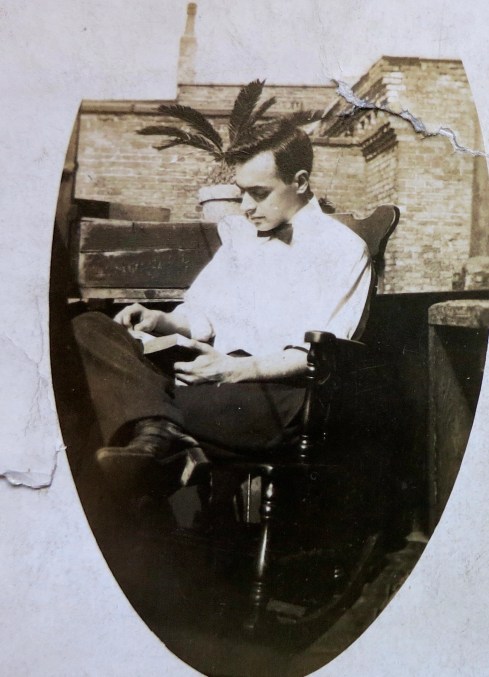
©blogginginitaly.com

and the next family who was raised here, who passed on the stories, and took loving care of this house.

©blogginginitaly.com

In completing the final chapter of this amazing story, I am  grateful to all those who helped make this happen, and also to those of you who read along and took this journey with me over these many years. Your comments and messages have been so appreciated and I always try to respond to each one. 

How to end this final Pietrabbondante chapter? It came to me in a message from Rinella on the day we were returning to Chicago. This is the incredible lady who opened her home and gave her bedroom to two complete strangers for three days and nights.

©blogginginitaly.com

Dear Judy, here you are about to start the return journey home and when everything is ok, we will all be satisfied. We have enjoyed together to the fullest this incredible experience of our ancestors. I am sure that your journey never ends, but it repeats itself in the quietest corners of your mind. Be careful with your suitcases! because this time you are bringing home an extra and much bigger suitcase: it is your heart full of emotions, memories and new dreams and projects. We will remember, Judy, your smile and your kindness; we will remember the style and elegance of Leonard’s soul.

HAVE A GOOD TRIP JUDY AND LEONARDO. We wish you all the BEST!

Thank you, Rinella, no longer strangers, and now,
forever family…

Ciao (through my grateful tears…),
Judy 
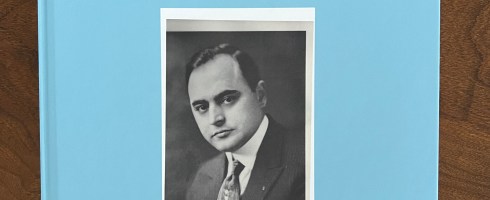


Alexander Capraro – Recognition Ceremony

4 Nov

125 years ago, in 1899, my great grandparents, Emerenziana Vitullo, a seamstress, and Vincenzo Iacapraro, a cobbler, said goodbye to their Pietrabbondante home to begin their long and challenging journey to Chicago. They would travel with their two small children, my grandfather Alexander, aged four, and his two-year-old sister, Fortunata. We will never know what led to this decision, but we do know the impact this decision had on the life of their eldest son, Alexander. 

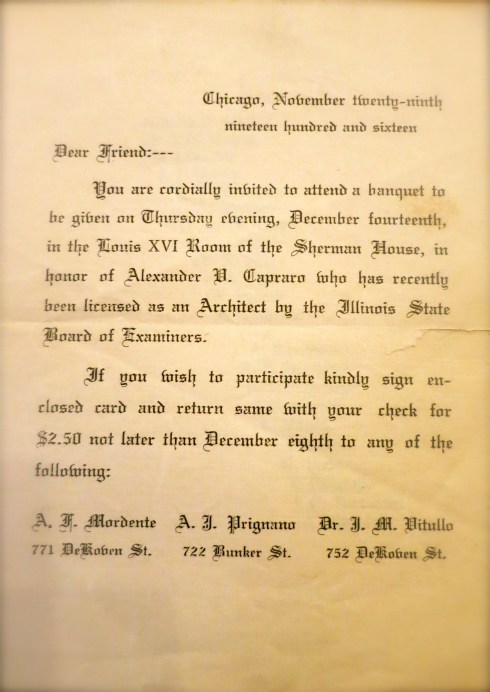
Alex Capraro, as he became known in Chicago, was a determined student who quickly learned to speak, read and write perfect English. At the young age of 21, he passed the architectural exam and became the first licensed Italian-American architect in the state of Illinois. And so began his incredible career.

©blogginginitaly.com

©blogginginitaly.com

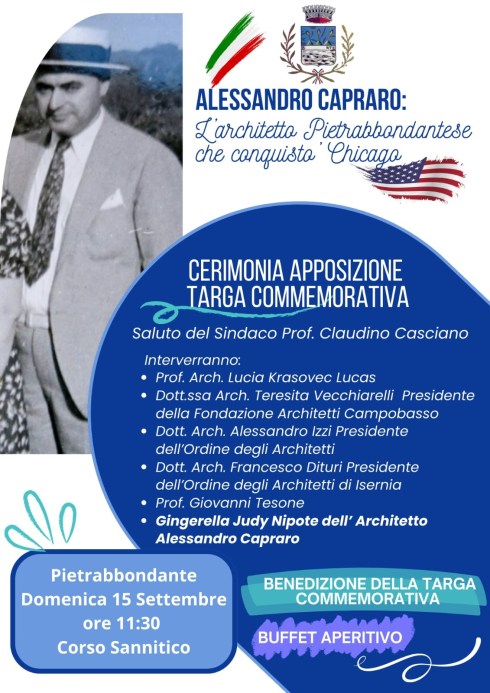
On Sunday, September 14, 2024, Len and I were honored to be guests of the Pietrabbondante community as they recognized the achievements of Alexander Capraro, American architect, native son of Pietrabbondante.

After breakfast in my ancestor’s home, Rinella, the lady of the house, guided me to the primary bedroom balcony to see the preparations happening below. 

©blogginginitaly.com

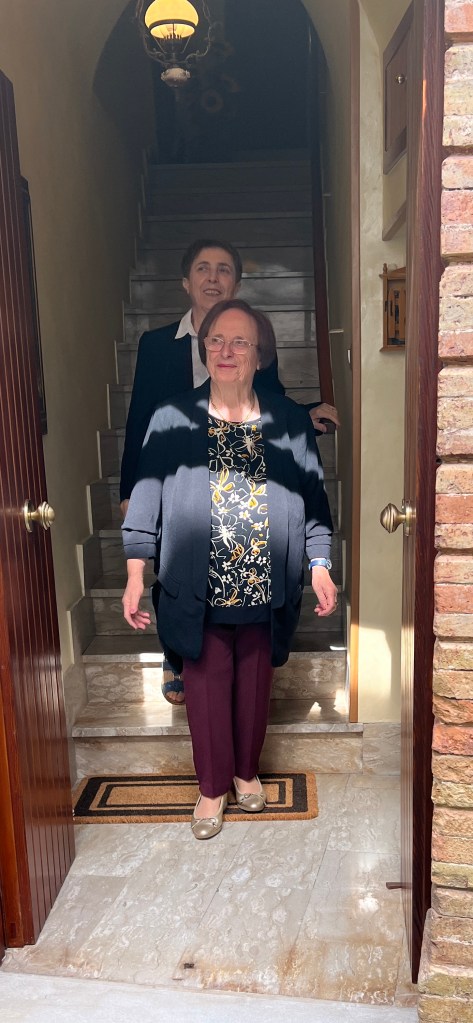
A bit later, Rinella and her sister, Rosaria, emerged from the house –  as proud as can be. 

©blogginginitaly.com

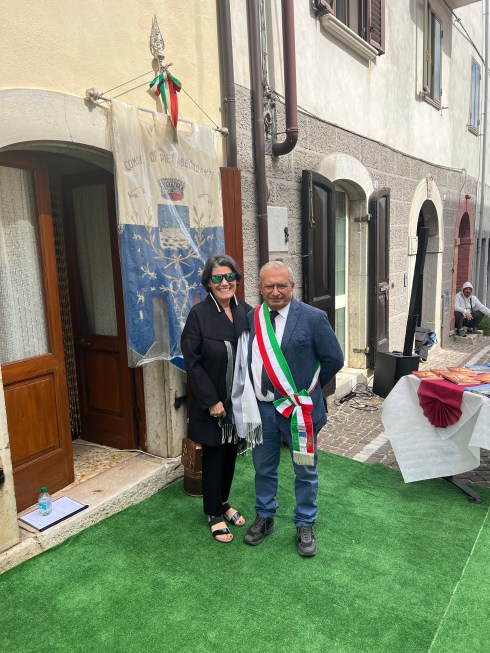
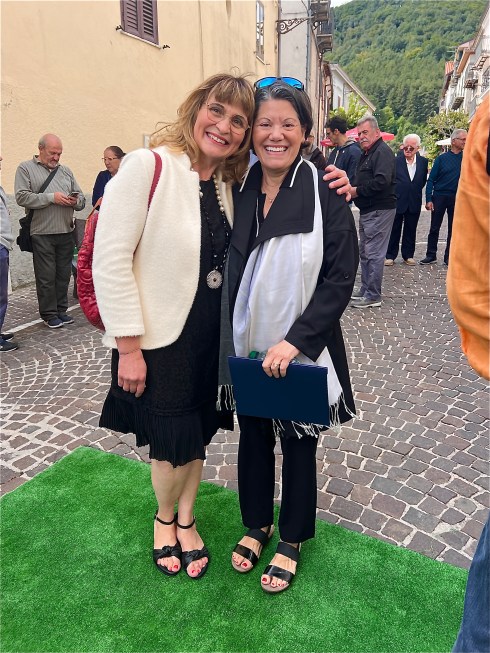
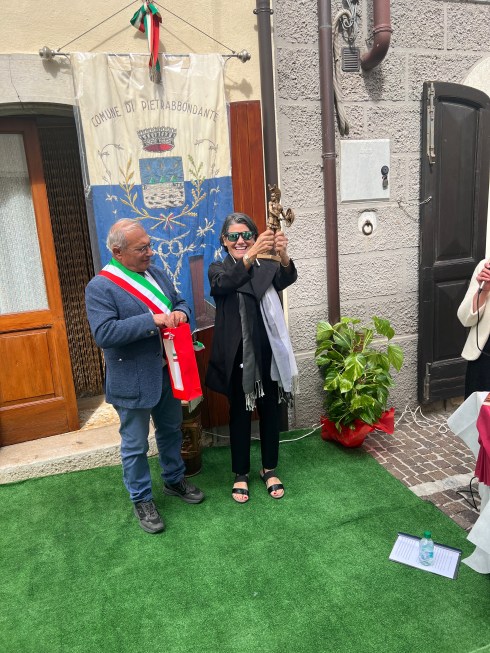
I followed, and was quickly introduced to the mayor of Pietrabbondante, Prof. Claudino Casciano.

©blogginginitaly.com

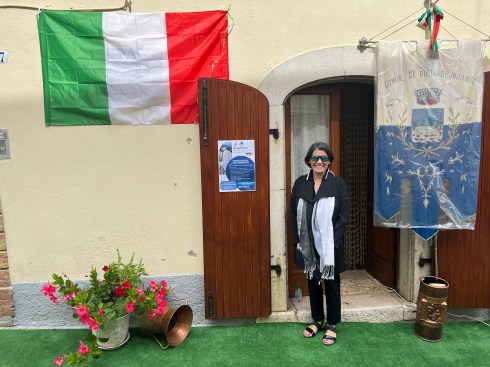
The local banner was proudly displayed and posters announced the location, time, and speakers.

©blogginginitaly.com

The event was to be followed by an aperitivo buffet, to which all were invited.

In addition to the mayor, the speakers included heads of various architectural foundations and associations; professors/researchers of architecture; and yours truly. 

©blogginginitaly.com

As mentioned before, there are about 200 full time residents, and it seemed that most of them had joined the celebration.

©blogginginitaly.com

The event was called to order by Mariella, the very efficient person responsible for organizing the gathering.

©blogginginitaly.com

She thanked those present and then the Italian national anthem was played and proudly sung by all. Most unexpectedly for me, however, was that it was followed by the Star-Spangled Banner. Truly, I felt as if I had won an Olympic gold medal! My emotions and tears were proof.

©blogginginitaly.com

The impressive group of speakers highlighted some of Alex’s significant commissions:

Main Navy Buildings in Washington DC, 1918:

The Italian Pavilion, 1933, Century of Progress, International Exhibition; 

©blogginginitaly.com

©blogginginitaly.com

Casa Bonita, opened 1920’s, annually featured in Open House Chicago.

©blogginginitaly.com  Aunt Marion, Alex’s daughter by M. Mattucci

©blogginginitaly.com

©blogginginitaly.com   indoor pool

©blogginginitaly.com detail by M. Mattucci

Then it was my turn to speak (in Italian, of course!) I knew others would highlight Alex’s accomplishments; what I wanted to do was share a bit of his personal life.

When Alex met the love of his life, my grandmother Modesta Rose, (Maude), her mother said he was too skinny to date! But she did date and marry him in 1920, and they shared an incredible life together for 36 years. 

©blogginginitaly.com

They had two sons, one daughter, and eventually 10 grandchildren. ©blogginginitaly.com (Grandpa is left of grands; author is center child)

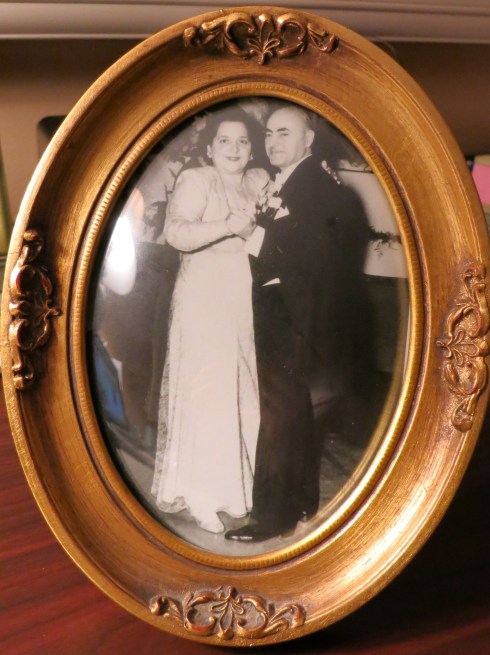
My grandparents were full of life; they loved each other and their family deeply. And how they loved to dance!

©blogginginitaly.com

Their lives were busy – whether working, traveling by car with their children, entertaining, or being involved in the community. Most of all, however, they loved when family gathered around their large dining room table for delicious dinners prepared by Maude. Although I was only five when Alex left us, I vividly remember sitting at that big table and seeing his warm smile. 

On August 20, 1938, Alexander Capraro reached the very spot where we were gathered in Pietrabbondante. He was 43. It would be his first and only visit since he emigrated at age four. That night, he wrote the following to Maude:

Honey, I got the real kick of the whole trip today when I reached my hometown and saw the house and the actual room of my birth. Today I met several aunts, cousins, and many relatives. They cried with joy and they never stopped feasting their eyes on the boy from America. In a few minutes, word spread that I was there and the whole town seemed to come around to see the native son from America.

There was more to my speech, but I ended with the following:

Alexander Capraro was a wonderful man, full of love, life and talent. But he was also a humble man, never loud, never bragging, always sharing his talents through his work, and sharing his time and advice when asked. If he were here today, he would be so appreciative and humbled by this incredible recognition and outpouring of affection. 

And then it was time for the unveiling:

©blogginginitaly.com

The blessing:

©blogginginitaly.com

And the reading of the plaque (below in English):

IN THIS HOUSE WAS BORN 
ALESSANDRO V. CAPRARO
BORN IACAPRARO
HIS ARCHITECTURE ENCHANTED CHICAGO

PIETRABBONDANTE   7 JANUARY 1895
CHICAGO   1 NOVEMBER 1956
MUNICIPALITY of PIETRABBONDANTE 9/15/2024

©blogginginitaly.com

Afterwards, I received a statue from the mayor symbolizing the town’s ancient history:

©blogginginitaly.com

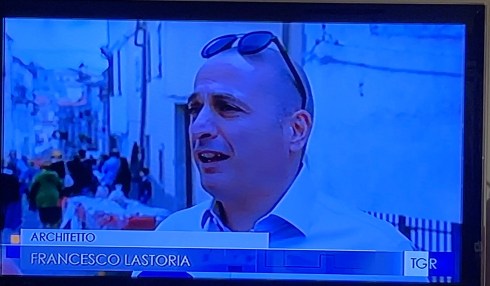
RAI news was there to document the event, 

©blogginginitaly.com

which we later watched on the evening news! They included my interview, and more importantly, the interviews of two people whose research brought this story to life, Architect Francesco Lastoria 

©blogginginitaly.com

and Prof. Arch Lucia Krasovec-Lucas.

With the ceremony over, it was time for celebration, and celebrate we did. The buffet, which no one would touch until Len and I started, was incredible and very generous.

©blogginginitaly.com

And finally it was their turn to join.

©blogginginitaly.com

Of course, the ceremonial Prosecco needed to be popped, and I was asked to do the honors.

©blogginginitaly.com

©blogginginitaly.com

People waited patiently to introduce themselves and shake our hands. To me, it was their personal acknowledgement of the native boy who had left home and pursued his dreams, yet he would always belong to this place. 

I began to understand how my grandfather felt…the whole town seemed to come around to see the native son {now granddaughter} from America.

We too now belong to the Pietrabbondante family. 

This has truly been an overwhelming experience for me –  research that has taken years with an ending I could never have imagined.  

I am forever grateful to so many including: 

-The entire community and administration of Pietrabbondante
-The speakers who shared their time and perspectives
-The family who has cherished/cared for my ancestors’ house and embraced us as family
-Aunt Marion, who kept my grandfather’s papers and entrusted them to me
-Lucia, for her past and ongoing research
-Francesco who discovered my posts about Alex 10 years ago and was determined to have him recognized
-Len, for taking this journey with me
-Alex, my grandfather, for his courage, determination, and love of life, as well as for being an incredible role model of a life well- lived.

To Alex, thank you!

©blogginginitaly.com

Ciao,
Judy


Pietrabbondante: My Extended Family

3 Oct

In 2014,  Len and I visited Pietrabbondante, the birthplace of my paternal ancestors. Although we didn’t meet any relatives or locals, we thought we had found my grandfather’s birth home and were satisfied to add another check to our “Visit Ancestral Hometowns” list. 

In late 2017, however, I received a very unexpected message (in Italian but translated here):

I am Francesco, an Architect from Pietrabbondante, and it is an honor for me to have been born in the same town as the illustrious Alessandro Capraro. I am researching all his works and it is my intention to have a street named after him in the town that gave him his birthplace. If you have any news, please respond to me. 

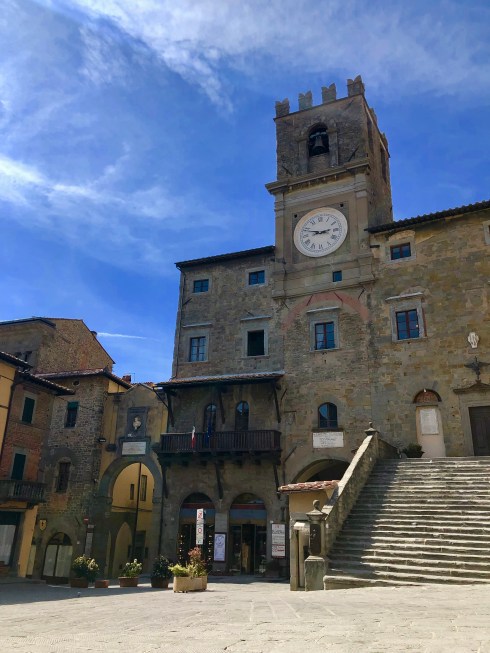
And so I did, and that response led to the beginning of a new and wonderful friendship. For much of the next year, Francesco and I talked, exchanged information, and finally met in Cortona in the fall of 2018.

Meet Francesco, the dedicated architect who never gave up on his goal to recognize the works of a fellow native architect, and the reason we were in Pietrabbondante last month to recognize Alessandro Capraro, my grandfather.

Bravo, ben fatto, Francesco, e grazie mille!

©blogginginitaly.com

While the next post will be filled with pictures and stories from the ceremony, I first wanted to introduce you to some wonderful people, my new extended family of Pietrabbondante.

Because of Francesco’s research, we were able to meet the people who were raised in and still own/occupy my ancestors’ home. Not only did their grandfather purchase the home from my great-grandfather, they have kept the home virtually intact, furniture and all. 

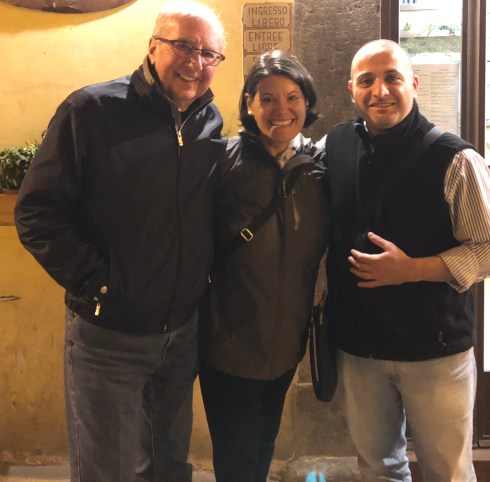
©blogginginitaly.com (From left, Roberto, Rinella, Judy, Len, Rosaria and Francesco)

Rinella is now the lady of the house and her sister and brother came from northern Italy to be with us. And here’s a truly incredible gift – Rinella insisted that Len and I stay in the primary bedroom, the bedroom that had been occupied by my great grandparents and the birth bedroom of my grandfather in 1895! 

The house is so interesting it warrants a post of its own, which will be the fifth in this series. For now, a bit more on the people.

As part of Francesco’s effort to bring more attention to the works of Alexander Capraro in the U.S., Francesco and Dr. Lucia Krasovec-Lucas, architect, sponsored a conference about him in Pietrabondante last year. I was zoomed into the conference and “met” Lucia for the first time. What I only recently learned was that she had done post doctoral work in Chicago 20 years ago. At that time, she discovered Alexander Capraro, architect from Pietrabbondante, and his architectural contributions to sites including the The Main Navy Building and the Munitions Building in Washington D.C.; Casa Bonita, still included as a historical site in the annual Open House Chicago; and The Italian Pavilion for the Century of Progress World’s Fair in Chicago in 1933-34.

©blogginginitaly.com (Dr. Lucia, 4th from right, next to Francesco)

Some years later, she published a book about her research, including drawings for the Italian Pavilion by Rome architects as well as my grandfather. She and Francesco are continuing their research even today, and of course, I will support them anyway I can. 

In 1938, Alexander Capraro visited Pietrabbondante, the only time he would since he left at age four. In a letter home to his wife Maude, he wrote:

“Today I met several aunts, cousins and relatives. They cried with joy and they never stopped feasting their eyes on the boy from America… In a few minutes, word spread that I was there and the whole town seemed to come around to see the native son from America.”

86 years later, returning to Pietrabbondante as the granddaughter of Alexander Capraro, I had some of the very same feelings as they warmly embraced me as part of the Pietrabbondante family.  

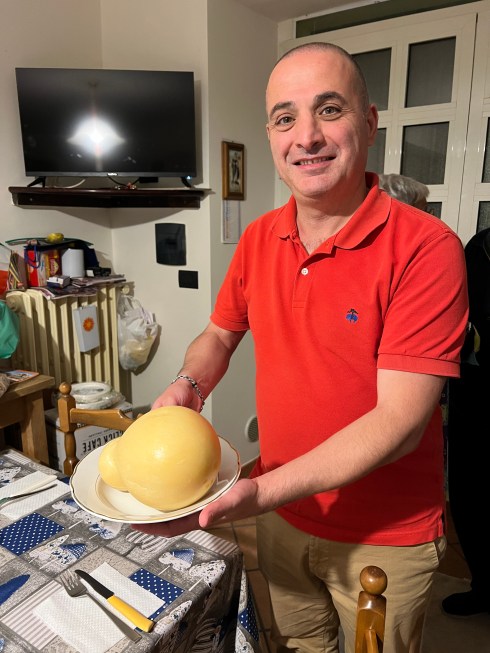
The first night in town, Francesco and his sister, Maria Concetta, plus cousins, of course, welcomed us for dinner at their family home. But before dinner, we were introduced to Caciocavallo, a wonderful local cheese.

©blogginginitaly.com

©blogginginitaly.com

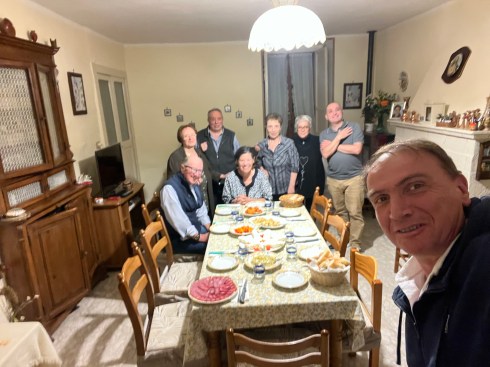
The last night, even after a huge buffet at the ceremony, Rinella and Rosaria insisted we needed just a simple dinner… 

©blogginginitaly.com

©blogginginitaly.com

As for my extended Pietrabbondante family, we’re not actually sure how we might be related, but if we go back far enough, there’s most likely a connection, either via bloodline or marriage. Vitullo and Di Salvo are common Pietrabbondante names that are in my family tree dating back to 1772, (thanks to Janet, Lyniece, and many others) and these names are in Francesco and Rinella’s ancestry as well. 

So many people spend endless hours tracing their ancestry. How very fortunate I have been to actually walk in the shoes of mine.

My heartfelt thanks for the tireless efforts and friendship of Francesco and Lucia, and the warmth, generosity and hospitality of Rinella, Rosaria and Roberto. I remain forever grateful to each of you. 

Next up, the reason for our return…the recognition and celebration of Alexander Capraro, American architect, born in Pietrabbondante in 1895.

Ciao,
Judy

Santuario Italico di Pietrabbondante

23 Sep

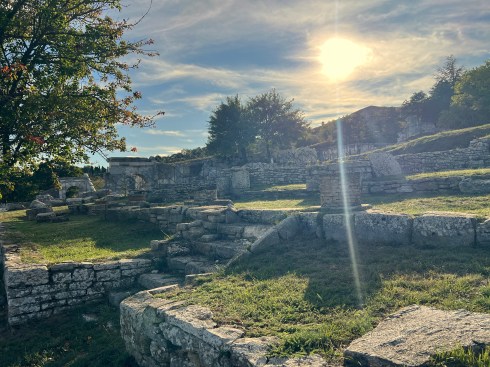
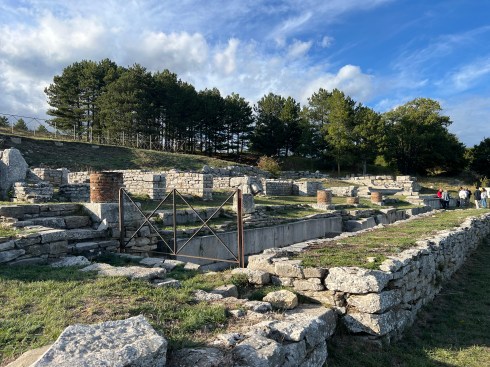
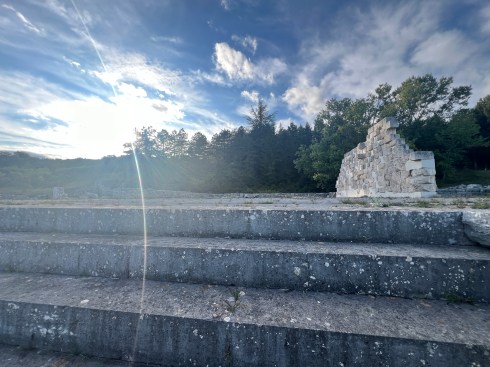
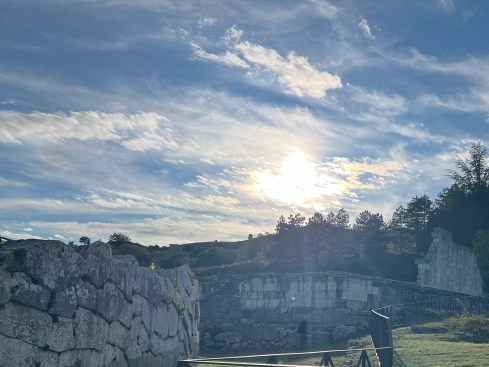
Pietrabbondante’s earliest known inhabitants were the Samnites, who arrived in Pietrabbondante in the 6th century BC. Many historians believe that it was the home of the assemblies of the Samnite federal government and the site is viewed as a Samnite sanctuary.

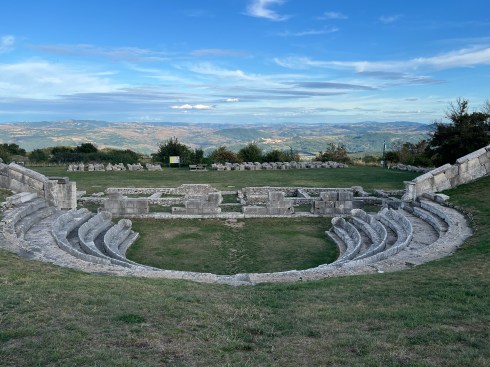
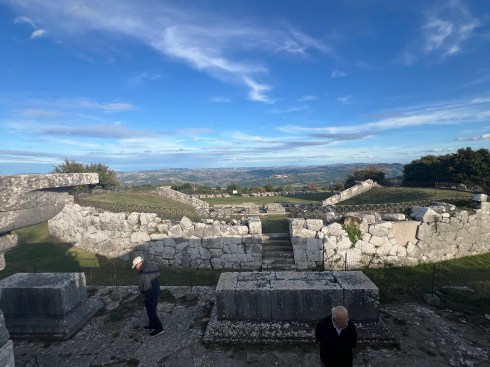
On the slope of Monte Saraceno, the Samnites built a complex of worship consisting of a theater, a temple and two arcaded buildings on both sides. Work began in the late 2nd century BC and was completed in 95 AD. The building, as articulated, was intended both for worship and for institutional activities.

©blogginginitaly.com

©blogginginitaly.com

The theater-temple complex is located on the outskirts of Pietrabbondante and sits on the site of a 3rd century BC temple portico which was destroyed by Hannibal in 217 BC. To build it, the Samnites situated two terraces along the side of the mountain, but at different levels on a single axis. The theater consists of two elements: the auditorium and the building stage, which are linked together by two stone arches. 

©blogginginitaly.com

The auditorium is capable of holding up to 2,500 spectators. Each of the seats was created from a single stone block with the dorsal elegantly thrown backwards (i.e., ergonomically designed!); with signs at both ends of each row reserving them for judges, priests, and so on. On both sides of the orchestra, retaining walls of the embankment ended with supports sculpted in the form of a man,  made from a kind of volcanic ash. 

©blogginginitaly.com

In addition, the auditorium had and still has excellent acoustics. Our guide needed only to stand on a specific center location, then speak in a normal voice to be easily heard by all! 

©blogginginitaly.com

I tried it;  you can actually hear your own voice quietly in your ears and all seated around you can hear as well. 

©blogginginitaly.com

The entire embankment is supported by large semicircular and polygonal blocks processed by cutting without regular contours.

©blogginginitaly.com

The temple, measuring 72 by 115 feet, lies behind the amphitheater. Today, the only structures remaining are the base and the eight columns that rose in front, and were paved with fine mosaics dedicated to different deities.  The roof was built with trusses, stringers, plates and tiles, each weighing 115 pounds. 

©blogginginitaly.com

©blogginginitaly.com

©blogginginitaly.com


The Samnites had an economy focused upon livestock and agriculture. Samnite agriculture was highly advanced for its time, and they practiced transhumance, the practice of moving livestock from one grazing area to another depending on the season.  Aside from relying on agriculture, the Samnites exported goods such as ceramics, bronze, iron, olives, wool, pottery, and terracottas. Their trade network extended across Campania, Latium, Apulia and Magna Graecia, the Greek inhabited areas in south Italy. It has been written that some were envious of their abilities.

The focus of this post is the archaeological site. Historically, however, what is known is that Samnites and Romans were enemies and engaged in many wars. Roman historians believed that Samnite society was highly militaristic. They feared Samnite cavalry and infantry, and nicknamed them Belliger Samnis, which translates to “Warrior Samnites”.[5][84] It is unclear if this portrayal is accurate and some consider it propaganda. Most Roman historical accounts of the Samnites were written after the Samnite civilization disappeared as of a result of their assimilation by the Romans. What we do know is that similar to the Etruscans, the Samnites were highly sophisticated in areas such as engineering, agriculture, architecture, arts, science, commerce and more.

And now we understand why the Samnite warrior stands atop the Pietrabbondante War Memorial.

©blogginginitaly.com

Many thanks to Lino for organizing this excursion, sharing his knowledge, and giving us the opportunity to walk this incredible archaeological site. Not only did we walk these ancient lands, we also gained wonderful  insights into the Samnites’ skills, innovation, determination and resilience. 

Bravo Lino! 

©blogginginitaly.com (Lino lower left)

Pleae note, the text in this post is mostly from Wikipedia, and  underlined words link to additional info, if interested. All photos are blogginginitaly.com.

Ciao, 
Judy


An Amazing New Ending to an Incredible Journey: Pietrabbondante, The Town

21 Sep

On October 21, 2013, I began a “journey” with my paternal grandfather, Alexander Capraro, via letters he wrote home to my grandmother, Modesta Rose (Maude). He was returning to Europe in 1938 for the first time since he left for America at age four with his parents and younger sister. 

©blogginginitaly.com

My final post of that series, written on July 3, 2014, was about Len and my reaching his birth town, Pietrabbondante, and finding his birth home… or so I thought! 

For those seeking information about your ancestors, my advice is to never give up. As you will see, in this and several posts to follow, TEN YEARS LATER, my new incredible “ending” has become an extended awareness of our family history as well as the beginning of wonderful new familial connections. 

Len and I returned to Pietrabbondante September 14-16, 2024, for an incredible recognition of my grandfather. But first, some expanded information I learned about the town and its history.

When my grandfather visited in 1938, he described Pietrabbondante in his letter home:

“The town has about 4000 people, electric light, and a secondary railroad. It is well named for the mountain peaks of stone and rocks… The scenery is beautiful beyond imagination.”

©blogginginitaly.com


©blogginginitaly.com

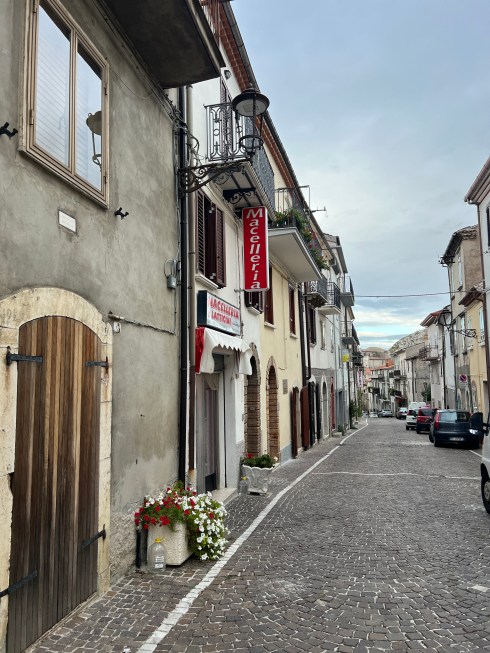
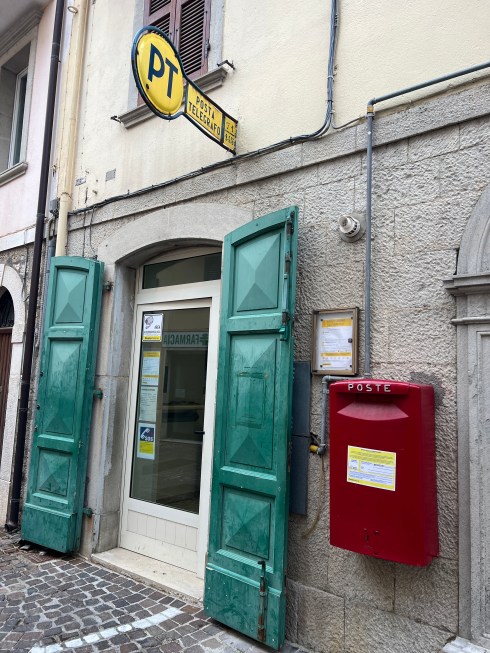
Today, the full time population is less than 200, but expands greatly during holidays and summer months. As with large and small towns throughout Italy, the annual cultural and religious festivals and celebrations are always on the calendar. There are no longer schools or restaurants in town, but among the places I noticed on my walk were two bars, two groceries, two butcher shops, a tabacchi, a post office, a pharmacy, a barber, a beauty salon, the church, and the municipal building.  Some of these are pictured below. 

©blogginginitaly.com


©blogginginitaly.com


©blogginginitaly.com


©blogginginitaly.com


©blogginginitaly.com


©blogginginitaly.com    Church of Santa Maria Assunta


©blogginginitaly.com     Pietrabbondante Municipio

Pietrabbondante is located in the province of Isernia, (Molise region), a two hour train ride from Rome. Interestingly, when my grandfather was born in 1895, the town was part of the Abruzzo region. (Seems like redistricting happens everywhere!)

Looking closely at the monument above, you’ll see a statue depicting an ancient Samnite soldier. This statue is a tribute to the fallen soldiers from Pietrabbondante in WWI. The funds for the statue were raised by an immigrant committee in America in 1919, and in 1920, the local city council used the funds to construct the monument.

But why a Samnite soldier, and who were the Samnites? More about the ancient history of Pietrabbondante in the next post.

For now, I’ll leave you with a short lesson in Italian:
Pietrabbondante = pietra [stone] + abbondante [abundance].
As my grandfather said, it is well named indeed!

Ciao, 
Judy 

Continue reading

Un Onore Davvero! (Italian Version)

10 Sep

Due settimane fa, e inaspettatamente, abbiamo ricevuto un invito a partecipare alla 76a Mostra Internazionale del Cinema di Venezia, ospiti del Prof. Dr. Massimo Lucidi, giornalista economico, autore e fondatore di numerosi eventi internazionali come il Premio Eccellenza o il Premio Italiano Eccellenza .

©blogginginitaly.com

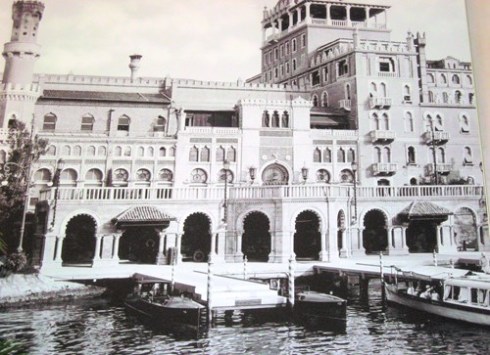
Il festival si tiene al Lido di Venezia e il nostro incontro è stato all’Hotel Excelsior. Per il loro sito web: “Questa straordinaria creazione ha riscosso un grande successo il 21 luglio 1908, con una sontuosa festa in riva al mare per oltre 3.000 ospiti. È diventata rapidamente un paradiso per l’elite, le star del cinema e la regalità”.

Nel 1932, l’Hotel Excelsior Venice Lido Resort ha dato il benvenuto al primo Festival del cinema di Venezia ed è ora la sede ufficiale di questo evento di fama mondiale.

© HOTEL EXCELSIOR VAT: 09825980965

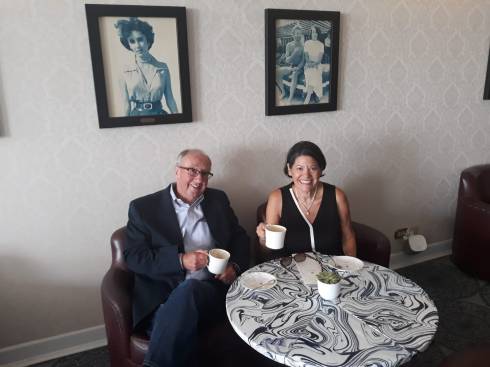
Ci siamo presi un momento per goderci un cappuccino in buona compagnia.

©blogginginitaly.com

L’incontro a cui abbiamo partecipato è stato intitolato “Cinema e Web”. Si è concentrato sul rapporto tra emozione e seduzione del cinema e le opportunità digitali di oggi per preservare e condividere storia e cultura.

Ma perché noi? Un po ‘di storia richiesta qui …

Io e Len, entrambi di origini italiane, abbiamo sempre avuto il sogno e l’obiettivo di trascorrere un periodo significativo in Italia. Dal 2001, con il nostro viaggio in Calabria per trovare i documenti dei nonni di Len, abbiamo continuato la ricerca delle nostre case ancestrali e visitato la maggior parte. Una volta in pensione, e desiderosi di vivere davvero il paese dei nostri antenati, abbiamo scelto l’antica e bellissima città di Cortona in Toscana.

©blogginginitaly.com

Per noi, era la dimensione e l’ambiente perfetti per darci una base centrale da cui partire, per interagire veramente con la gente del posto e per assorbire la cultura dei nostri antenati mentre ci immergevamo nella vita quotidiana italiana. Non avremmo potuto immaginare le grandi amicizie che avremmo fatto.

Crescendo, io e Len siamo stati entrambi fortunati ad essere circondati da grandi famiglie italiane estese. Ognuna delle nostre vite era piena di divertenti tradizioni italiane, grandi riunioni di famiglia e amore.

Nella mia famiglia c’erano 10 nipoti per parte. E mentre sapevamo dei risultati dei nostri nonni, non era come se parlassero di se stessi. Per noi, erano nonni tipici e divertenti che lavoravano duramente e amavano i loro nipoti a caro prezzo.

Di conseguenza, il mio fascino ancestrale iniziò davvero molti anni dopo, quando iniziai a ricercare mio nonno paterno, Alex Capraro.

©blogginginitaly.com   Alex Capraro and wife Maude

Lasciò Pietrabbondante in Abruzzo all’età di quattro anni ed emigrò con i suoi giovani genitori in America dove alla fine divenne il primo architetto italo-americano autorizzato in Illinois. Agli inizi degli anni ’30, fu nominato capo architetto dal governo italiano per il padiglione italiano alla Century of Progress Fair del 1933 a Chicago. Anche se è morto quando avevo cinque anni, mia nonna conservava molte delle sue lettere e dei suoi documenti. Alla fine, questi mi sono stati trasmessi. A tempo debito, sono stato in grado di mettere insieme così tanto di ciò che era e ciò che aveva realizzato nella sua vita, come documentato nella mia serie di blog: Attraverso le sue parole: riflessioni da e su mio nonno.

La storia di Alex ha suscitato interesse, non solo con i miei familiari, ma anche con molti amici italiani.

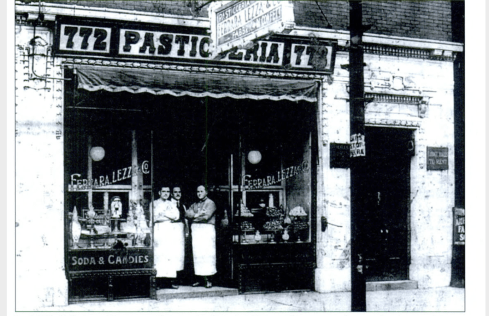
Questo mi ha portato a ricercare e condividere qualcosa in più su mio nonno materno, Salvatore Ferrara, che ha aperto una pasticceria al dettaglio nella sezione Little Italy di Chicago nei primi anni del 1900.

Salvatore Ferrara (r) C.1908

La pasticceria produceva dolci italiani, grandi torte nuziali e mandorle ricoperte di zucchero, o coriandoli, che Salvatore aveva imparato a fare in Italia. Quando le vendite di caramelle hanno superato i pasticcini, ha lasciato la moglie per dirigere il forno e alla fine ha lanciato la Ferrara Pan Candy Company. Nel 2017 il Gruppo Ferrero, produttore di Nutella e il secondo produttore di cioccolato e azienda dolciaria al mondo, ha acquistato la Ferrara Candy Company.
Per non essere superata dagli uomini, mia nonna materna, Serafina Ferrara, divenne una dinamica personalità imprenditoriale e filantropo.

Serafina Ferrara and brother

A differenza di miei nonni, ho avuto la fortuna di conoscerla tra i 20 anni. Oltre a gestire la panetteria, ha aperto due delle prime sale per banchetti di Chicago, il Chateau Royale e il maniero di Ferrara. Ha anche dedicato un tempo significativo a cause caritatevoli e civili. Era conosciuta come “L’angelo di Halsted Street” per la sua infinita generosità verso i meno fortunati. Nel 1956, fu nominata nonna nazionale dell’anno insieme a Ed Sullivan come nonno dell’anno. Lo stesso anno, fu decorata dal Governo italiano per aver contribuito a cementare le relazioni italo-americane: i suoi numerosi successi nella vita sono stati inseriti nel record congressuale della Camera dei Rappresentanti degli Stati Uniti dall’onorevole Frank Annunzio nel 1972.

Nel corso del tempo, ho potuto vedere gli ingranaggi girare nella testa del nostro buon amico Carlo. Era incuriosito, non solo per la storia di questi immigrati italiani che hanno realizzato così tanto in America, ma che le due famiglie erano unite dal matrimonio di mia madre, Benita Ferrara, e di mio padre, Bill Capraro. Carlo è stato anche colpito dalla decisione di Len e dalla mia decisione di immergerci completamente nella storia e nella cultura dei nostri antenati, nonché di ricercare e condividere le nostre storie. Sapevo che aveva iniziato a parlare con gli altri, ma mai fino a che punto.

Avanti veloce alla scorsa settimana e l’invito.

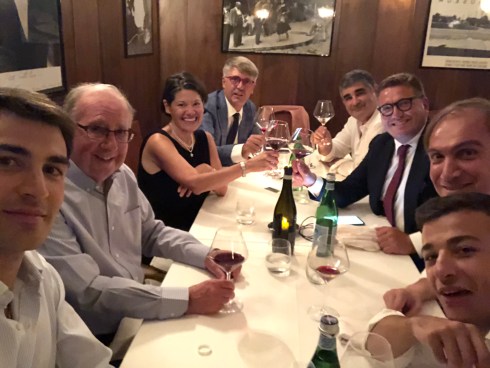
A cena mercoledì sera, abbiamo incontrato Massimo Lucidi (di fronte a me) per la prima volta, sebbene fosse stato ben informato. Prima che la serata fosse finita, mi aveva invitato a partecipare a un panel la mattina successiva.

©blogginginitaly.com

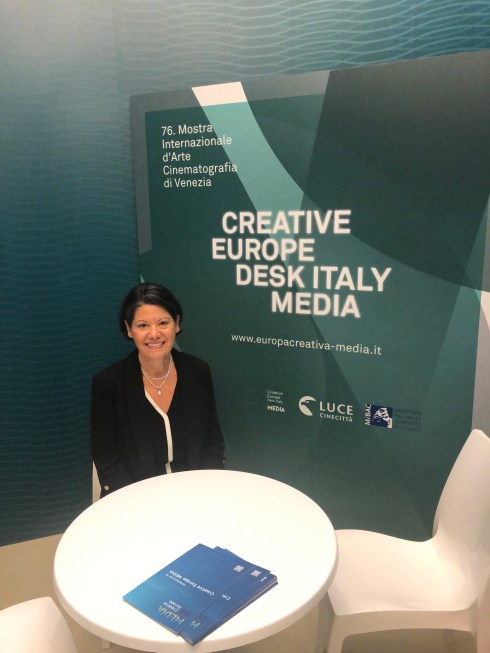
La sala conferenze Tropicana dell’Hotel Excelsior ospitava il padiglione italiano dove si sarebbe tenuto l’incontro.

©blogginginitaly.com

All’improvviso, sono stato sul palco con un membro del parlamento, un colonnello dei carabinieri, il Presidente di Rai Cinema e Massimo Lucidi, tutti che recitano ruoli significativi e vari nella promozione del cinema e delle arti legate alla storia e alla cultura dell’Italia in un palcoscenico internazionale.

©blogginginitaly.com

Il mio ruolo è stato quello di condividere una breve storia (in italiano, ovviamente!) Dei miei nonni, tutti immigrati italiani e dei contributi che hanno fatto in America. E perché così tanto interesse? Come è stato sottolineato durante il panel, ci sono così tante storie meravigliose di immigrati italiani che non vengono mai ascoltate e mai raccontate, ed è la sfida di coloro che sono coinvolti in tutti i tipi di media a cercare tali storie.

Nella sala c’erano produttori, registi, attori, scrittori e giornalisti, e molti furono riconosciuti per il loro lavoro.

©blogginginitaly.com

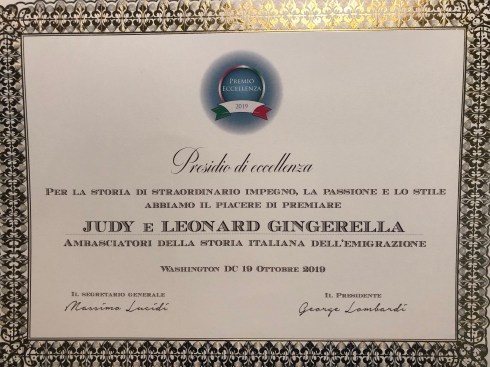
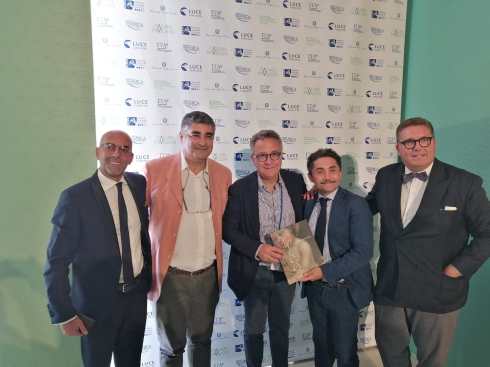
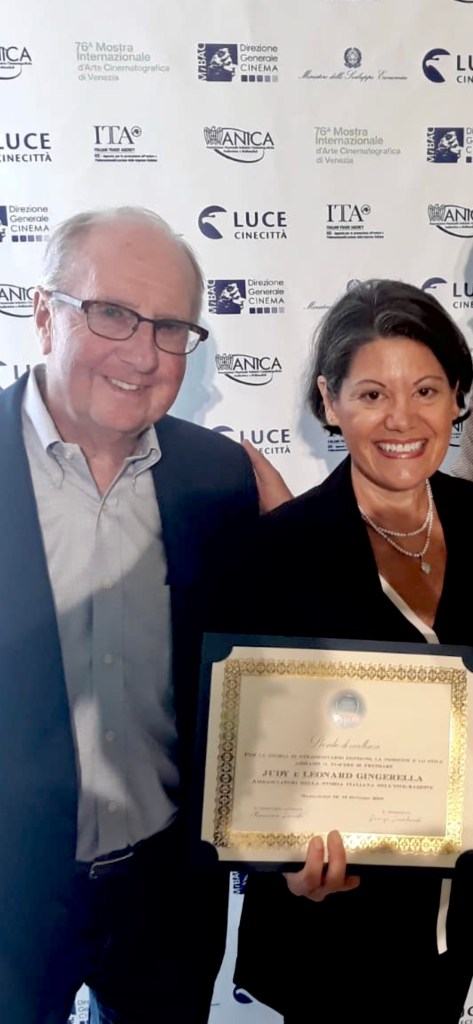
E poi, alla conclusione del panel, è arrivata la nostra incredibile sorpresa e il nostro straordinario onore – Len ed io siamo stati riconosciuti dal Comitato Esecutivo del Premio Eccellenza come segue:

Per la storia di straordinario impegno, passione e stile,
siamo lieti di premiare
Judy e Leonard Gingerella
Ambasciatori della storia italiana dell’emigrazione

©blogginginitaly.com     Colonel Anania, Len , Judy, Massimo Lucidi

La cerimonia di premiazione effettiva si terrà a Washington DC in ottobre, ma poiché non saremo disponibili, ci è stato assegnato il nostro premio in anticipo. Ed è per questo che siamo stati invitati a Venezia.

Dopo l’evento, Massimo ha condotto un’intervista con me e Carlo, disponibile su YouTubehttps://youtu.be/Ikif5iup2mY

https://youtu.be/Ikif5iup2mY

Abbiamo presentato a Massimo un libro di Luciano Meoni, il sindaco di Cortona.

©blogginginitaly.com

E il colonnello Anania ha presentato un libro all’onorevole Nicola Acunzo di Francesco Attesti, Consigliere culturale di Cortona.

Len ed io saremo per sempre grati a Massimo, Orazio, Carlo ea tutti coloro che vedono valore nel condividere il passato e sono impegnati a mantenere vive le storie. Grazie mille, grazie! Il nostro tempo trascorso insieme al 76 ° Festival Internazionale del Cinema di Venezia sarà qualcosa che apprezzeremo per sempre.

Soprattutto, la mia sincera gratitudine verso i miei nonni e bisnonni per avere il coraggio di lasciarsi alle spalle il noto, cercare opportunità in America e creare eredità straordinarie. Sarò sempre sbalordito e anche ispirato dai loro successi. Come loro nipote, sono così orgoglioso di poter condividere le loro storie.

©blogginginitaly.com

Su una nota profetica … a fine luglio, la nostra famiglia allargata si è riunita a Chicago per una settimana. Una notte attorno a una grande tavola rotonda, ci hanno chiesto ciascuno di completare la seguente frase:

“Sono un 10 a _________.”

Ho riflettuto, non sono sicuro della mia risposta, e poi a mia volta, la parola è semplicemente saltata fuori: RICERCA.

Non avrei mai immaginato che la mia ricerca mi avrebbe portato in questo incredibile viaggio.

Resta sintonizzato: potrebbe esserci ancora qualcosa in arrivo.

Ciao,
Judy


An Honor Indeed!

10 Sep

Two weeks ago, and most unexpectedly, we received an invitation to attend the 76th Venice International Film Festival, guests of Prof. Dr. Massimo Lucidi, economic journalist, author, and founder of numerous international events such as the Premio Eccellenza or Italian Excellence Award.

©blogginginitaly.com

The festival is held on Venice Lido and our meeting was at the Hotel Excelsior. Per their website: “This extraordinary creation opened to great acclaim on 21st July 1908, with a lavish ocean-front party for over 3,000 guests. It rapidly became a haven for the elite, film stars and royalty.”

In 1932, Hotel Excelsior Venice Lido Resort welcomed the first ever Venice Film Festival and is now the official venue of this world-famous event.

© HOTEL EXCELSIOR VAT: 09825980965

We took a moment to enjoy a cappuccino in good company.

©blogginginitaly.com

The meeting we participated in was titled “Cinema and Web.” It focused on the relationship between the emotion and seduction of cinema and today’s digital opportunities to preserve and share history and culture.

But why us? A bit of history required here…

Len and I, both with Italian origins, always had a dream and goal to spend significant time in Italy. Since 2001, with our trip to Calabria to find Len’s grandparents’ records, we’ve continued the research of our ancestral homes and visited most. Once we retired, and wanting to truly experience the country of our ancestors, we chose the ancient and beautiful town of Cortona in Tuscany.

©blogginginitaly.com

For us, it was the perfect size and setting to give us a central base from which to travel, to truly interact with locals, and to absorb the culture of our ancestors as we became immersed in daily Italian living. Little could we have imagined the great friendships we would make.

Growing up, Len and I were both very fortunate to be surrounded by large extended Italian families. Each of our lives was filled with fun Italian traditions, large family gatherings and love.

In my family, there were 10 grandchildren on each side. And while we knew of our grandparents’ accomplishments, it wasn’t as if they talked about themselves. For us, they were typical and fun grandparents who worked hard and loved their grandchildren dearly.

As a result, my ancestral fascination truly began many years later when I started researching my paternal grandfather, Alex Capraro.

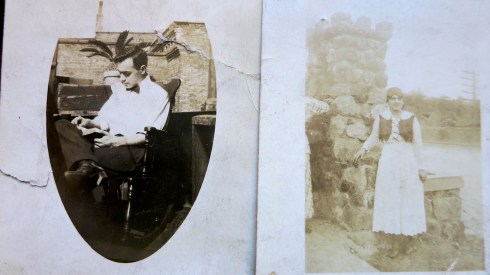
©blogginginitaly.com   Alex Capraro and wife Maude

He left Pietrabbondante in Abruzzo at age four and emigrated with his young parents to America where he eventually became the first licensed Italian-American architect in Illinois. In the early 1930’s, he was appointed chief architect by the Italian Government for the Italian Pavilion at the 1933 Century of Progress Fair in Chicago. Although he passed away when I was five, my grandmother kept many of his letters and documents.  Eventually, these were passed on to me. In due time, I was able to piece together so much of who he was and what he had accomplished in his life, as documented in my blog series: Through His Words: Reflections From and About My Grandfather.

Alex’s story generated interest, not only with my family members, but also with many Italian friends.

This led me to research and share more about my maternal grandfather, Salvatore Ferrara, who opened a retail pastry and candy shop in the Little Italy section of Chicago in the early 1900s.

Salvatore Ferrara (r) C.1908

The bakery produced Italian pastries, large wedding cakes, and the sugarcoated almonds, or confetti, that Salvatore had learned to make in Italy. When candy sales surpassed pastries, he left his wife to run the bakery and eventually launched the Ferrara Pan Candy Company. In 2017, the Ferrero Group, maker of Nutella and the second largest chocolate producer and confectionery company in the world, purchased the Ferrara Candy Company.

Not to be outdone by the men, my maternal grandmother, Serafina Ferrara, became a dynamic business personality and philanthropist.

Serafina Ferrara and brother

Unlike my grandfathers, I had the good fortune to know her into my 20s. In addition to running the bakery, she opened two of Chicago’s first banquet halls, the Chateau Royale and Ferrara Manor. She also devoted significant time to charitable and civic causes. She was known as “The Angel of Halsted Street” for her unending generosity to those less fortunate. In 1956, she was named national grandmother of the year along with Ed Sullivan as grandfather of the year. The same year, she was decorated by the Italian government for helping to cement Italo-American relations. Her many life accomplishments were entered into the U.S. House of Representatives Congressional record by the Honorable Frank Annunzio in 1972.

Over time, I could see the gears turning in our good friend Carlo’s head. He was intrigued, not only about the story of these Italian immigrants who accomplished so much in America, but that the two families were united though the marriage of my mother, Benita Ferrara, and my dad, Bill Capraro. Carlo was also struck by Len’s and my decision to fully immerse ourselves in the history and culture of our ancestors, as well as research and share our stories. I knew he had begun talking to others, but never quite to what extent.

Fast forward to last week, and the invitation.

At dinner Wednesday night, we met Massimo Lucidi (across from me) for the first time, although he had been well briefed. Before the evening was over, he had invited me to join a panel the next morning.

©blogginginitaly.com

The Tropicana Conference Room at Hotel Excelsior housed the Italian Pavilion where the meeting would be held.

©blogginginitaly.com

Suddenly, I was on stage with a parliamentary member, a carabinieri colonel, the president of Rai Cinema, and Massimo Lucidi, all who play significant and varied roles in the promotion of film and the arts related to the history and culture of Italy on an international stage.

©blogginginitaly.com

My role was to share a brief history (in Italian, of course!) of my grandparents, all Italian immigrants, and the contributions they made in America. And why so much interest? As was pointed out during the panel, there are so many wonderful stories of Italian immigrants that are never heard, and never told, and it is the challenge of those involved in all types of media to seek out such stories.

In the room were producers, directors, actors, writers and journalists, and several were recognized for their work.

©blogginginitaly.com

And then, at the conclusion of the panel, came our incredible surprise and amazing honor – Len and I were recognized by the Executive Committee of Premio Eccellenza as follows:

For the history of extraordinary commitment, passion and style,
we are pleased to award
Judy and Leonard Gingerella
Ambassadors of the Italian History of Emigration

©blogginginitaly.com     Colonel Anania, Len , Judy, Massimo Lucidi

The actual award ceremony will be held in Washington DC in October, but since we won’t be available, we were given our award in advance. And that is why we were invited to Venice.

After the event, Massimo conducted an interview with Carlo and me which is available on YouTube. https://youtu.be/Ikif5iup2mY

https://youtu.be/Ikif5iup2mY

We presented Massimo with a book from Luciano Meoni, the Mayor of Cortona.

©blogginginitaly.com

And Colonel Anania presented a book to Honorable Nicola Acunzo from Francesco Attesti, the Cortona Cultural Councilor. 

Len and I will be forever grateful to Massimo, Orazio, Carlo and all those who see value in sharing the past and are committed to keeping the stories alive. Grazie mille, thank you! Our time spent together at the 76th Venice International Film Festival will be something we’ll cherish forever.

Most of all, my heartfelt gratitude to my grandparents and great grandparents for having the courage to leave the known behind, seek opportunity in America, and create extraordinary legacies. I will always be in awe and also inspired by their accomplishments. As their granddaughter, I am so proud to be able to share their stories.

©blogginginitaly.com

On a prophetic footnote… in late July, our extended family gathered in Chicago for a week. One night around a large round table, we were each asked to complete the following sentence:

“I am a 10 at _________.”

I pondered, not sure of my response, and then at my turn, the word just popped out – RESEARCHING.

Little could I have ever imagined that my research would take me on this incredible journey.

Stay tuned – there just might be more to come.

Ciao,
Judy


Remembering a year ago…

5 Dec

Last year, I sadly published this post and can hardly believe a year has passed. There is so much I keep learning about my grandfather Alex’s life, so much more I want to discuss with my Aunt Marion, but alas, it wasn’t meant to be. Instead, I’ll try to remember how lucky we were to have her till almost 90. In memory of Aunt Marion, one year later…

It wasn’t supposed to be like this.

Yesterday was Aunt Marion’s 90th birthday and she was throwing a party. How lucky to approach 90, still active and in full command. She had shopped the day after Thanksgiving and found just what she wanted to wear – a red wool jacket and black pants.

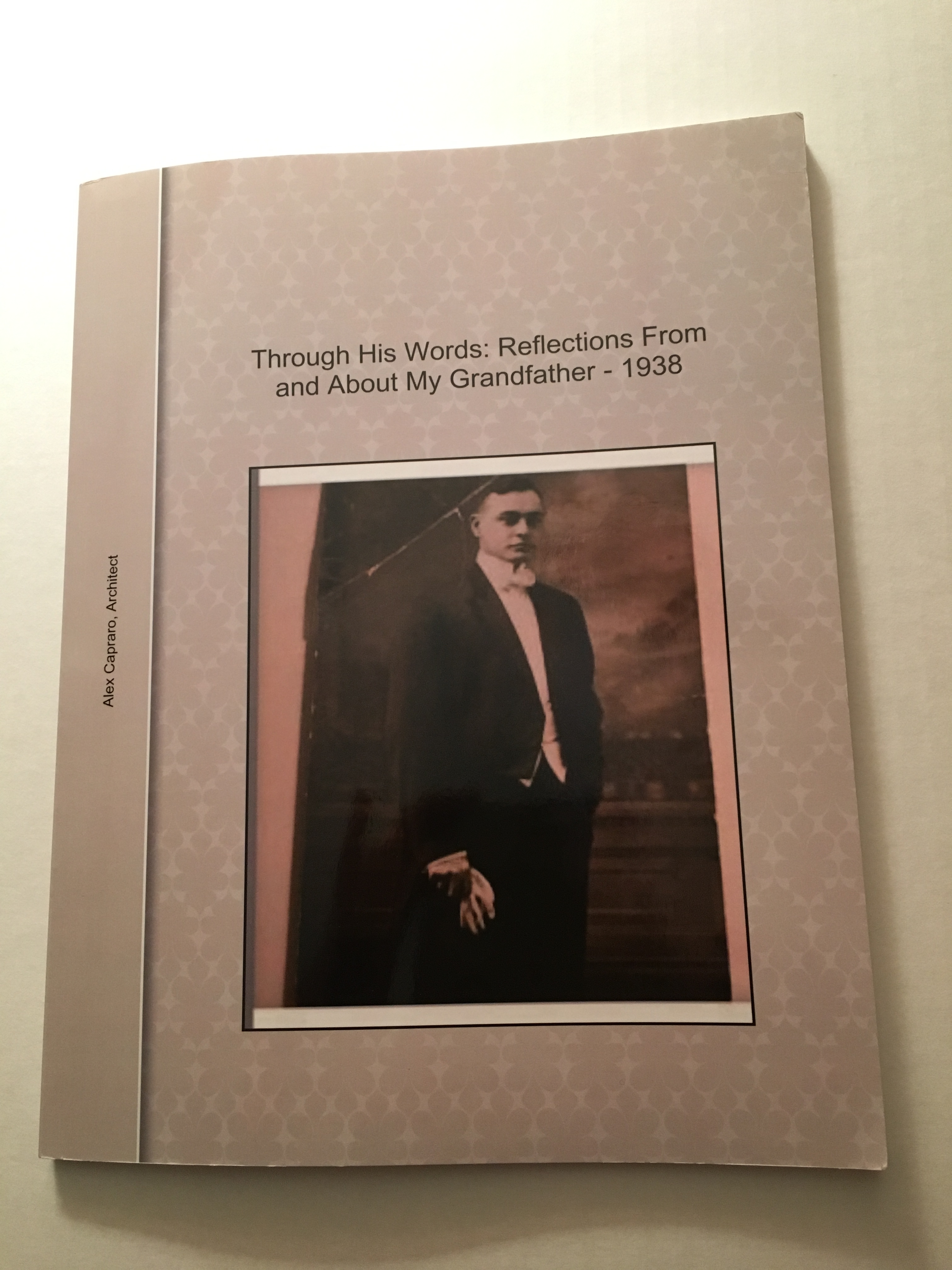
What birthday gift would I give Aunt Marion? The answer came easily. In October, 2013, I began writing a series of posts that traced a European trip my grandfather, Alex, her father, took in 1938. I titled the series Through His Words: Reflections From and About My Grandfather. From Alex’s letters, postcards, etc., that Aunt Marion had saved, I was able to document every step of his incredible journey. 76 years, 10 months and 10 days after Alex returned to his birthplace, so too did Len and I, being the first and only, we think, descendants to step foot in the town of Pietrabbondante, Italy.

With each post, Aunt Marion would call me or I her. How I loved those conversations. Along with several members of my extended family, I learned much about a man I hardly knew, and even Aunt Marion learned a great deal more about her father. Who could have guessed that a blog could bring so much joy?

©Blogginginitaly.com

©Blogginginitaly.com Sharing info with Aunt Marion, my sibs & some cousins.

“I just wish I could print these all out,” she had said to me on more than one occasion.

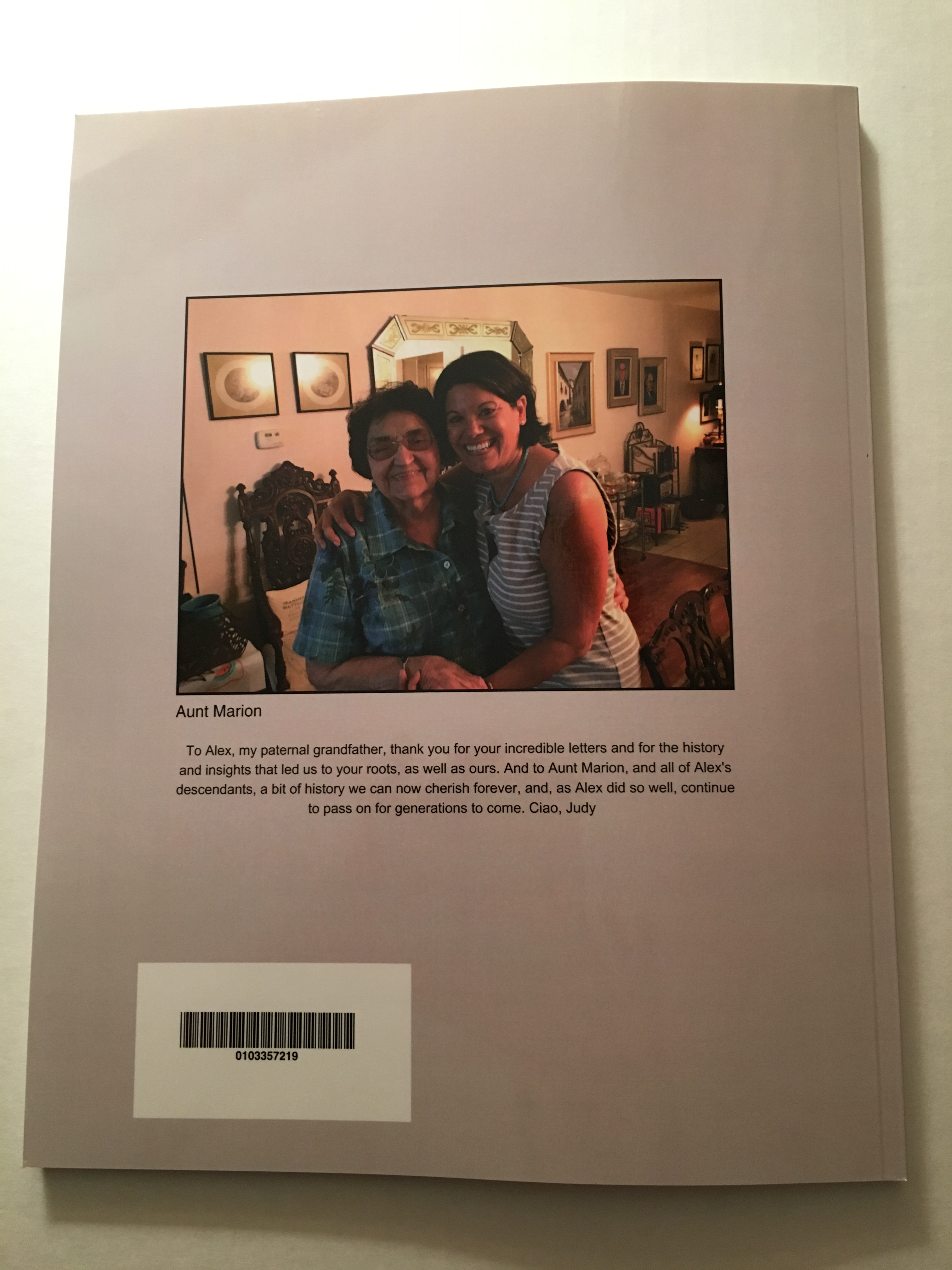
As her 90th birthday approached , I found blog2print.com, a company that could make a book of my blogs. With guidance from a very helpful customer service, I created the front and back covers, wrote the dedication, and selected the contents. It was the perfect gift.

©Blogginginitaly.com

©Blogginginitaly.com

©Blogginginitaly.com

©Blogginginitaly.com

©Blogginginitaly.com Dedication Page

©Blogginginitaly.com Dedication Page

Of particular note is the dedication to Aunt Marion: …my guiding light, collaborator and friend, who guarded “the bag” that made this all possible. The bag, of course, contained my grandfather’s letters and so much more that she had kept all these years.

It wasn’t supposed to be like this.

On Saturday, instead of celebrating her 90th birthday, we celebrated her wonderful life. Sadly and very unexpectedly, she left us just 5 days short of her 90th birthday.

I will miss her and our talks. But like the other strong Italian women in our family who proceeded her – my grandmothers, my mother and my aunts, I will remember her always and the traditions she passed on.

If only I could have given her the book.

©Blogginginitaly.com

©Blogginginitaly.com

Sleep well, Aunt Marion. Love you.
Judy


In Memory of…

4 Dec

It wasn’t supposed to be like this.

Yesterday was Aunt Marion’s 90th birthday and she was throwing a party. How lucky to approach 90, still active and in full command. She had shopped the day after Thanksgiving and found just what she wanted to wear – a red wool jacket and black pants.

What birthday gift would I give Aunt Marion? The answer came easily. In October, 2013, I began writing a series of posts that traced a European trip my grandfather, Alex, her father, took in 1938. I titled the series Through His Words: Reflections From and About My Grandfather. From Alex’s letters, postcards, etc., that Aunt Marion had saved, I was able to document every step of his incredible journey. 76 years, 10 months and 10 days after Alex returned to his birthplace, so too did Len and I, being the first and only, we think, descendants to step foot in the town of Pietrabbondante, Italy.

With each post, Aunt Marion would call me or I her. How I loved those conversations. Along with several members of my extended family, I learned much about a man I hardly knew, and even Aunt Marion learned a great deal more about her father. Who could have guessed that a blog could bring so much joy?

©Blogginginitaly.com

©Blogginginitaly.com Sharing info with Aunt Marion, my sibs & some cousins.

“I just wish I could print these all out,” she had said to me on more than one occasion.

As her 90th birthday approached , I found blog2print.com, a company that could make a book of my blogs. With guidance from a very helpful customer service, I created the front and back covers, wrote the dedication, and selected the contents. It was the perfect gift.

©Blogginginitaly.com

©Blogginginitaly.com

©Blogginginitaly.com

©Blogginginitaly.com

©Blogginginitaly.com Dedication Page

©Blogginginitaly.com Dedication Page

Of particular note is the dedication to Aunt Marion: …my guiding light, collaborator and friend, who guarded “the bag” that made this all possible. The bag, of course, contained my grandfather’s letters and so much more that she had kept all these years.

It wasn’t supposed to be like this.

On Saturday, instead of celebrating her 90th birthday, we celebrated her wonderful life. Sadly and very unexpectedly, she left us just 5 days short of her 90th birthday.

I will miss her and our talks. But like the other strong Italian women in our family who proceeded her – my grandmothers, my mother and my aunts, I will remember her always and the traditions she passed on.

If only I could have given her the book.

©Blogginginitaly.com

©Blogginginitaly.com

Sleep well, Aunt Marion. Love you.
Judy


2016 Chicago Open House – Case Bonita

14 Oct

Three years ago, I began an amazing adventure to learn more about my paternal grandfather, Alexander Capraro. As mentioned in my first post dated 10/2/13:

Through His Words: Reflections From and About My Grandfather

My grandfather was small in stature but large in accomplishment. He was the first Italian-American architect licensed in the state of Illinois and fortunately, a few of his buildings still stand for us to admire.

This weekend, the Chicago Architecture Foundation hosts its Open House Chicago.

200 COOL PLACES.
48 HOURS. GO.
IT’S FREE.
OCTOBER 15-16, 2016

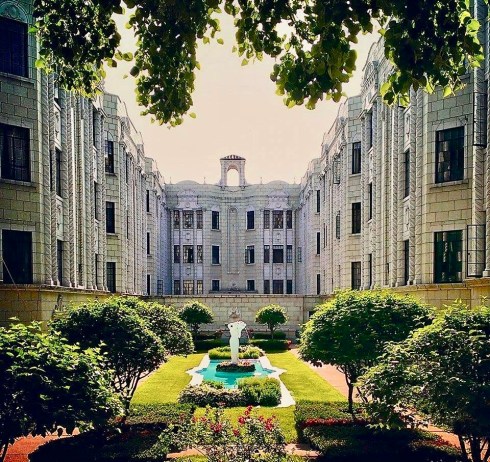
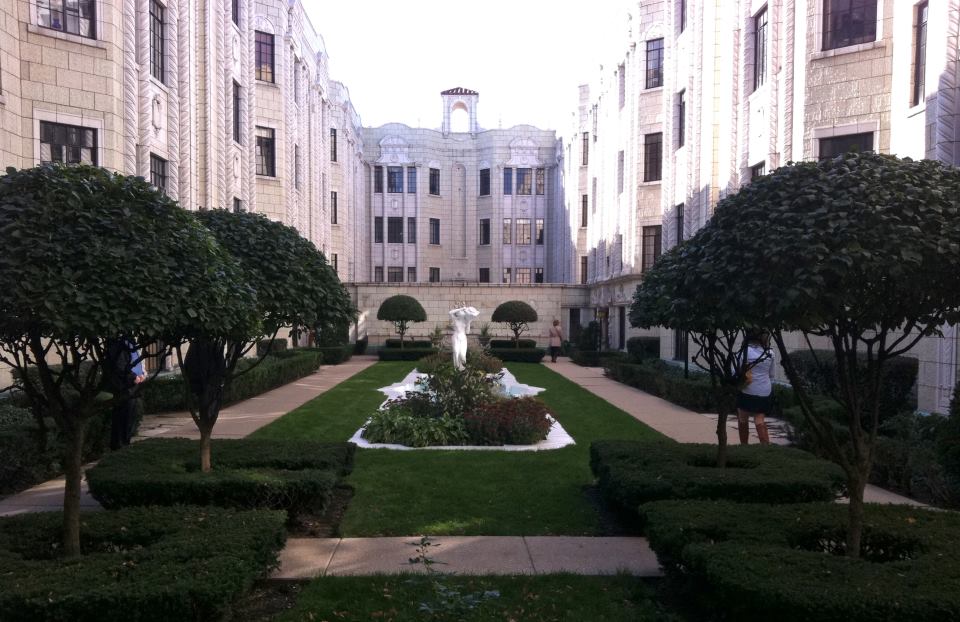
I am so proud that for the 6th time, Casa Bonita, designed in 1928 by my grandfather Alex and his partner Morris, is included in the festival. Quite an accomplishment for a man who, at the age of four, emigrated to America in 1899 with his parents.

Casa Bonita is considered a Spanish-Renaissance Revival apartment building.

Casa Bonita ©Photo by Charlene Ferguson

Casa Bonita ©Photo by Charlene Ferguson

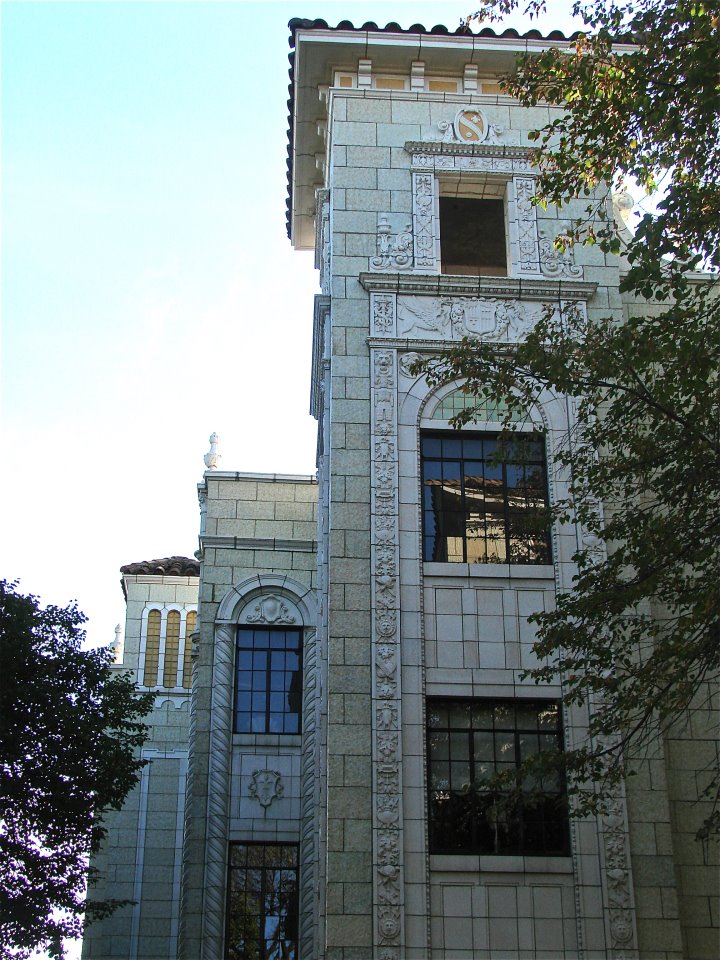
There are 66 units in the U-shaped white terra-cotta building that surround a beautiful garden. The attention to detail can be seen everywhere.

Casa Bonita ©Photo by MTMattucci

Casa Bonita ©Photo by MMattucci

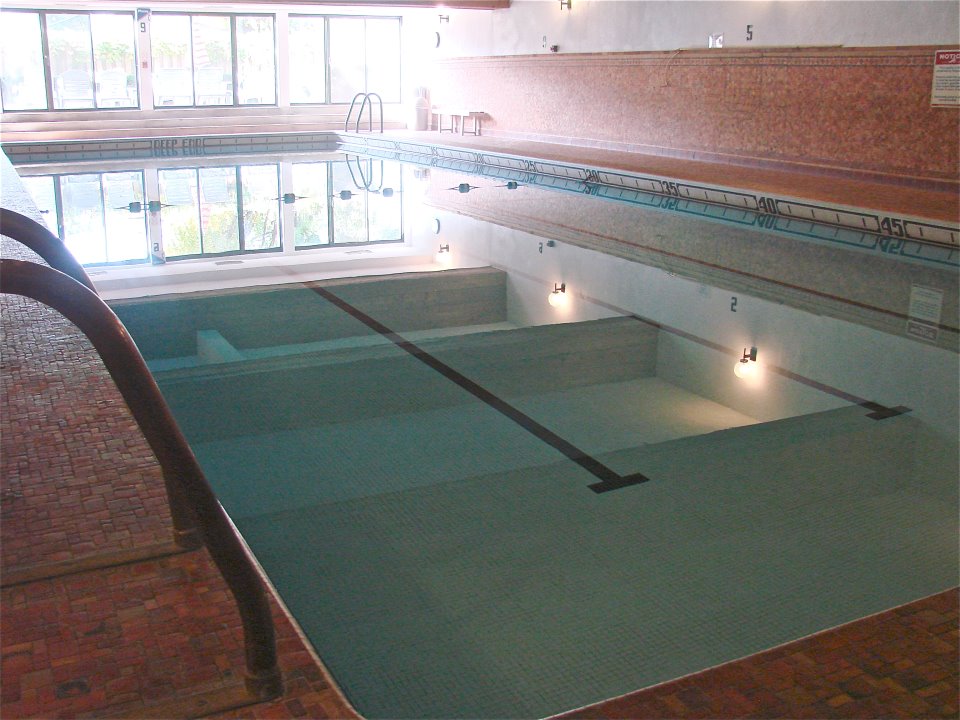
Besides its incredible structure, Casa Bonita has amenities including a library, a billiards room, and a large indoor pool.

Casa Bonita ©Photo by MTMattucci

Casa Bonita ©Photo by MMattucci


When it was built, I have been told, there was even a driving range on the roof.

Casa Bonita ©Photo by MTMattucci

Casa Bonita ©Photo by MMattucci

Casa Bonita ©Photo by MTMattucci

Casa Bonita ©Photo by MMattucci

If you are in or near Chicago this weekend, this is a unique opportunity to visit incredible historic landmarks, including Casa Bonita – all for free. Residents will be available to answer questions, give tours, and share their passion about this very special Chicago treasure.

http://openhousechicago.org/sites/site/casa-bonita/

My thanks to Mary, Linda and Charlene for rapid assistance with photos.

For more on Alex’s story, see below. And one last thought – When I began writing about my grandfather, I used the phrase: Through his Words... Now I can say,  Through his Words and Works…

Ciao,
Judy – a very proud granddaughter


Opening of Original Post 10/2/13

Through His Words: Reflections From and About My Grandfather (10/2/13)

I am about to begin an incredible adventure with my paternal grandfather. We will venture to Europe, via ship, and spend a month together touring Italy. During our stay, we will visit his birthplace, Pietrabbondante, a town he left with his parents when he was four years old to emigrate to the United States.

To continue reading, please click below: